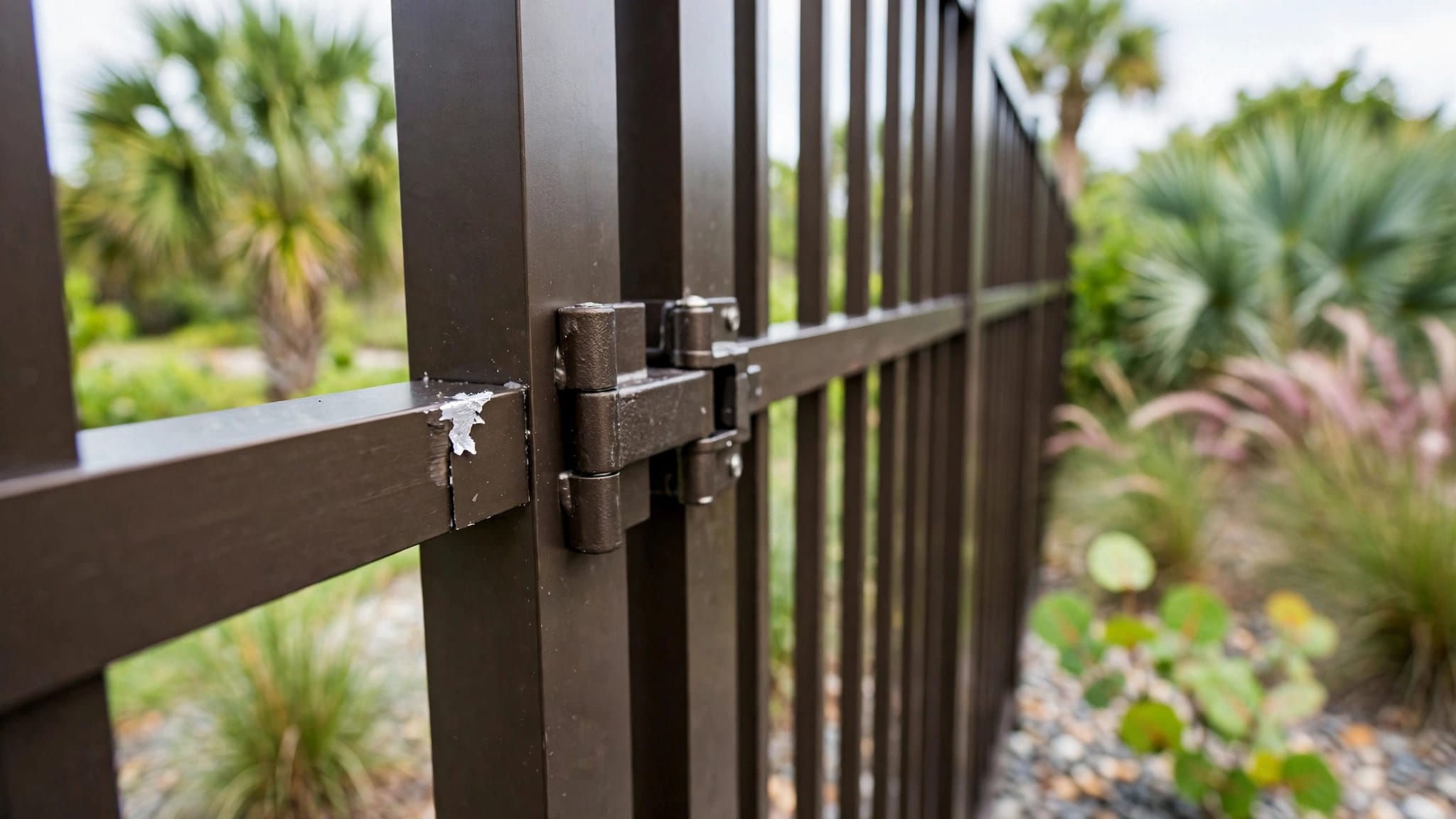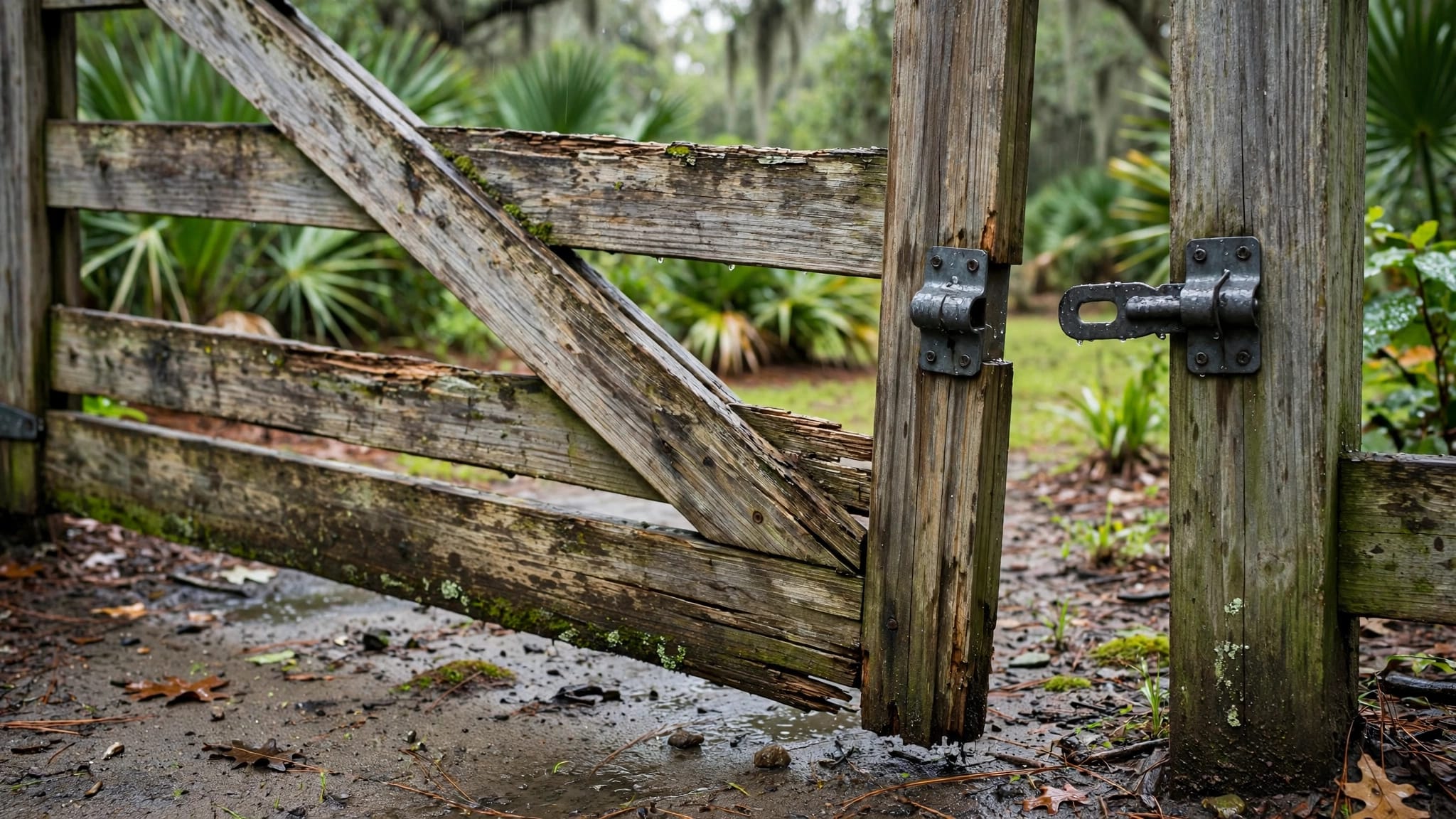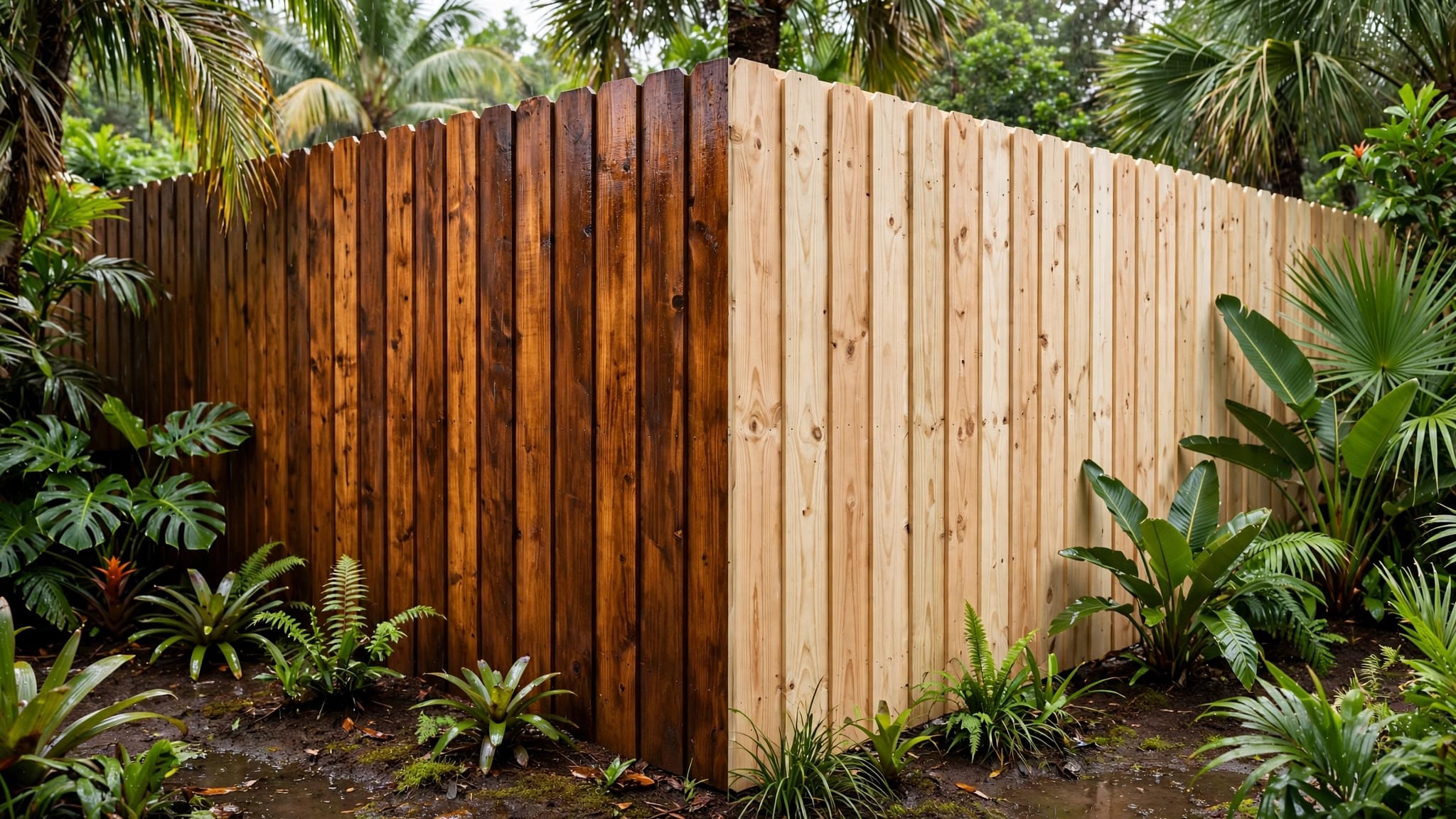
Schedule Fence Installation Before Sod and Landscaping
Fresh sod shouldn't become the work surface for post-hole digging and equipment traffic. We generally recommend scheduling fence installation before sod and final landscaping, after major excavation and rough grading.
That sequence protects your new lawn while leaving room to set posts, move materials, and adjust irrigation. Start with a shared yard plan so every crew understands the fence line, finished grade, and equipment access .
Key Takeaways for Planning Your Yard
- Complete required permits, property-line planning, and HOA approvals before scheduling construction.
- Finish major excavation and establish rough grades before setting fence posts, but leave sod and final planting until afterward.
- Mark underground utilities and private irrigation, then preserve an equipment route through the yard.
- Complete fence cleanup, irrigation testing, and final soil preparation before sod delivery.
The goal is to avoid sending one crew back through another crew's finished work.
Put Fence Installation Between Heavy Work and Final Finishes
Fence work creates disturbance even when installers work carefully. Excavated soil, concrete handling, repeated foot traffic, and material deliveries can damage fresh grass or leave debris between sod seams.
New planting beds also create obstacles. Shrubs may occupy the post line, while edging can block digging equipment. Installing the fence first lets the landscaper finish those areas around the actual posts and gates.
However, major construction belongs earlier in the schedule. Pool excavation, large-tree removal, drainage work, and substantial earthmoving may need access that a completed fence would restrict.
Use this sequence to organize the handoffs.
| Project stage | Work to complete | What stays unfinished |
|---|---|---|
| Planning | Fence layout, approvals, utility coordination | Construction and planting |
| Heavy site work | Major excavation and rough grading | Final lawn surface |
| Fence work | Posts, panels, gates, and cleanup | Sod and perimeter beds |
| Landscape preparation | Irrigation adjustments and final grading | Sod placement |
| Final finishes | Sod, planting, mulch, and edging | Nothing requiring heavy access |
This order keeps disruptive work ahead of delicate finishes. It also helps prevent paying to remove and replace sod along the fence line.
Give each contractor the same plan rather than separate sketches. Include material staging, soil removal, gate locations, and the intended finished elevation. Our guidance on preparing your yard for installation covers the obstacles to clear before the crew arrives.
Settle Property Lines and Approvals Before Booking Crews
Establish the fence line and finished grade
Use the property survey and approved layout to position the fence. An existing hedge, mower track, or neighboring fence doesn't establish a legal boundary.
Mark corners and gate openings before laying out intermediate posts. Those locations affect panel placement, access, and where landscaping can fit.
Also establish the intended finished ground level. If the landscaper later raises soil beneath a gate, the gate can scrape. Lowering grade near posts can expose footings or disturb their support. Resolve elevation changes before either crew commits to its layout.
Complete permits and HOA approvals
Fence requirements vary among Southwest Florida municipalities, counties, and homeowners associations. Complete the approvals that apply before materials arrive or construction begins.
Where a site drawing is required, it should show the proposed fence line, gates, nearby structures, and distances to property boundaries. Include applicable easements and drainage features in the project layout.
For canal-front and pond-side properties, preserve maintenance routes and drainage access. Landscaping shouldn't conceal or obstruct those areas after the fence goes up.
Coordinate Utilities and Irrigation Before Digging
Locate public utilities and private lines separately
Request underground utility marking through Sunshine 811 before excavation. Even a familiar backyard can contain buried electrical, communication, or gas infrastructure.
Public utility markings don't identify every privately owned line. Irrigation pipes, landscape-lighting wiring, pool electrical lines, and private propane piping may need separate locating.
Show those routes on the shared yard plan and mark them in the field. If a marked line conflicts with a proposed post, pause excavation and have the layout resolved safely.
An 811 locate identifies participating underground utilities. It doesn't approve a fence location or replace property-line and easement planning.
Keep markings visible until digging is complete. Mowing, soil deliveries, and heavy rain can erase paint or displace flags.
Plan irrigation around the actual post locations
Sprinkler heads and underground laterals often run near property edges, exactly where fence posts belong. Coordinate their positions before excavation rather than repairing conflicts afterward.
Keep valve boxes accessible, and leave room for sprinkler maintenance. A gate shouldn't strike a sprinkler head each time it opens.
Our guide to protecting irrigation during fence installation explains this coordination. Sharing the post layout with the irrigation crew reduces avoidable pipe damage and repeat trenching.
Reserve Access for Installation and Future Lawn Care
Keep a working route open
Identify how the crew will move posts, panels, concrete, and digging equipment into the yard. A narrow side passage may limit equipment even when the backyard itself is spacious.
Keep that route free of sod pallets, decorative rock, plants, and stored furniture. Choose a staging area outside the future planting beds and away from drainage paths.
The route also needs room for turns and unloading. Passing through an opening doesn't guarantee that equipment can turn safely beyond it. Move fragile items before deliveries begin, and keep children and pets away from active work areas.
Size gates for equipment, not appearance alone
Plan the gate around the equipment that will actually use it. Mowers, carts, and replacement pool equipment need usable clearance between posts and hardware.
The clear opening matters more than the gate's nominal size. Hinges, stops, uneven ground, and approach angles can reduce usable space.
Our advice on gate access for lawn equipment also addresses long-term maintenance. Preserve the route after planting, because mature shrubs can narrow an opening that worked well on installation day.
Build Weather Flexibility Into the Schedule
Southwest Florida rain can leave sandy yards soft and working routes saturated. Equipment may rut wet ground, while water collecting in excavations can interrupt post installation.
Schedule sod delivery around completion of the preceding work rather than an assumed fence finish date. Otherwise, a weather delay can leave sod waiting while the yard remains unfinished.
Our guidance on fence work during rainy season covers the site conditions that affect installation. Ready approvals, clear access, and visible utility markings help crews resume work when conditions allow.
Maintain drainage throughout construction. Don't fill a swale to flatten the fence line, and don't block runoff with stockpiled soil. A level-looking perimeter shouldn't come at the expense of the yard's drainage.
Finish Fence Work Before Preparing the Sod Bed
Complete cleanup and protect the new structure
Finish post installation, panels, gates, and required inspections before landscaping covers the surrounding work area. Remove excess excavation soil, construction debris, and leftover materials.
Where footings use concrete, allow curing before applying loads to the fence. Keep landscaping machinery, soil piles, and delivery pallets away from posts and panels.
Next, prepare the final lawn surface without excavating deeply around footings. The landscaper should preserve the established grade and drainage paths.
Keep soil and mulch below the fence's bottom edge. Material packed against panels can retain moisture and obstruct water flow.
Test irrigation before grass arrives
Run every irrigation zone after the fence is complete. Walk the full fence line while each zone operates.
Look for leaking pipes, wet patches near new posts, blocked spray patterns, and heads that strike the fence. Also inspect valve boxes for damage or buried lids.
Repair problems before laying sod. Fixing an underground leak afterward can require lifting newly placed grass and disturbing its soil bed.
Once irrigation works and the lawn surface is ready, schedule sod placement. That handoff gives new grass a prepared surface without another construction crew immediately crossing it.
Protect Existing Lawn and Plan Fence-Line Borders
Sometimes the lawn is already finished. In that case, define a limited work corridor and protect the remaining yard.
Ground-protection mats can reduce traffic damage, but they don't make saturated soil safe for heavy equipment. Keep spoil piles and wet concrete off grass, and limit repeated trips near posts.
Photograph the lawn, irrigation heads, and adjoining surfaces before work begins. Include turf restoration and soil removal in the project scope so cleanup responsibilities are clear.
For the finished perimeter, a narrow mulch border can reduce trimming against the fence. Bermuda grass spreads through runners and underground rhizomes; St. Augustine spreads through above-ground runners. Both can enter border beds.
Our guidance on managing grass along fence lines covers maintenance options. Keep border excavation shallow near posts, and don't pile mulch against panels.
Frequently Asked Questions
Should irrigation be installed before or after the fence?
Coordinate both layouts first. Underground irrigation work can precede the fence when pipe routes and post positions are clearly separated. Final sprinkler adjustments and zone testing belong after fence installation and before sod placement.
Can a fence be installed after artificial turf?
Yes, but post openings can disturb the backing, infill, and base. Installing the fence first avoids that repair work. For existing artificial turf, protect the surface and limit excavation openings to the locations needed for posts.
What if pool construction needs fence access?
Schedule major pool excavation before completing any fence section that blocks equipment access. If an existing fence is a required pool barrier, an approved temporary barrier must provide protection before that section is removed.
Should new shrubs go beside the fence immediately?
Complete fence work and cleanup first. Then place shrubs with room for mature growth, gate movement, and maintenance. Keep utility access areas and drainage routes open rather than filling every available gap with planting.
A Better Sequence Protects Your Finished Yard
Fresh sod belongs near the end of the project, after digging, material handling, and fence cleanup. A shared schedule protects that investment while giving each crew room to work.
Plan the fence line, utilities, access, and finished grade together. Then let the lawn and planting beds complete the yard without another round of construction passing through them.