How to Replace a Cracked Vinyl Fence Panel in Florida
A cracked vinyl fence panel can often be replaced without rebuilding the entire fence, as long as the damage is isolated and the posts and rails are still sound. The key is to match the replacement to the existing fence system and leave room for Florida heat to move the vinyl.
Before removing anything, inspect the surrounding section for loose rails, leaning posts, and signs of storm movement. Then identify how the panel connects, since routed posts and bracketed systems don't use the same method.
Assess the crack and surrounding fence
A hairline crack in one panel may call for a simple replacement. A panel that has split near a rail, pulled loose, or shifted after a storm may point to damage in the support system.
Look beyond the visible damage
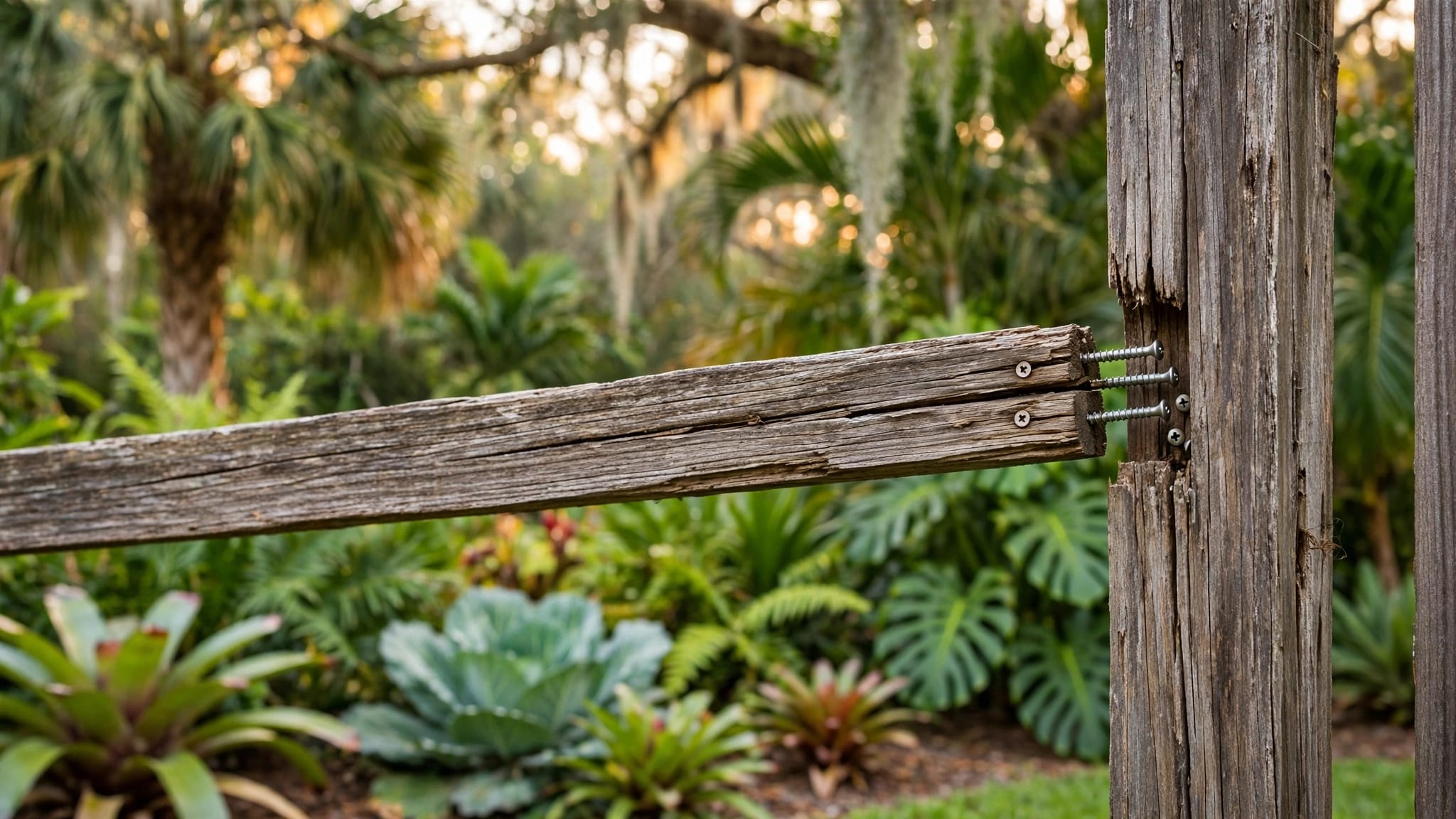
Check the full panel, both rails, and the posts on either side. Look for cracks where the panel enters a rail, brittle vinyl around openings, rail ends that have slipped out, and posts that move or lean. Also inspect the soil and the post bases for signs of washout or movement.
In Southwest Florida, wind and saturated soil can shift fence posts even when the damage first appears to be limited to one panel. If the fence moved during a storm, inspect the whole section before ordering a replacement. Our guide to vinyl fence panel repair after a storm covers additional signs to look for.
Decide if the damage is isolated
A single cracked panel can usually be treated as a targeted repair when the adjacent panels, rails, and posts remain stable. By contrast, several cracked panels, widespread chalking, or vinyl that feels brittle around multiple rail openings may point to age and UV wear.
That distinction matters because replacing one section won't correct a fence that's failing along the whole run. If damage appears in several places, take stock of the entire fence before committing to a panel-only fix.
Identify your fence and rail style
A replacement needs to fit both the visible design and the way the fence is assembled. Two panels can look similar from the yard while connecting differently at the posts.
Note the panel profile and dimensions
Start by identifying the fence style: for example, a solid privacy panel, a picket design, or a panel with a decorative top. Record the panel's height and width, along with the shape and position of its rails. Take clear photos of the panel ends and the post openings, especially where the cracked piece meets the rails.
Use an intact panel from the same fence as a reference when possible. Also note the color and surface finish. Years of sun can fade older vinyl, so a structurally compatible replacement may still look brighter or different beside the existing fence.
Check how the rails meet the posts
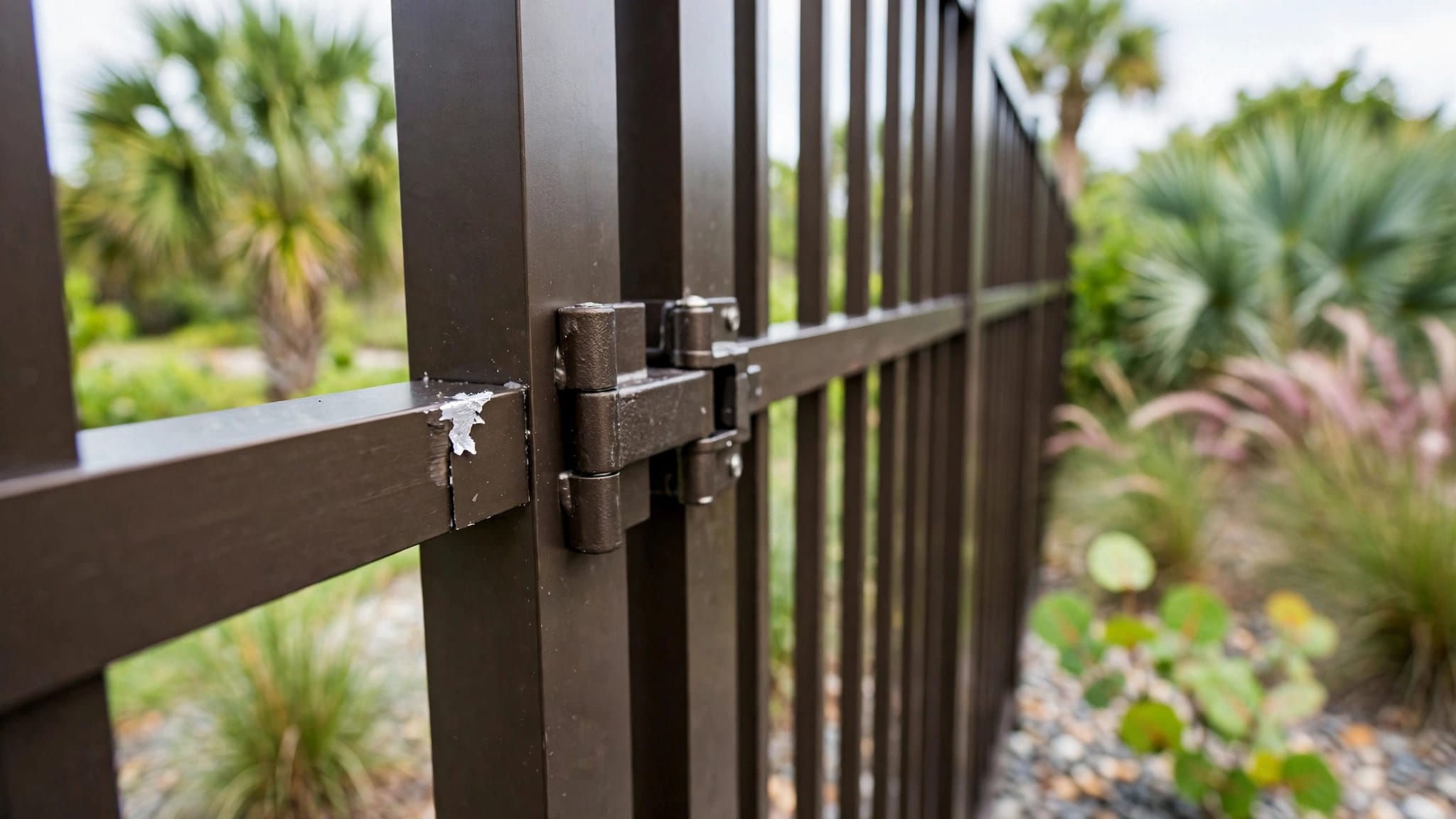
Some vinyl systems have channels routed into the posts, where the rails slide in. Others use brackets to hold the rails at the posts. Look for a post channel or visible bracket at each rail connection, and note how the damaged panel sits between them.
Don't assume every post or rail is interchangeable. If you're comparing a replacement with a different system, this overview of routed and bracketed vinyl panels explains the connection styles.
Choose a compatible replacement vinyl fence panel
A new panel needs to fit the existing opening without being forced into place. A close visual match alone isn't enough if the rails or posts don't support it correctly.
Match the connection and support
Compare the replacement's profile, rail placement, and connection method with the existing fence. Inspect the posts for cracks, movement, or water damage near the base. An older post may not suit a replacement panel with a different weight or wind exposure, even if its opening seems close.
Avoid cutting or drilling a panel to make it fit. That can weaken the vinyl and may conflict with the manufacturer's installation requirements. If the rail ends won't connect without force, the problem may be the panel choice or a post that has shifted out of alignment. See our advice on choosing a replacement panel for a vinyl fence before mixing components.
Account for age and color
Older vinyl may have faded or dulled under Florida sun. Compare the replacement against the fence in daylight, not only in a shaded area. If a close match isn't available, replacing more than one panel may create a more consistent appearance, though the decision depends on the condition of the surrounding fence.
A replacement also has to suit the fence's exposure. A solid privacy panel catches more wind than an open style, so the condition of the posts and rails matters as much as the panel's appearance.
Replace the panel in a controlled sequence
The exact removal method depends on the fence system. Follow the product's installation instructions when available, and don't force a rail or panel that remains firmly attached.
Remove the damaged section
First, keep people and pets away from the work area. Wear gloves and eye protection, since a cracked panel may leave sharp edges or loose fragments. Support the damaged piece as you release it so it doesn't drop or twist against the rails.
Remove the panel using the connection method already in place. Once it's out, clear loose debris and inspect the rail ends and post openings. If a rail is cracked, a bracket is damaged, or a post moves, pause the panel replacement. Installing a new panel into a damaged support can leave the same problem in place.
Fit and inspect the replacement
Position the compatible panel according to the system instructions. The panel and rails should sit correctly without being hammered or pulled into an out-of-square opening. Check that the rails are seated and the panel is aligned with the neighboring sections.
Before finishing, look along the fence line from a few angles. A visible bow or a rail that binds at a post can indicate misalignment or restricted movement. Don't overtighten or clamp parts in a way the system doesn't call for. Some vinyl systems use one fixed point and one floating point per section, but that arrangement isn't universal. For a closer look at how heat affects vinyl fence panels, follow the guidance for the specific fence system.
Account for Florida heat, humidity, and storms
Florida conditions can expose a poor fit quickly. Vinyl expands as it warms, and a panel that has no room to move may bow or put pressure on its connections.
Leave room for normal movement
A slight change in how a vinyl fence looks through the day can come from heat. Trouble starts when tight rails, over-tight fasteners, or misaligned posts prevent the components from moving as designed. Don't force a panel into a space that's out of square; the posts may need attention first.
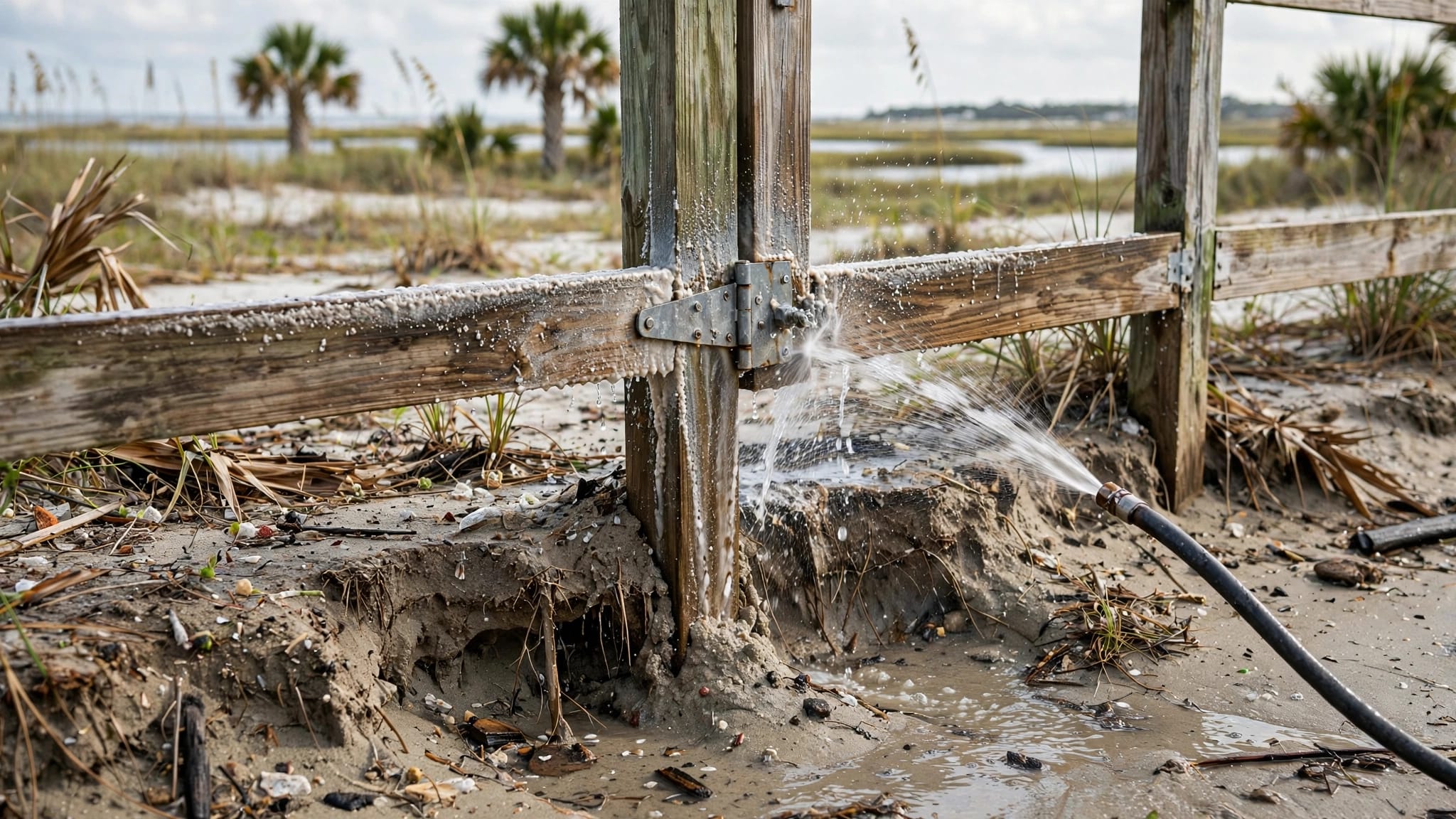
Also keep soil, pavers, and landscaping from pressing against the bottom rail. Sprinklers aimed at the fence can contribute to soil washout near posts. In coastal areas, corrosion-resistant hardware helps reduce rust and binding at metal connections.
Recheck the section after severe weather
After strong winds or heavy rain, look for leaning posts, shifted rails, new gaps, and panels that have pulled loose. A cracked panel may be a visible sign of movement rather than the only problem. Privacy fencing can catch substantial wind, so check the full section before treating storm damage as a cosmetic repair.
If the replacement panel keeps shifting or another crack appears nearby, the fence may need a broader assessment. Early attention can prevent a loose section from causing more damage during the next storm.
Know when to call for professional repair
DIY replacement may make sense when one panel is cracked and the surrounding posts and rails remain stable. A contractor's assessment is a better choice when the support system is damaged or the cause of the crack isn't clear.
Call for help if a post is leaning or loose, several rails have shifted, multiple panels are brittle or cracked, or the fence line looks wavy. The same applies when a replacement doesn't match the connections or fit without force. A post that has moved can make an otherwise correct panel seem incompatible.
At Supreme Fence of SWFL, we repair vinyl fencing in Cape Coral and throughout Southwest Florida. Our vinyl fence panel repair service covers cracked panels and other fence damage, including cases where a panel-only fix may not address the underlying issue.
Check local requirements before changing the fence
A like-for-like panel repair may be different from changing the fence's height, style, or location. Before work begins, check the requirements that apply to your address and review any HOA rules or architectural approval process. Those rules may affect the material, color, height, or placement of a replacement.
If the repair follows storm damage or involves more than one section, don't assume it counts as a minor panel swap. Local requirements and association rules can affect how the work proceeds.
Key takeaways
- Inspect rails, posts, and the ground around the fence before ordering a panel.
- Match the replacement's dimensions, profile, and connection style.
- Don't force, cut, or drill a panel to make an incompatible fit.
- Allow for system-specific movement in Florida heat.
- Widespread cracking or shifting may call for repair beyond one panel.
- Check local requirements and HOA rules when the repair changes the fence.
FAQ
Can I replace just one cracked vinyl fence panel?
Yes, if the damage is limited to one panel and the surrounding rails and posts are stable. If several panels are brittle, chalked, or cracked, replacing only one may not address the larger issue.
How do I know if my replacement panel will fit?
Compare its dimensions, rail positions, profile, and connection method with the existing fence. Routed-post and bracketed systems differ. A panel that looks similar may still be incompatible if its rails don't fit the posts correctly.
Why did my vinyl panel crack after a storm?
Wind can move posts and rack a fence section, while saturated soil can contribute to shifting. The crack may be the only visible damage, but inspect the rails, posts, and neighboring panels for movement before replacing it.
Conclusion
Replacing one cracked panel is manageable when the rest of the fence is sound and the new piece fits the existing system. In Florida, a good repair also accounts for heat movement and storm exposure.
Start with the posts and rails, then match the panel. If the fence has shifted or cracks appear across several sections, a broader repair can address the cause instead of only the visible break.