Cat-Proof Fence Add-Ons for Southwest Florida Yards
A fence can look secure and still leave a cat a route out through a gate gap, a low section, or a nearby tree. Well-planned cat-proof fence add-ons can reduce those escape routes, but no topper makes every yard escape-proof. The best starting point is to inspect the whole boundary, then choose modifications that suit your fence and Southwest Florida's weather.
Heat, humidity, heavy rain, salt air, and strong storm gusts also affect the materials and hardware you add. Here's how to assess your fence and compare practical options without treating any one product as a guarantee.
Key Takeaways
- Identify how your cat gets near or over the fence before choosing an add-on.
- Check the entire boundary, including gates, corners, ground-level gaps, and nearby climbing surfaces.
- Choose hardware and materials that can handle Southwest Florida's moisture, sun, and storms.
- Treat rollers, extensions, and mesh as parts of a complete fence plan, not automatic guarantees of containment.
- Keep outdoor time supervised while you assess whether the changes work for your cat.
Find the Escape Route Before Choosing an Add-On
A fence modification works only if it addresses the route your cat uses. Watch your cat in the yard and look for repeated approaches to the same section. Check whether the cat climbs the fence, leaps from a nearby object, squeezes through an opening, or slips through a gate.
Inspect the full boundary
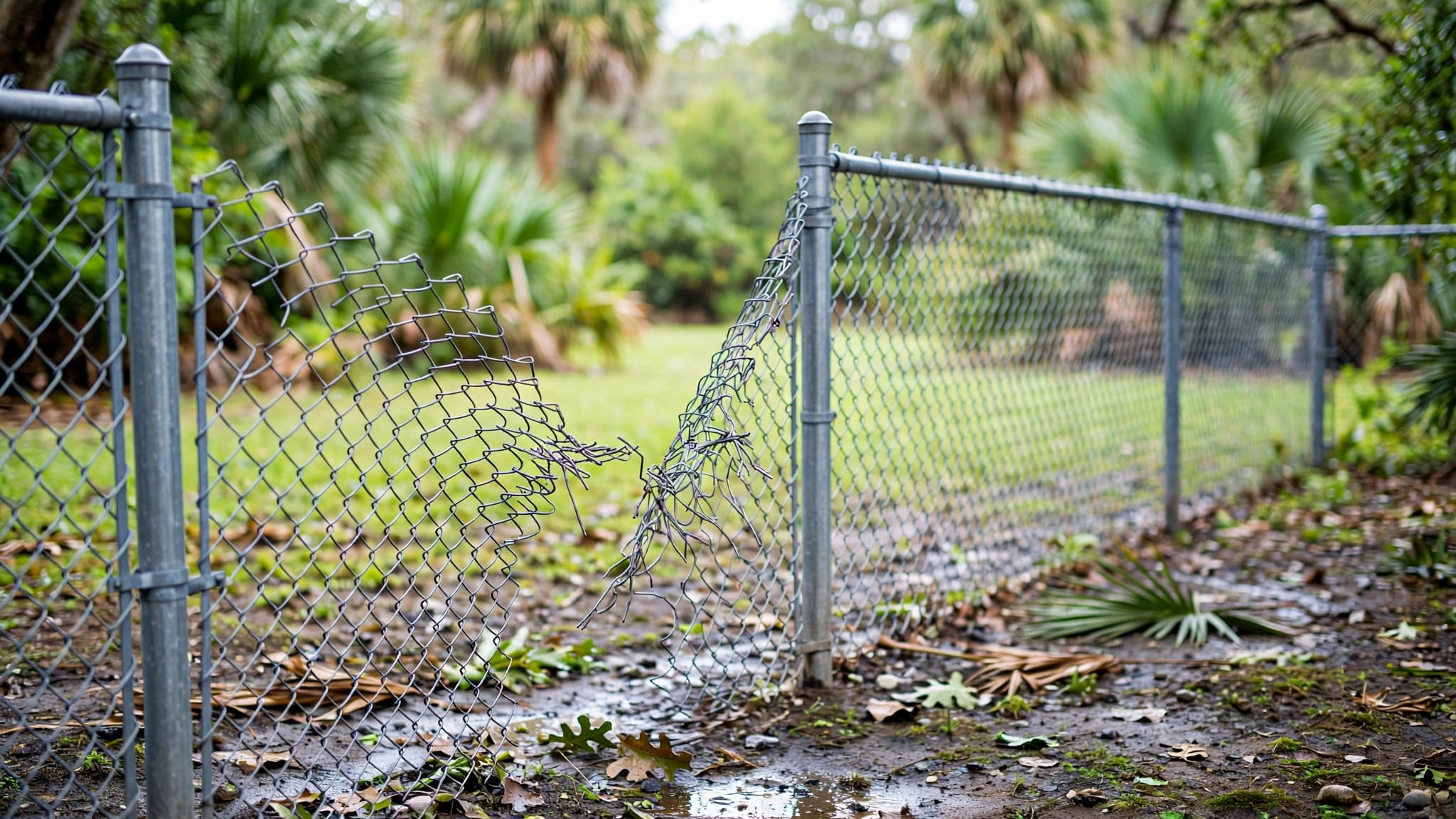
Walk the perimeter and look for loose panels, leaning posts, openings under the fence, and spaces where sections meet. Pay close attention to gates and corners. A gate that looks closed may still leave a gap near the latch or ground.
Also look beyond the fence itself. A tree limb, shed roof, air-conditioning platform, or stacked outdoor item can give a cat a higher launch point. Trimming a route or moving an object may be as important as adding material to the fence.
Look for more than climbing
Cats may take different routes on different days. Some climb, some jump, and others slip through openings or dig under a weak section. A topper addresses only the upper edge, so it won't solve a ground-level gap or a gate that doesn't close fully.
Our article on fence options for dogs that climb covers climbing-related fence choices, but dogs and cats don't behave the same way. Use the cat's observed route to guide the plan.
Cat-Proof Fence Add-Ons for Different Fence Styles
The add-on needs to attach securely to the fence you already have. Before choosing one, consider the fence's height, material, condition, and exposure to wind. A lightweight topper attached to weak or damaged panels won't make the boundary dependable.
Inward-angled extensions
An inward-angled extension changes the shape of the fence's top edge. It may make climbing over more difficult, but its usefulness depends on the cat's behavior and the space around the fence. A nearby tree or roof can offer a route around the modified section.
The extension also needs solid attachment points. A contractor can assess whether the existing posts and rails can support an added section or need repair first. Avoid sharp edges and exposed fasteners where a cat could make contact.
Rollers and flexible barriers
Rollers mounted along a fence top are designed to interfere with a grip at the edge. Their effect depends on placement, fit, the cat's approach, and the surface below. They don't close gaps elsewhere or keep a cat from using an adjacent structure.
Flexible mesh or similar barriers can extend a boundary where the fence design allows a secure attachment. Choose a layout that stays taut and has no loose loops or exposed wire ends. Any opening at the top, sides, or bottom can undermine the installation.
Match the attachment to the fence material
Chain link offers an open framework for attaching compatible components, but fittings still need to stay tight and resist corrosion. Coastal air, moisture, and repeated rain can contribute to rust, loose hardware, or sagging, so chain-link fence lifespan in Southwest Florida is worth considering when planning a longer-term upgrade.
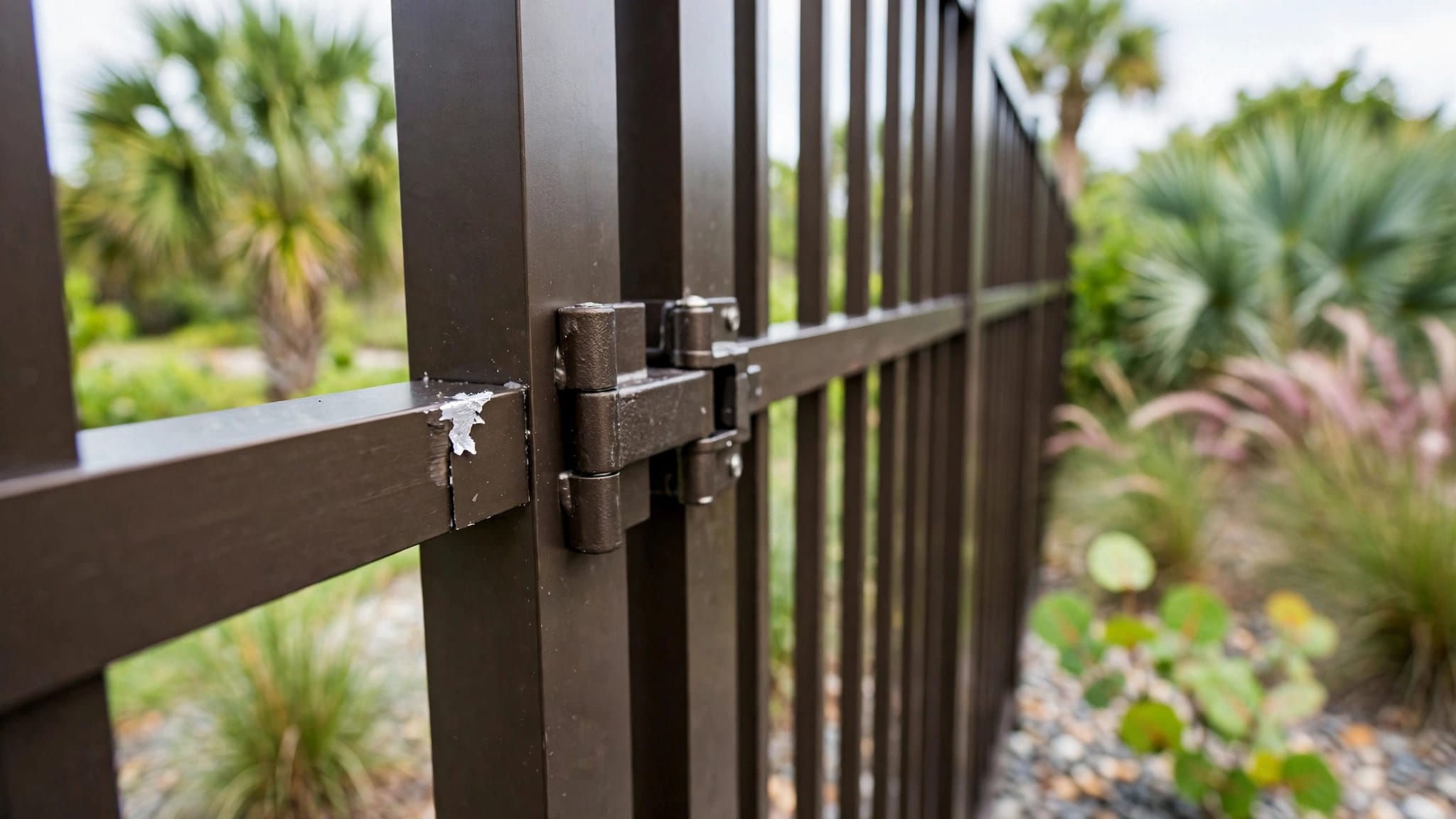
Vinyl and aluminum require different attachment methods. Don't assume that drilling, clamping, or fastening in the same way will suit every system. A fence contractor can inspect the structure and recommend an installation that doesn't compromise the panels or posts.
Close Gaps at Gates and Along the Ground
A cat may never use the fence top if a more direct exit is available. Gates and the fence line at ground level deserve as much attention as any topper.
Make the gate part of the plan
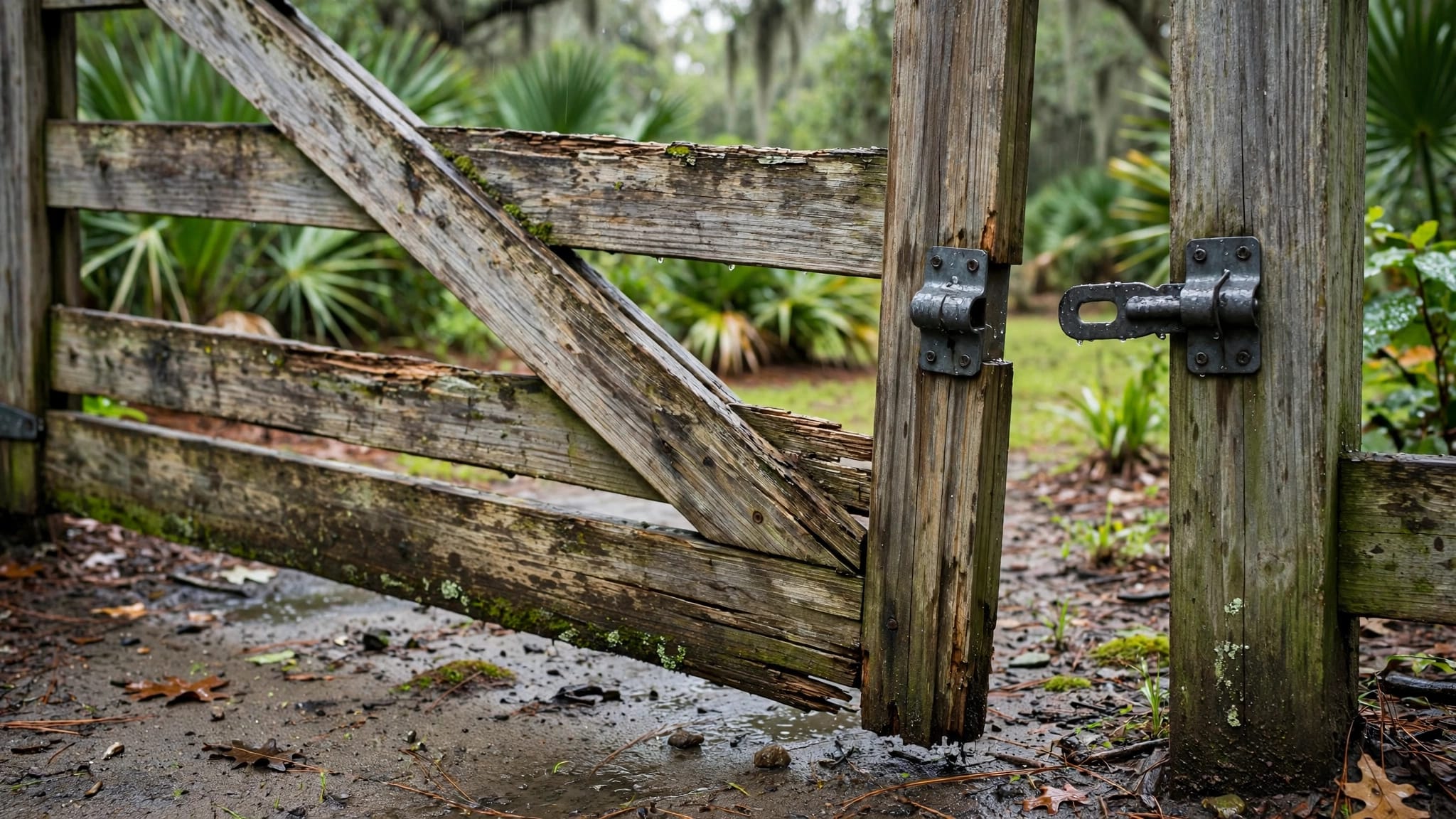
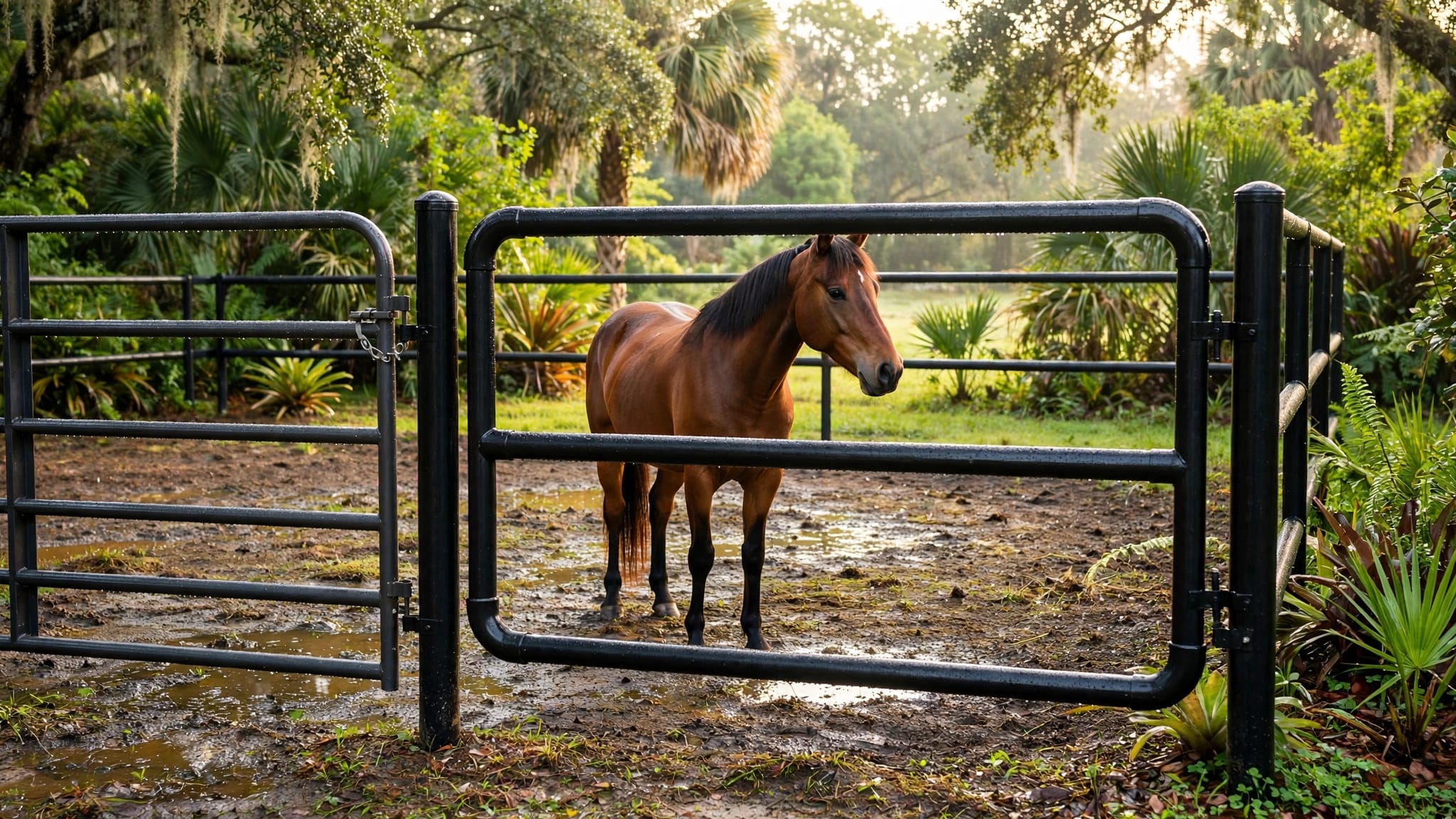
Check that the gate closes fully and that the latch holds. Look for gaps around the sides and below the gate, especially where the ground slopes or the gate has shifted. A simple improvement to the closure or gap may do more than adding height to a sound fence.
Keep the gate area clear of objects that could help a cat climb. If a gate needs repair, address the hinge, latch, frame, or post rather than attaching a barrier to a gate that already moves or sags.
Address openings at the base
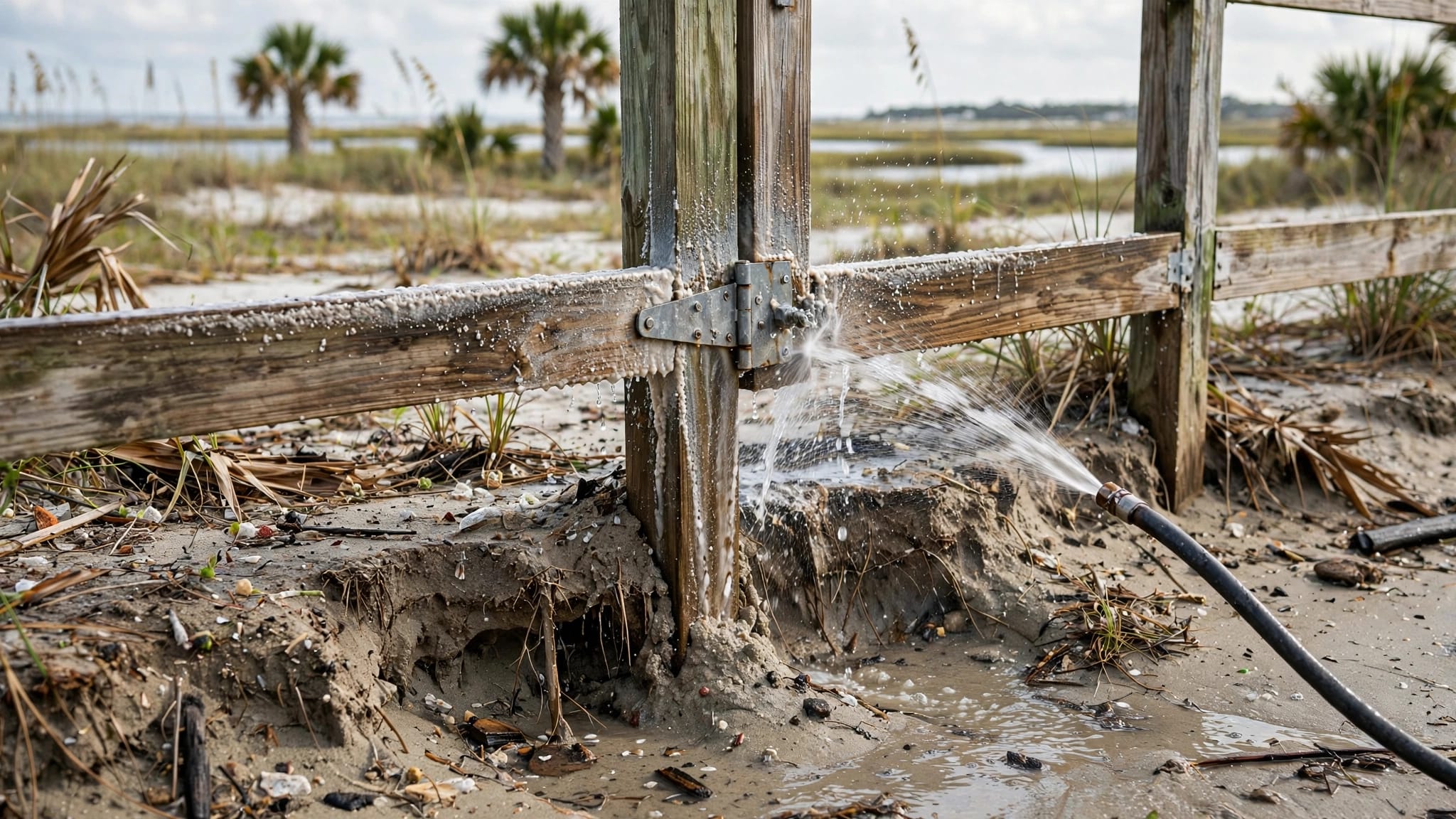
Walk the entire fence line after heavy rain, when softened or displaced soil may reveal openings. Pay particular attention to low spots and areas where water flows through the yard. Any barrier at ground level should stay secure without interfering with drainage.
Avoid leaving loose mesh, exposed wire, or sharp materials where a cat might snag a paw. If the bottom of the fence is damaged or unstable, repair that section before adding a new layer.
Plan for Heat, Humidity, Rain, and Storms
In Southwest Florida, an add-on has to withstand more than daily use. Sun can age exposed materials, humidity and rain can stress hardware, and strong gusts can loosen weak attachments. Salt air adds corrosion concerns, particularly near the coast.
Consider wind exposure
A solid extension can catch more wind than an open design. That extra force can stress posts, rails, fasteners, and the fence itself. Before adding height or a panel, consider the whole structure and how exposed the yard is.
After severe weather, wait until conditions are safe before inspecting the fence. Look for leaning posts, loose panels, shifted gates, and rattling sections. These Southwest Florida fence panel repair tips can help you recognize storm-related problems.
Choose hardware for local conditions
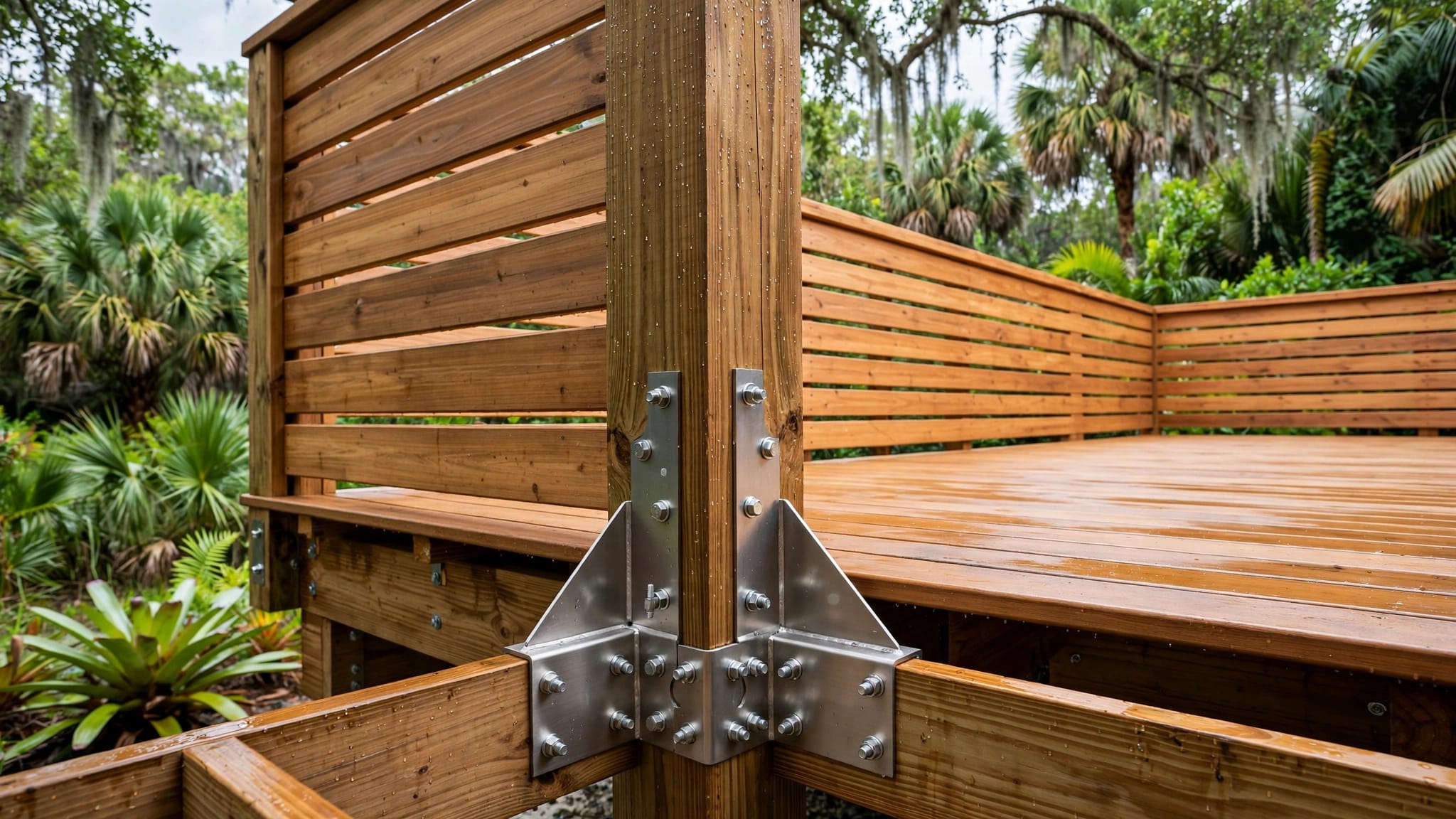
Outdoor fasteners and brackets face repeated exposure to wet conditions and sun. Corrosion-resistant hardware is a practical choice, especially near the coast or where sprinklers regularly wet the fence. Avoid assuming a component will last simply because it fits on installation day.
Drainage matters, too. Heavy rain can saturate soil around posts, while debris may collect where the fence meets the ground. Keep the fence line accessible enough to inspect and clear after a storm.
Start With the Fence You Have
The right upgrade depends on the fence's material and condition. A sound fence may need a targeted modification. A deteriorating fence may need repair or replacement before any add-on can attach safely.
Compare material and maintenance needs
Vinyl resists rot, warping, and pests, and solid-panel styles are available. However, the grade, installation, sun exposure, salt, rain, and storms all affect how vinyl performs over time. Review vinyl fence installation in Cape Coral and vinyl fence lifespan in Southwest Florida when comparing this material.
Aluminum is designed for Florida's coastal conditions and keeps sightlines open. It may suit a yard where visibility matters, although its open design can leave spaces that require careful planning. Learn more about aluminum fence installation in Cape Coral.
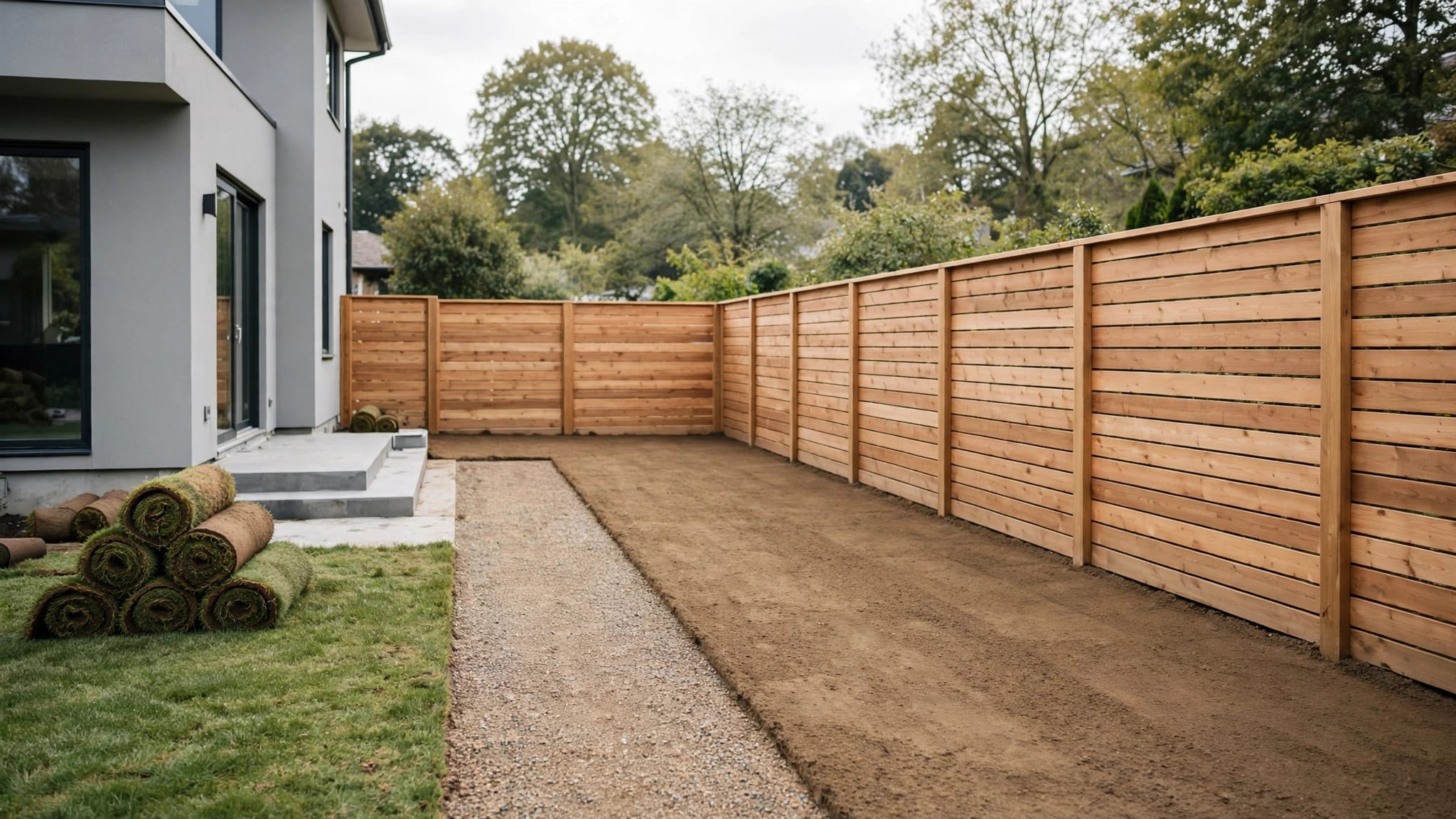
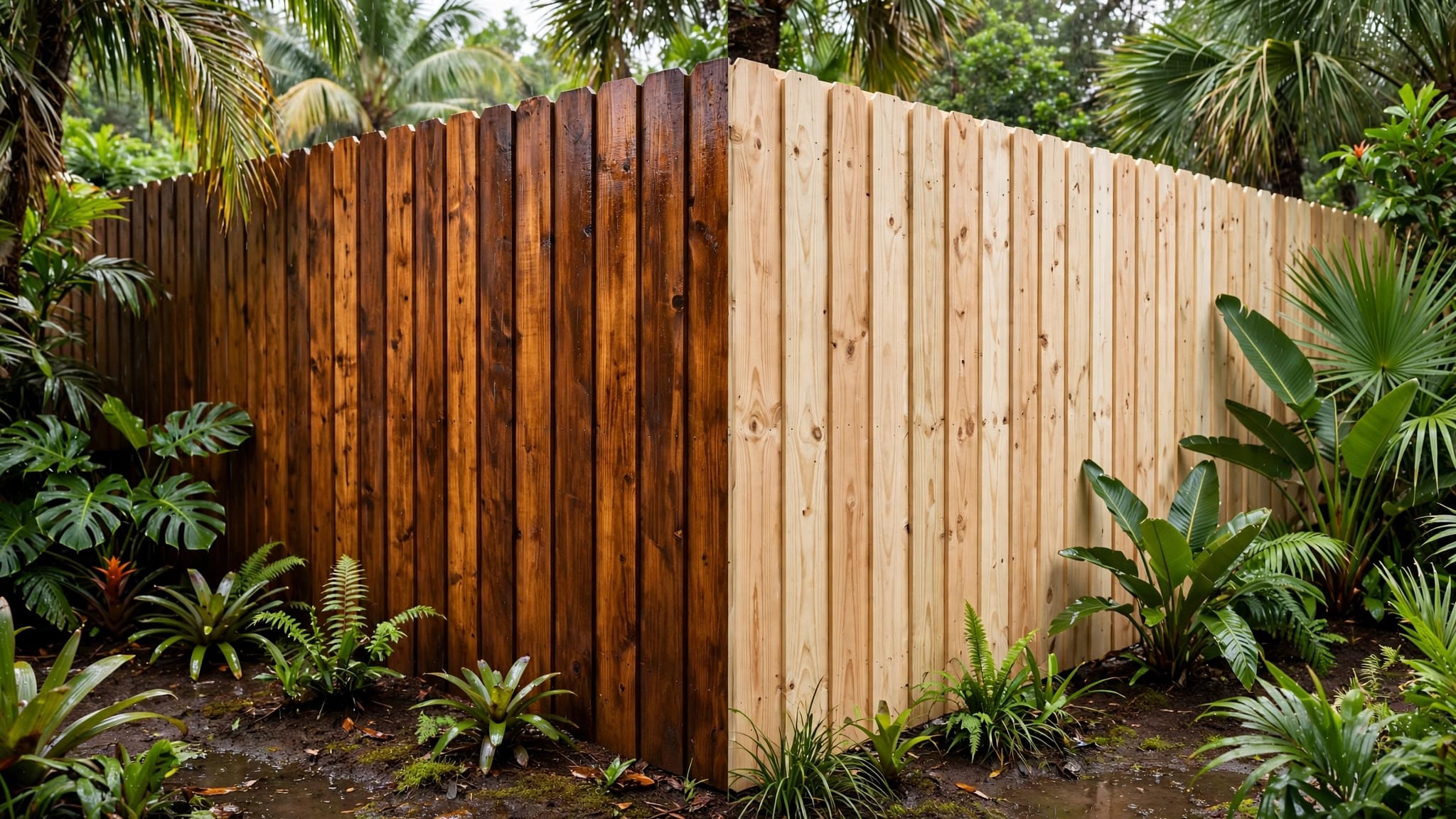
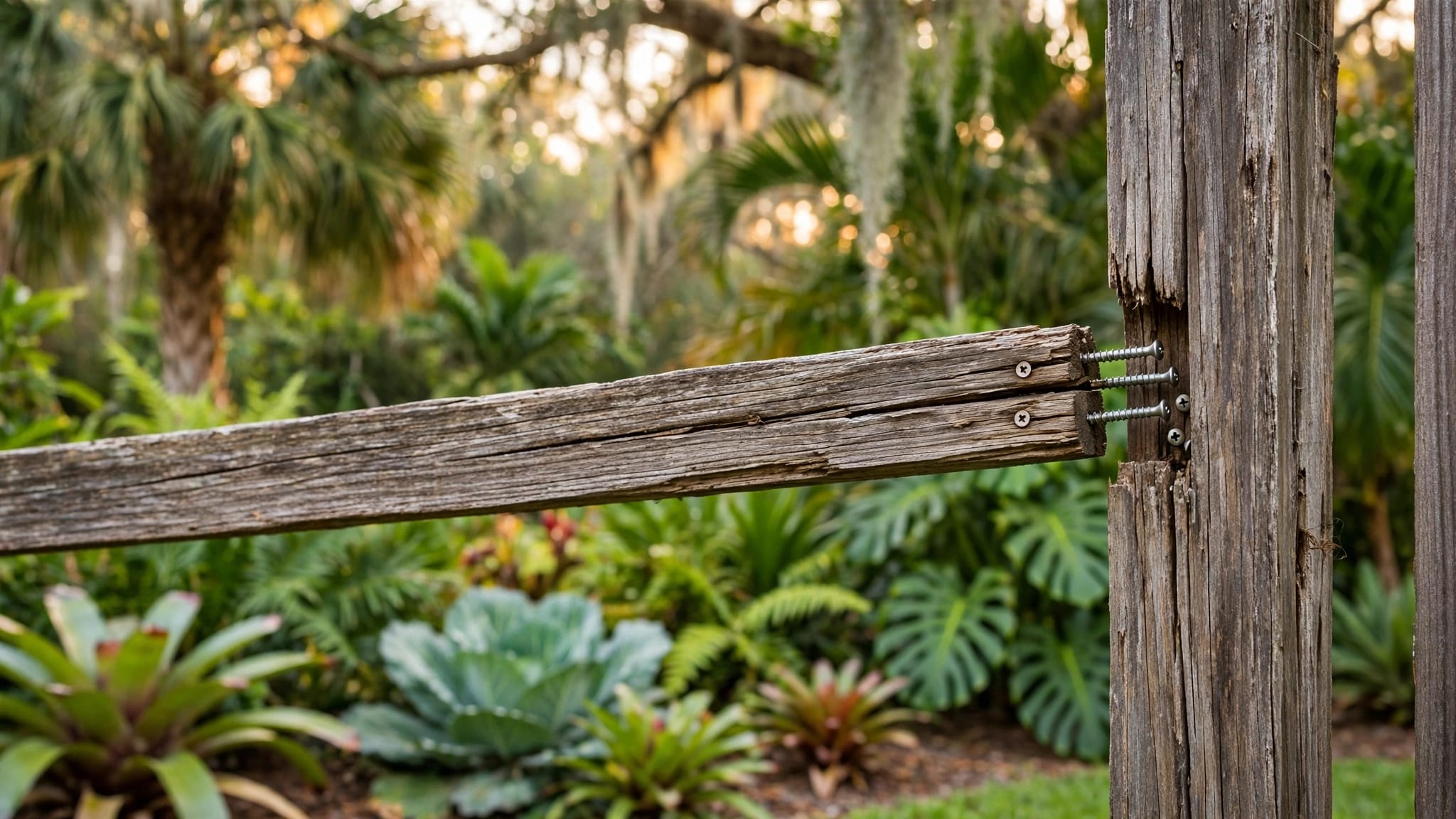
Wood can offer privacy, but moisture and termites can make upkeep more demanding. Inspect posts and boards for soft spots, looseness, or damage before attaching anything.
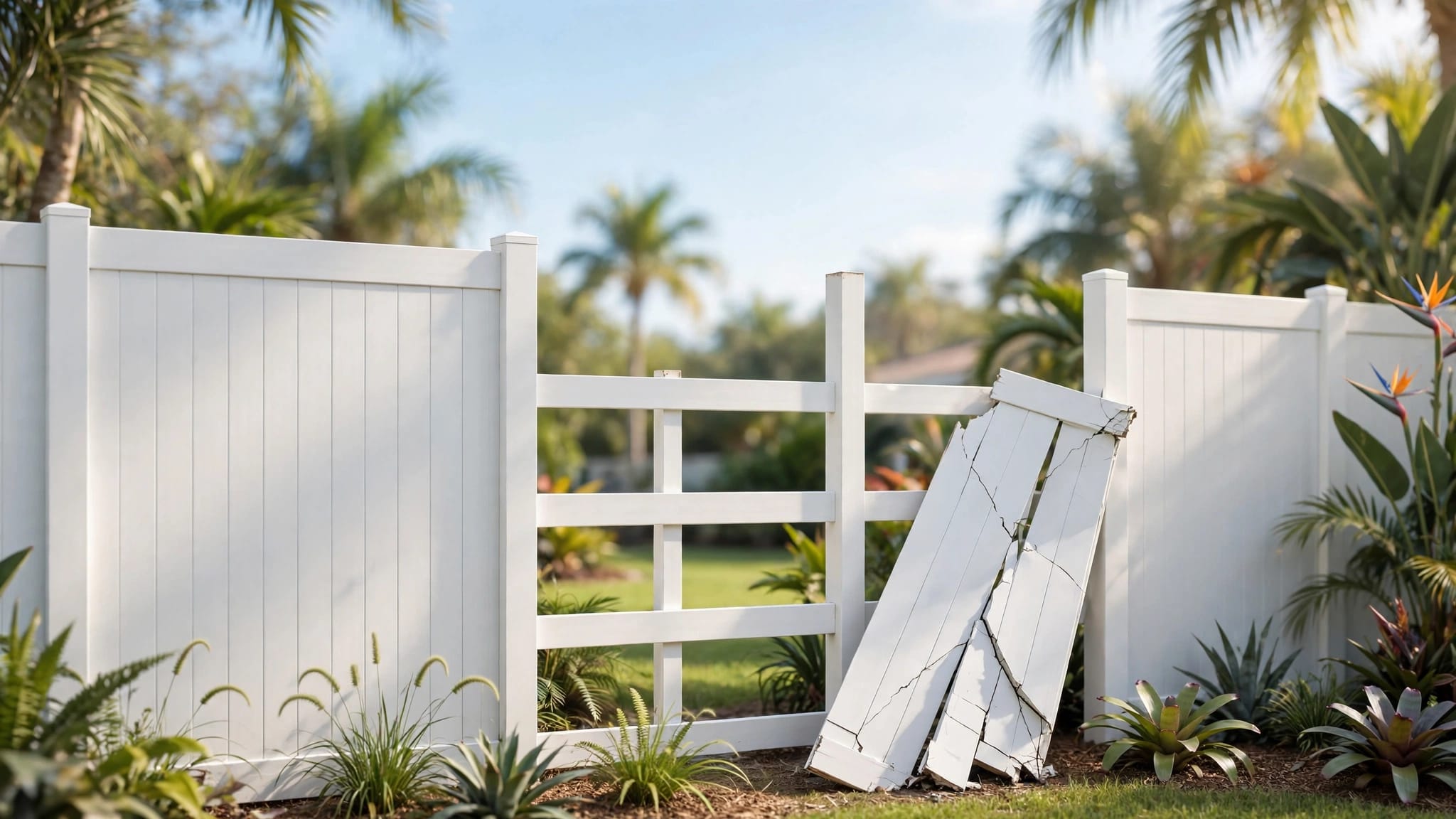
Repair weak sections first
A topper can't compensate for a leaning post or a loose panel. Have damaged sections repaired before adding weight or wind exposure to them. The same applies to rusted fittings, warped rails, and gates that don't stay aligned.
At Supreme Fence of SWFL, we install and repair fences across Southwest Florida. We can assess the existing fence and discuss whether repair, a compatible modification, or a replacement makes sense for the yard.
Maintain the Add-On After Installation
A fence modification needs periodic attention, particularly after a storm or a stretch of heavy rain. Check the fasteners, joints, gate operation, and ground line. Look for sagging mesh, loose brackets, corrosion, sharp edges, and openings that have appeared since installation.
Keep plants trimmed back from the fence where they create a climbing route or conceal damage. Clear leaves and debris from low areas, but don't block natural drainage. If a section shifts or rattles, address it before it creates a larger opening.
Outdoor access should remain supervised while you assess the change. Cats differ in their climbing and jumping habits, so observe whether your cat continues to approach the same section or finds another route. Adjust the overall yard setup rather than assuming one product will resolve every escape risk.
Frequently Asked Questions
Do fence toppers guarantee that a cat can't escape?
No topper can guarantee containment for every cat and yard. Results depend on the animal, fence layout, nearby structures, installation, and openings elsewhere along the boundary. Treat an add-on as one part of a broader plan.
Can I attach an add-on to any existing fence?
Not necessarily. Fence material, condition, post strength, and wind exposure affect what can attach safely. Repair weak sections first, then select hardware and an installation method suited to that fence.
Which fence material is easiest to maintain in this climate?
Vinyl and aluminum avoid some issues associated with wood, including rot and termite damage. Each material still needs inspection and suitable installation. Sun, salt, rain, and storm exposure affect performance.
Should I make changes before storm season?
Plan structural changes with wind and rain in mind, and don't add a solid or raised section without considering the fence's support. After a storm, wait for safe conditions before inspecting for damage.
Choose an Add-On That Fits the Whole Yard
The most useful cat-proof fence add-ons address a specific route while working with the fence's condition, material, and surroundings. Check gates, ground-level gaps, and nearby climbing surfaces before focusing on the top edge.
In Southwest Florida, durability matters alongside containment. A secure attachment, corrosion-resistant hardware, sound posts, and a clear inspection routine help the fence stand up to local weather and daily use.