Do You Need a Permit for a Fence Gate in Florida?
A fence gate permit in Florida sounds straightforward until local rules enter the picture. In many cases, the answer is yes, especially when the gate is part of a new fence, a pool barrier, or a driveway entrance.
The exact rule depends on your city or county, the fence height, where the gate sits on the lot, and whether you are changing an existing structure. This is general informational content, not legal advice, and your local building department has the final say.
What a fence gate permit usually covers
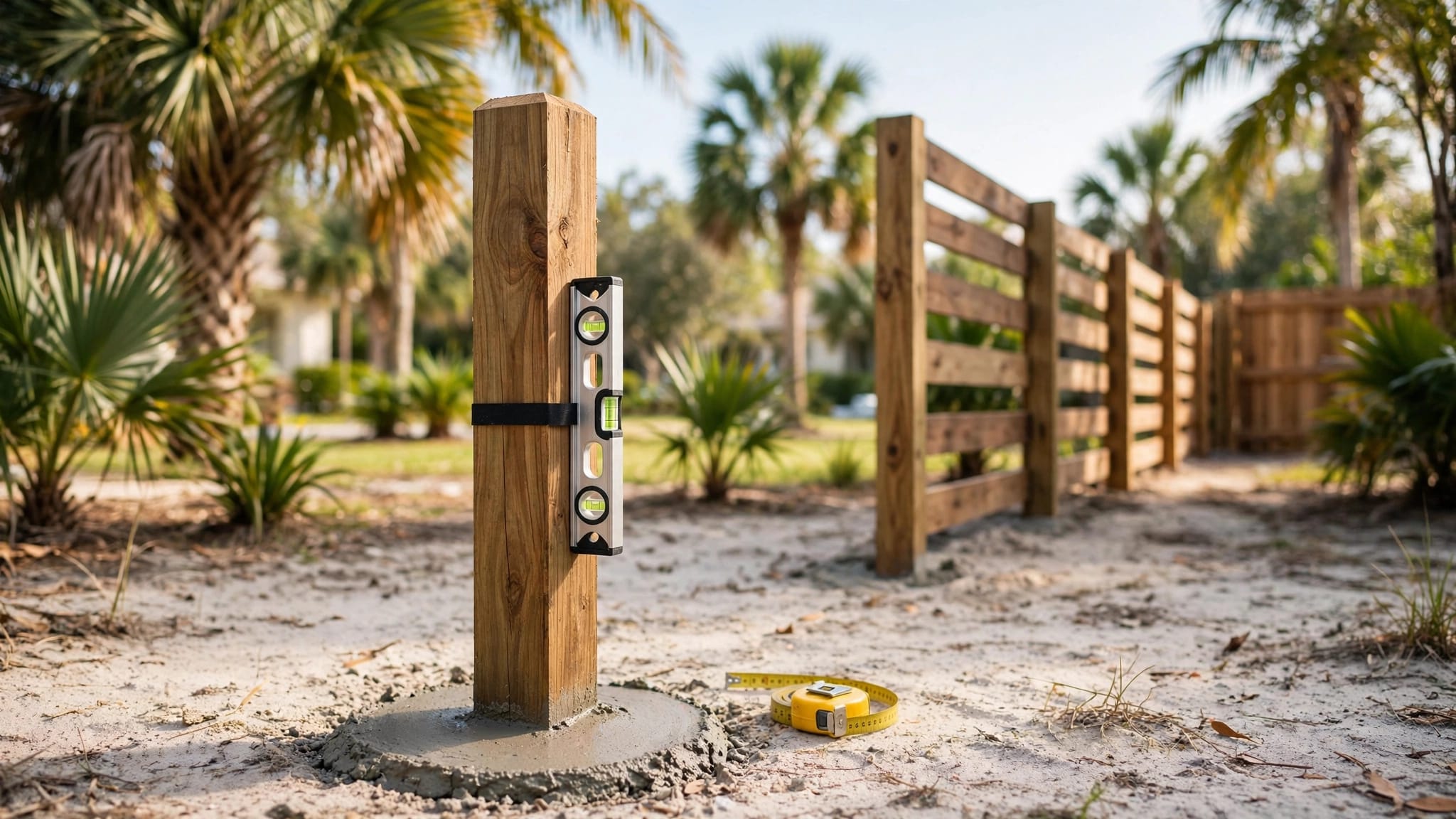
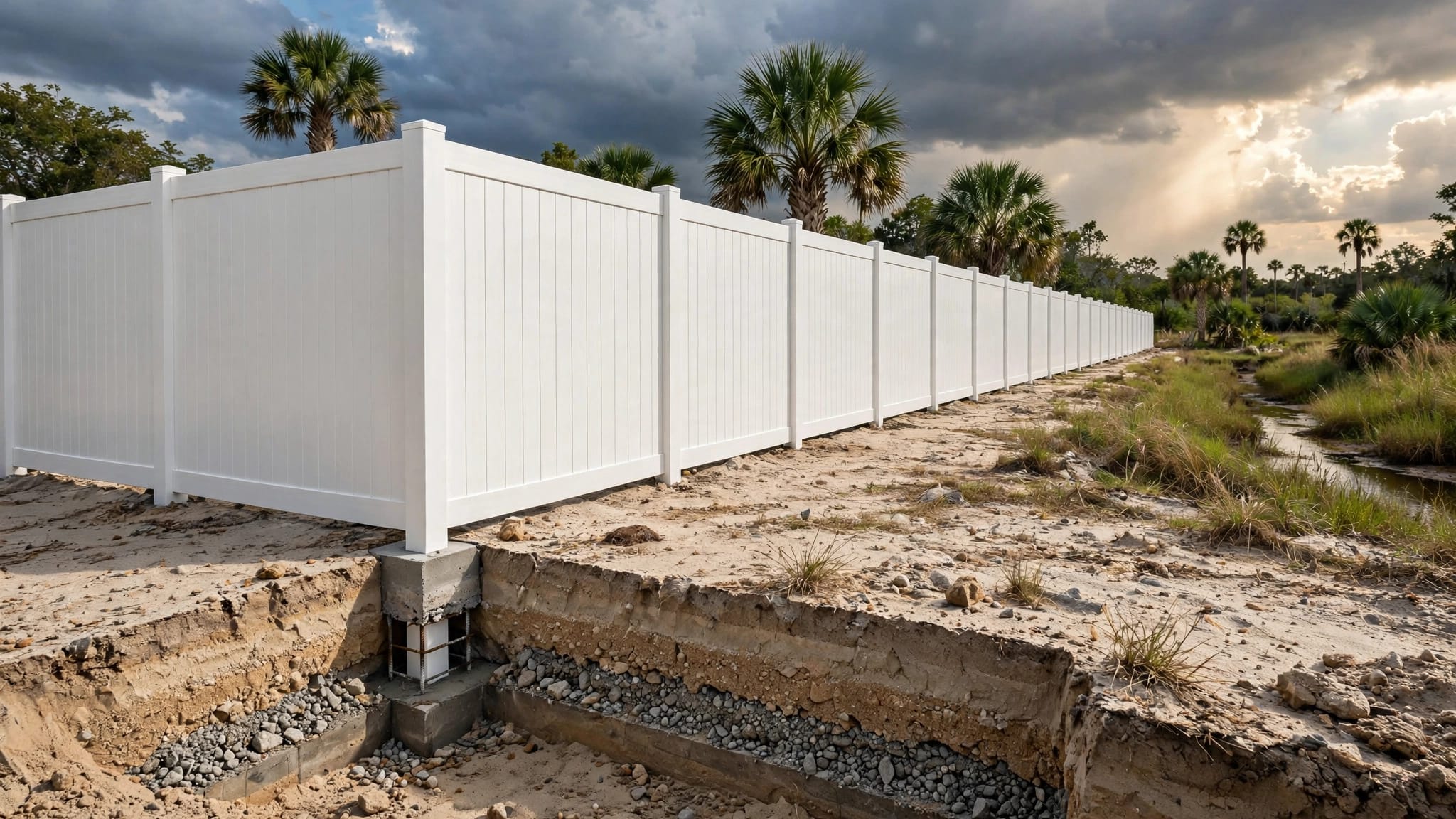
Most permit offices treat the gate as part of the whole fence project. That means the review can cover the fence line, post layout, opening width, hardware, and the gate's location on the property.
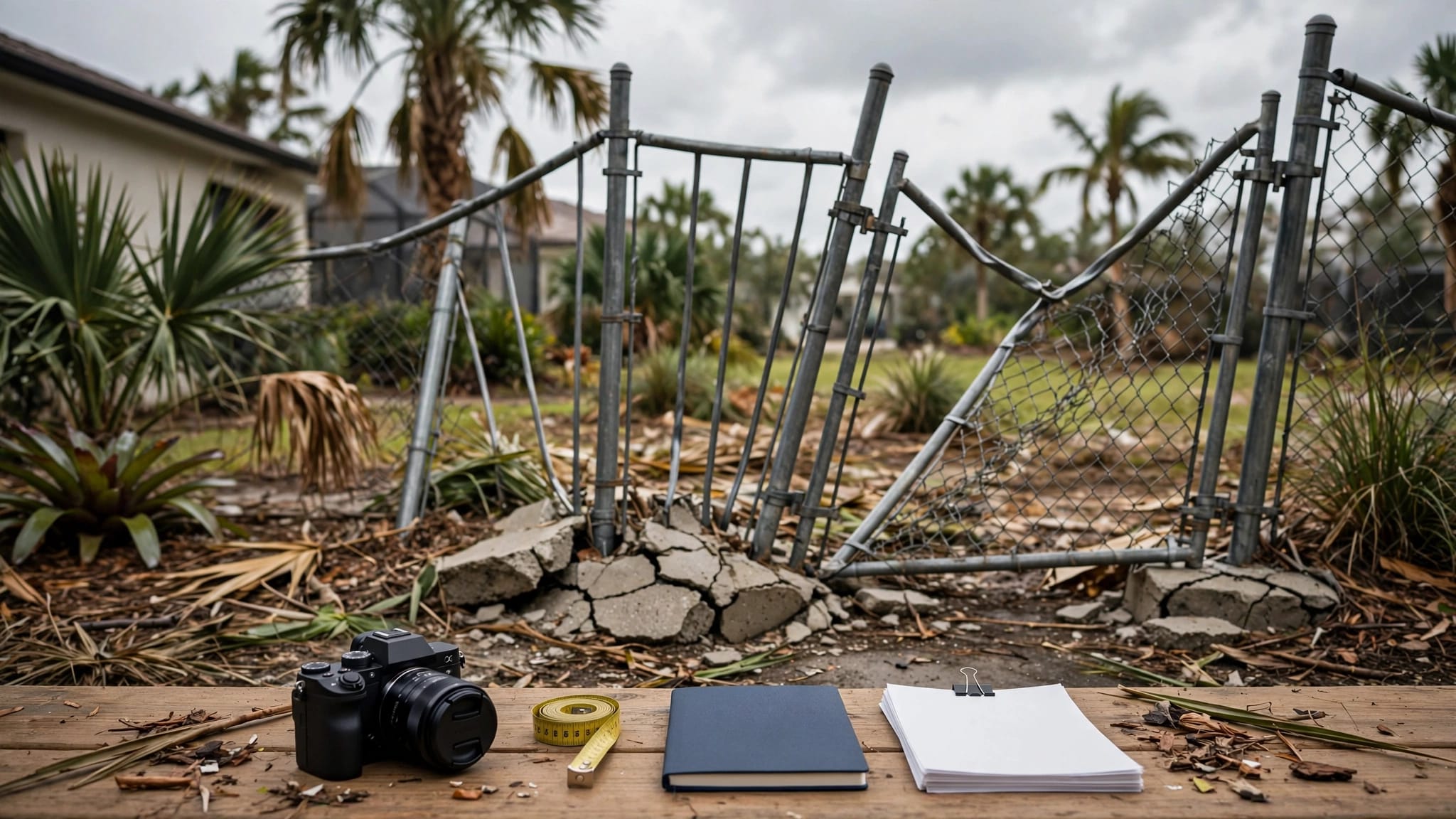
If the work changes the structure, it may no longer count as simple maintenance. A new gate, a taller gate, a moved gate, or a gate tied to a new fence often gets more attention than a like-for-like replacement.
| Project type | Likely permit review | Why it matters |
|---|---|---|
| New fence with a gate | Usually yes | The gate is part of the full fence plan |
| Same-size replacement gate | Sometimes | Local rules may treat it as maintenance |
| Gate moved to a new spot | Often yes | The layout and property line can change |
| Driveway or powered gate | Often yes | Access, safety, and electrical rules may apply |
| Pool barrier gate | Almost always | Safety hardware and code rules usually apply |
When the gate changes access, safety, or the property layout, expect more review.
Why local rules matter more than a statewide guess
Florida does not work like one giant permit office. A fence gate in one county can follow a different process from a gate a few miles away.
In Collier County, the local fence permit requirements show how detailed a simple-looking project can become. Sarasota County has its own fence and gate permit process, and the paperwork can ask for gate locations, plans, and other project details.
That's why the question is rarely just "Do I need a permit?" A better question is, "What does my local building department want for this exact lot?" Fence height, lot lines, easements, and corner visibility can all change the answer.
A project that looks ordinary on paper can still need extra review once the local code is checked.
If you live in a city with its own building office, that office may add steps beyond county rules. So before you buy materials, confirm the permit path for your address.
Pool gates, driveway gates, and powered gates need extra care
Some gate projects almost always deserve a closer look. Pool barriers are the clearest example. They often have rules for self-closing hardware, self-latching hardware, and latch placement.
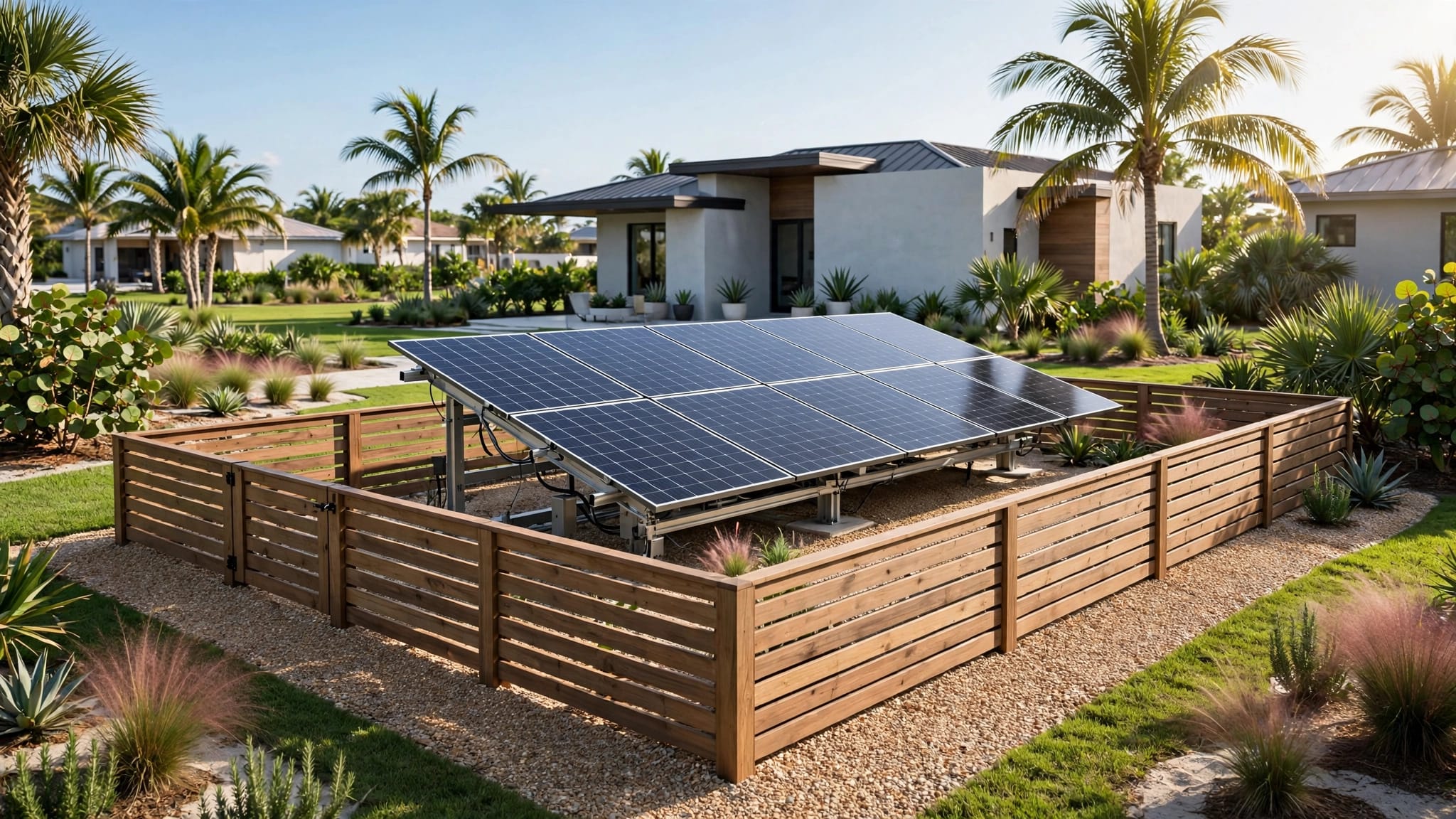
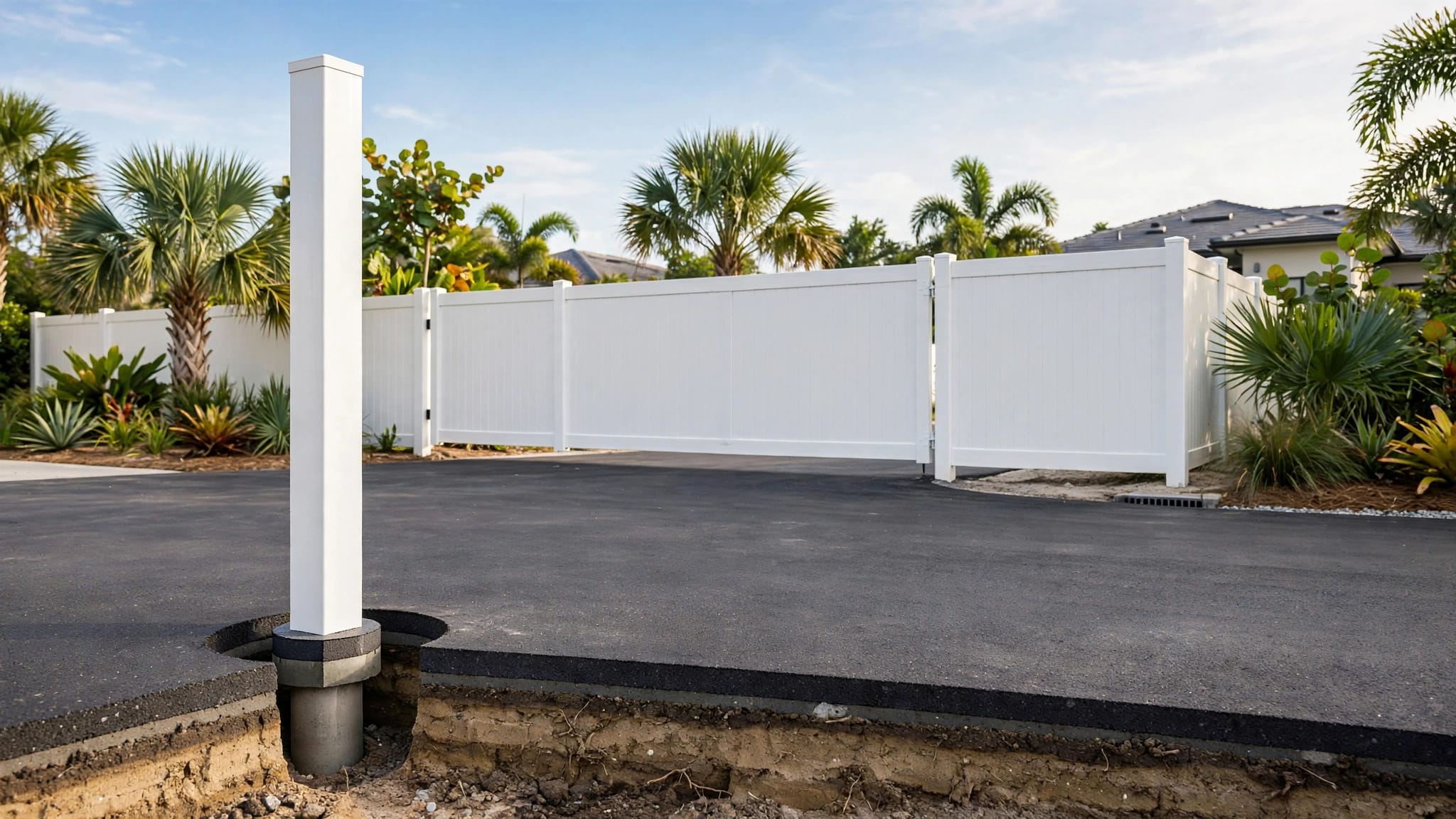
Driveway gates can also trigger extra review because they control vehicle access. If the gate swings across a driveway, sidewalk, or public-facing edge, the building department may care about clearance and safety. Powered gates can add another layer because of motors, wiring, and control systems.
A few signs tell you the project needs more than a basic fence permit:
- The gate is part of a pool enclosure.
- The gate is automatic or powered.
- The gate is for vehicle access.
- The gate sits near a property line, easement, or right-of-way.
- The gate changes the fence height or layout.
The more the gate affects safety or access, the more likely it is to need permit review.
When a gate replacement counts as more than repair
A small repair is one thing. A real change is another.
If you replace broken hinges or a latch, the job may stay simple. If you rebuild the gate, move the posts, widen the opening, or switch materials, the work can cross into permit territory. That matters because local offices often look at the scope of the whole project, not just the broken part.
If your project starts as a repair but grows into a larger fix, this Florida fence repair permit guide explains when the work may need approval. That is especially useful when the gate is tied to a longer fence line.
Before work begins, ask yourself three things. Is the gate staying in the same spot? Is the height staying the same? Is the fence structure changing around it? If the answer to any of those is yes, check with the local building department first.
What to check before you start
A few quick checks can save you time and rework.
- Call the local building department and ask whether the gate needs its own permit or falls under the fence permit.
- Confirm the fence height, gate location, and setback rules for your lot.
- Ask whether pool safety rules apply, if the gate is part of an enclosure.
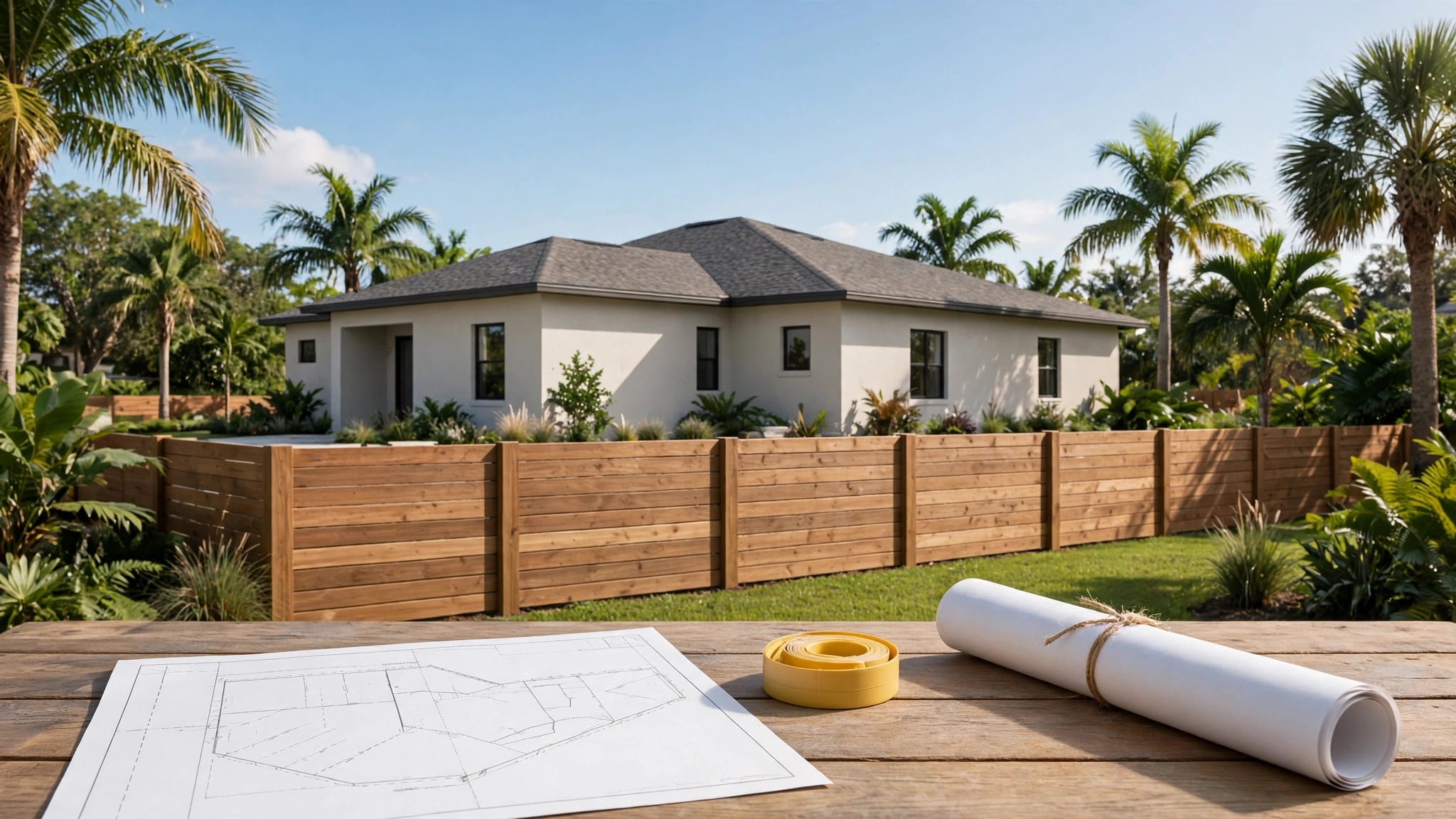
- Find out if a survey, site plan, or contractor information is required.
- If the gate is powered, ask whether electrical or mechanical permits are also needed.
A clean plan moves faster than a rushed one. That matters even more when the fence sits near a pool, driveway, or property edge.
Conclusion
Most Florida gate projects are not answered by one simple statewide rule. The real answer depends on your city or county, the gate's location, the fence height, and whether the work is new construction or a structural change.
If the gate affects safety, access, or a pool barrier, expect extra review. When the details are clear before installation starts, the project is easier to approve and easier to finish.
The safest move is simple, check local code before the first post goes in.