Fence Permit Revisions in Florida When Plans Change Mid-Project
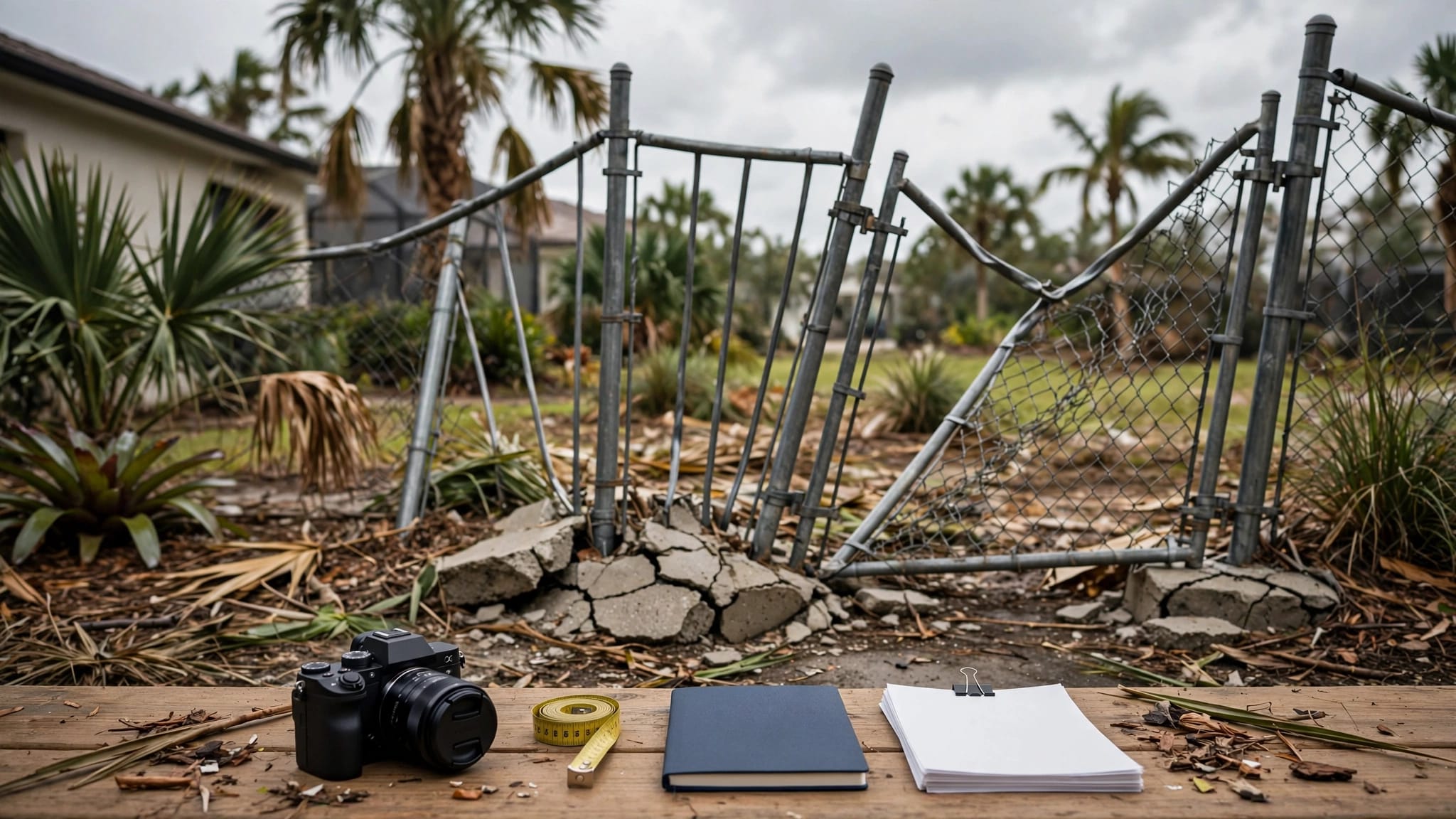
A fence project can change faster than the paperwork. One gate moves, the height changes, or the layout shifts to clear a root ball, and the approved permit no longer matches the work on site.
That mismatch matters in Florida. Fence permit revisions are not just a formality, because your city or county may want updated plans before the crew keeps going. The rules also vary by local building department, so what works in one place may not work a few miles away.
When a Fence Change Turns Into a Permit Revision
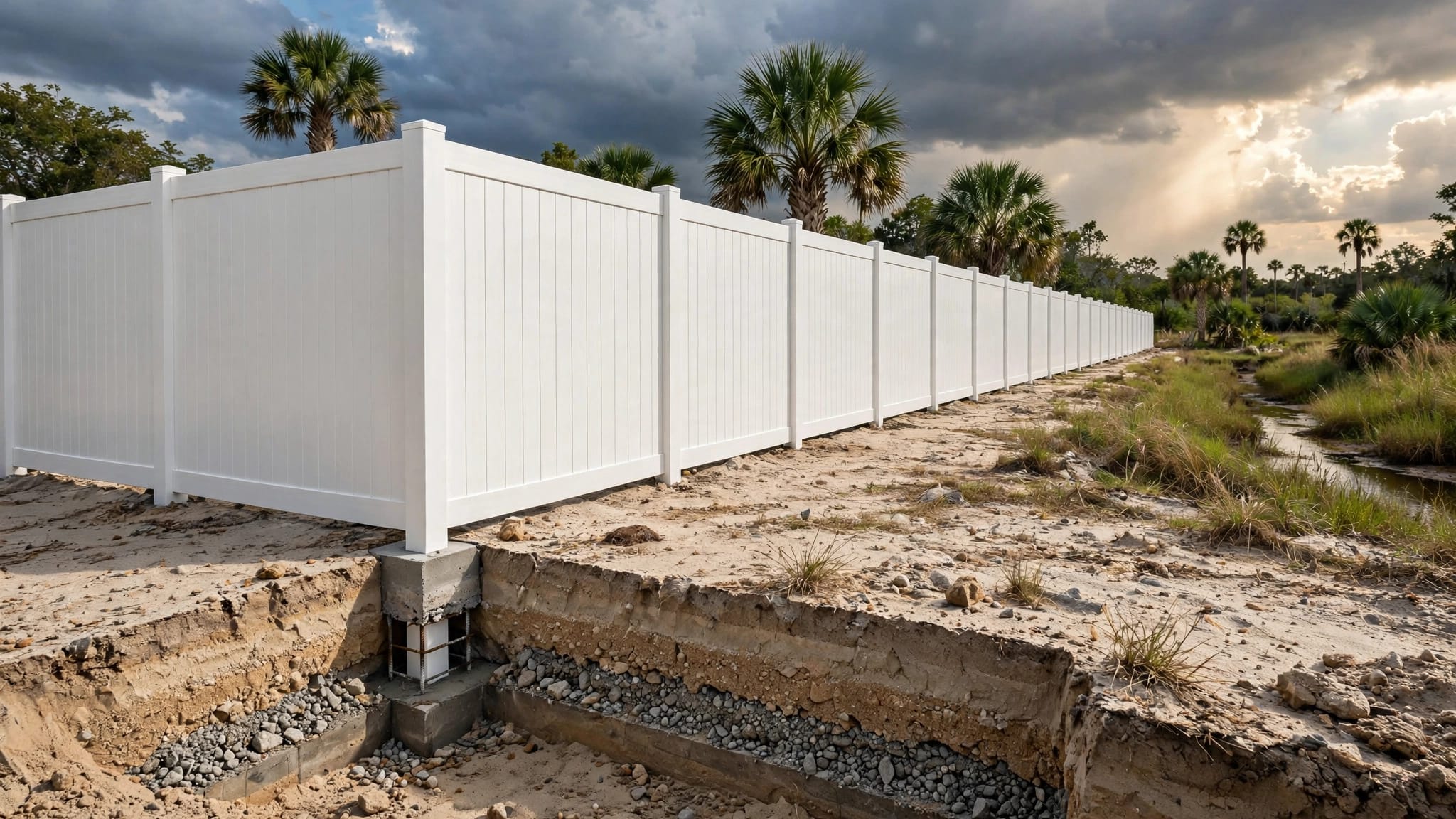
A permit revision usually starts when the fence in the yard no longer matches the fence on the approved drawings. That can happen with a simple change, like switching from wood to vinyl, or with a larger one, like moving the fence line closer to a setback.
Height changes are a common trigger. A fence that was approved at six feet but gets bumped higher during the build may need a revised permit, especially if the new height affects visibility, pool safety, or local code limits.
Layout changes can matter just as much. If the line shifts to avoid a drain, tree, easement, or utility mark, the building office may want a new site plan. The same goes for a gate that moves to a different side of the yard or a new section that was never shown on the original plans.
Here is a simple way to think about it. If the change affects height, material, placement, gate location, or property line setbacks , assume the permit may need to be updated.
| Change made during the project | Why it may matter | Typical next step |
|---|---|---|
| Fence height changes | May affect code limits and visibility | Submit a revised permit plan |
| Material changes | May affect product approval or wind details | Update the permit documents |
| Fence line moves | May affect setbacks, easements, or surveys | Provide a new site plan |
| Gate location shifts | May affect access and layout | Revise the approved drawings |
| Extra sections are added | The built fence no longer matches the permit | Request an amended permit |
If the work started as a repair, the line between repair and alteration can get blurry fast. A helpful place to sort that out is Florida fence repair permit rules, because small changes can turn into permit issues when the scope grows.
If the fence on paper no longer matches the fence in the yard, the permit usually has to catch up before the project does.
What Local Building Departments Usually Want to See
Every city and county sets its own process, so the exact paperwork can change. Some offices call it a permit revision, others call it an amendment, a correction, or a re-submittal.
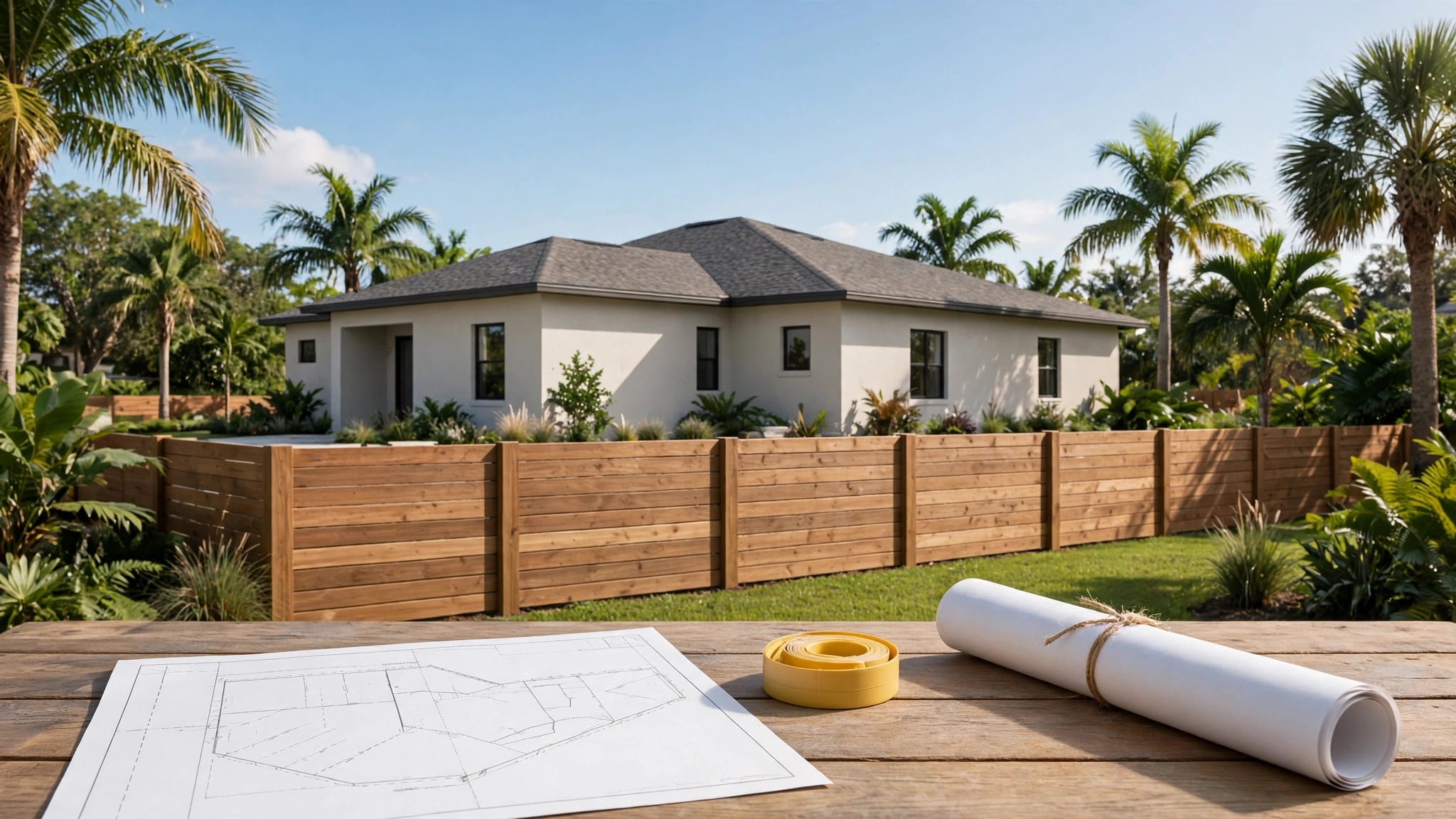
Most building departments want to see the updated facts in writing. That often means a revised site plan, a new product sheet, or a corrected sketch that shows where the fence will sit after the change. If the fence line moved, a survey may help, and sometimes it's required.
A property owner should also expect questions about inspections. If the inspector arrives and sees something that does not match the approved permit, the job can fail until the papers are fixed. That delay can be small, or it can stall the whole project.
Local offices may also ask whether the property is in a HOA, a flood zone, or a pool enclosure area. Those details matter because HOA approval does not replace a city or county permit, and a fence around a pool often has separate safety rules.
If your project is scheduled after July 1, 2026, a new Florida rule may affect some smaller residential fence jobs that cost $7,500 or less. Even then, local height limits, setbacks, HOA rules, and pool or flood-zone requirements can still apply. In other words, the state rule does not give you a free pass to ignore the local office.
A quick phone call can save time here. Your city or county can tell you whether the change needs a revised permit package or a fresh application.
Why Stopping Work Early Saves Time and Money
The biggest mistake is to keep building and hope the change goes unnoticed. That gamble can lead to a stop-work order , which means the project freezes until the issue gets cleared up.
Once that happens, the half-finished fence can sit there longer than you planned. Posts may already be set, panels may already be hung, and the crew may have to come back later to tear out work that no longer fits the permit.
Fines can follow, too. Some building departments charge daily penalties when a violation stays open. On top of that, if the finished fence does not match the approved plan, the owner may be told to move it, alter it, or remove it.
A fence that looks fine from the street can still fail on paper. That gap is where most problems start.
| If you keep building | What can happen |
|---|---|
| The fence no longer matches the permit | Inspection may fail |
| The line moves into a setback issue | Revision or removal may be required |
| The height changes mid-job | The building department may stop the work |
| The project finishes without approval | Retroactive fees and extra inspections may follow |
A clean revision is usually cheaper than a correction after the fact. It also keeps neighbors from asking questions when a fence suddenly appears in the wrong place or at the wrong height.
How to Handle a Fence Plan Change the Right Way
A project change does not have to turn into a headache. It just needs a clear response before the work moves any farther.
- Stop the work right away.
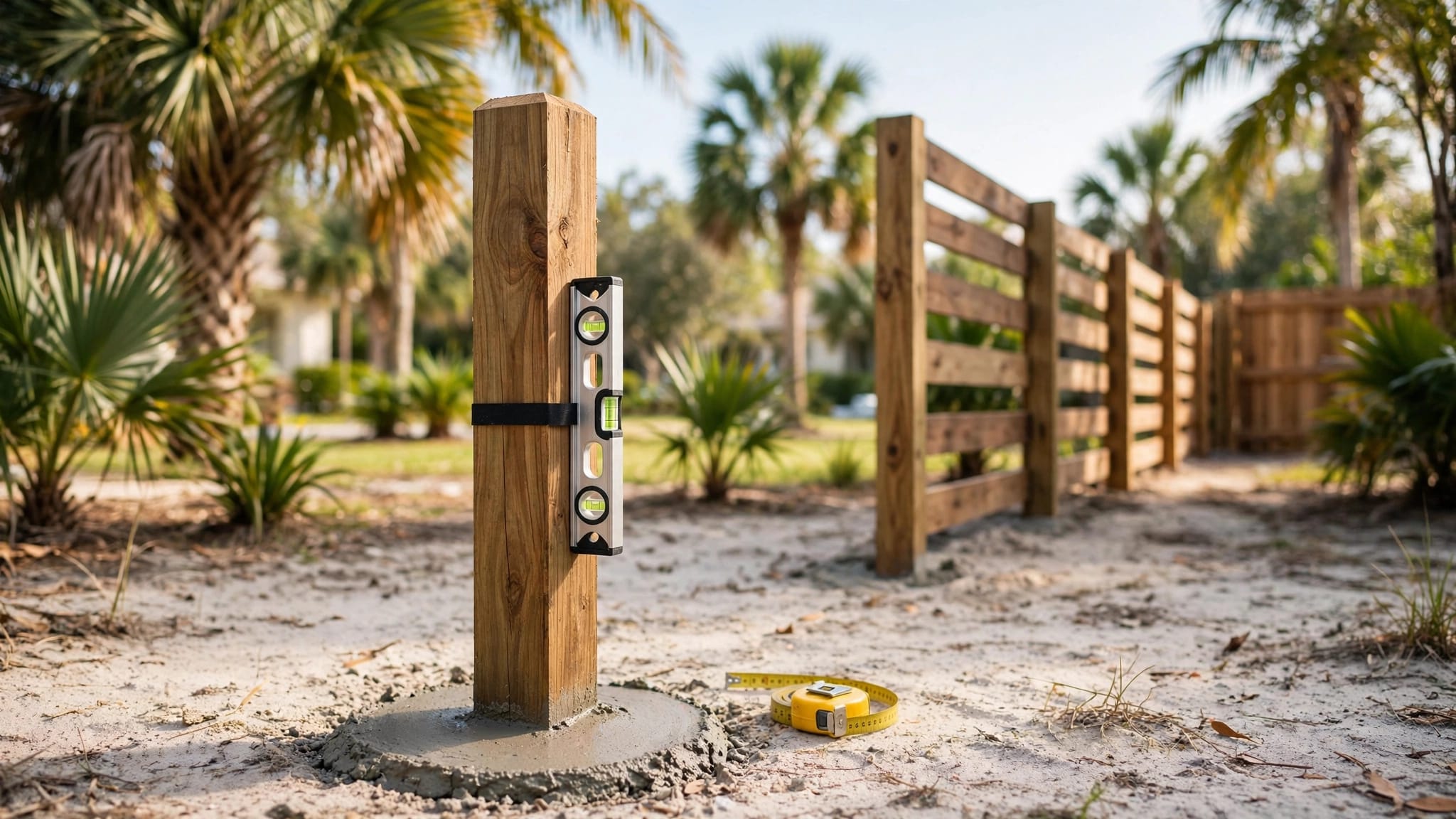
Don't add panels, pour more concrete, or move another post until the plan is clear. - Compare the job site to the approved permit.
Look at the height, fence line, gate spots, and any added sections. Small differences matter. - Call the building department.
Ask whether the change needs an amended permit, a revision, or a new submission. The answer depends on the office. - Gather your documents.
Keep the contract, photos, survey, and original plans together. If the fence line moved, a new site plan may be needed. - Wait for approval before resuming.
Once the revised permit is accepted, keep a copy on site and schedule any required inspection.
When the change is tied to a larger repair, the line can blur even more. In that case, the right permit path may depend on how much of the fence is being rebuilt, replaced, or relocated. A contractor who works with Florida permits every week can help you sort that out before the job drifts off course.
For homeowners in Southwest Florida, this matters even more when the property sits near a canal, easement, pool, or tight side yard. Those are the places where a small shift can create a much bigger problem.
Conclusion
A mid-project fence change in Florida is usually fixable, but it has to be handled early. The safest move is simple, stop the work, compare the new plan to the approved permit, and ask your city or county what they want next.
That one pause can prevent a stop-work order , extra fees, and an inspection failure. It also keeps the project aligned with the details that matter most, like height, setbacks, gate placement, and local rules.
When the plans change, the permit should change with them.