How to Fence Around a Home Battery Backup in Florida
A fence around your backup battery can keep pets and visitors away, but a cramped enclosure can create problems. A home battery fence must preserve airflow and access , while meeting the rules that apply to your property and equipment.
In Southwest Florida, the design also needs to handle heavy rain, salty air, and hurricane winds. Start with the battery's installation requirements, then have the manufacturer, local building department, and a licensed electrician confirm the proposed layout.
Decide Whether You Need a Fence or Protective Barrier
Florida's residential energy storage provisions don't establish a blanket requirement to fence every outdoor home battery. Homeowners may choose fencing for access control, appearance, or separation from yard activities.
However, vehicle protection is a separate concern. Section R328.5 of the Florida Residential Code requires approved barriers where an energy storage system could suffer vehicle damage. That can matter beside a driveway, parking space, or garage entrance.
An ordinary decorative fence may not provide approved impact protection. Ask your electrician and building department whether the location needs bollards or another accepted barrier before choosing panels.
Also, explain what you want the fence to accomplish. Keeping a dog away requires a different layout than screening equipment from the street. Full privacy introduces airflow and wind-loading concerns that an open boundary may avoid.
If the battery is already installed, don't assume its approval covers a new enclosure. The fence changes the space around the equipment.
Check Florida Codes and Local Fence Permits
Statewide Battery Rules and Local Review
As of October 2026, Florida's applicable statewide editions are the 8th Edition (2023) Florida Building Code and Florida Fire Prevention Code. The fire code took effect December 31, 2023, and local fire officials enforce it.
For residential batteries, Section R328 includes installation and separation provisions. However, those provisions don't create a universal battery-to-fence setback or a standard fire-access lane for every home.
Your battery model, approved installation, and local review determine the applicable details. Ask the building department whether adding fencing affects the existing battery permit or requires further review. The local fire authority should also confirm any emergency-access conditions.
Fence Approval Depends on Your Address
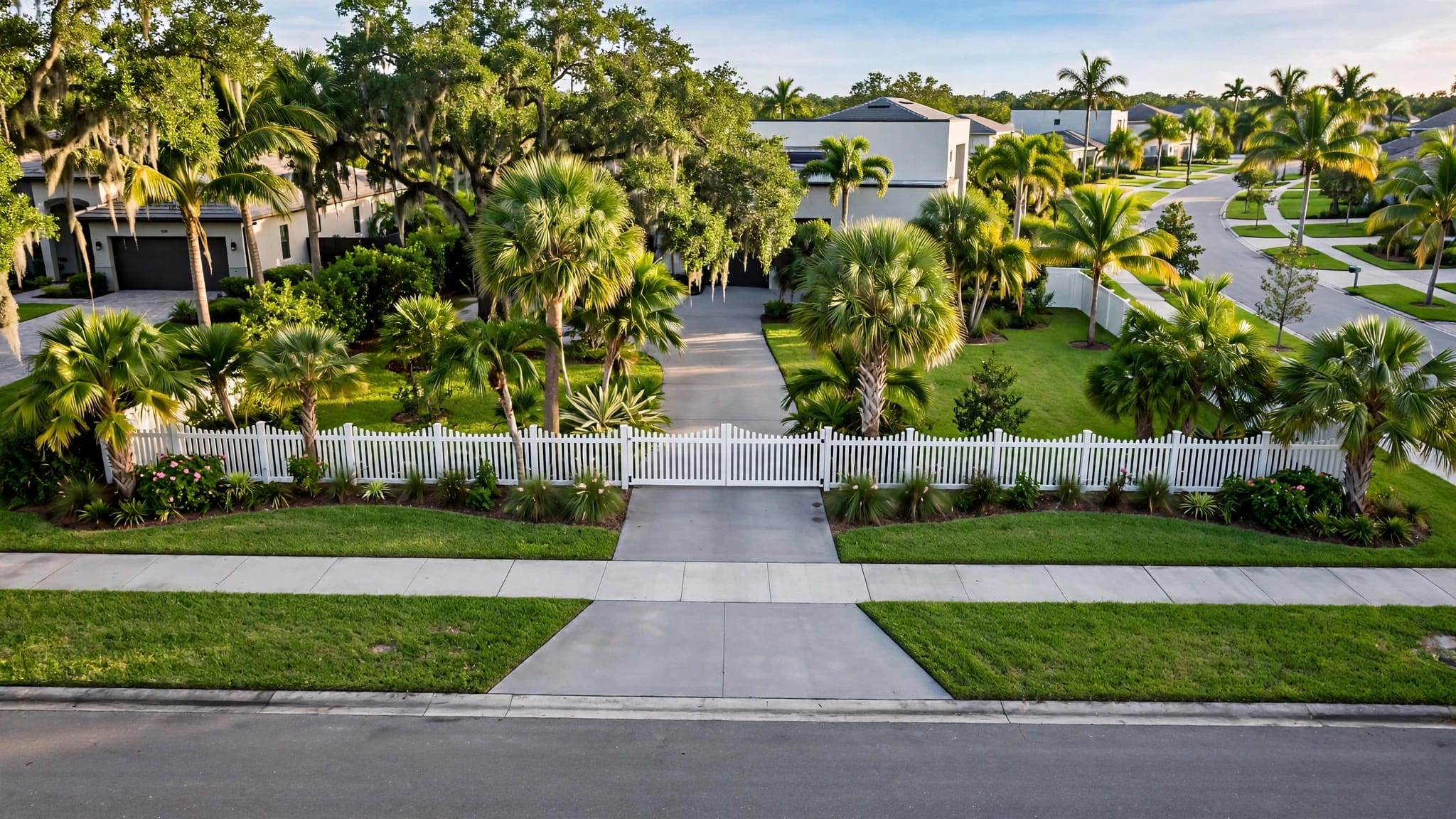
Cape Coral, unincorporated Lee County, and neighboring municipalities have separate permitting processes. A Cape Coral property owner should start with the city's Development Services department, rather than assume county procedures apply.
The city's permit resources include an enclosure/fence application. Supreme Fence's Cape Coral fence permit checklist can help you prepare the fence portion of your submission.
Bring a survey or acceptable site plan showing the battery, proposed panels, gates, property lines, and easements. Include nearby doors, windows, electrical equipment, and drainage features.
Also, check HOA restrictions before ordering materials. HOA approval doesn't replace government permits or the battery manufacturer's requirements.
Plan Your Home Battery Fence Around Required Clearances
Keep Code Separations Separate From Fence Spacing
Florida Residential Code Section R328.3 generally requires 3 feet between individual energy storage units. Smaller separation may be accepted when supported by the required large-scale fire testing.
Section R328.4 also requires at least 3 feet from doors and windows that directly enter the dwelling for outdoor or exterior-wall installations.
These measurements address particular battery-placement conditions. They aren't a universal instruction to place every fence 3 feet away.
If your proposed fence changes an approved installation, have the electrician check the drawing against the applicable code provisions. Don't use fence panels to conceal a placement problem or assume that open fencing eliminates required clearances.
Follow the Exact Battery Model's Instructions
Manufacturer instructions add another set of measurements. For example, Tesla's Powerwall 3 installation manual specifies at least 12 inches in front for airflow. It also identifies 36 inches in front for working/access space under NEC 110.26.
The manual calls for unobstructed vents, and local conditions or code may require more space. Those dimensions apply to Powerwall 3 instructions, not every residential battery.
An airflow minimum can be smaller than the required service space. Meeting the smaller measurement alone doesn't make a fence layout acceptable.
Measure to the nearest obstruction, including posts, rails, gate hardware, and added screening. Have the manufacturer or its authorized installer confirm any uncertainty about enclosing the equipment.
Design the Gate for Service and Emergency Access
Leave Room for Maintenance and Replacement
A technician needs enough room to reach serviceable components and work safely. Eventually, the battery may also need replacement.
Therefore, size and position the gate around the service route, not merely around a person walking through. Ask the installer how the equipment would be removed without dismantling permanent fencing.
The gate's open position matters too. It shouldn't swing into required working space, hit the cabinet, or block nearby electrical equipment.
Keep shutoffs, disconnects, and equipment labels visible and accessible as required. Meanwhile, avoid placing irrigation controls or storage inside the enclosure, where they could complicate servicing.
Confirm Fire-Department Access Before Adding Locks
A lock can improve access control, but emergency responders still need an approved way to reach the equipment. Ask the local fire authority whether the layout, latch, or locking arrangement needs review.
Don't assume every home needs a commercial-style key box or a particular gate width. Those conditions depend on local requirements and the installation.
Also, preserve a usable route between the yard entrance and battery. Landscaping, trash carts, and parked vehicles can undermine an otherwise well-designed gate.
If the fence also functions as a pool barrier, have the contractor confirm that the changes preserve applicable pool-safety requirements.
Choose Materials That Suit the Battery Location
Open fencing often provides a useful starting point because it allows visibility and air movement. However, the manufacturer and approving officials must accept the complete design.
These common materials have different tradeoffs.
| Fence material | Useful qualities | Main considerations |
|---|---|---|
| Aluminum picket | Open design; no red rust on aluminum panels | Hardware compatibility, coating quality, and anchoring |
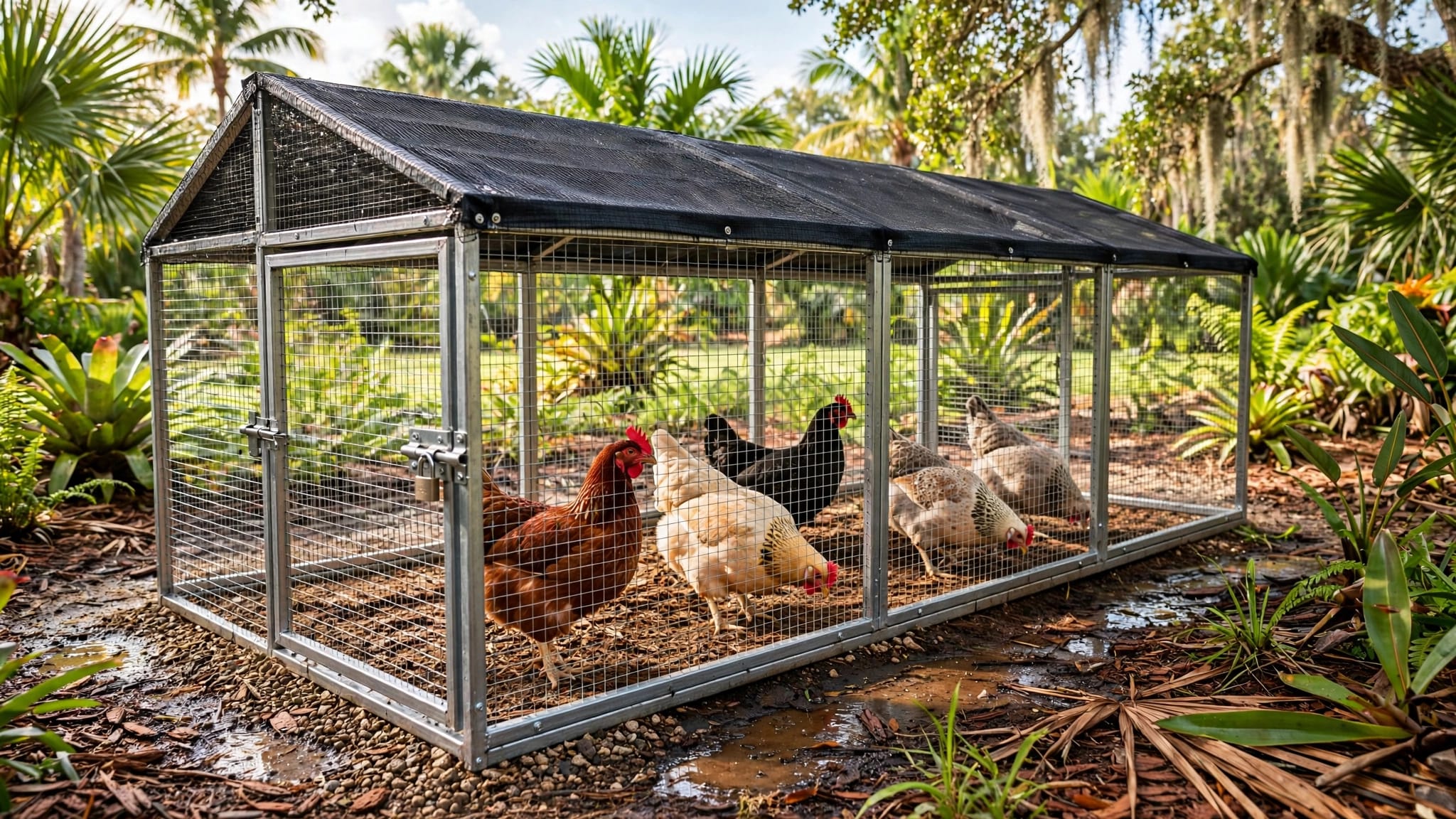
| Coated chain link | Visibility and practical access control | Corrosion at damaged coatings, fittings, and posts |
| Vinyl | Moisture resistance and screening options | Solid panels can restrict airflow and increase wind loads |
| Wood or composite | Privacy and a coordinated yard appearance | Combustibility, moisture exposure, and enclosure ventilation |
For many Southwest Florida battery locations, aluminum or coated chain link deserves an early look. Both can define the area without surrounding it with solid walls.
However, material choice alone isn't approval . A metal fence can still sit too close, block a vent, or interfere with service access. Ask the electrician whether metal components near the installation require any additional electrical measures.
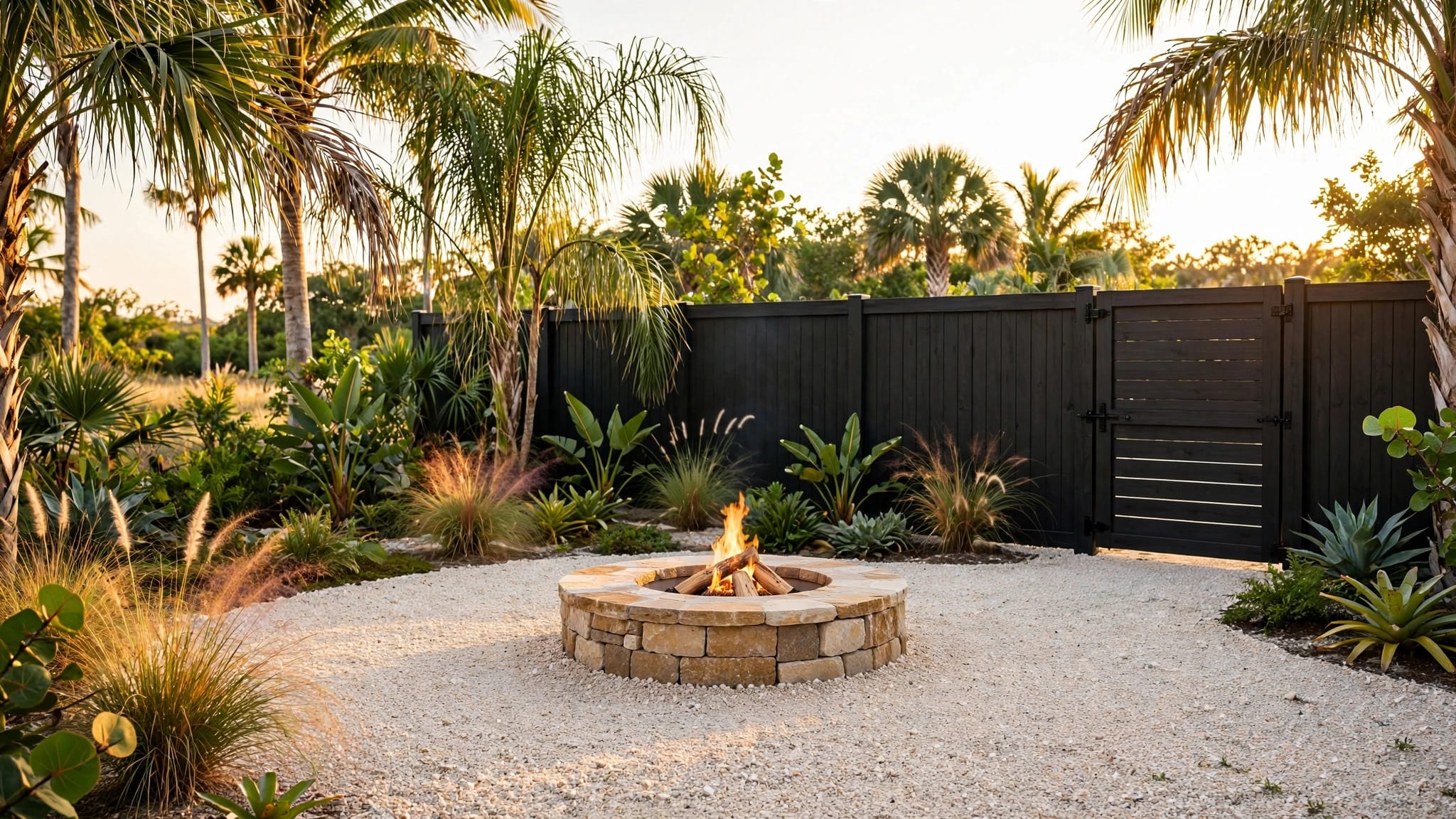
If privacy is important, discuss a partial screen located outside required clearances. Don't add slats, fabric, or decorative panels later without checking their effect on airflow and wind loading.
Also, don't attach fencing directly to the battery cabinet or its mounting hardware. The fence should have an independently approved support system.
Account for Flooding, Heavy Rain, and Hurricane Winds
Keep Drainage Open Around the Equipment
A fence doesn't protect a battery from floodwater. First, have the battery installer assess the equipment's location and any applicable flood-elevation requirements.
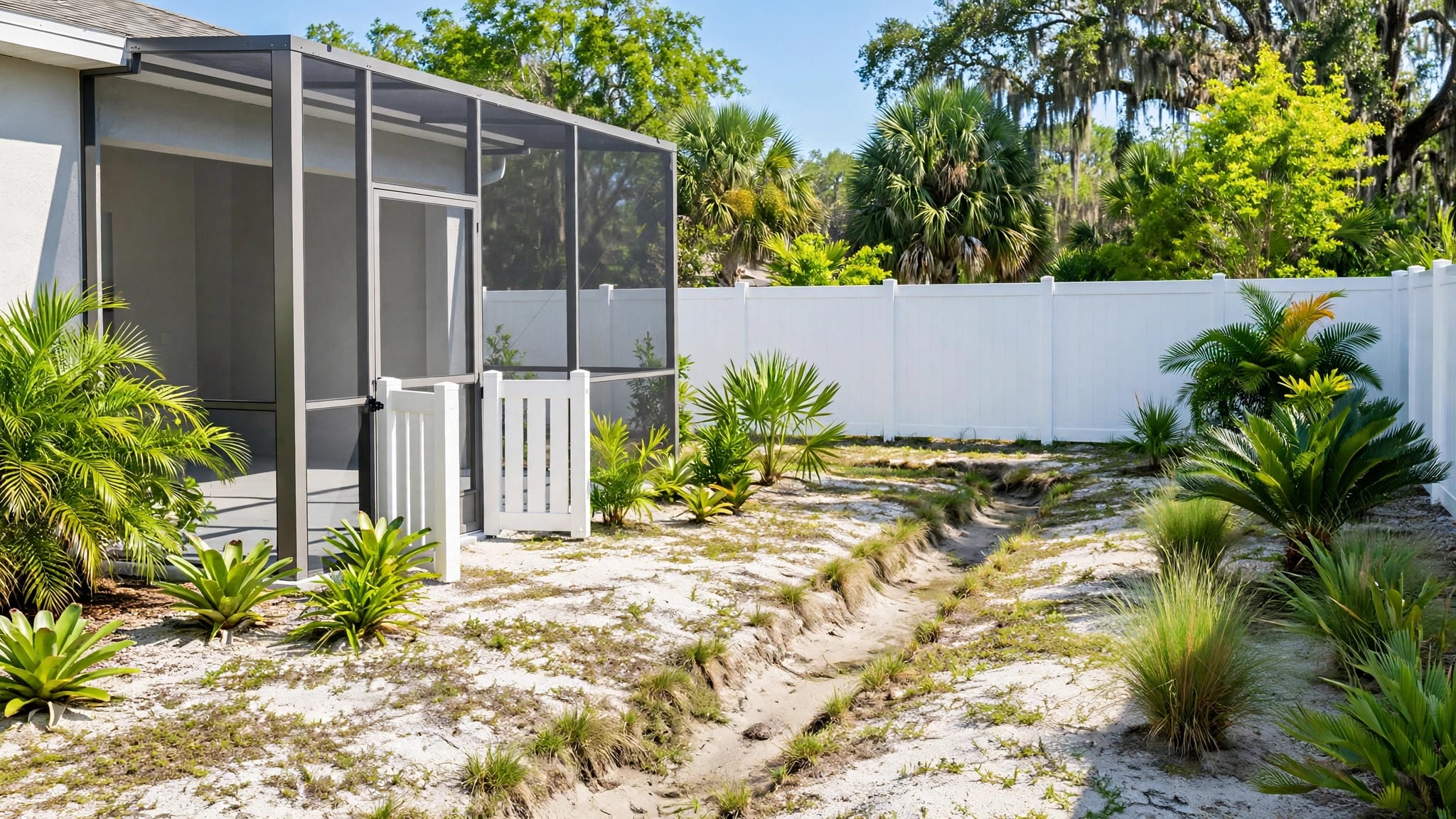
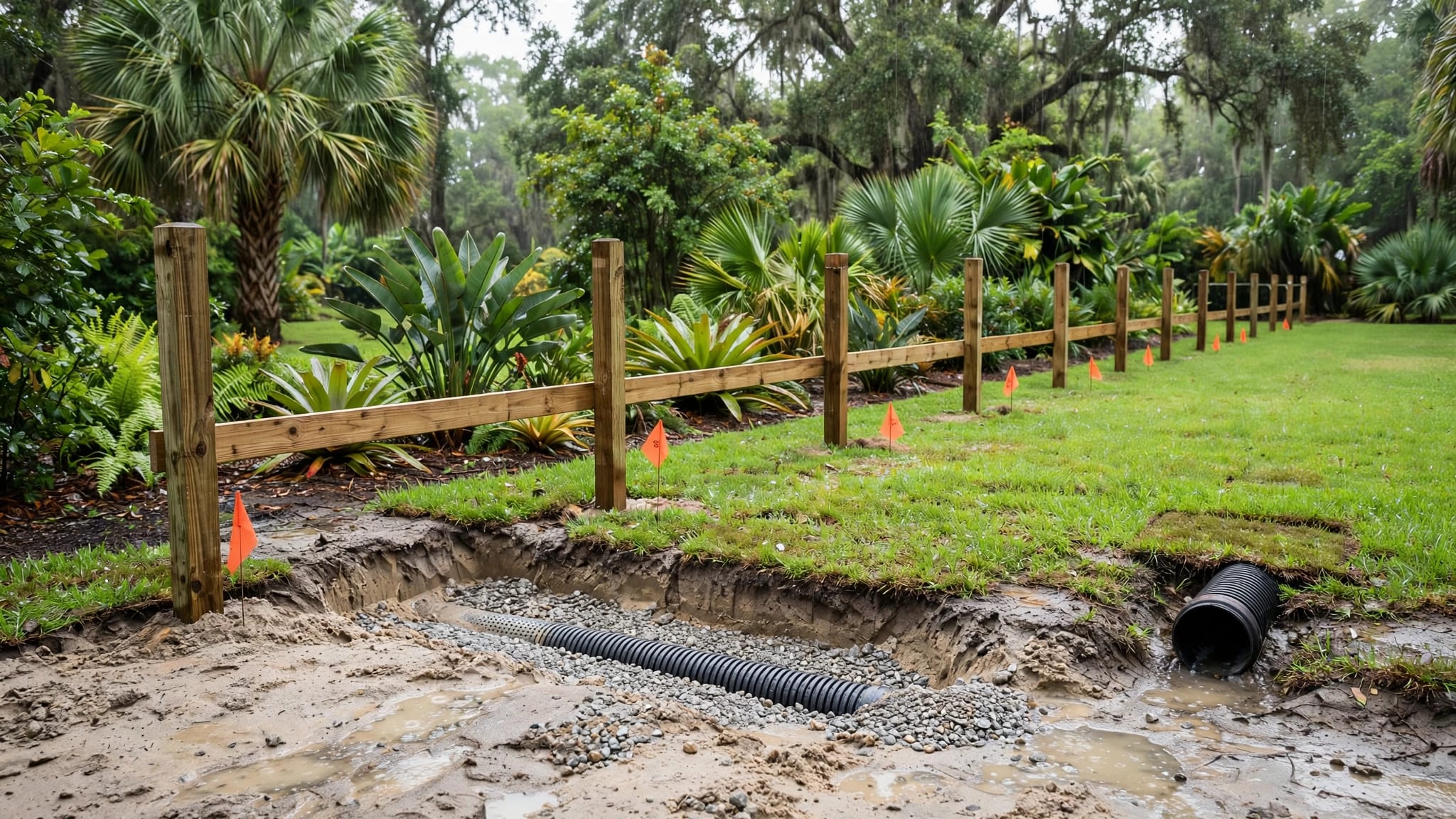
Then plan the fence around existing drainage. Panels, edging, and accumulated debris shouldn't dam water against the battery area or obstruct a swale.
In flood-prone yards, open designs make standing water and storm debris easier to see. Aluminum and properly coated chain link can be practical options, although hardware and installation quality still matter.
Also, avoid changing the finished grade merely to accommodate the fence. Filling a low area or redirecting runoff can affect neighboring properties and require additional approval.
Design the Whole Fence for Wind and Corrosion
Hurricane performance depends on the complete installation, including panels, posts, connections, footings, and soil conditions. There's no universal post depth or wind rating suitable for every Southwest Florida lot.
Ask the contractor how the design addresses fence height, exposure, and saturated soil. Solid privacy panels generally catch more wind than open styles, so their supports need appropriate design.
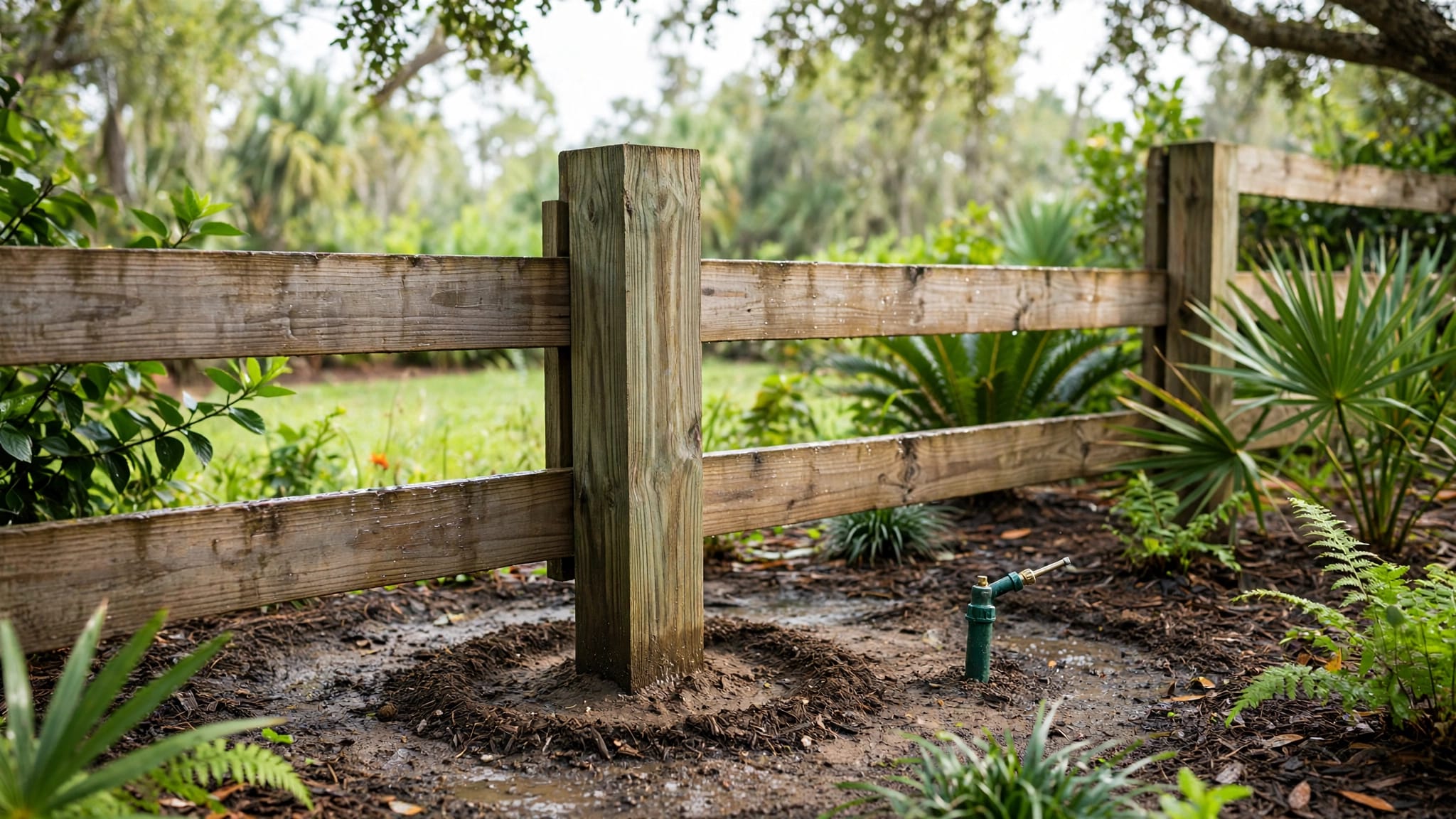
Salt air also attacks hinges, latches, screws, and brackets. Specify compatible corrosion-resistant hardware and suitable coatings, especially near canals or coastal water.
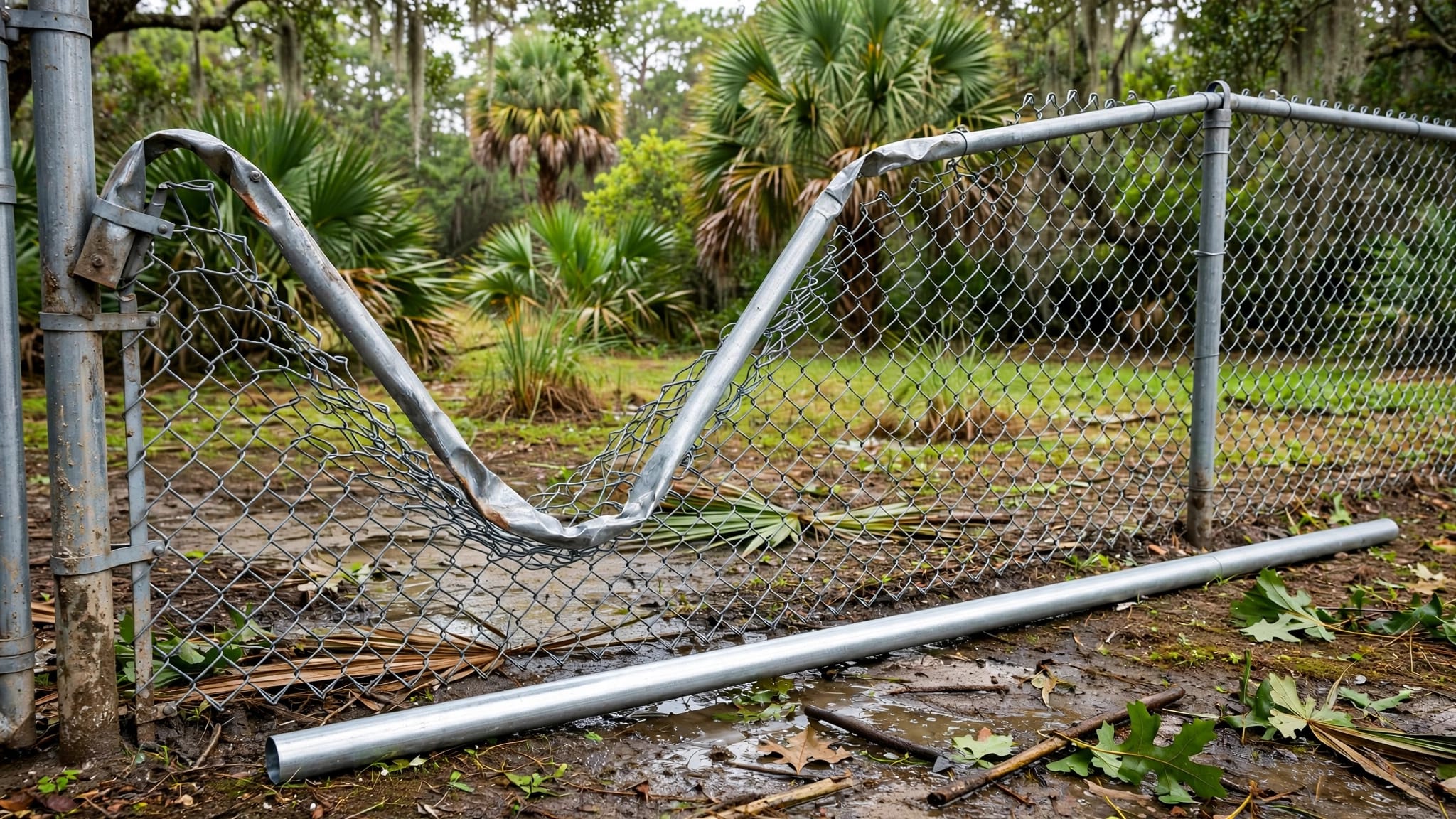
Because gates move frequently, their posts and connections deserve particular attention. Inspect for sagging, loose fasteners, and corrosion before storm season. After flooding, have damaged fence sections assessed before they can fall against the battery.
Coordinate Installation Before Anyone Digs
A successful home battery fence project needs coordination between the fence contractor and electrical installer. The fence contractor handles the fence design and installation; a licensed electrician evaluates electrical clearances and equipment-related conflicts.
Use this sequence before work begins:
- Identify the battery model and obtain its current installation instructions.
- Have the electrician mark required clearances, service space, and buried electrical routes.
- Ask the manufacturer, building department, and fire authority to resolve layout questions.
- Finalize the fence drawing, permit responsibilities, and installation scope with your contractor.
For properties outside municipal boundaries, the unincorporated Lee County fence rules provide a starting point for the fence application.
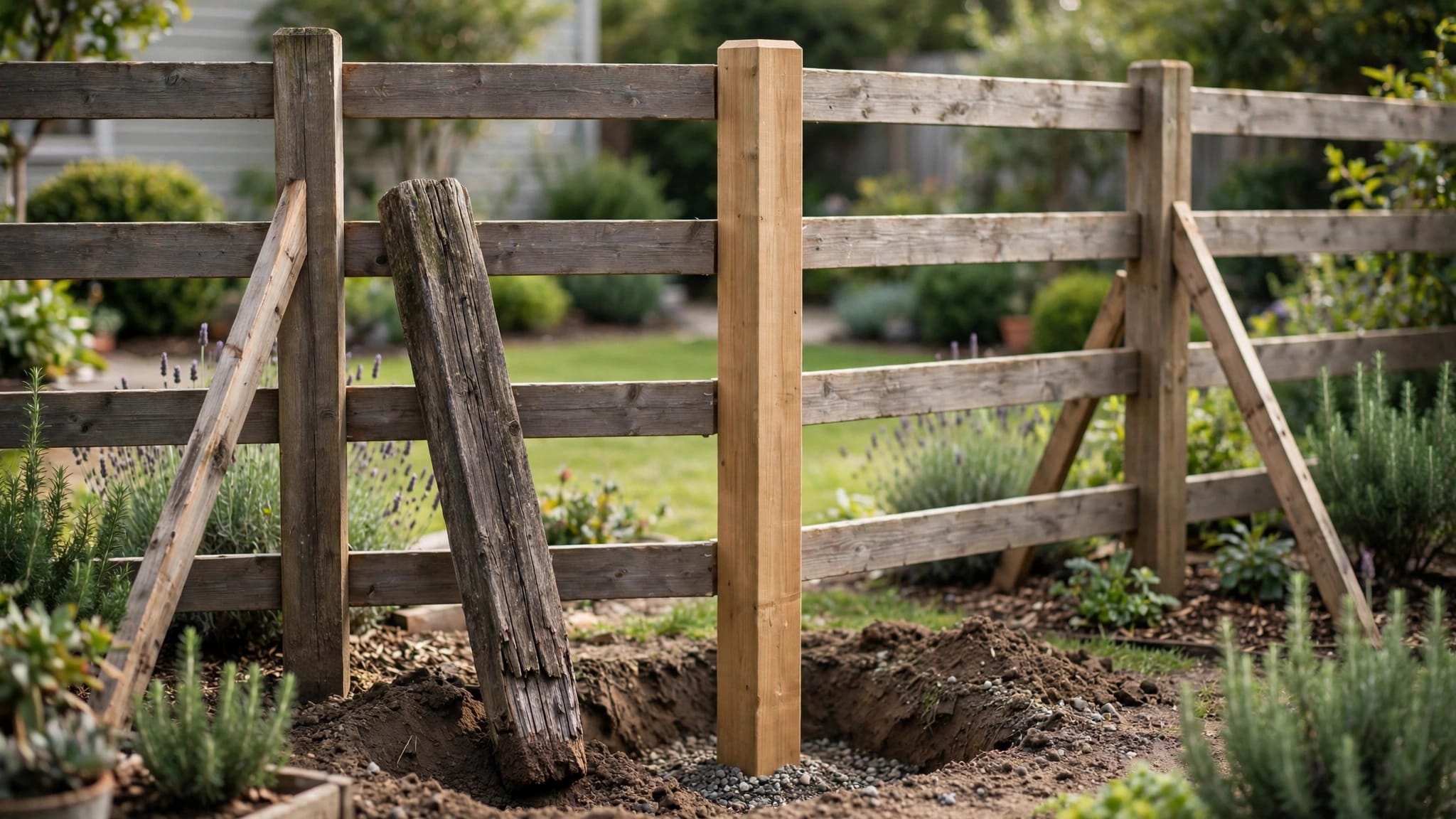
Before excavation, arrange utility locating and identify private underground wiring that ordinary utility marking may not cover. Posts and footings must avoid battery conduits and other buried services.
Also, request a written estimate identifying materials, hardware, gates, permit handling, and any engineering needs. After installation, have the electrician verify that the finished fence preserves the approved equipment access and clearances.
Key Takeaways for Southwest Florida Homeowners
The safest layout starts with the equipment requirements, then fits the fence around them.
- Florida's cited residential battery provisions don't require a perimeter fence around every outdoor system.
- Code separations, manufacturer ventilation clearances, and electrical working space are different requirements.
- Open materials can support airflow and visibility, but placement and approval still matter.
- Flood exposure, hurricane winds, and corrosion should shape the posts, panels, gate, and hardware.
Confirm the complete design before ordering materials, rather than trying to correct conflicts after installation.
Build the Fence Around the Battery's Needs
A well-planned battery fence controls access without limiting ventilation, maintenance, or emergency response. Its location matters as much as its appearance.
For Southwest Florida homes, equipment access comes first , followed by drainage, wind resistance, and corrosion protection. Have the manufacturer, local building department, and licensed electrician confirm the layout before your fence contractor builds it.