How to Replace a Missing Wood Fence Picket in Florida
A missing fence board can give pets an escape route and leave your backyard exposed. You can replace a missing wood fence picket when the surrounding rails and posts are sound.
In Southwest Florida, the repair also needs to withstand humid air, frequent rain, and moisture near the ground. Checking for hidden rot matters as much as choosing the replacement board.
Start with the wood around the opening, because its condition determines whether a single-picket repair will last.
Check whether the damage stops at one picket
A missing board may result from a broken fastener, storm damage, or decay. Before buying materials, inspect both sides of the fence and identify what failed.
Examine neighboring pickets and rails
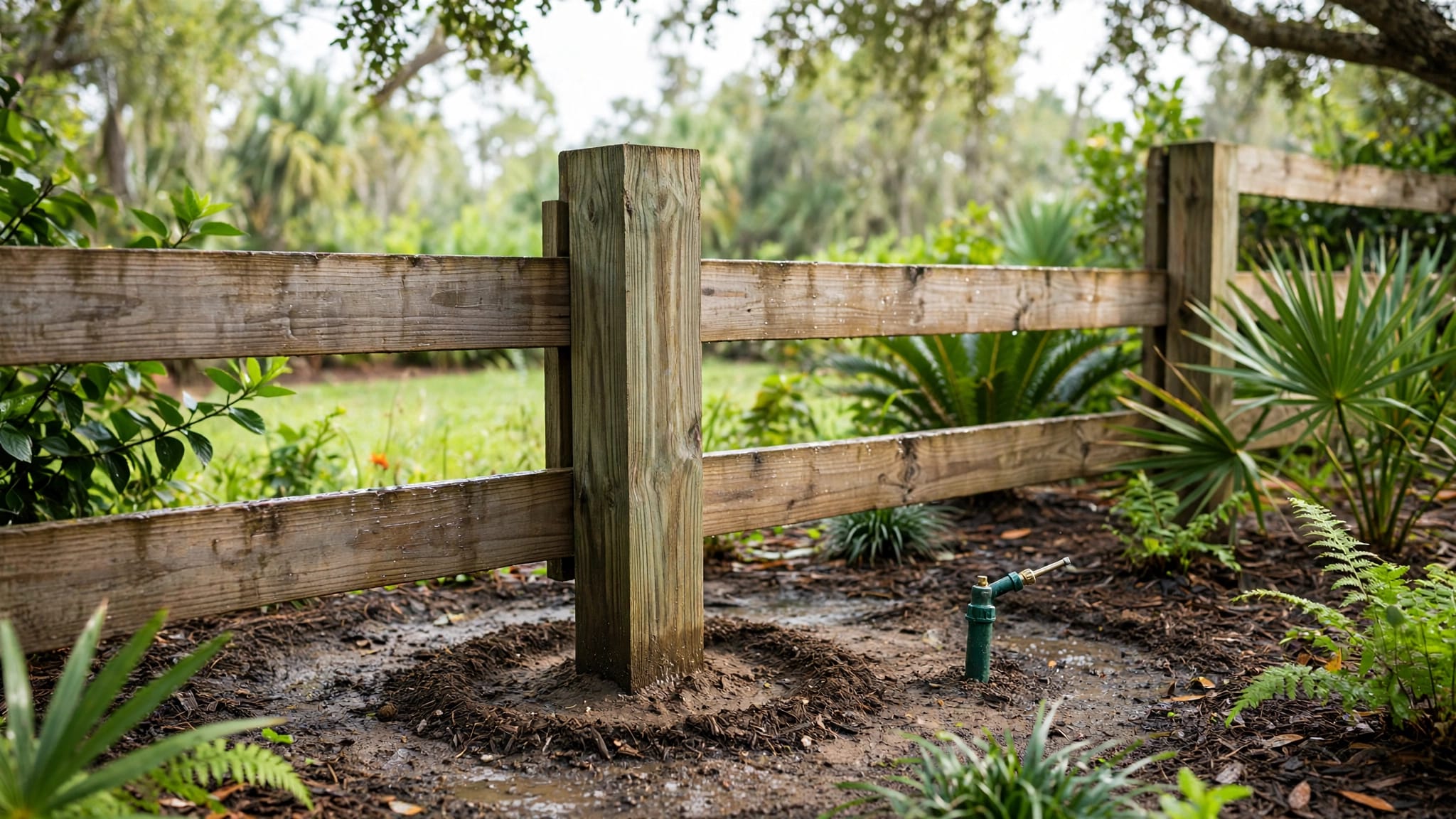
Look closely at the lower 6 inches of nearby boards. This area often stays damp because of soil, mulch, grass, or sprinkler spray.
Dark staining alone doesn't prove rot. Soft, crumbling wood, loose fibers, and fasteners that no longer hold are stronger warning signs. Compare suspicious areas with sound wood nearby.
Also inspect the horizontal rails behind the opening. Pay attention to old fastener holes, splits, and the connections between rails and posts. A fresh picket needs solid wood behind it.
If several neighboring boards feel weak, the missing picket may be part of a wider problem. Replacing only the visible gap would leave those weaknesses untreated.
Check the supporting posts
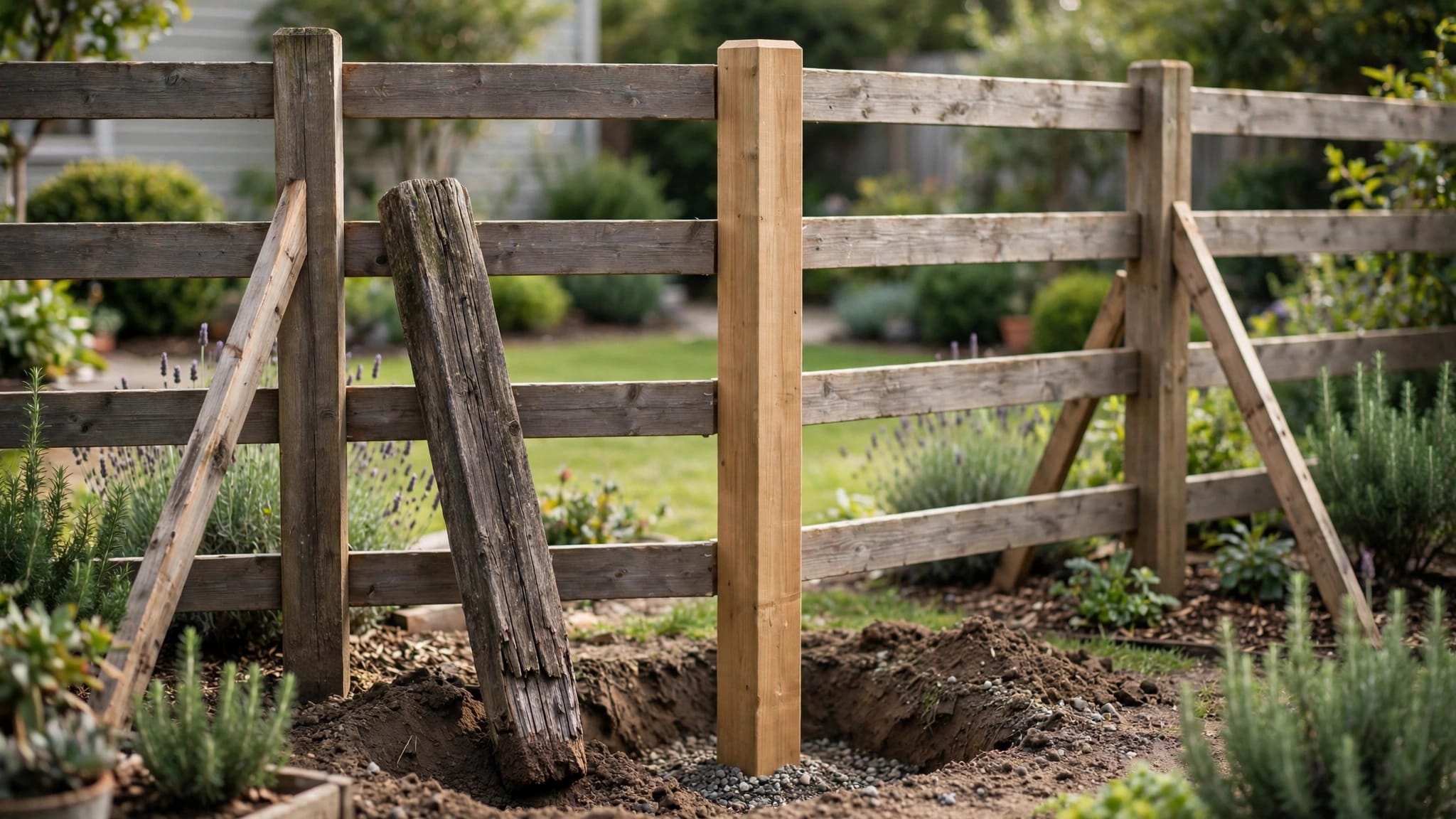
Look for decay near the ground and movement at the rail connections. A leaning post or sagging section changes the repair scope.
Finishing products can't restore strength to decayed wood. The guidance on preventing fence post rot explains why moisture sources need attention alongside damaged components.
If the post is unstable, arrange an assessment before attaching another board. Otherwise, the replacement may loosen with the rest of the section.
Match the repair to HOA and local requirements
Replacing one board with a matching board is different from rebuilding a fence or changing its height. Still, local requirements and community rules may apply.
Cape Coral, Fort Myers, and unincorporated county areas can handle fence work differently. Ask the building or zoning office for your property's address whether your proposed repair requires approval.
Keep the description clear: a missing picket replaced in the same location, with the same height and material. The guide to when fence repairs need a permit provides a useful starting point, but confirm current requirements locally.
Also review HOA documents for material, color, and appearance standards. HOA approval and local approval are separate , so one doesn't replace the other.
If the fence is a required pool barrier, treat the opening as a safety concern. Restrict pool access and arrange prompt repair rather than leaving the gap unattended.
Choose a wood fence picket for Florida weather
Match the existing fence's board profile, actual width, thickness, and height. Measure an intact neighboring picket instead of relying only on a store label.
Compare pressure-treated pine and durable wood
Pressure-treated pine is a common choice for Florida wood fences. Select lumber labeled for the intended exposure, and confirm its suitability with the supplier.
Cedar is another option when it matches the existing fence. However, natural decay resistance varies within the wood; cedar heartwood generally resists decay better than sapwood.
Choose a reasonably straight board without major splits, loose knots, or damaged edges. A badly twisted replacement will be harder to align and may stress its attachments.
The new board will probably look different from weathered pickets. Matching the shape and finish helps, but it won't instantly reproduce years of sun exposure.
Confirm fastener compatibility
Use exterior-rated fasteners that are compatible with the replacement lumber's treatment. Hot-dip galvanized or stainless steel fasteners are common options, subject to the lumber and fastener manufacturers' guidance.
For coastal properties exposed to salt air, ask about an appropriate stainless steel grade. Rust resistance matters at the connection between the picket and rail.
An "exterior" label alone doesn't confirm that a fastener is suitable for your pressure-treated lumber.
Don't substitute interior drywall screws or unverified hardware. Confirm the appropriate fastener size and attachment arrangement for your fence before installation.
Prepare the opening and fit the replacement
Once you've confirmed that the frame is sound, focus on the opening itself. The replacement should follow the existing fence's design without introducing new weak spots.
Address remnants and damaged attachment areas
Broken wood and abandoned fasteners can interfere with the replacement. Clear those obstructions without damaging the rails or loosening adjacent boards.
Old attachment points deserve inspection before reuse. A damaged hole, split rail, or corroded connection may need attention beyond replacing the picket.
Avoid forcing a board into an opening that doesn't match its size. First confirm whether the fence uses side-by-side boards, overlapping pickets, or another layout.
If removal exposes more decay than expected, pause the repair. The original gap may have hidden damage behind the board or around its attachments.
Match alignment and ground clearance
Use neighboring sound pickets as your reference for the top profile and spacing. However, don't copy a board that has slipped, twisted, or settled.
Keep the replacement's lower edge clear of soil and mulch. Wood that remains wet at its base faces a greater risk of decay.
For fastening, follow the attachment method appropriate to the existing fence and replacement materials. Confirm the details with a supplier or contractor rather than guessing.
After attachment, check that the board sits securely and doesn't interfere with a nearby gate. Also check for protruding hardware on either side.
Protect cut ends and time the finish
Cutting a replacement board exposes fresh wood. Those surfaces need attention before the repair faces repeated rain and drying cycles.
Treat and seal fresh cuts
For pressure-treated lumber, follow the manufacturer's guidance for field-cut treatment. An approved end-cut preservative addresses exposed wood where cutting may reduce protection.
Then apply a compatible exterior stain or sealer as directed. Pay attention to cut ends and other exposed edges, not just the broad front face.
Naturally durable lumber also benefits from suitable end protection. Follow the coating label for surface preparation, application conditions, and drying time.
A stain or sealer helps limit moisture absorption, but it doesn't make wood waterproof. Keep the board away from persistent wetting even after finishing it.
Let the wood reach coating-ready condition
Fresh pressure-treated wood may contain too much moisture for immediate staining. The correct waiting period depends on the board and the coating.
Follow the finish manufacturer's moisture requirements instead of assuming every replacement needs the same delay. Applying a finish too early can cause poor absorption or adhesion.
In Southwest Florida, plan around rain and humid conditions. The wood surface needs to meet the product's requirements throughout application and curing.
If the fence already has a finish, identify it before adding another product. Compatible coatings reduce the chance of uneven appearance or early failure.
Keep the repaired area drier
A replacement lasts longer when you correct the conditions that damaged the original board. Check whether sprinkler spray repeatedly hits the fence or mulch piles against it.
Redirect irrigation where practical, and keep soil and vegetation away from the picket bottoms. These changes reduce how long the wood stays damp after watering or rain.
Clean the fence gently. Aggressive pressure washing can roughen wood and damage weak areas, so avoid treating the new board as a reason to blast the entire section.
Use a regular Southwest Florida fence maintenance schedule to catch loose fasteners, mildew, and soft spots. Supreme Fence of SWFL recommends re-sealing or staining wood fences every 2 to 3 years, with earlier attention where exposure warrants it.
After severe weather, inspect the repaired area and nearby connections. A secure picket can still sit on a rail that has loosened elsewhere.
Decide when to hire a Southwest Florida contractor
A single missing picket can be a manageable repair when the frame is healthy and the replacement matches. Professional help makes more sense when the damage extends into supporting components.
Loose posts, sagging rails, widespread decay, or repeated failures deserve a broader assessment. The guide to deciding between repair and replacement can help you recognize when another small patch may be poor value.
When requesting an estimate, describe the missing board and any movement, rot, or storm damage nearby. Ask whether the proposed work includes matching the picket profile, compatible hardware, cut-end protection, and cleanup.
Avoid comparing quotes solely by the board itself. Access, hidden damage, and the amount of dismantling can affect the repair scope.
Supreme Fence of SWFL is a family-owned, licensed, and insured contractor based in Cape Coral. Its professional fence repair services address damaged wood fencing throughout Southwest Florida.
Key takeaways for a lasting picket repair
- Check neighboring pickets, rails, and posts before treating the gap as an isolated problem.
- Match the existing board and choose wood suitable for Florida's damp conditions.
- Confirm fastener compatibility, protect fresh cuts, and follow coating instructions.
- Verify applicable local and HOA requirements, especially if the repair expands.
- Correct persistent moisture sources so the replacement doesn't face the same damage.
Frequently asked questions
Can I replace one picket without replacing the whole fence?
Yes, when the supporting rails and posts remain sound. A missing wood fence picket doesn't automatically mean the entire fence needs replacement.
However, inspect neighboring boards and attachment areas first. If several parts show decay or movement, ask a contractor to assess the section before choosing a repair scope. The condition of the frame matters more than the number of visible gaps.
Should I stain the new picket immediately?
Follow the coating manufacturer's instructions and the condition of the wood. Fresh pressure-treated lumber may need drying time before it accepts the finish properly.
Cut-end preservative treatment and decorative staining are separate tasks. Follow the lumber manufacturer's requirements for fresh cuts, then apply a compatible finish when the wood is ready. Don't use a fixed waiting period for every board.
Make the repair last beyond the next rain
Replacing a missing picket works best when you address the wood and connections around it. Sound rails and posts give the new board a dependable place to attach.
Match the existing fence, protect exposed cuts, and reduce persistent moisture. If inspection reveals wider damage, get a repair assessment before investing in another isolated patch.