Florida Chicken Coop Fencing: Build a Safer Backyard Run
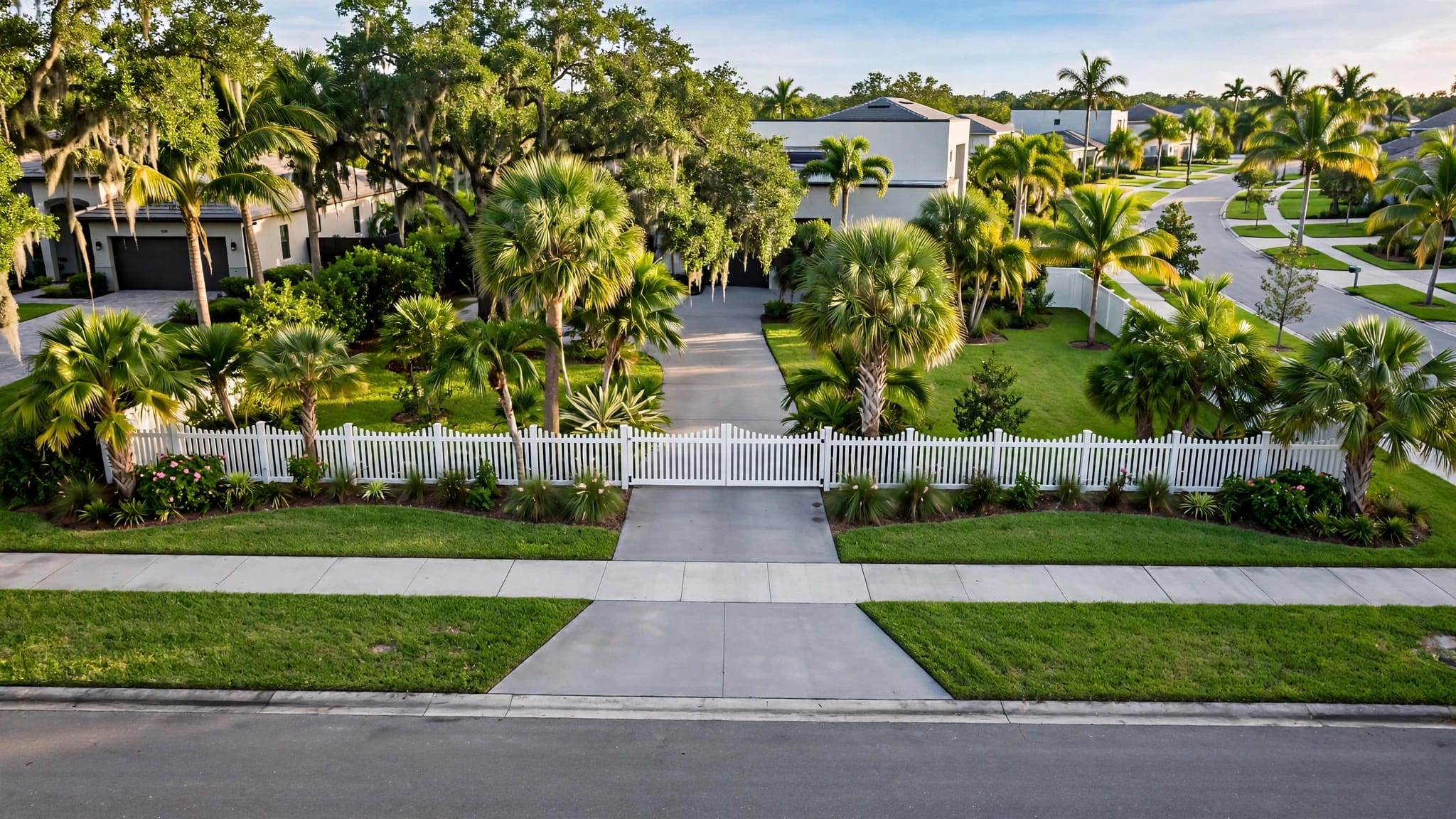
A yard fence can keep chickens on your property while leaving them exposed inside their run. In Southwest Florida, raccoons can exploit a loose gate, hawks can enter from above, and heavy rain can weaken the ground beneath a fence.
Good Florida chicken coop fencing starts with a secure run , then accounts for heat, drainage, and storm exposure. Before buying mesh or setting posts, decide where the enclosure can safely go.
Choose the location before you buy fencing
Find ground that drains
Watch your yard during a heavy rain. A low spot that holds water can leave chickens standing in mud and make it harder to keep bedding dry. Choose higher ground where you can reach the coop without walking through a flooded swale.
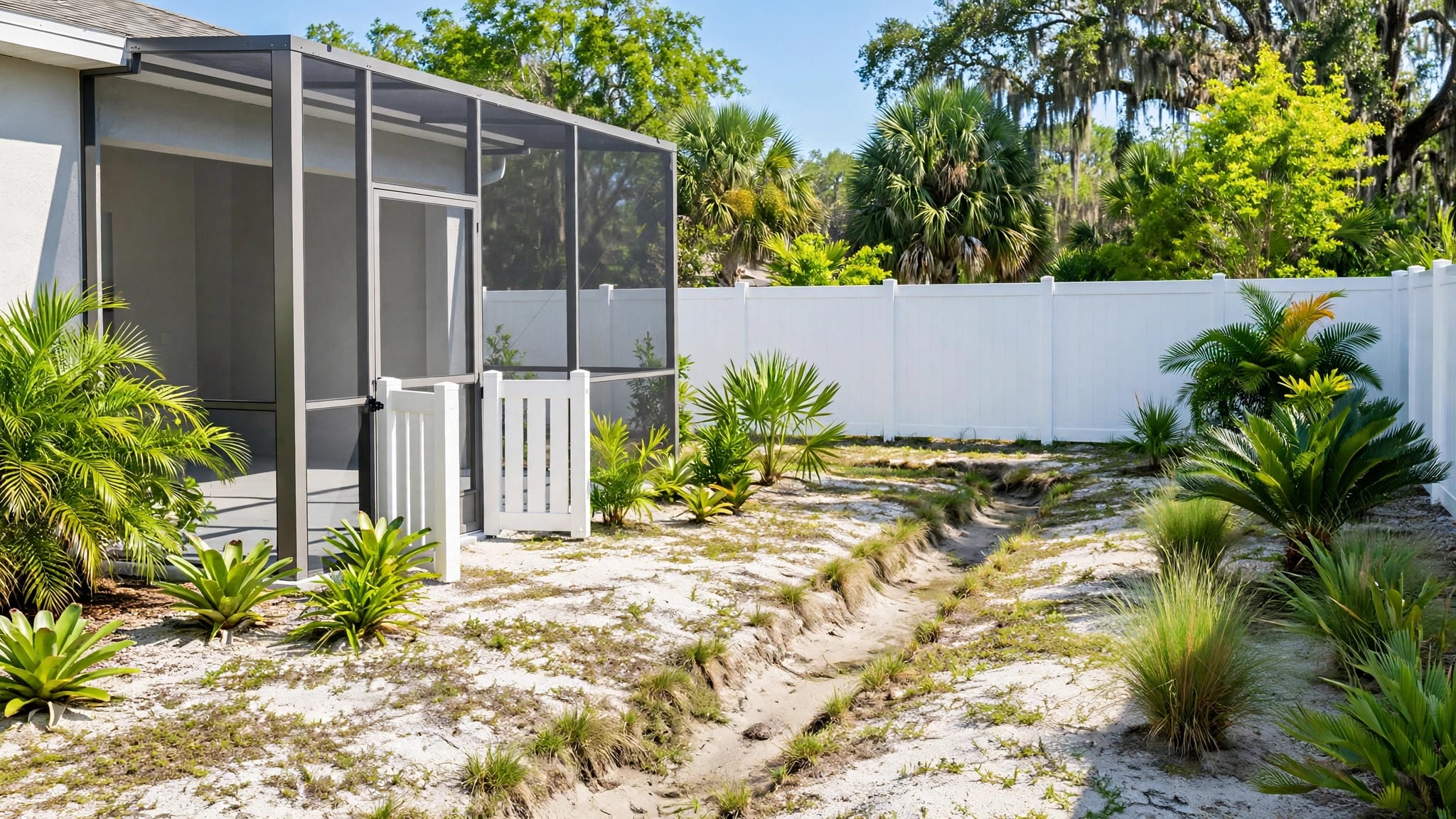
Plan the run around existing drainage rather than blocking it. In Cape Coral and other Southwest Florida neighborhoods, a swale or easement may serve a purpose beyond your yard. Leave room to inspect the fence, clear debris, and repair the outside edge of a dig barrier.
Confirm the rules for your address
Fence, coop, and animal-keeping rules can differ by city, county, and neighborhood. Check whether your location allows chickens and ask about fence permits, coop approvals, height limits, setbacks, and easements. Review HOA requirements separately.
Cape Coral homeowners can use the Cape Coral fence permit checklist to prepare questions and paperwork. Outside city limits, start with the Lee County fence permit rules for unincorporated areas. Confirm current requirements with the authority that covers your property before work begins.
Choose Florida chicken coop fencing materials by their job
A property fence and a chicken-run enclosure solve different problems. You may want a durable outer fence for the yard, plus tighter mesh around the run to close predator-sized gaps.
Use small mesh where predators can reach
UF/IFAS recommends hardware cloth over chicken wire where small predators are a concern. Its tighter openings help protect against snakes, rats, and other animals that can pass through larger openings. A UF/IFAS backyard chicken resource recommends 1/2-inch hardware cloth for run openings and a covered top.
Chicken wire can help contain birds, but it shouldn't be the sole predator barrier. Fit hardware cloth over the run walls, vents, and openings around the coop. Fasten it to a firm frame, then check every seam and corner. A small opening beside a strong panel still leaves an entry point.
Match the structural fence to the yard
A professionally installed chain link fence can define the larger area around a coop. Its open design also allows airflow, which matters during Florida summers. Standard chain link openings, however, are too large to serve as the run's only small-predator barrier. Add suitable hardware cloth to the enclosure itself.
If you're comparing perimeter options, chain link fence installation in Cape Coral may suit a yard where visibility and airflow matter. Aluminum and vinyl can also define the property, but neither replaces close-fitting mesh on the chicken run. In salt air, pay attention to the condition of coatings, brackets, and fasteners as well as the main fence material.
Close the routes predators use
A run needs protection at ground level, overhead, and where people enter. Treat each edge as part of the same enclosure.
Add a dig barrier around the full perimeter
Some predators dig at the base of a fence. UF/IFAS guidance describes buried barriers that turn outward underground, forming an L shape. One recommendation gives a depth of 12 to 18 inches ; another describes 12 inches down and 6 inches out . These are examples, not a single required dimension for every yard.
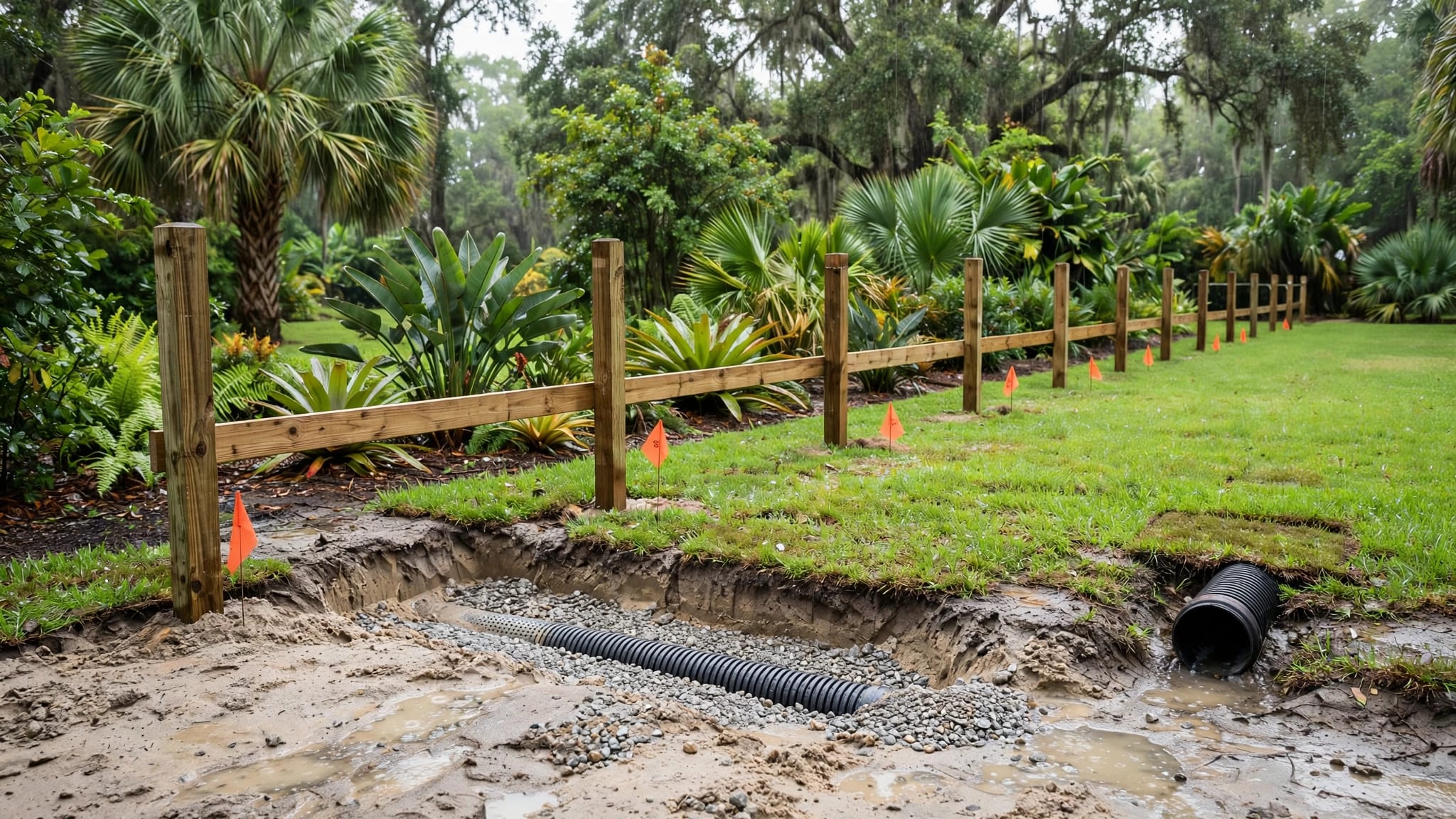
You can also extend sturdy wire outward beneath soil at the fence line. Choose the approach that fits your ground conditions, then connect it securely to the run wall. Pay close attention to gate thresholds and corners, where an otherwise continuous barrier often stops. Request utility locates before digging, and check for private irrigation or other lines that may not be marked.
Cover the top and secure the gate
Hawks can enter an open run, so install a wired or solid, well-supported top. If you use a solid section for shade, provide a way for rainwater to shed away from the run. Don't rely on loose netting or a tarp as the main predator barrier.
Raccoons can work at poorly secured doors. Choose a gate that fits its frame without a wide gap underneath, and use a latch that won't open with a simple pull. A second clip or lock adds protection. Attach mesh firmly around the gate frame; check that it still closes properly after wet weather shifts the ground.
Keep the coop cooler without opening it to predators
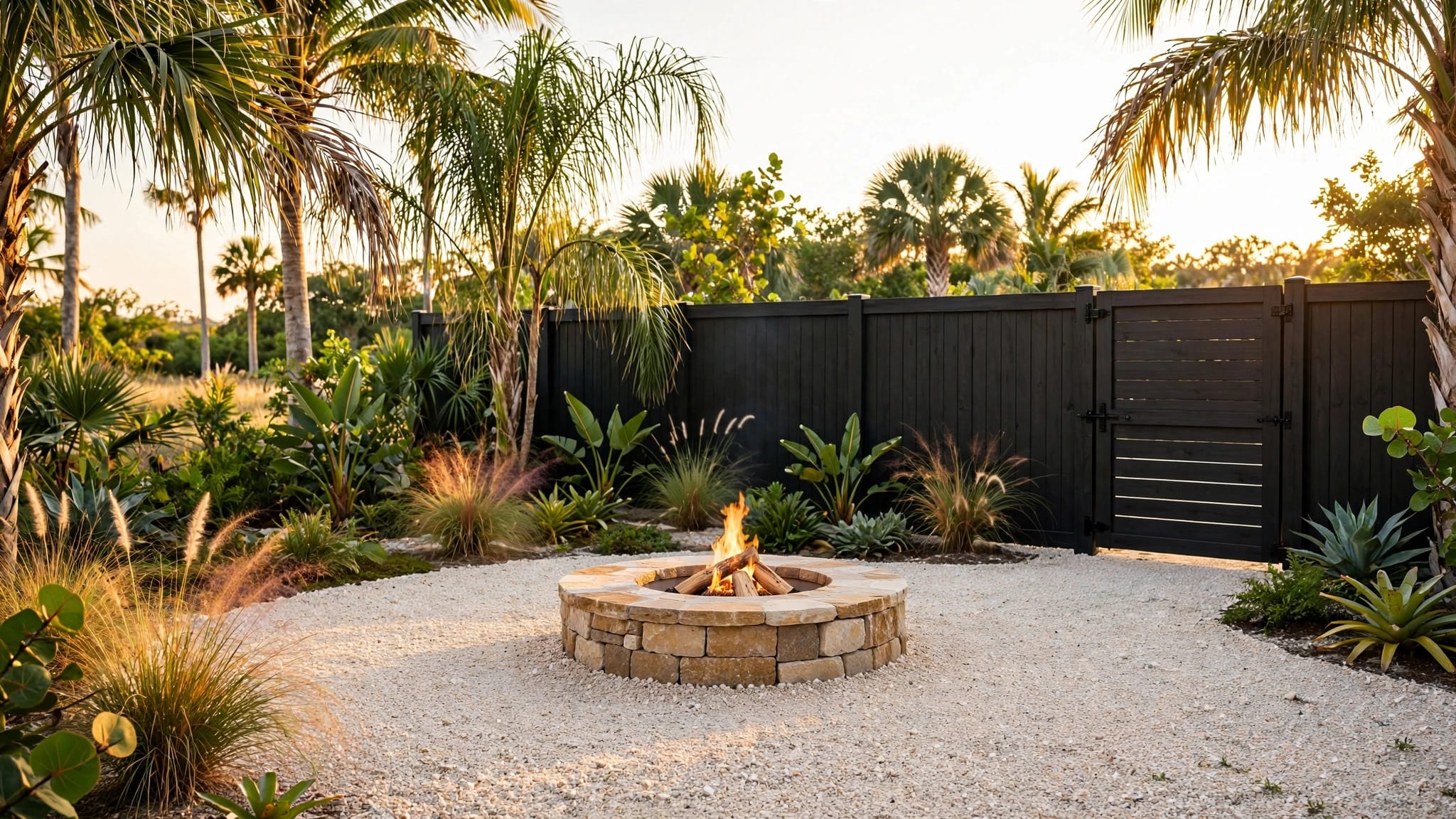
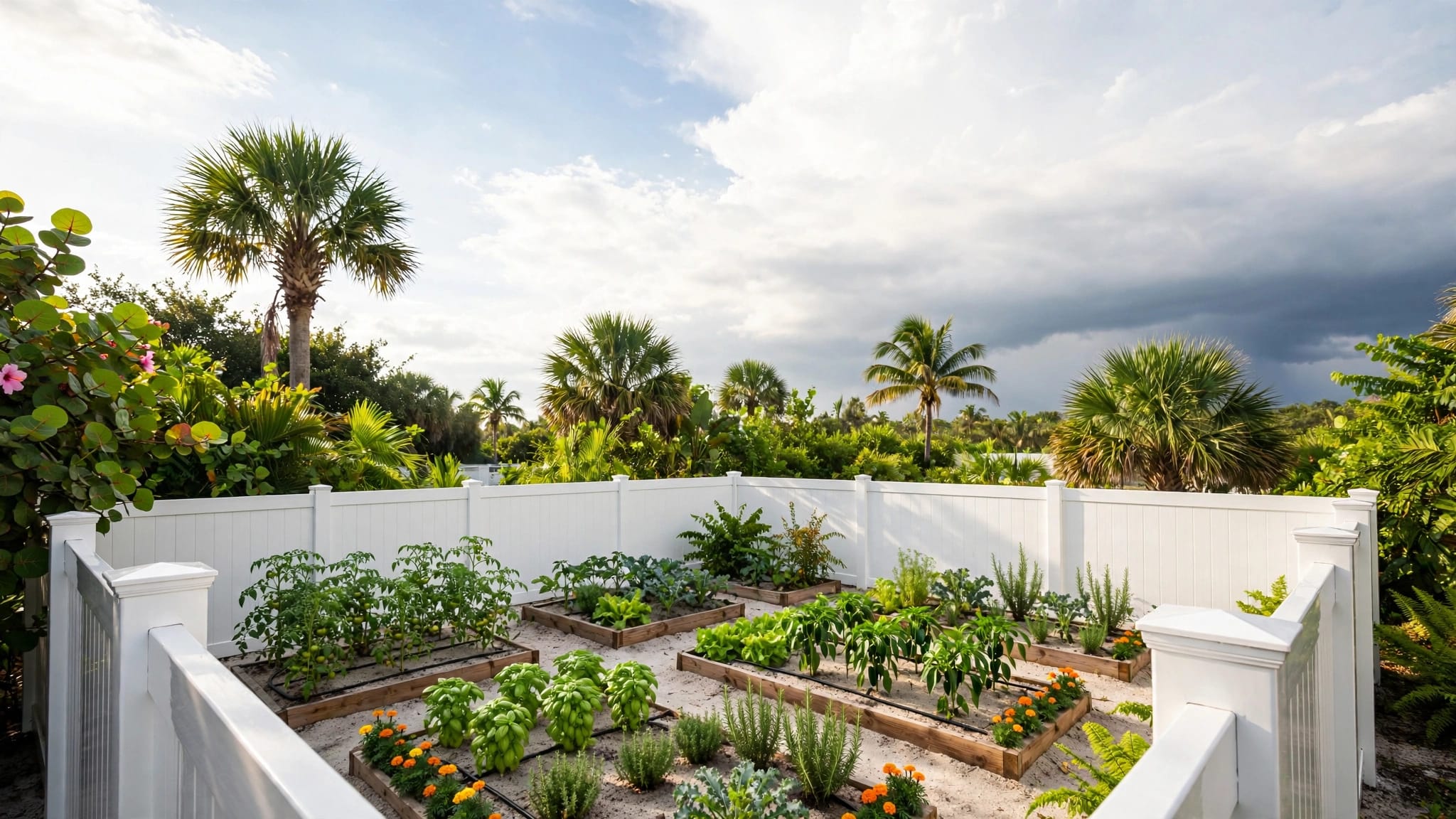
Florida heat changes how you should enclose a chicken run. A solid privacy fence close to every side can restrict breezes, particularly when the coop also has solid walls. Give the birds shade while keeping air moving through the enclosure.
Place shaded areas where chickens can use them during the hottest part of the day. Keep fresh water accessible, and watch whether sun exposure changes as the seasons pass. When planning the run, leave enough space to clean and refill water without trapping yourself behind a narrow gate.
Ventilation openings still need secure mesh. UF/IFAS advises plenty of airflow for poultry housing, while its predator guidance calls for protected openings. That pairing matters: an uncovered vent can invite a snake or raccoon, but sealing every vent can make the coop uncomfortable.
Shade helps chickens cope with heat, but it can't replace airflow through a predator-secure enclosure.
Removable wind blocks may help during unusual cold or driving rain. Position them so they don't seal off the coop's normal ventilation.
Plan for heavy rain and flooding
A fence won't protect chickens if runoff turns their run into a puddle. Keep roof runoff away from the entrance and check where water goes after it leaves the coop. If water regularly pools there, address drainage or reconsider the location before installing permanent posts.
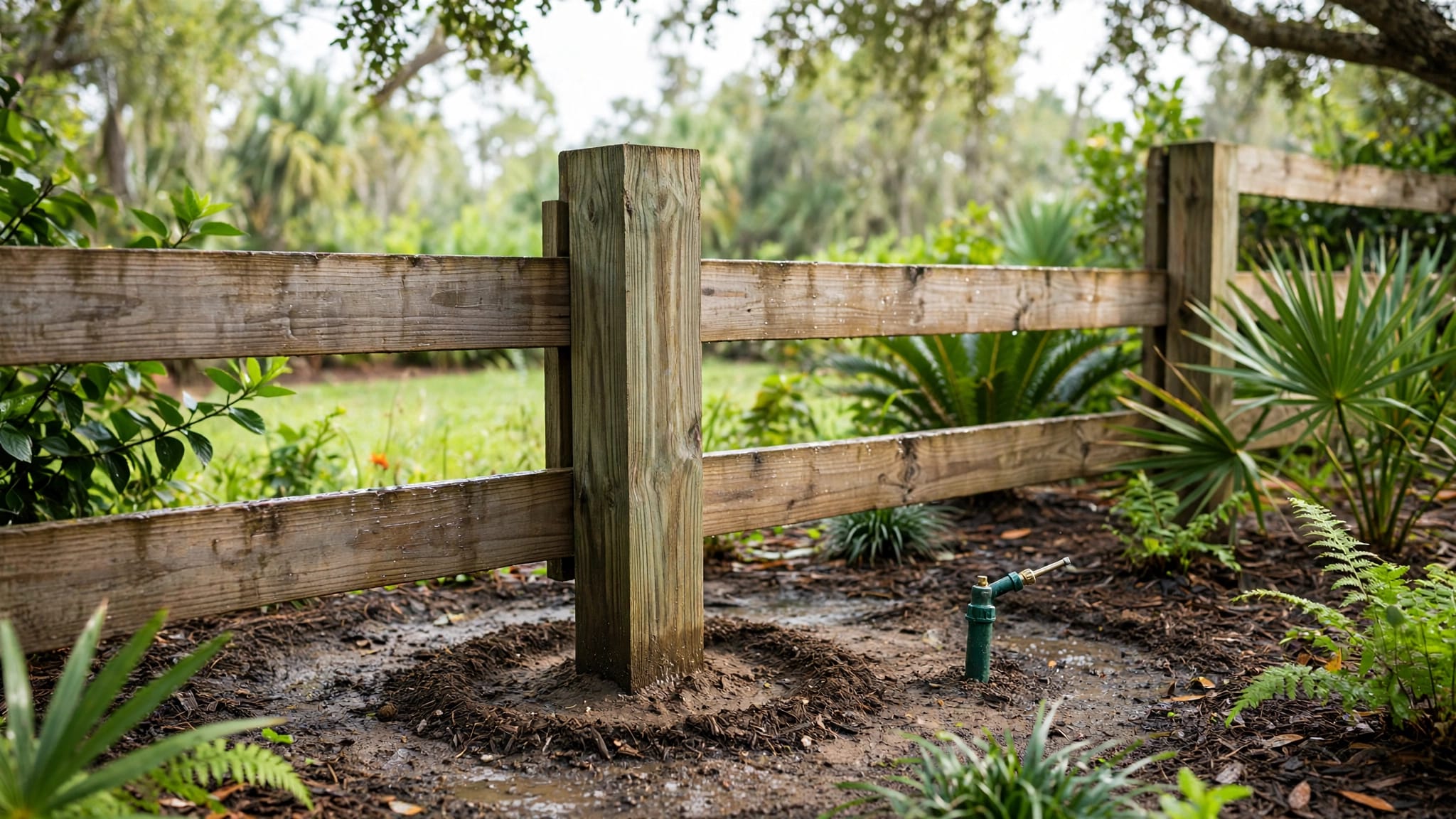
Choose surfaces you can maintain after a downpour. Remove wet litter, and check whether soil has washed away from the fence base. Erosion can expose an outward-facing barrier or create a gap beneath a gate even when the mesh above remains sound.
Floodwater also changes the inspection routine. Once it's safe to enter the yard, look for leaning posts, loose connections, and debris caught against the run. Don't leave chickens in standing water while waiting for the ground to dry. If flooding is likely at your chosen site, plan a safe place to move the flock before conditions worsen.
Southwest Florida's wet ground and salt air can shorten the life of small metal parts. Gates, latches, screws, and brackets deserve regular attention because they move or corrode sooner than a fence panel may show damage.
Prepare the enclosure for hurricane season
Open mesh allows air through, but it doesn't make a run storm-proof. Wind can pull at a roof, swing an unsecured gate, and stress posts in saturated soil. Ask your fence contractor how the post layout, gate hardware, and roof connections suit your site. Requirements for wind resistance or tie-downs depend on the local authority and the structure you're building.
Don't treat a temporary tarp as permanent roofing. It can catch wind and tear away while the birds are exposed. Before storm season, inspect posts for movement, tighten loose hardware, and clear objects that could strike the enclosure. Make a plan to shelter or relocate chickens when severe weather threatens; a backyard run isn't a hurricane shelter.
After a storm, start with a safe visual check. A fence may appear straight while a footing has shifted or a gate no longer latches. Keep chickens away from damaged sections until you've repaired them and checked the perimeter again.
Install and inspect the run in a practical order
Once you've settled the layout and approvals, work from the structure outward. That keeps you from attaching expensive mesh to posts or a gate that still need adjustment.
- Mark the enclosure and access route. Use your survey to check property boundaries, easements, and planned gate locations. Leave space to clean the coop and inspect the outside fence line.
- Locate utilities and prepare the ground. Request underground utility markings before excavation. Address standing-water problems and confirm that the site won't obstruct drainage.
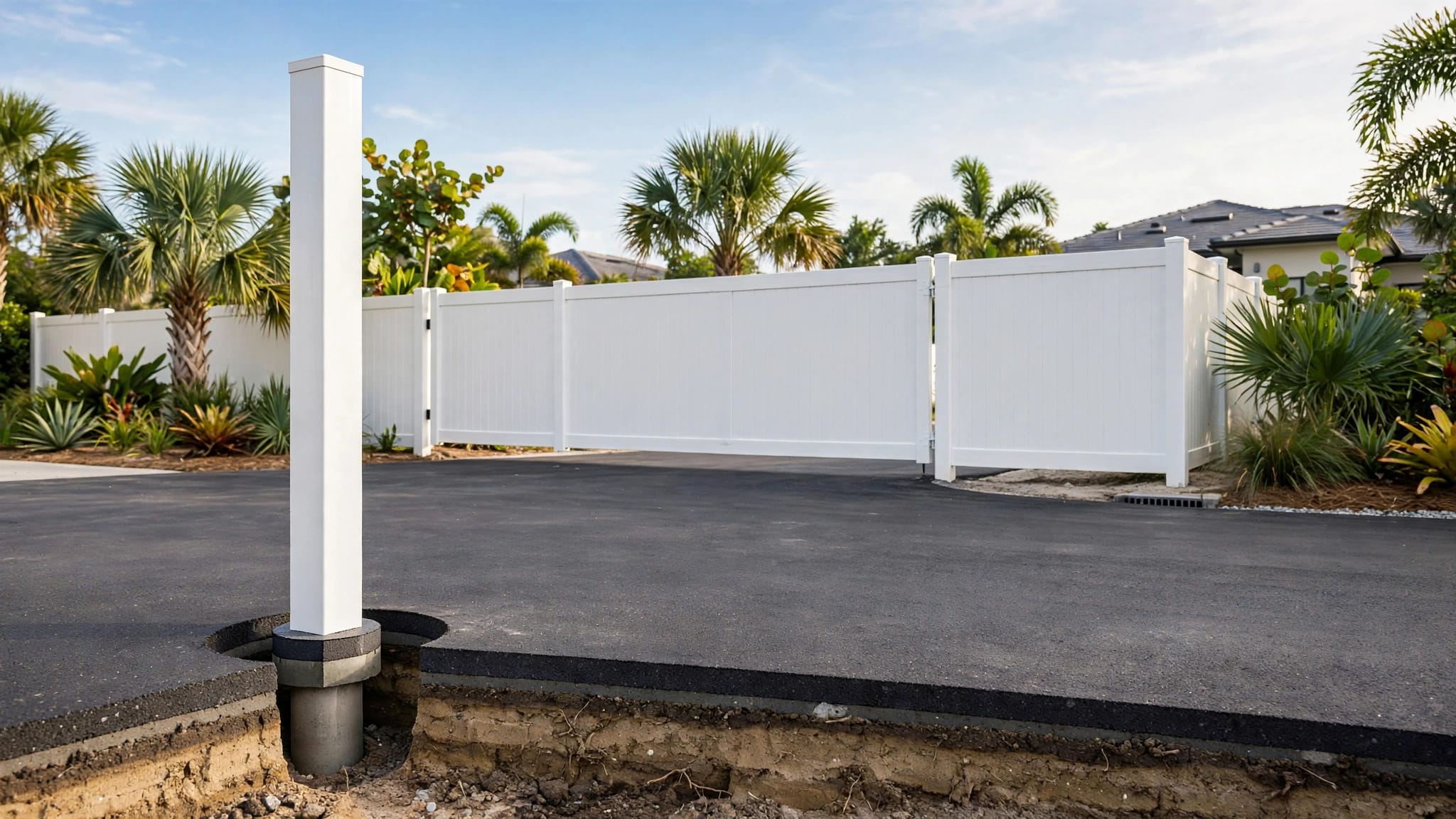
- Set the posts and build the frame. Make the gate opening square and stable. Follow the approved plans and the installation details suited to your soil and fence material.
- Fit the dig barrier and wall mesh. Join sections without leaving openings at corners, posts, or the coop wall. Secure cut edges so they won't snag a chicken or loosen during cleaning.
- Install the top and gate hardware. Fasten the cover to its supports, check that water sheds where intended, and test the latch from both sides.
- Walk the entire enclosure. Look at it from ground level. Check under the gate, around vents, and where the run meets the coop.
For Florida chicken coop fencing, the final walk-through is more useful than judging the fence from the patio. Repeat it after heavy rain, after a storm, and whenever you spot signs of digging.
Key takeaways
- Build a covered, close-mesh run even if an outer yard fence already surrounds your property.
- Protect the bottom edge with a connected dig barrier, and treat gates and corners as likely weak spots.
- Choose a well-drained location that gives chickens shade and secure ventilation.
- Check local approvals before digging, then inspect hardware and posts after storms.
Frequently asked questions
Is chicken wire enough for a Florida chicken run?
Chicken wire may keep chickens contained, but UF/IFAS recommends hardware cloth where small predators are a concern. Use close-fitting mesh on vulnerable openings, and cover the top to reduce exposure to hawks.
Does a coop fence need a buried barrier?
A barrier helps prevent digging at the fence base. UF/IFAS describes both buried L-shaped designs and outward-facing wire. Whichever design you choose, connect it to the run and don't leave an unprotected gap beneath the gate.
Do I need a permit to fence a backyard coop?
That depends on your location and the work involved. City, county, and HOA rules can address the fence and coop separately. Check the requirements for your address before buying materials or setting posts.
Conclusion
A secure chicken run protects every route in: through the mesh, under the fence, over the top, and past the gate. Drainage and airflow matter just as much in a Southwest Florida yard.
Start with the site and local rules. Then build an enclosure you can inspect and repair easily, especially after heavy rain or a storm.