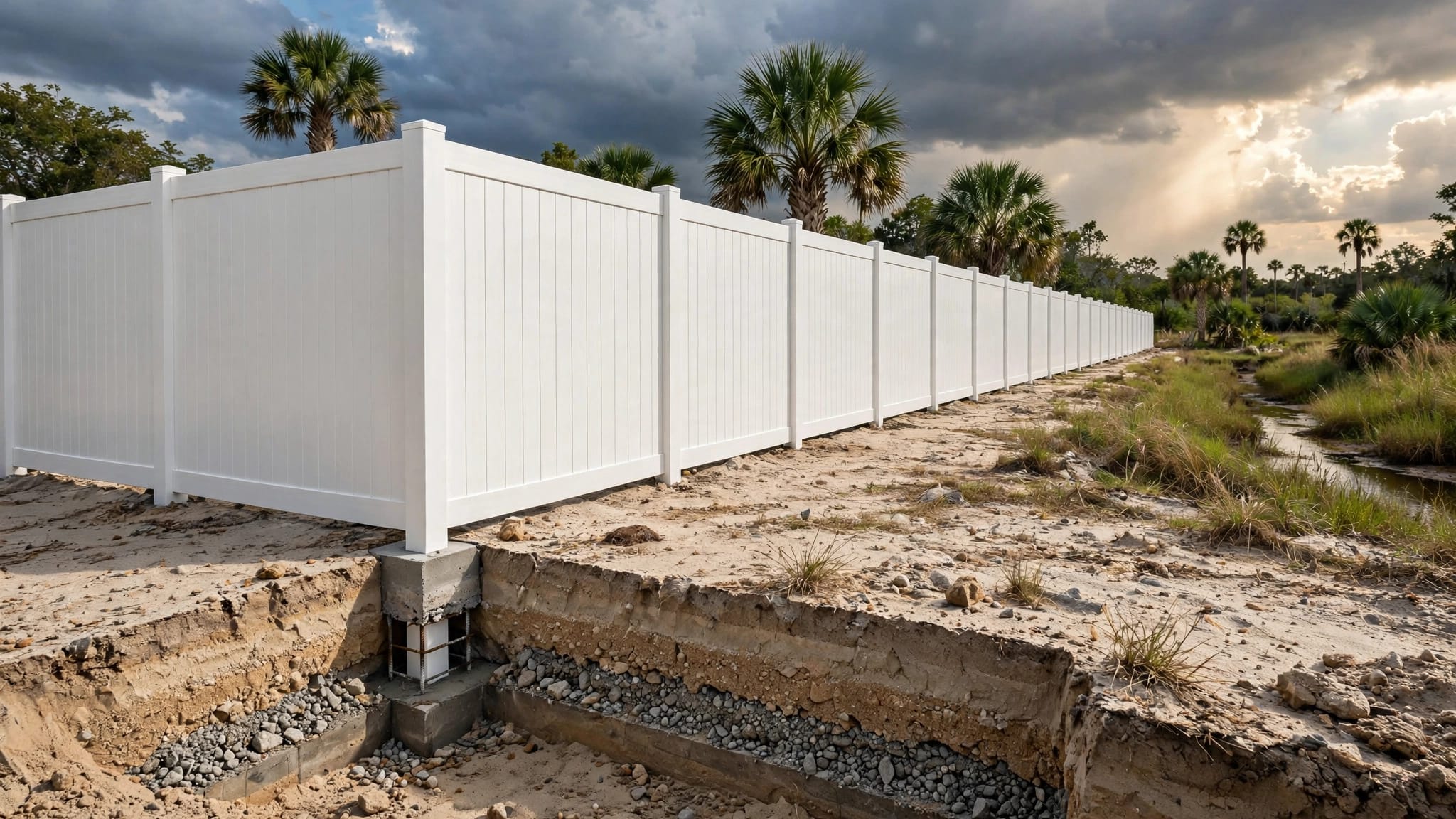
How to Install a Fence Near French Drain Piping in Florida
One fence post can turn a working French drain into a soggy stretch of yard. If you're planning a fence near French drain piping , find the buried trench and its outlet before you choose post locations. The safest layout keeps footings clear of the drain and leaves room to repair it later.
In Southwest Florida, sandy soil and heavy rain make both fence support and water flow part of the same decision. Start by mapping what is underground, then design the fence around it.
Key Takeaways
- Locate the French drain, its gravel trench, and its outlet separately from any utility markings.
- Contact Sunshine 811 before excavation, but don't expect its markings to identify a private drain.
- Keep posts, concrete, and construction equipment off the drain route. There is no universal safe setback for every yard.
- Check the survey, easements, property line, HOA rules, and local permit requirements before settling on a layout.
- Size fence footings for the site and fence design, not by guessing that a shallower hole will avoid the pipe.
Find the French drain before placing a post
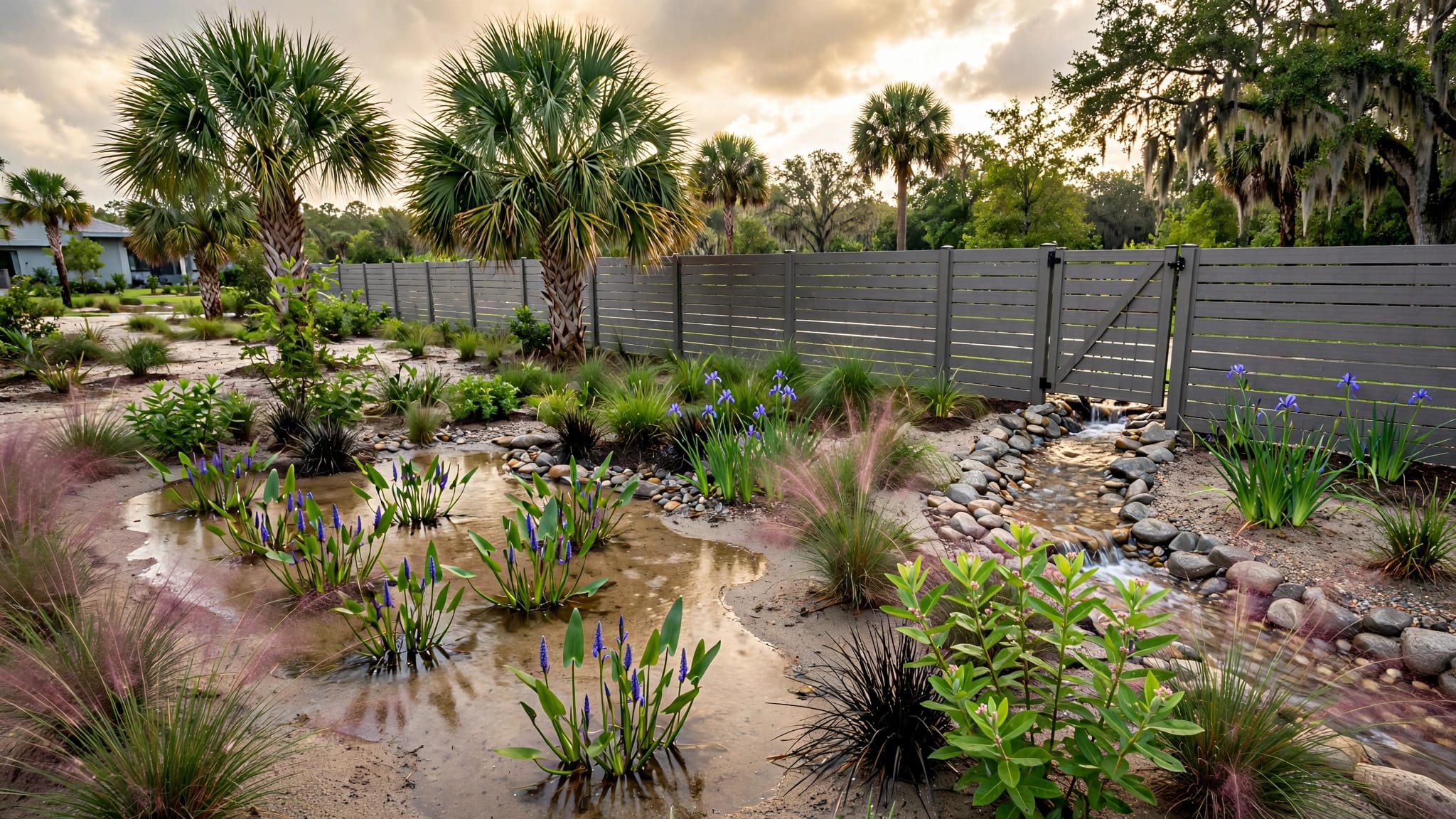
A French drain commonly collects water through a gravel-filled trench and moves it through a buried pipe. The visible wet spot may not sit directly above the pipe, especially if runoff reaches the trench from several directions.
Trace the inlet, trench, and outlet
Start with installation plans, contractor invoices, landscaping records, or photos taken before the drain was covered. Look for catch basins, gravel seams, cleanouts, and low areas where water enters. Then find where it exits, such as a daylight opening or a pop-up emitter.
Walk the yard after a heavy rain and note where water appears or drains away. That observation helps, but it doesn't prove the pipe's exact position or depth. Mark the suspected route and outlet for the fence contractor to review. If records are missing, ask a drainage professional to locate the system before anyone excavates near it.
Protect the outlet as carefully as the pipe
An outlet can disappear under grass or mulch. Once found, keep it visible and accessible. A post hole, concrete spill, or new gate threshold can block discharge even when the buried pipe remains intact.
Don't assume you can move the outlet to make the fence fit. A proposed change could affect a roadside swale, neighboring property, or an approved drainage plan. Have a drainage professional review any rerouting before fence work begins.
Call 811, then locate private lines separately
Sunshine 811 marks participating utilities, not your property boundary or every private line in the yard. A French drain generally needs its own locating effort. So do private irrigation, landscape-lighting, pool, or other owner-installed lines that utility operators may not mark.
Request a utility locate before excavation
Submit a Sunshine 811 request at least two full business days before digging. Weekends and holidays don't count toward that waiting period. Give the fence crew the planned work area, and make sure everyone can see the markings before post locations are finalized.
Marks indicate underground utilities that need protection; they aren't permission to dig directly on a line. If a proposed post conflicts with a marked route, stop and revise the layout. The Cape Coral utility locating guide explains what homeowners should check before fence-post excavation.
Verify what the markings leave out
Compare the utility marks with your drain map, irrigation controls, outdoor electrical equipment, and any known private plumbing. If the drain's position remains uncertain, don't test the route with a power auger. Arrange for the uncertain area to be located or carefully exposed using a method appropriate for nearby utilities.
A utility locate and a drainage locate answer different questions. You need both answers before digging along a crowded fence line.
Check the property line, easements, and permit rules
Finding a safe spot beside the pipe doesn't automatically make it a legal fence location. The proposed line also has to fit the lot and any restrictions recorded against it.
Put the survey beside the drain map
Use a current survey or other reliable boundary documentation to identify property lines and easements. An old fence, hedge, or mowing edge isn't proof of where the lot ends. Show the proposed posts, gates, drain route, and outlet on the same plan.
A drainage easement may limit permanent footings or require maintenance access even if the drain itself belongs to you. Review the recorded documents and ask the responsible authority before building in a restricted area. These fence placement rules for drainage easements explain why a workable drainage layout can still need approval.
Confirm the rules for your address
Cape Coral and unincorporated Lee County have different permitting processes. Other Southwest Florida cities and counties set their own requirements for fence placement, height, gates, and inspections. Check the applicable building or zoning office, along with any HOA requirements, before ordering materials.
Cape Coral's fence application warns that a fence in an easement may have to be removed at the owner's expense for public-utility work. A permit doesn't erase that risk. If your address falls outside a city, review the Lee County fence permit rules for unincorporated areas and confirm the current requirements with the county.
Plan a fence near French drain piping with room for repairs
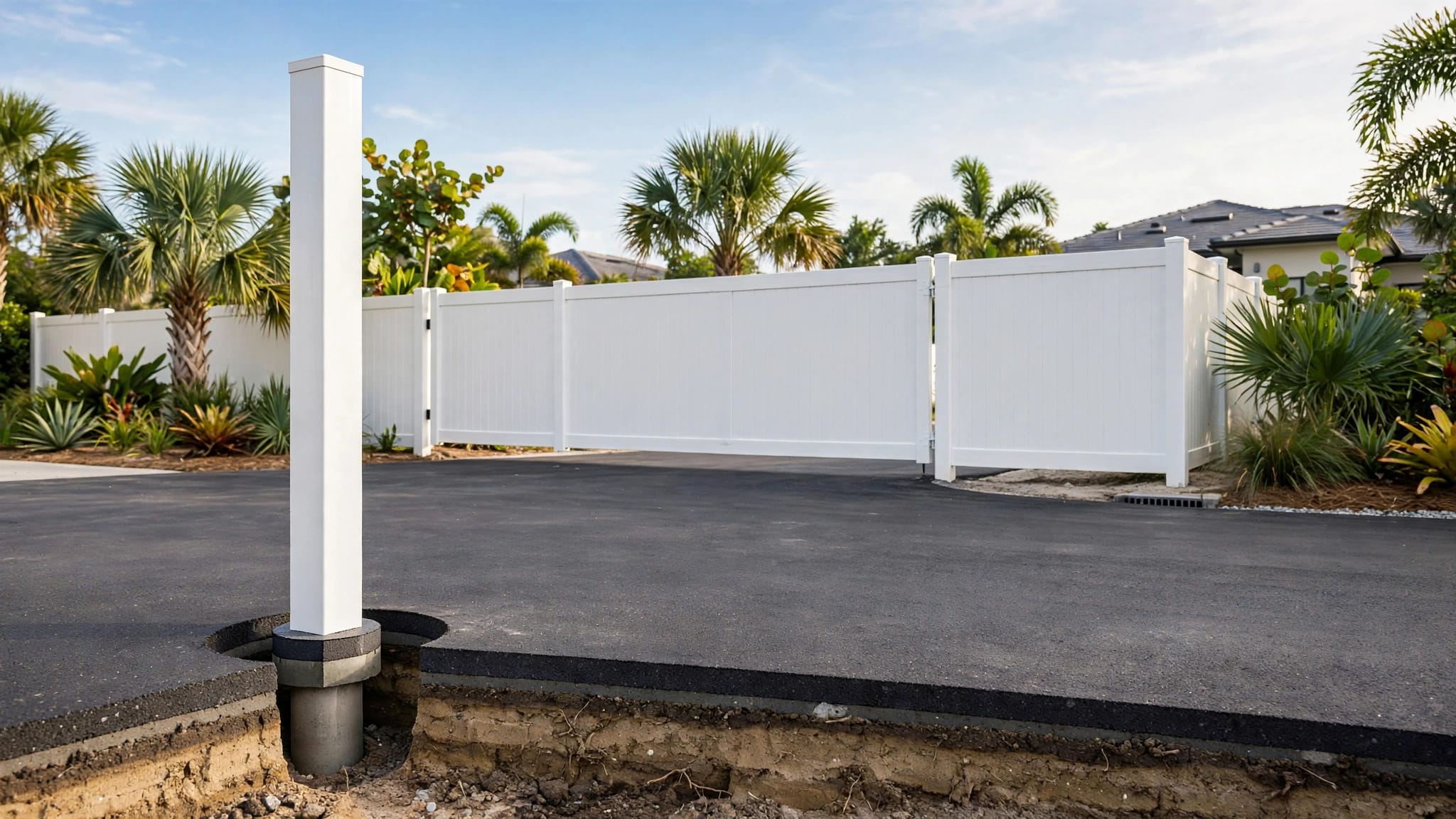
There isn't a single distance that makes every post safe. The drain's width, depth, condition, nearby utilities, and future access needs all affect the layout. Even a post beside the pipe can damage the gravel trench if its footing extends into the drain.
Keep the full footing outside the drain area
Mark the trench's apparent edges, not merely the pipe's centerline. Then account for the full excavation and any concrete that will surround each post. Ask the drainage installer or a qualified drainage contractor to review the separation where the route is tight.
The easiest solution is often to shift the fence line so posts stay clear of the trench and outlet. Where only one proposed hole conflicts, an installer may be able to adjust post positions and panel spans. Any revised spacing still needs to suit the fence design and applicable requirements.
Preserve a usable maintenance route
Drain pipes clog, outlets collect debris, and damaged sections sometimes need excavation. A gate or removable fence section can help a service crew reach the system. It doesn't make a footing over the trench safe.
Consider which side of the fence a worker would approach from and whether they could reach the outlet with tools. For a fence near French drain outlets, that access can matter as much as the initial clearance.
Choose footings that suit sandy, wet ground
Southwest Florida's sandy soil can loosen around an excavation, especially after rain. A fence must also resist wind loads while the ground is saturated. Those conditions make footing design a poor place for shortcuts.
Use conventional footings where the route is clear
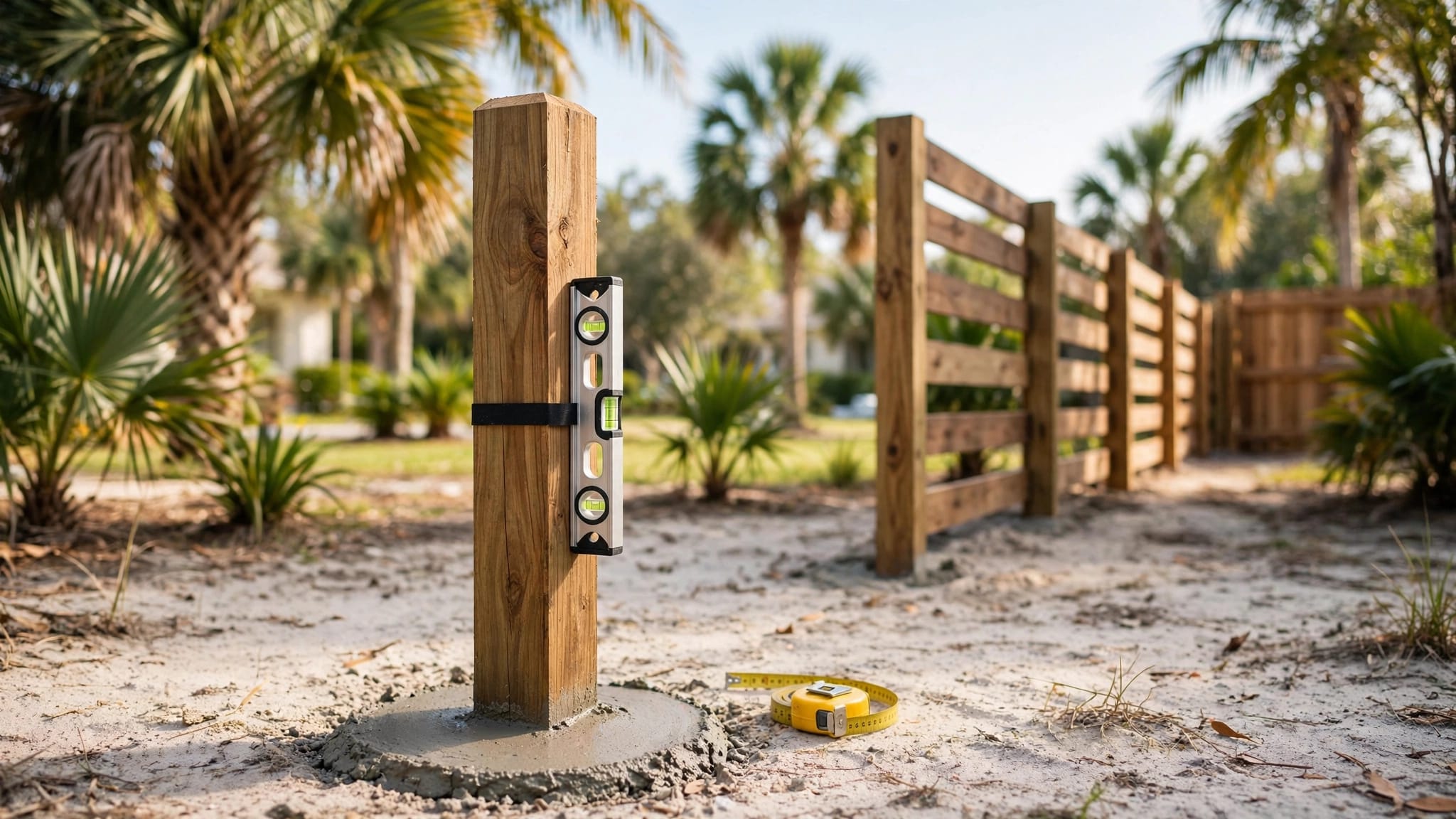
Posts set in appropriately designed footings can work when the entire hole remains outside the drain and other restricted areas. The contractor should choose post size, embedment, and footing details based on the fence, soil, exposure, and local requirements.
Don't treat a shallow hole as an automatic fix. It may still reach the drain gravel while leaving too little support for the fence. Likewise, driving a post or spike into the ground avoids an open hole but can puncture buried piping.
Consider a different support layout when space is tight
Moving a post, changing a bay width, or choosing a more open fence style may resolve a conflict. A surface-mounted post might be possible on a suitable existing structure, but only if that structure and its attachment are approved for the fence loads. Don't pour a new pad over the drain to create a mounting point.
Material affects the design, too. A solid privacy fence catches more wind than many open aluminum or chain-link styles. Ask the installer to compare workable layouts before choosing a fence solely because its posts appear smaller.
Keep stormwater moving after installation
A drain can remain intact and still work poorly if the fence changes how water reaches it. During Southwest Florida downpours, small changes in grade can send runoff toward a house, pool deck, or neighboring lot.
Avoid creating a barrier at ground level
Don't pile excavated soil, landscape edging, or concrete washout along the drain path. Keep the outlet free of mulch and fence debris. If panels run close to the ground, confirm they won't trap leaves and sediment where water needs to pass.
A roadside swale deserves separate attention. It may carry water well beyond your property, and work near it can involve different access or placement rules. For Cape Coral properties, review the drainage swale fence rules before setting posts near the street.
Check the yard after the first major rain
Once the fence is up, watch where water collects and confirm that the outlet discharges as expected. Look for fresh erosion around footings, buried outlet openings, or sediment caught against the fence.
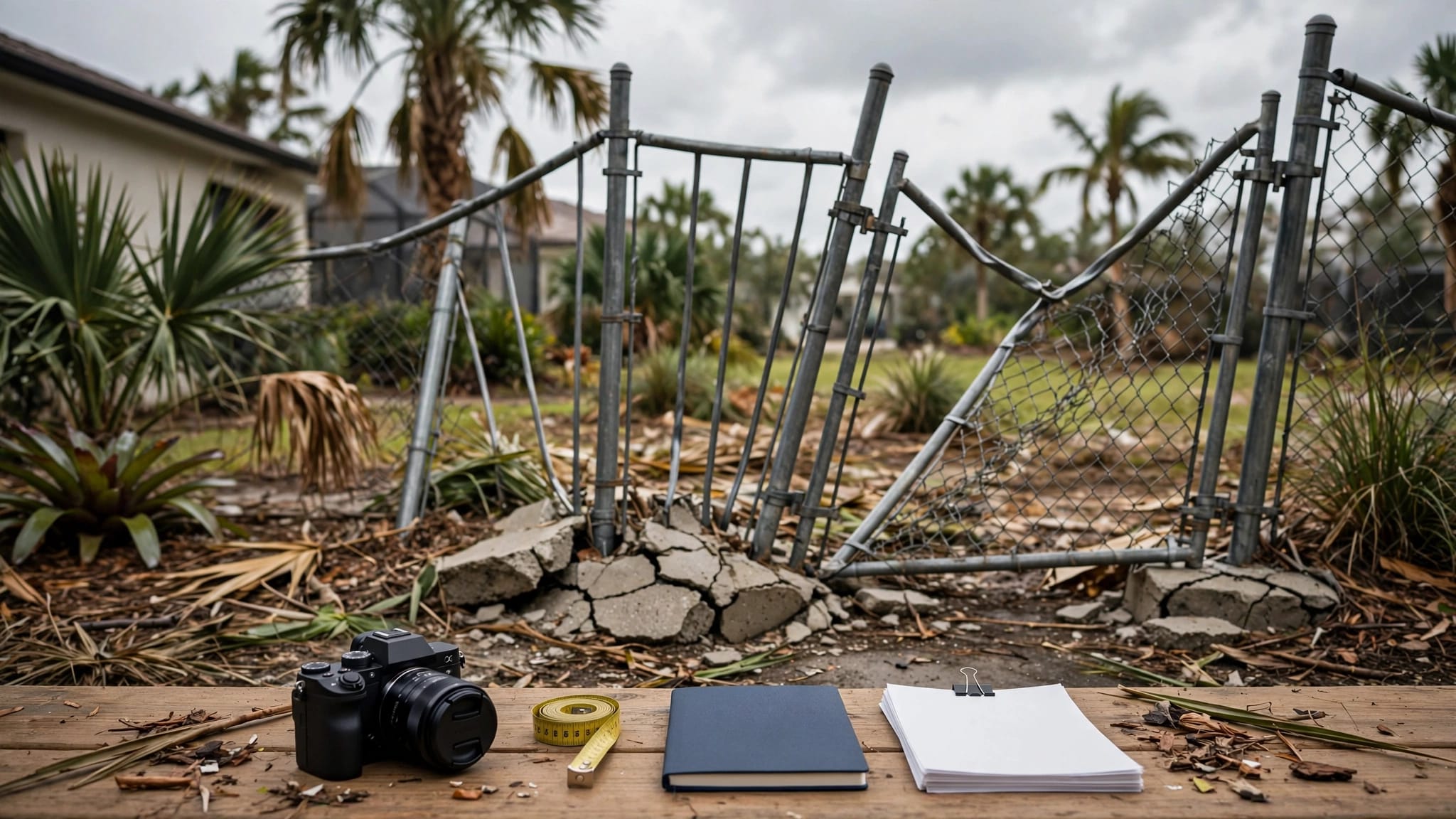
If drainage worsens, document what you see and ask the fence contractor and drainage professional to inspect it. Raising a panel or clearing an outlet may help, but a damaged pipe needs a proper repair.
Put the plan to work without digging blind
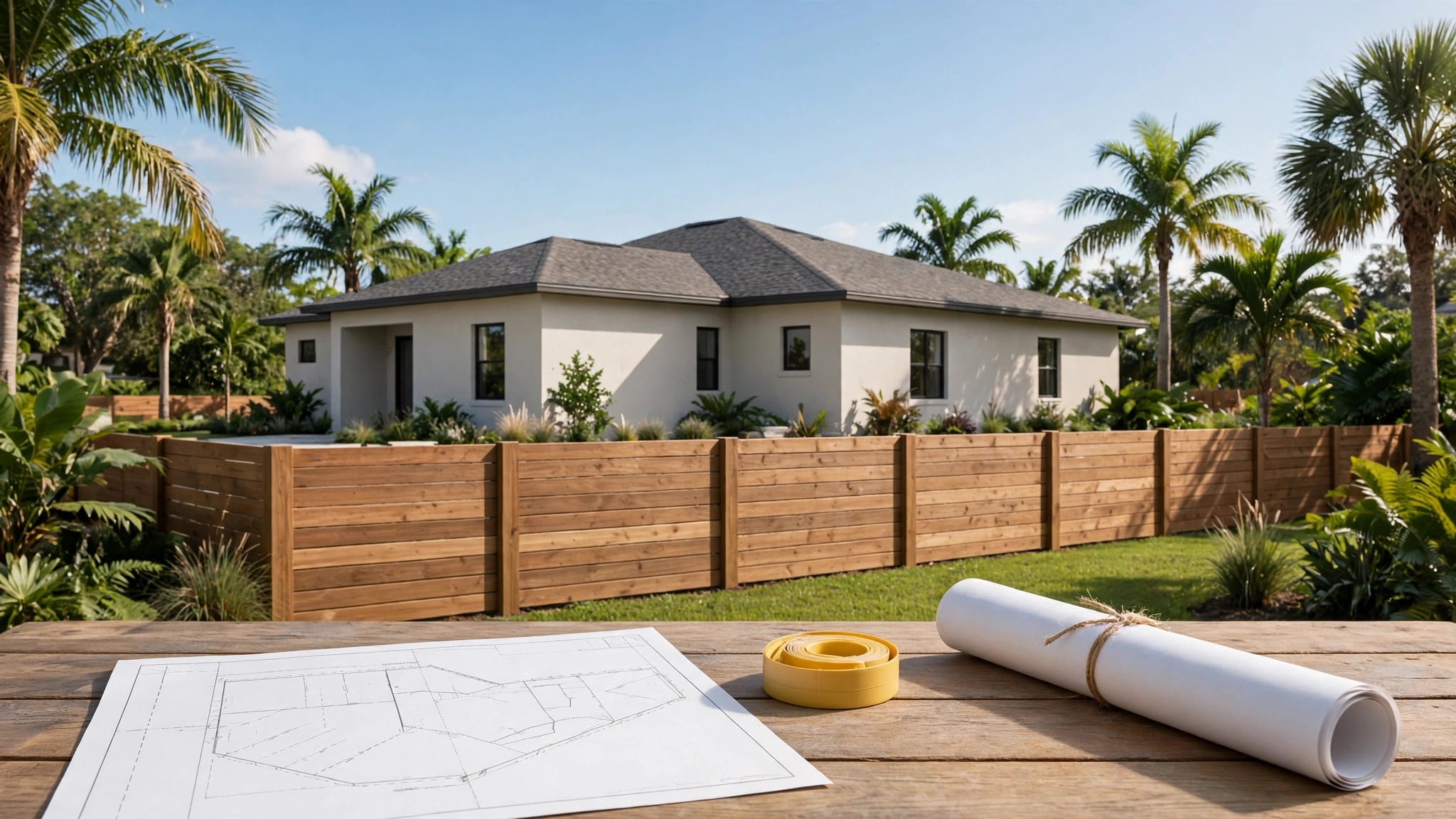
A marked-up site plan gives the homeowner, fence crew, and drainage professional one shared layout. It should show the boundary, easements, utilities, drain trench, outlet, proposed posts, and access opening.
Follow this order before installation:
- Gather the survey and available drain records, then locate and mark the drain and outlet.
- Confirm the permitting jurisdiction, easement limits, property-line requirements, and any HOA approval.
- Request the Sunshine 811 utility locate and identify private lines separately.
- Review each proposed post hole against the marked drain, utilities, and approved fence plan.
- Install only after conflicts are resolved, then verify drainage and outlet access when the work is complete.
If a hole exposes unexpected gravel, pipe, or a line that wasn't on the plan, stop work at that location. Have the feature identified before relocating or setting the post. A small layout change is easier to handle before concrete goes in.
Common questions before a fence goes in
Can a fence cross a French drain?
A fence panel may pass above a drain route if its supports sit in suitable locations and the design leaves needed maintenance access. That doesn't mean the posts can go through the trench. Have the crossing reviewed against the drain's actual location, the fence design, and any easement restrictions.
Will 811 tell me where my French drain is?
No. Sunshine 811 coordinates markings for participating utilities; it isn't a private drainage survey. Use installation records and a separate drainage locate to establish the drain route. If the location is still uncertain, resolve it before excavating.
Conclusion
A fence near French drain piping starts with knowing where water enters, travels, and exits. Keep the full post footing clear of that route, protect the outlet, and leave space for future service.
Then confirm the boundary, local approvals, and utility markings before digging. A clear layout before the first hole protects both the new fence and the drainage your yard depends on.