How to Replace a Chain Link Fence Top Rail in Florida
A bent top rail can often be replaced while keeping the rest of your chain link fence. Successful fence top rail replacement depends on sound posts , correctly sized parts, and corrosion-resistant connections.
In Southwest Florida, humidity, salt exposure, and storm damage make that inspection especially important. Before you remove the damaged tubing, check whether the problem stops at the rail or extends into the fence framework.
Check Whether the Damage Is Limited to the Rail
Inspect the posts and footings first
Walk both sides of the fence and photograph the damage before moving anything. Look for leaning posts, cracked concrete, rust around post bases, and stretched mesh.
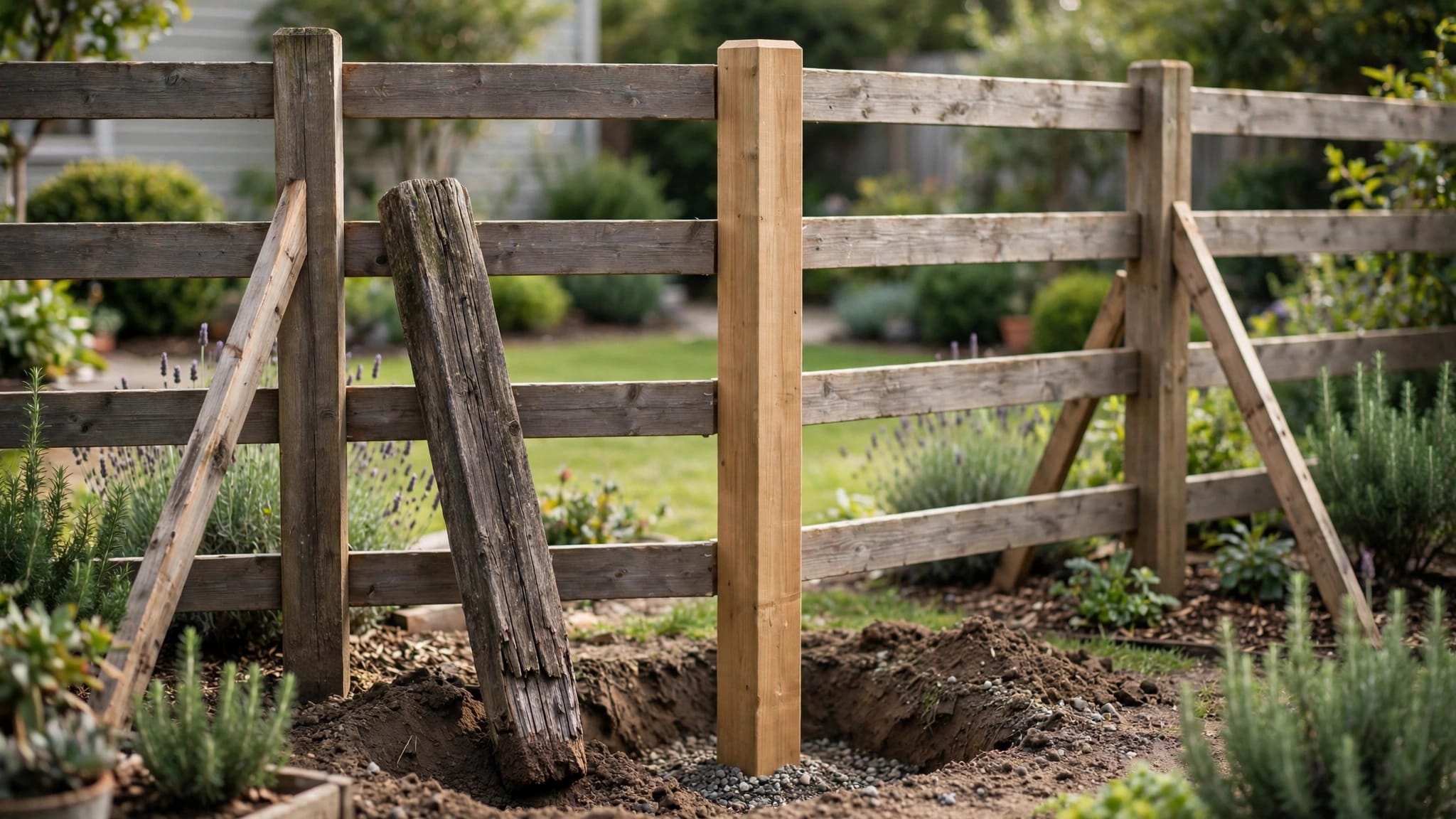
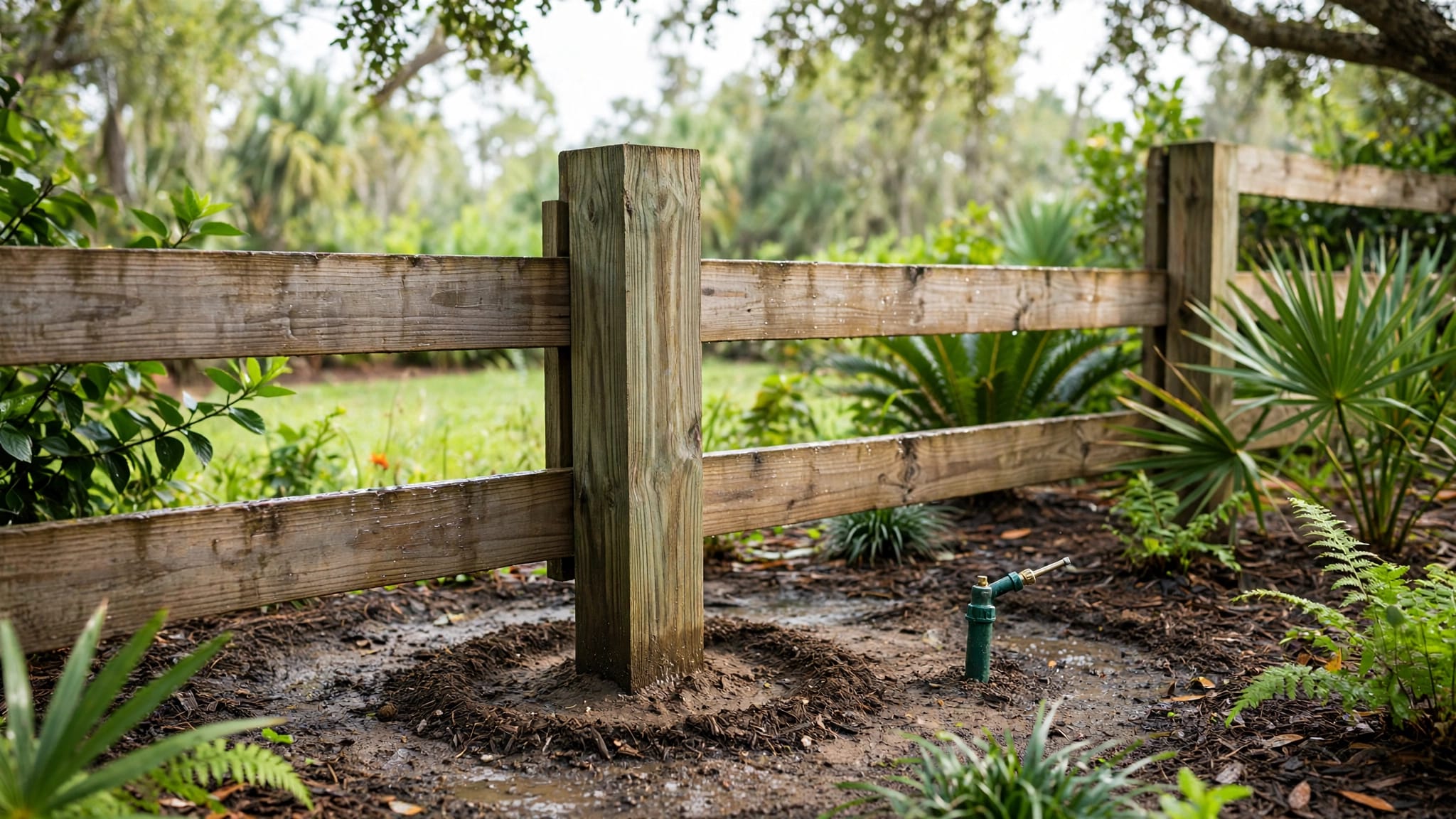
Next, check whether nearby posts move under gentle hand pressure. A damaged rail attached to stable posts is a different repair than a section with loose foundations.
After heavy rain or a hurricane, saturated soil can leave posts unstable even when the fence looks mostly upright. Supreme Fence's guidance on assessing fence damage after a storm covers these broader warning signs.
Examine the connections and mesh
Check the loop caps on intermediate posts, the rail ends at terminal posts, and the joints between rail sections. Split fittings or heavily corroded sleeves need attention alongside the tubing.
Also inspect the chain link fabric, meaning the woven wire mesh. Torn mesh, distorted diamonds, or widespread sagging can require separate repairs.
A rail-only repair makes sense when the supporting structure remains firm and the mesh remains usable. If several posts lean or multiple sections show deep corrosion, have a contractor assess the whole run.
Choose Compatible Fence Top Rail Replacement Parts
Match the tubing dimensions and joints
Measure the existing rail's outside diameter, not its inside opening. A common residential size is 1-3/8 inches , but don't assume your fence uses it.
Match the wall specification, finish, and connection style too. Wire gauge describes the mesh wire; it doesn't identify the rail's wall thickness.
Some rails have a reduced, or swaged, end that slides inside the next section. Others connect through a separate sleeve.
Bring an undamaged sample or clear measurements to the supplier. Measure replacement length with the required joint overlap included, following the selected system's instructions.
Select corrosion-resistant finishes and hardware
For a galvanized steel fence, choose galvanized steel rail and compatible corrosion-resistant fittings. For black-coated fencing, match the coating system and underlying metal protection as closely as possible.
Florida's humidity keeps exposed metal damp, while coastal salt deposits increase corrosion risk. Pay particular attention to cut ends, scratched coatings, and connections that collect moisture.
Don't substitute aluminum tubing simply because it resists rust. Its dimensions, strength, and fittings must be compatible with the existing system.
Likewise, avoid mixing metals without manufacturer approval. Replace rusted ties, sleeves, rail ends, bolts, or caps with compatible parts rather than attaching new tubing to failing hardware.
Color alone doesn't tell you whether two products are compatible. Ask the supplier to confirm the rail and fittings work together.
Confirm Local Permit Requirements Before Work Starts
Florida permit requirements depend on the property's jurisdiction and the repair's scope. Ask your city or county building department how it classifies a like-for-like top-rail repair.
Explain whether you're replacing only tubing or also changing posts, height, materials, or fence location. Those differences can change the approval process.
Lee County's guidance addresses permits for fence installation or replacement in unincorporated areas. However, that doesn't establish how every rail-only repair is classified or what applies inside Cape Coral.
Properties in Cape Coral, Fort Myers, Sanibel, and other municipalities may fall under separate local processes. Request current confirmation for your address rather than relying on another homeowner's experience.
Also check HOA requirements if the repair changes the fence's appearance. If the fence is a pool barrier, maintain a compliant enclosure throughout the work.
For larger repairs, ask whether permits, inspections, or updated plans apply before expanding the project.
Gather Tools and Secure the Work Area
You'll generally need a tape measure, pliers, appropriately sized wrenches or sockets, and a metal-cutting tool. A hacksaw can handle small tubing cuts, while powered tools require additional control and protection.
Have a metal file ready for sharp edges. Wear gloves and safety glasses; add hearing protection when using powered equipment.
Keep children and pets away, and arrange temporary containment before opening the fence. A helper makes long rail sections easier to support and control.
Don't work on a fence touching fallen electrical lines or near damaged electrical equipment. Leave those conditions to the utility and qualified professionals.
Remove fallen branches only when it's safe. A branch resting on a bent rail may hold stored force, so an unsafe load needs professional removal first.
Finally, identify the rail-end hardware separately from the bands holding the tension bar. Replacing a top rail usually shouldn't require releasing the mesh's main tension.
If fittings are seized or the fence shifts while you handle it, stop and reassess.
Remove the Damaged Top Rail Safely
Support the mesh and release the ties
Temporarily support the fabric near the damaged section so it can't collapse when you remove the rail. Secure it to sound posts with suitable temporary straps or cord.
Then remove the ties attaching the mesh to the affected rail. Release only what you need to access the damaged tubing.
Old ties can break or leave sharp ends, so handle them carefully. Keep temporary supports independent of the rail you're removing.
Leave tension bars and their bands in place unless the repair also requires controlled fabric removal. That additional work can warrant professional equipment and experience.
Disconnect or cut out the bent section
For an accessible section, loosen the necessary rail-end connection or separate the existing joint. Support the tubing as you work.
If a bend prevents the rail from sliding through a loop cap, cutting the damaged piece may be necessary. Protect nearby mesh and fittings, and control both sides of the cut.
Don't force badly bent tubing through a cap. That can damage otherwise usable hardware or shift the post.
After removal, inspect adjacent tubing and sleeves for concealed rust or distortion. File sharp edges and discard components that no longer provide a secure connection.
Install the New Rail and Reattach the Fabric
Fit the tubing through the post caps
Feed the replacement rail through the existing line-post loop caps, keeping their alignment consistent with the fence system's instructions. Replace cracked or distorted caps before proceeding.
Connect sections using the matching swaged end or approved sleeve. For a cut-out repair, confirm that the replacement and couplings provide the manufacturer's required engagement.
Dry-fit the assembly before making the final cut. Account for rail-end cups and overlapping joints, because the visible gap alone isn't the required tubing length.
Cut the final piece to fit without forcing posts apart. Deburr the cut and apply the manufacturer's recommended protective treatment to exposed metal.
Then seat the rail in its terminal fitting and tighten the appropriate hardware. Use the bolt specified for that fitting rather than assuming every fence uses the same size.
Restore ties and check the finished repair
Reattach the fabric using compatible new ties where the old ones are damaged. Follow the fence manufacturer's spacing instructions.
For reference, one Home Depot installation guide specifies ties about 24 inches apart along the rail and 12 inches apart on line posts . Those measurements aren't universal requirements.
Keep the mesh supported while securing it, then remove temporary straps. Check for sagging, loose joints, protruding wire ends, and displaced caps.
Finally, operate nearby gates and inspect the repaired run. A new rail won't correct a leaning post or stretched fabric that still needs attention.
Protect the Repair Against Florida Corrosion and Storms
Rinse salt deposits off coastal fencing with fresh water, particularly around fittings and joints. Inspect the repair regularly for rust stains, chipped coatings, and loose ties.
Where galvanized steel needs touch-up, use a compatible zinc-rich repair coating according to its instructions. Black-coated components need the coating manufacturer's recommended repair treatment.
Paint over active rust won't restore metal thickness. Replace deeply pitted or weakened parts instead of concealing the damage.
Supreme Fence's Southwest Florida fence maintenance schedule provides material-specific inspection and upkeep guidance.
After strong winds, check the repaired rail, terminal connections, post bases, and gate alignment. Look for movement even if the replacement tubing remains straight.
Adding privacy slats or a windscreen increases wind load, so a successful rail repair doesn't establish that the existing posts can support those additions.
Fence top rail replacement restores a damaged component. It doesn't establish a hurricane rating for the entire fence, which depends on the complete system and installation.
Know When a Fence Contractor Is the Better Choice
A homeowner may handle a short, accessible rail replacement when posts are stable and connections separate easily. Long sections, seized fittings, pool barriers, and storm-shifted posts raise the difficulty.
Professional assessment is also worthwhile when damage repeats. Another bent rail may point to a loose footing, overloaded fence, or deteriorated framework.
When requesting an estimate, ask whether it includes rail, sleeves, caps, ties, coating touch-up, and debris removal. Confirm how the contractor will address any additional damage discovered during removal.
There isn't one reliable price for every repair. Rail length, finish, access, hardware condition, and post repairs all affect the scope.
Supreme Fence of SWFL is a family-owned, licensed, and insured contractor based in Cape Coral. Its chain link fence repair services include assessing damaged components and recommending appropriate repairs.
For local help, request a free estimate or call (239) 940-5945 . Describe the visible damage and whether it followed a storm.
Restore the Rail Without Overlooking the Framework
A bent rail can remain a limited repair when the posts, fittings, and mesh are sound. Match replacement parts carefully, support the fabric during removal, and protect exposed metal afterward.
For Florida homes, local permit confirmation and corrosion-resistant connections deserve attention before work begins. If the inspection reveals unstable posts or wider storm damage, address those problems before relying on the repaired fence.