Vinyl Fence Lifespan in Southwest Florida: What to Expect
A vinyl fence can last a long time in Southwest Florida, but the climate doesn't hand out easy years. Sun, salt, rain, and storm season put steady pressure on every panel, post, and gate.
If you're trying to gauge the vinyl fence lifespan for your yard, one number won't tell the whole story. The fence grade, the install quality, and the exposure around your home matter more than a generic estimate.
That local mix is what separates a fence that still looks clean years later from one that starts sagging early.
A realistic vinyl fence lifespan depends on more than the material
Vinyl has a good reputation for a reason. It doesn't rot like wood, and it doesn't rust like metal. Still, not every vinyl fence lasts the same amount of time in Southwest Florida.
A well-built fence usually starts with better material. Thicker panels, stronger rails, and better UV protection hold up longer. Thin, bargain-grade panels can get brittle sooner, especially on full-sun lots.
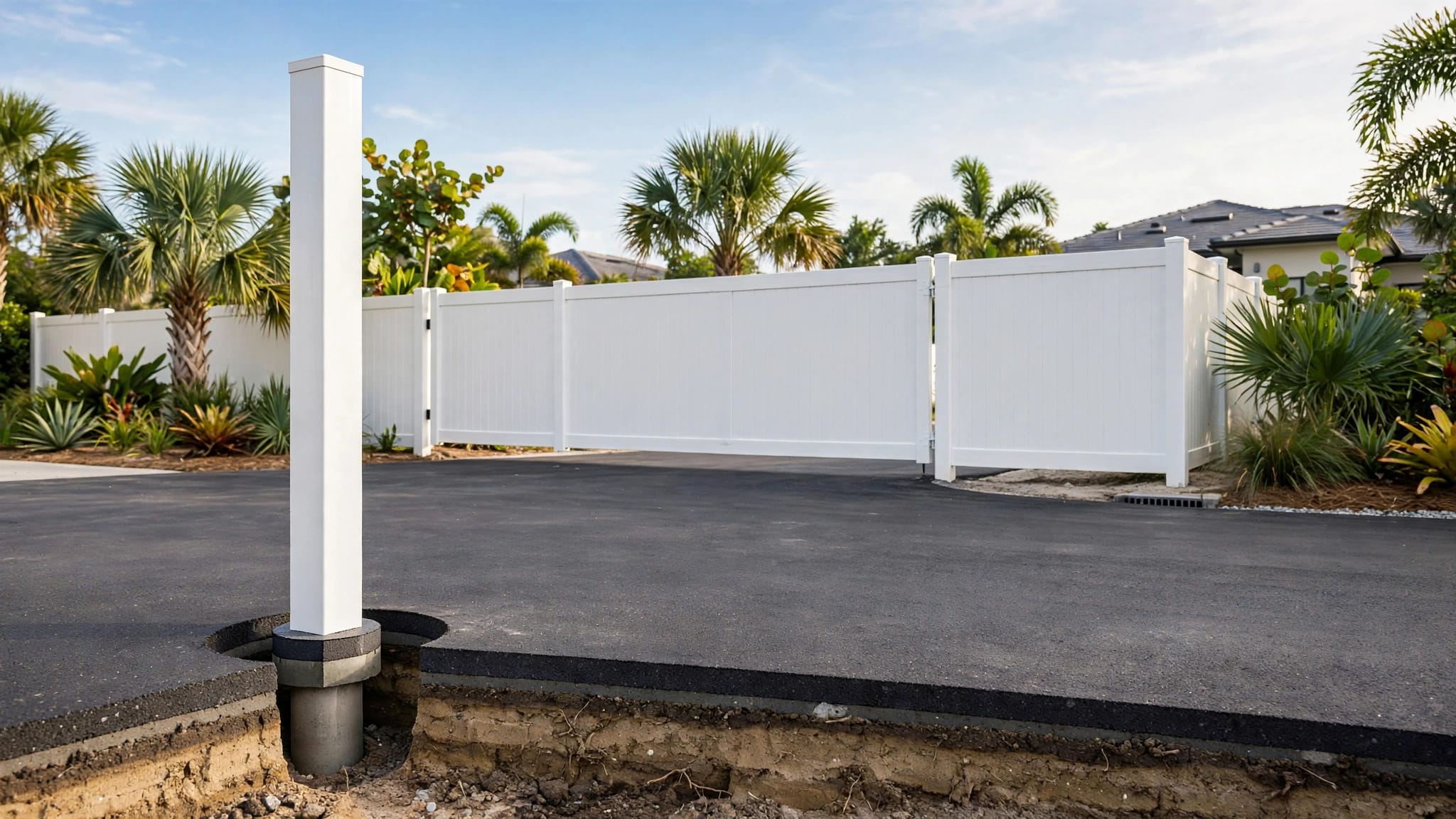
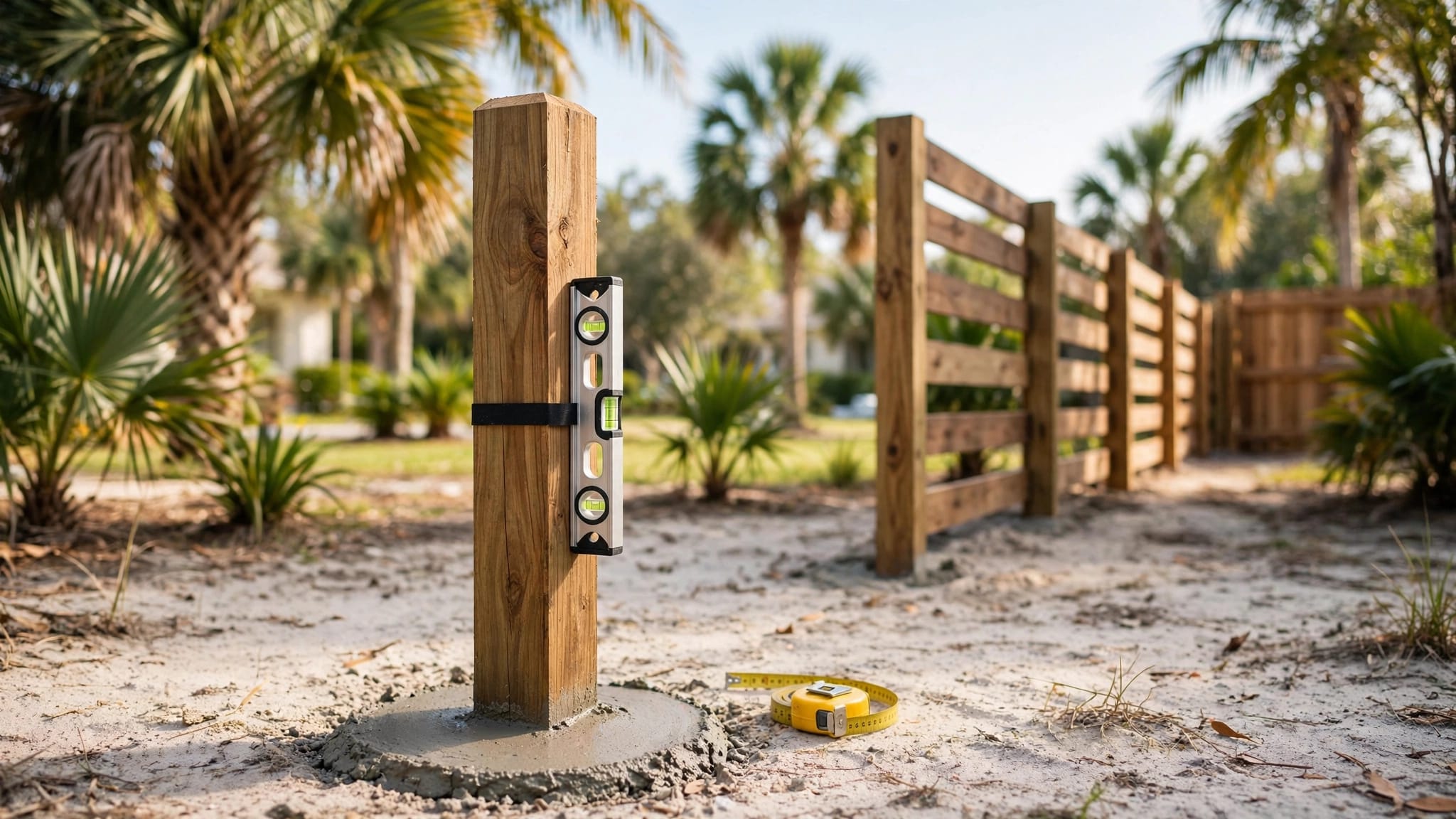
Installation matters just as much. If posts are shallow or out of plumb, the fence may lean before the vinyl wears out. Gates also expose weak work fast, because they move every day and pull on hinges, posts, and latches.
Good installation also gives vinyl room to move. In summer, rails expand. If they were cut too tight, the fence starts fighting itself. Strong footings and gate support matter even more on privacy fences, because solid panels catch more wind.
This quick table shows what has the biggest effect on lifespan.
| What affects lifespan | What helps | What shortens it |
|---|---|---|
| Material quality | Thicker vinyl with better UV resistance | Thin panels that heat up and crack sooner |
| Installation | Straight posts, sound footings, room for heat movement | Loose posts, tight rails, weak gate support |
| Exposure | Inland lots with moderate sun and less salt | Canal, coastal, or full-sun yards with heavy wind |
The takeaway is simple. A vinyl fence lasts longer when the product and the install match Southwest Florida conditions.
In this region, the fence name matters less than the fence grade, the post work, and the stress around your lot.
That's why many homeowners start with professional vinyl fence installation in Cape Coral instead of shopping by price alone. The right setup gives the fence a better shot at a long life.
Southwest Florida weather can shorten a vinyl fence lifespan
Southwest Florida doesn't usually destroy vinyl overnight. Instead, it wears a fence down a little at a time.
First comes sun and heat. Strong UV can fade color and leave the surface chalky. South and west-facing sections usually show it first, because they take the hardest afternoon sun. Heat also makes vinyl expand, so tight rails may bow, pop, or rub against posts once summer settles in.
Salt air adds another layer. Vinyl panels don't rust, but the fence still depends on screws, hinges, latches, and sometimes internal reinforcement. Near the coast, canals, and open water, salt can chew through cheap hardware long before the panels look old.
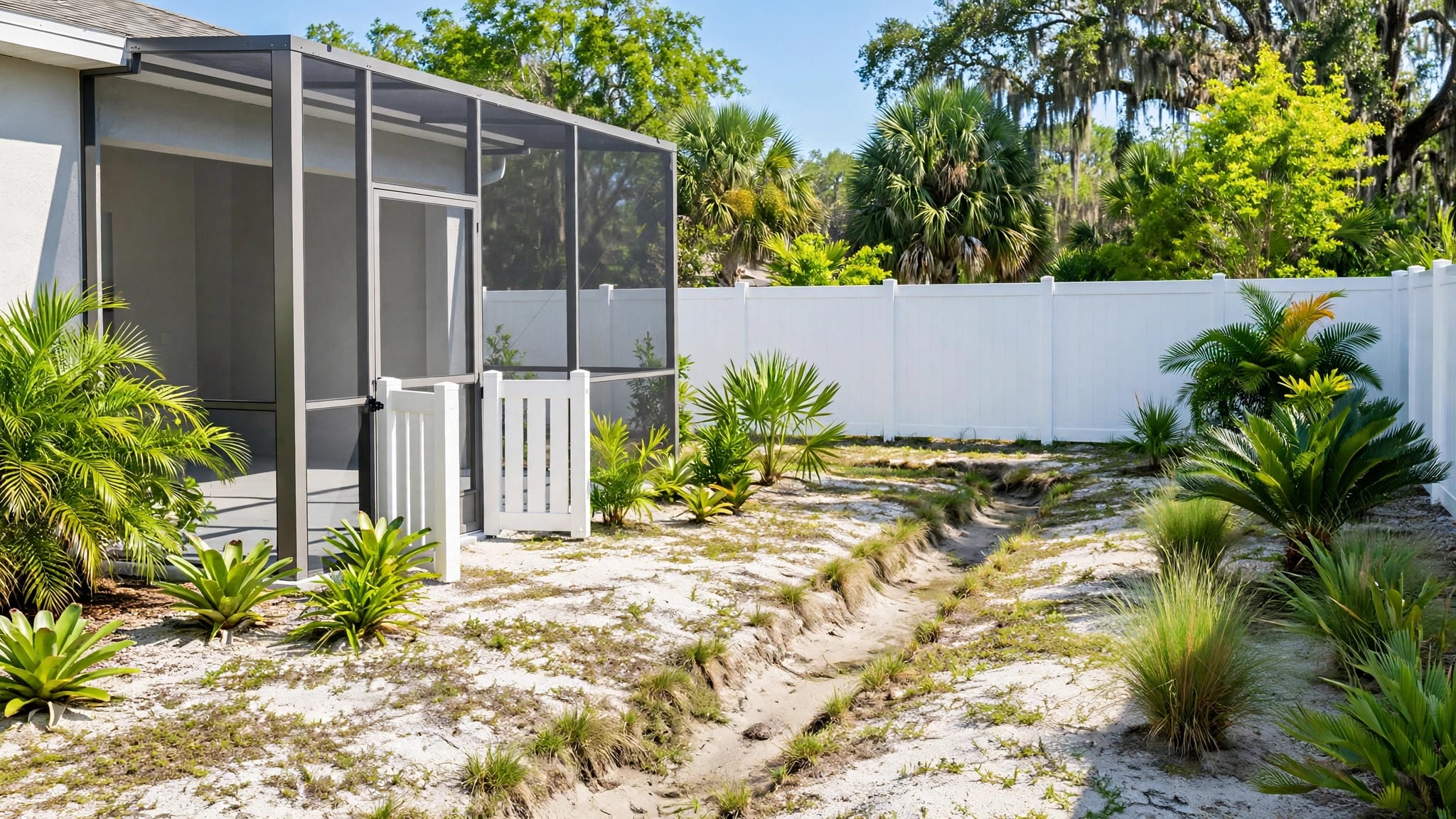
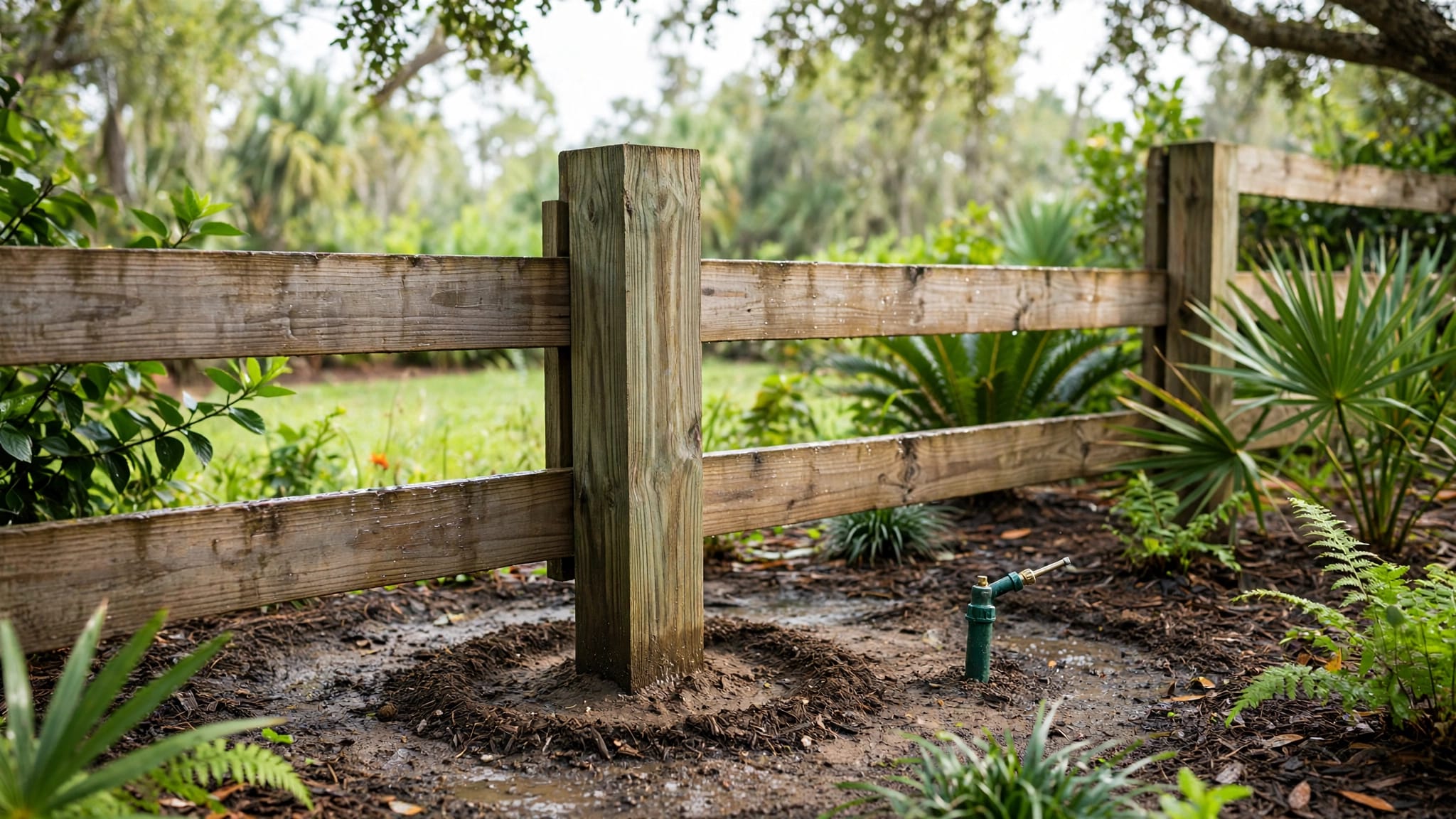
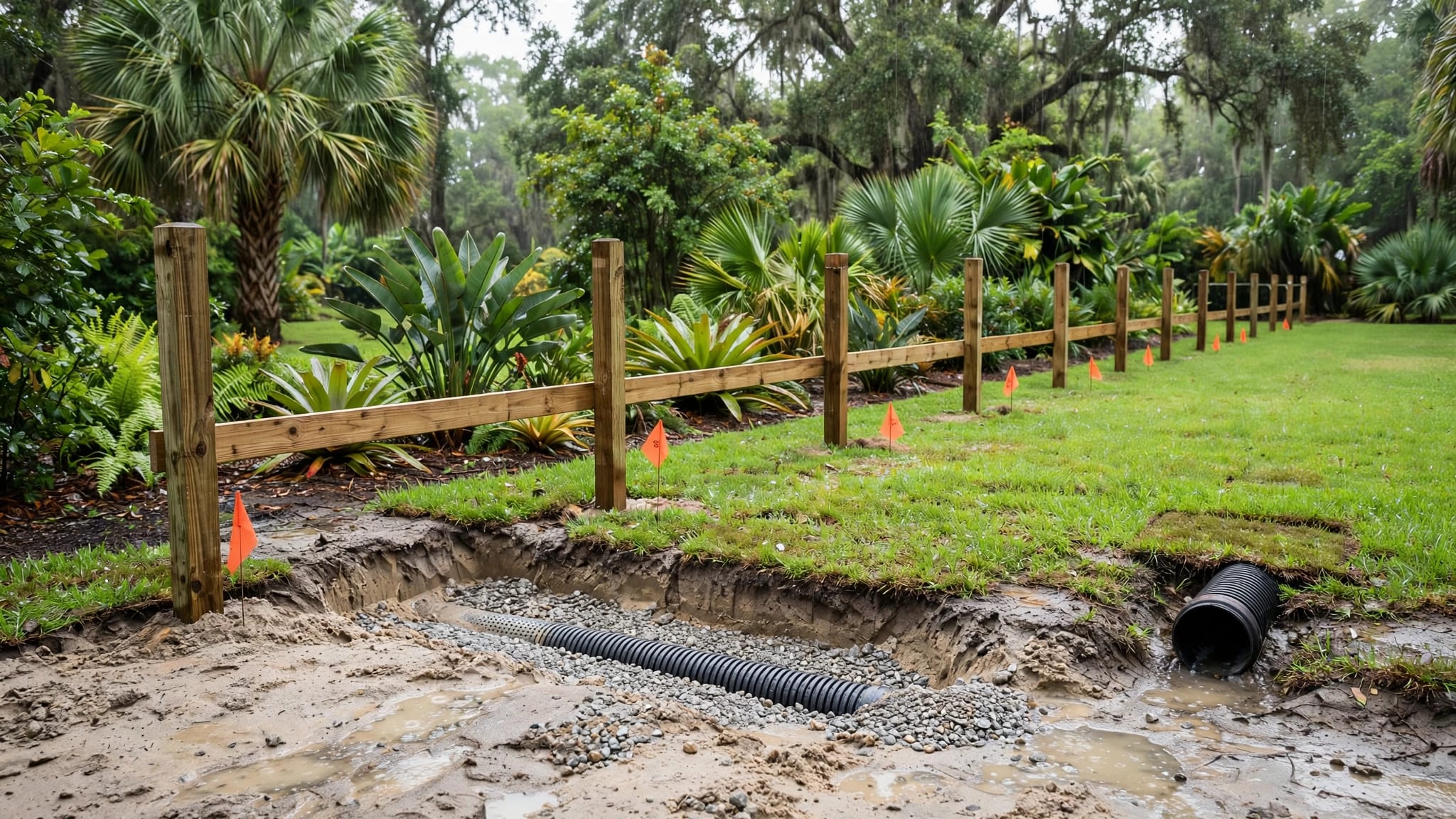
Moisture is another steady problem. Humidity, rain, and sprinkler overspray can feed mildew on shaded runs. Wet soil can also shift around posts. Sandy ground makes that stress harder to ignore, because repeated rain can loosen a fence below grade before the panels show much change.
Then storm season shows up. Privacy vinyl catches wind like a sail. One hard storm may not break a well-set fence, but repeated gusts can rack a weak section, pull at a gate, or push a leaning post farther out of line. Wide gates and long straight runs often show trouble first.
Local exposure changes everything. A fenced yard near the Gulf, on a canal, or beside a reflective pool deck ages differently than a shaded inland lot. That's why one-size-fits-all lifespan claims miss the point. In Southwest Florida, the conditions around the fence often decide how long it stays trouble-free.
Small habits can add years to a vinyl fence
The good news is vinyl doesn't ask for constant work. It does better, though, when you catch small problems early.
Wash the fence a few times a year with mild soap, water, and a soft brush. If you live near salt water, rinse it more often. Salt sits on hardware, and that buildup speeds wear. For a broader Southwest Florida fence maintenance schedule by material, it helps to follow a routine instead of waiting for damage.
Also keep plants, mulch, and vines off the fence line. Trapped moisture stains panels and hides cracks. Meanwhile, branches can bang against panels during summer storms.
Gates deserve extra attention. Open and close them every month. If the latch misses, the gate drags, or the top line drops, something is moving. Often, that warning shows up before the rest of the fence looks damaged.
Watch for premature wear like this:
- Hairline cracks near rail connections, post openings, or gate frames.
- A chalky surface, uneven fading, or brittle spots on full-sun sections.
- Rust stains around hinges, latch parts, or fasteners.
- Posts that wiggle after heavy rain, even if the panels still look straight.
- Panels that bow in heat or rails that start pulling out after storms.
If you spot one or two issues early, the fix is often small. Wait a season, and the same trouble can spread down the whole run.
When repair makes sense, and when replacement is smarter
Repair usually makes sense when the problem is isolated. A damaged gate, one cracked panel, loose hardware, or a single shifting post can often be fixed without replacing the full fence.
Replacement starts to make more sense when wear shows up in several sections at once. If multiple posts are loose, the vinyl feels brittle across long runs, or storm damage keeps returning, patching piece by piece often costs more in time and frustration.
When the fence is older, look at the system, not one panel. If the posts, gates, and hardware are all telling the same story, a full reset may be the cleaner answer. For isolated damage or a second opinion, fence repair in Cape Coral can help you sort out which path makes sense.
A vinyl fence in Southwest Florida can last a long time, but lifespan is earned, not automatic. Better material, sound installation, and realistic upkeep matter more than a one-size-fits-all promise.
If you're comparing quotes or looking at an aging fence, start with the posts, gates, and hardware. That's where the true vinyl fence lifespan usually shows up first.