How to Seal a Wood Fence Before Florida's Rainy Season
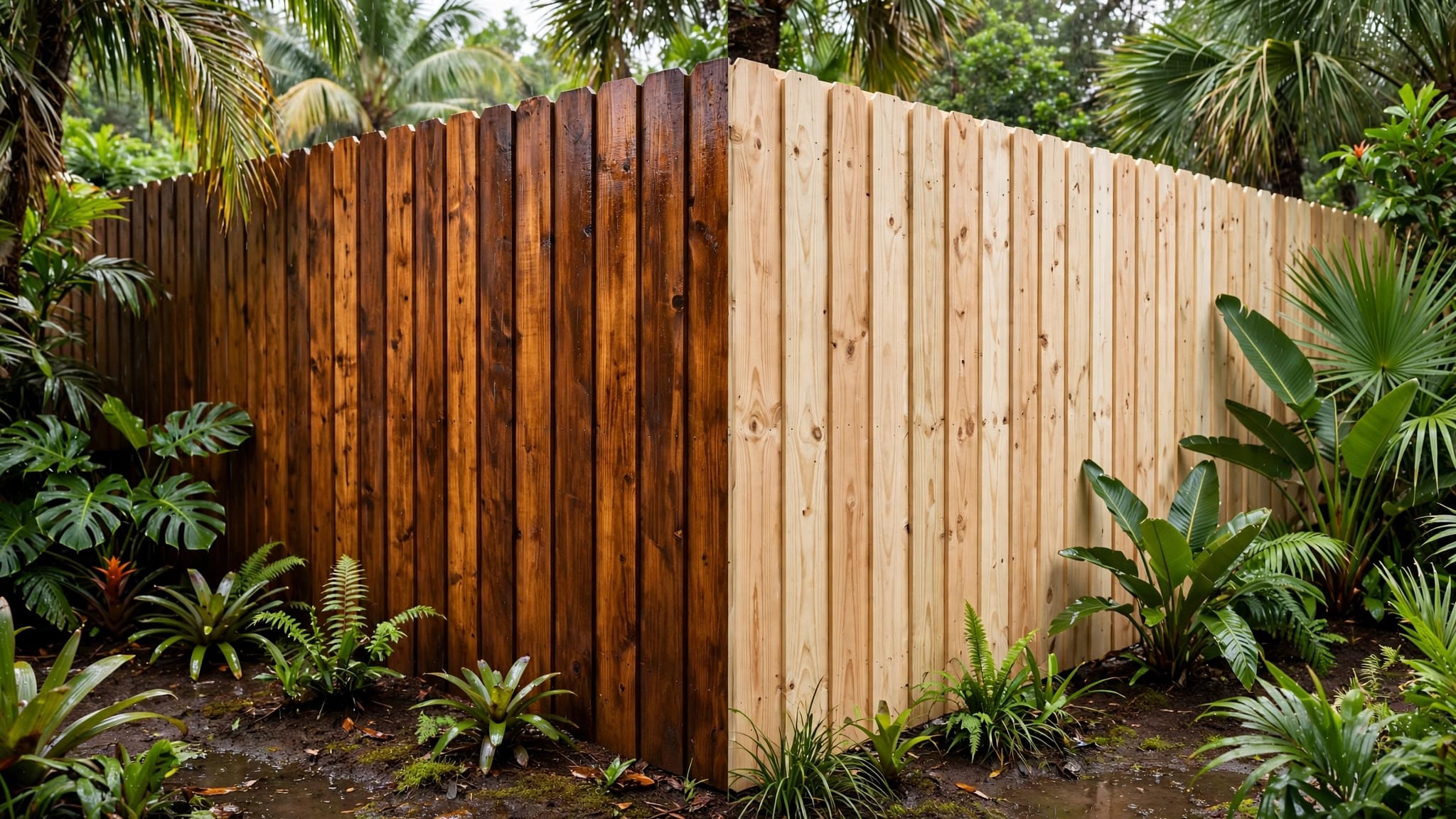
Florida's afternoon storms can turn an unprotected fence into a moisture sponge within a single wet week. To seal wood fence Florida homeowners should work before the rainy season, when boards can dry fully and the finish has time to cure.
A quality sealer slows water entry, reduces sun damage, and keeps the wood easier to clean. However, it can't repair rot, loose rails, or failing posts, so inspect the fence before opening a can.
When to Seal Wood Fence Florida Weather Allows
Timing affects both adhesion and long-term protection. A coating applied to damp lumber may look fine at first, then peel, turn cloudy, or wear away early.
Choose a genuinely dry stretch
Check the forecast for enough rain-free time to clean, dry, apply, and cure the product. Florida mornings often bring heavy dew, while summer afternoons can bring fast-moving storms. Start after the boards are dry, not merely after the rain stops.
Avoid sealing in direct, blazing midday sun if the product label advises against it. Hot boards can make a finish flash-dry before it penetrates evenly. Early morning after dew dries or a shaded afternoon often gives you more control.
The dry time before rain and the recoat window depend on the product label, humidity, temperature, and shade. Follow the manufacturer's directions over a general timetable.
Prepare the Fence Before Applying Sealer
Sealer bonds best to clean, sound wood. Skipping preparation can trap dirt, mildew, and loose fibers beneath the finish.
Repair damage instead of coating over it
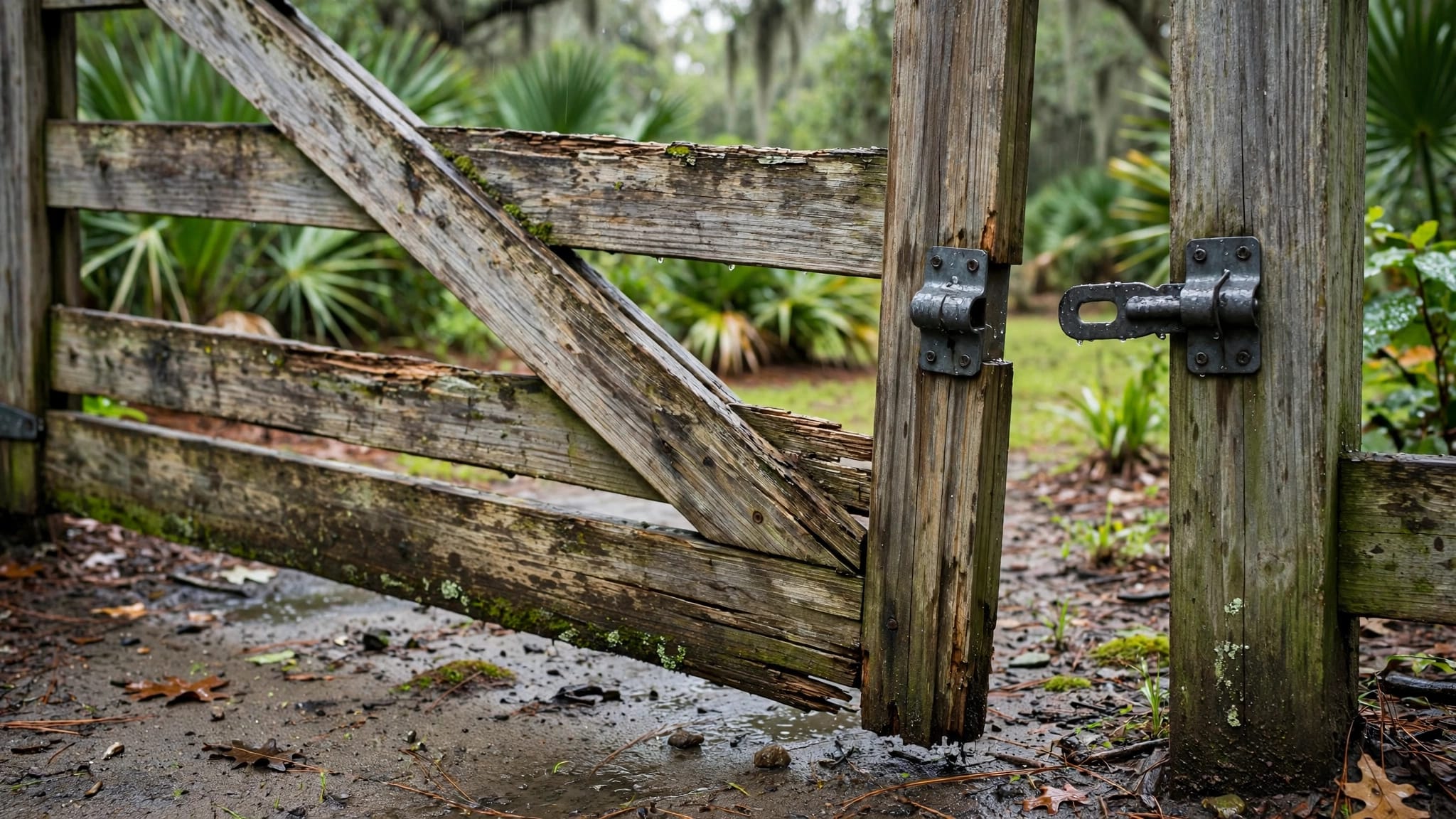
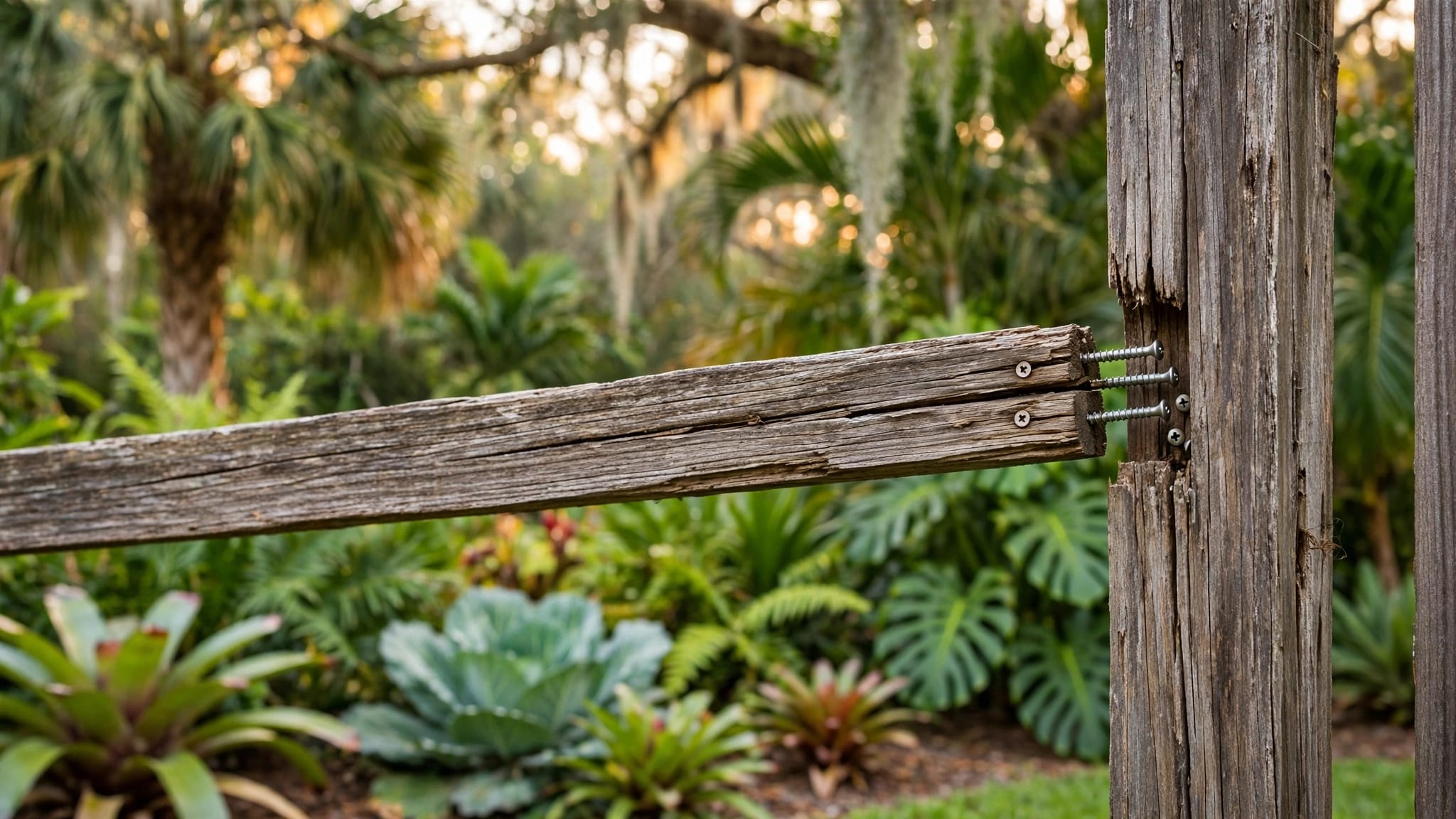
Walk both sides of the fence and inspect the lower pickets, bottom rails, posts, and gate area. Use a screwdriver to probe dark or soft spots near the ground. If the tip sinks in easily, replace that board or repair the affected section before sealing.
Also tighten loose hardware and replace popped nails with exterior-rated screws where needed. A sealer protects the wood surface, but it won't give stripped fasteners new holding power.
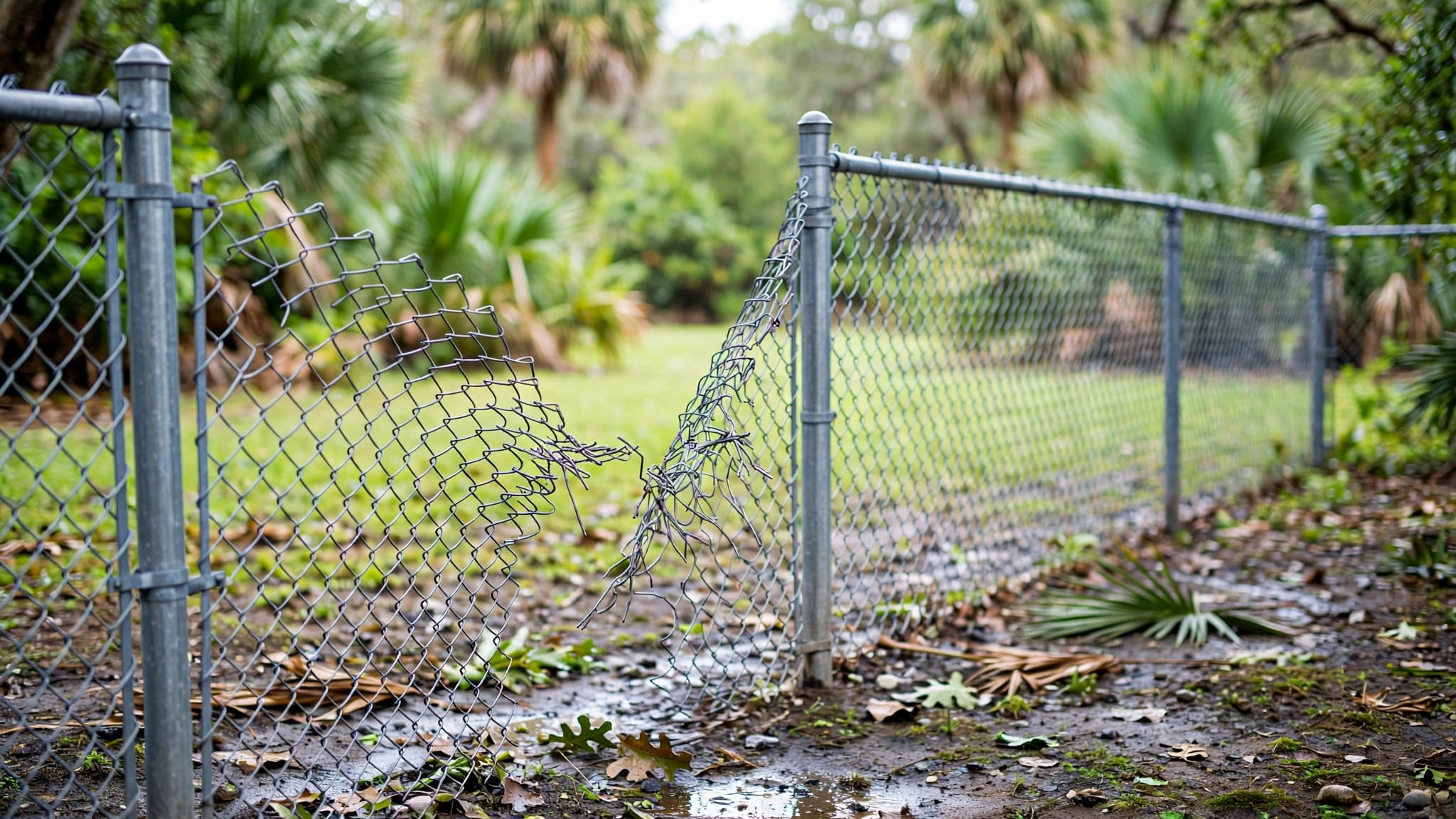
If your fence leans, has loose rails, or shows rot around posts, address those issues first. Small repairs often help extend the lifespan of a wood fence in Southwest Florida.
Wash gently and let the boards dry
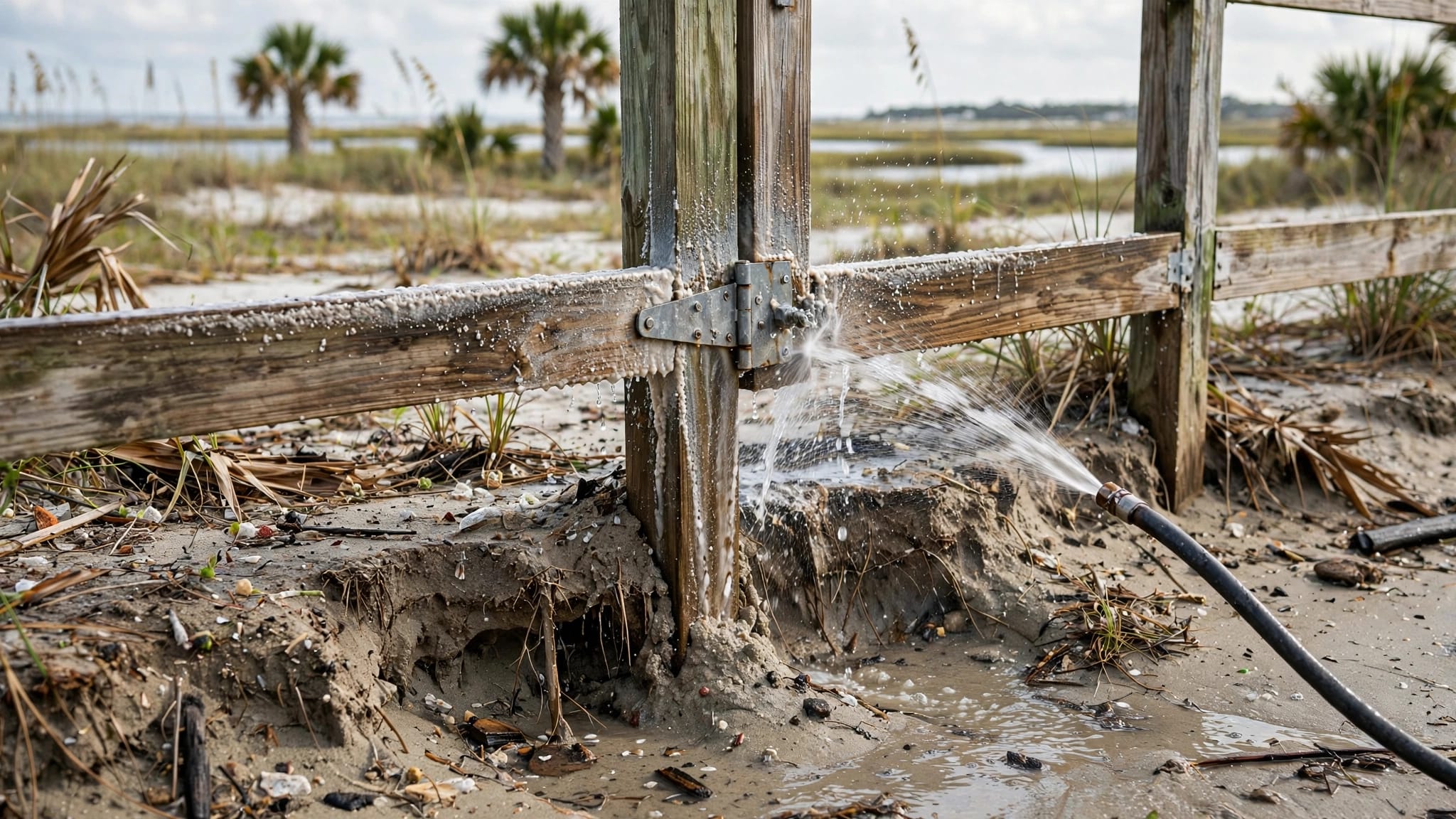
Clear away mulch, vines, furniture, and stored items along the fence line. Then sweep off cobwebs and loose debris. Wash the boards with a wood-safe cleaner that matches the product directions, using a garden hose and soft brush.
Pressure washers can rough up soft grain and force water into joints when used too aggressively. If you use one, keep the pressure low and maintain a consistent distance.
Rinse thoroughly, especially around rails and picket edges. Let the wood dry completely before sealing. Damp wood can hold moisture under the coating, which creates a short-lived finish.
Pick the Right Finish for Your Fence
The product must match the wood's condition and the look you want. Clear water repellents preserve a more natural appearance, while semi-transparent stains add color and UV protection.
Pressure-treated lumber needs extra drying time
New pressure-treated pine may contain moisture from the treatment process. It needs time to dry before it can absorb sealer properly. Check the lumber supplier's guidance and the finish label, or use a moisture meter to confirm the wood falls within the product's recommended range.
Once dry, pressure-treated wood benefits from a penetrating exterior stain or water-repellent sealer. Coat cut ends and board bottoms carefully because those exposed areas absorb water quickly.
When homeowners seal wood fence Florida heat and rain can be hard on fresh lumber. Rushing the first coat often leads to uneven color and poor penetration.
Previously coated wood needs a compatibility check
A fence with an old stain, paint, or opaque coating needs a different approach. Look for peeling, flaking, shiny patches, and water that beads unevenly across the boards.
Remove loose finish, clean the surface, and sand rough areas before recoating. A clear penetrating sealer usually won't bond well over a solid film-forming paint or stain. Choose a compatible product, or fully strip the old coating if you want to change finish types.
Test the product on a hidden board before treating the entire fence. That small step can reveal adhesion problems or a color you don't like.
Apply Sealer Evenly on Every Surface
Once the fence is clean, dry, and structurally sound, work in manageable sections. A brush, stain pad, roller, or pump sprayer can work, depending on the product and fence style.
To seal wood fence Florida homeowners should keep a brush nearby, even when using a sprayer. Brush back over sprayed material to work the sealer into the grain and prevent lap marks.
- Start at the top of each section and work downward to catch drips.
- Coat picket faces, edges, top caps, rails, and cut ends with even coverage.
- Give extra attention to board bottoms without allowing finish to pool near the soil.
- Keep sealer off plants, pavers, windows, and neighboring property.
Apply the number of coats the label requires. Don't assume a heavier coat gives better protection. Excess product can stay tacky, dry unevenly, or form shiny patches.
Maintain Your Sealed Fence Through Wet Weather
A sealed fence still needs attention after storm season begins. Rinse dirt, salt residue, and mildew before they settle into the grain. Keep sprinklers from soaking one section every day, and trim vegetation that holds moisture against the boards.
Check the fence at least once a year, especially along the lower six inches of wood. Watch for fading, rough fibers, cracked boards, and water soaking in rather than beading on the surface. Many Southwest Florida fences need fresh protection every 12 to 24 months, with full-sun, canal-side, and sprinkler-exposed sections often needing earlier care.
For recurring rot, loose posts, or storm damage, a professional wood fence installer in Cape Coral can help determine whether repairs or replacement make more sense.
A Dry, Protected Fence Lasts Longer
Florida weather asks more of wood fencing than a single coat of sealer can provide. Good results come from dry boards, sound repairs, compatible products, and patient application.
When you seal wood fence Florida conditions become easier to manage. A well-maintained finish helps keep rain on the surface, where it belongs.