Best Low-Maintenance Fences for Snowbirds in Southwest Florida
Owning a Southwest Florida home should feel easy, not like a year-round chore list. If you split time here and up north, your fence has to handle sun, salt, rain, and storm season.
It also can't beg for constant attention. That's why low maintenance fences matter so much for snowbirds. The best choices stay clean with a quick rinse and resist rot and rust. They also don't turn into a repair project while you're away.
What snowbirds should look for before picking a fence
A full-time resident can spot a loose hinge in a week. A snowbird may not see it for months. That's why material alone isn't enough.
Part-time homes need fences with three traits: low upkeep, strong hardware, and steady performance in harsh weather. Heat and humidity age materials fast. Salt air also works like slow sandpaper on screws, latches, and exposed steel. If your home sits near the coast or a canal, that wear can move even faster.
Choose a fence that doesn't need staining, sealing, or frequent paint touch-ups. Then pay close attention to posts, hinges, and fasteners. A great panel with cheap hardware is like a strong door on a weak frame.
For a part-time home, the best fence is the one you barely have to think about in August.
Cleaning matters too. Smooth surfaces save time because pollen, mildew, and sprinkler stains rinse off faster. If the property sits empty for weeks, simple surfaces help. The less texture a fence has, the less grime it tends to hold.
Storm season should shape your choice as well. Solid privacy fences give better screening, but they catch more wind. Open styles let air pass through, so they often place less stress on posts and gates.
Before you sign a contract, check local permit, setback, and HOA rules. They can vary by city, county, and neighborhood, even within the same area. As of March 2026, there haven't been broad region-wide changes that erase that variation. It's still smart to verify current rules where your home sits.
Which low-maintenance fence materials hold up best here
For most snowbirds, four materials stand out.
| Material | Best fit | Upkeep | Main tradeoff |
|---|---|---|---|
| Vinyl, PVC | Privacy, clean look, part-time homes | Rinse with soap and water | More wind load on solid panels |
| Aluminum | Coastal lots, pool areas, open views | Occasional wash and hardware check | Less privacy |
| Composite | Premium privacy with wood-like look | Low, no staining or sealing | Higher upfront cost |
| Chain link | Large yards, pets, budget-conscious owners | Hose off, inspect fittings | Limited privacy |
| Wood | Traditional look | Highest upkeep | Rot, termites, repainting |
The short version is simple. Vinyl and aluminum are usually the best match for snowbird living, while composite fits buyers who want a richer look and don't mind a higher price.
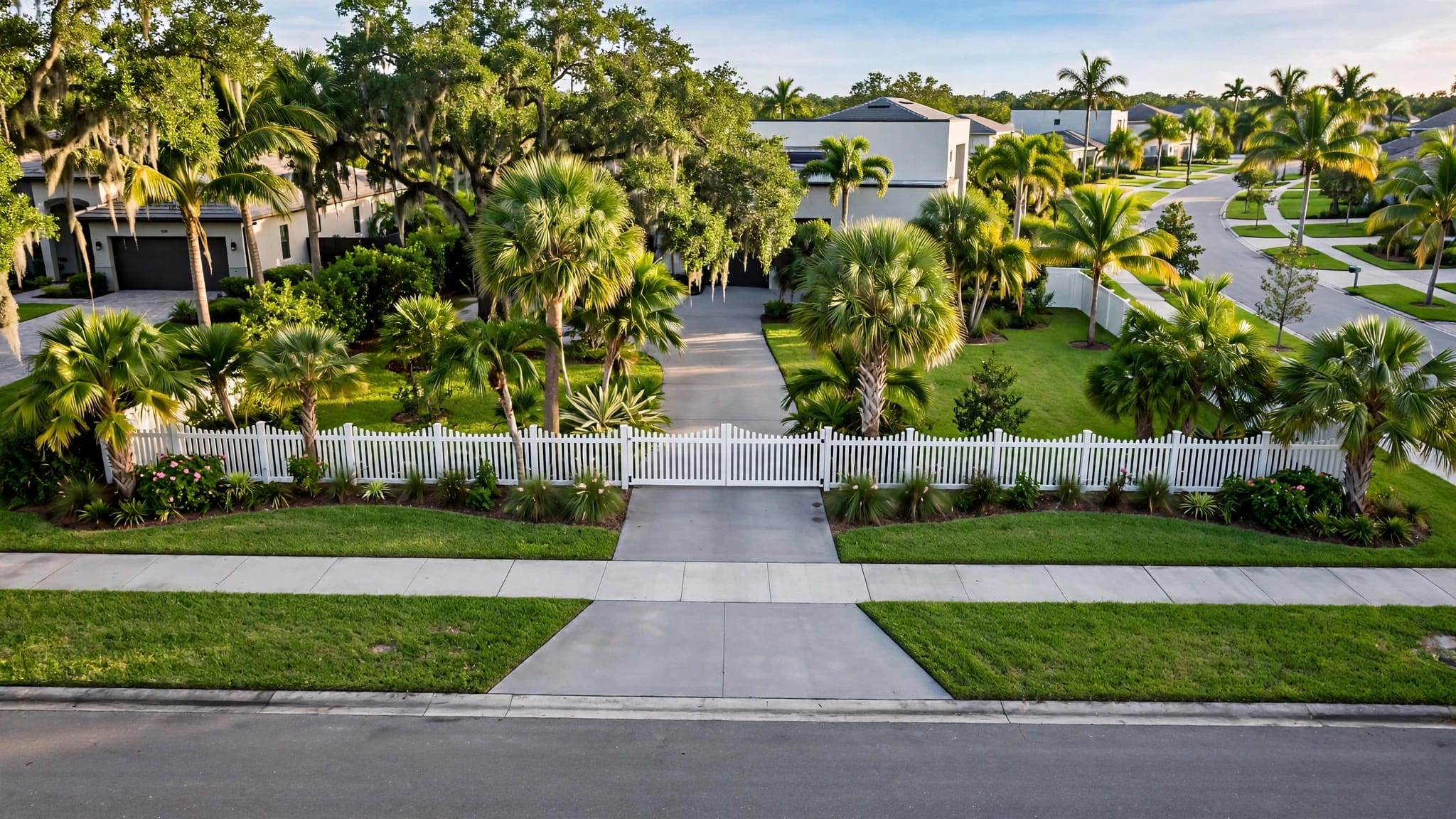
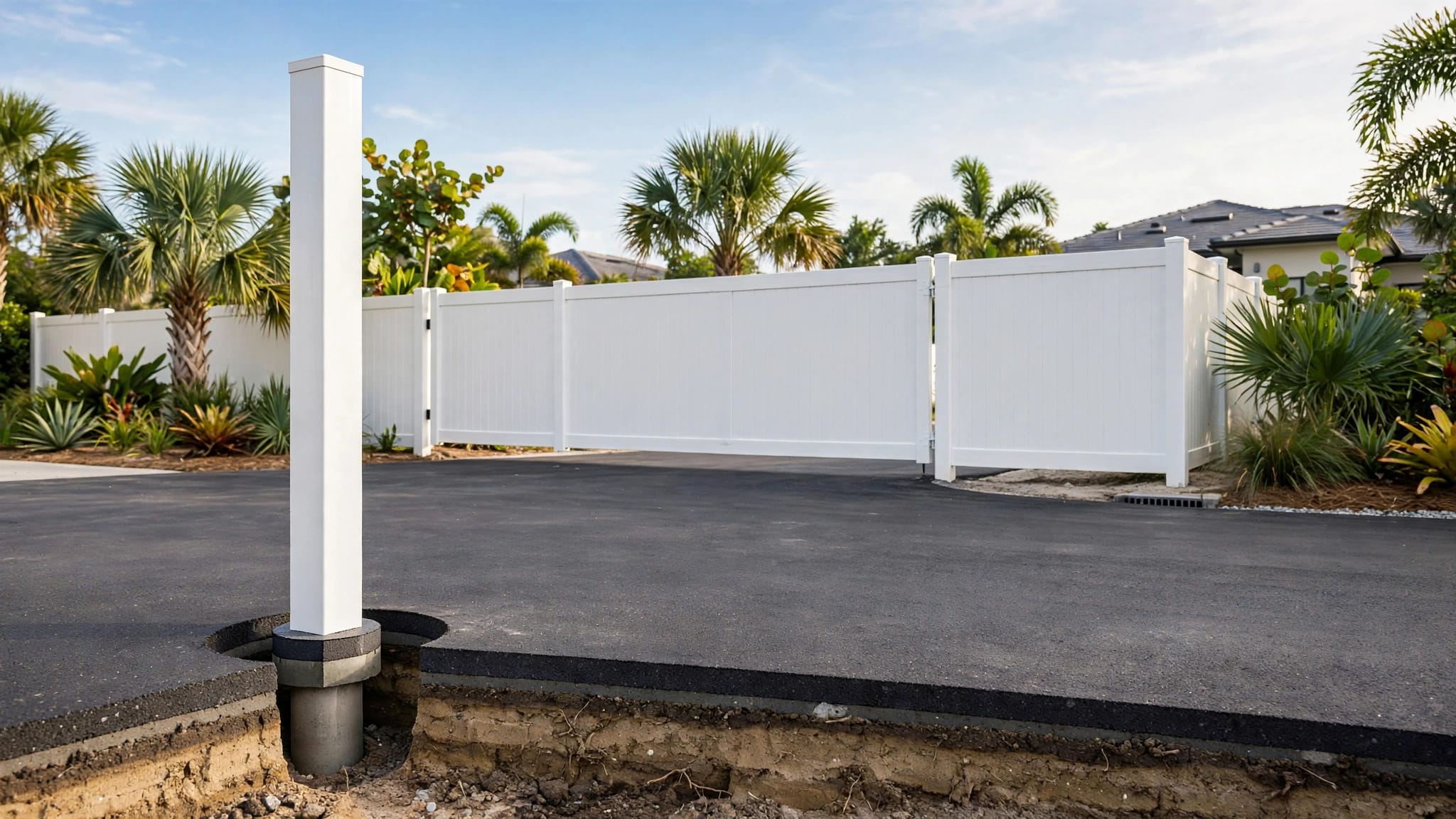
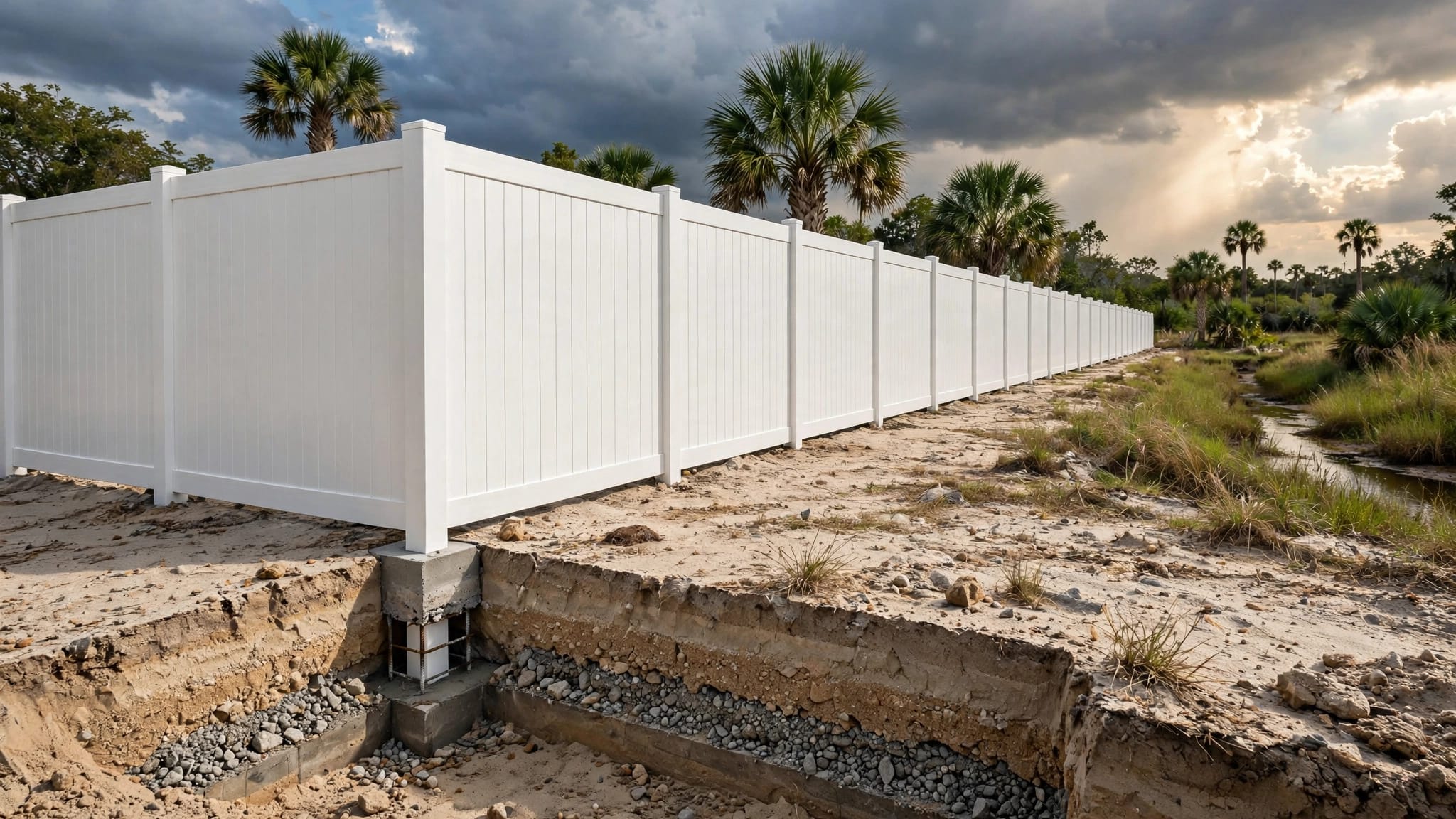
Vinyl, or PVC, is the front-runner for many part-time owners. It resists rot, bugs, and moisture, and it doesn't need painting. A hose usually handles routine cleaning. It also offers strong privacy, which matters when the house is empty for part of the year. Good vinyl systems also account for heat movement, which matters in peak summer. If you're comparing styles or layouts, vinyl fence installers in Cape Coral can show how different systems fit local conditions.
Aluminum is another smart pick, especially near canals or coastal air. Powder-coated aluminum doesn't rust like ordinary steel, and it handles sun well. Because the design is open, it tends to be more storm-friendly than solid panels. It won't give full privacy, but it shines for front yards, pool areas, and homes where curb appeal matters. For design ideas, aluminum fences for coastal Southwest Florida yards are worth a look.
Composite lands between vinyl and wood in appearance. It offers a richer, wood-like look without sealing or staining. It resists insects and moisture, and many systems look finished on both sides, which some HOAs like. The catch is price. Some homeowners love the look enough to justify it. Others decide vinyl gives better long-term value.
Chain link deserves more respect than it gets. For large side yards or pet areas, it can be one of the easiest fences to live with. Galvanized or vinyl-coated chain link cleans fast and handles wind well. Vinyl-coated versions often stay looking cleaner longer. Still, it isn't the best fit if you want strong privacy or a softer look.
Wood has charm, but it's the highest-upkeep option here. In Southwest Florida, sun, rain, termites, and ground moisture wear it down faster. It can work if looks matter most and you're ready for regular care. For most snowbirds, it asks for too much.
How to keep a fence low-maintenance after installation
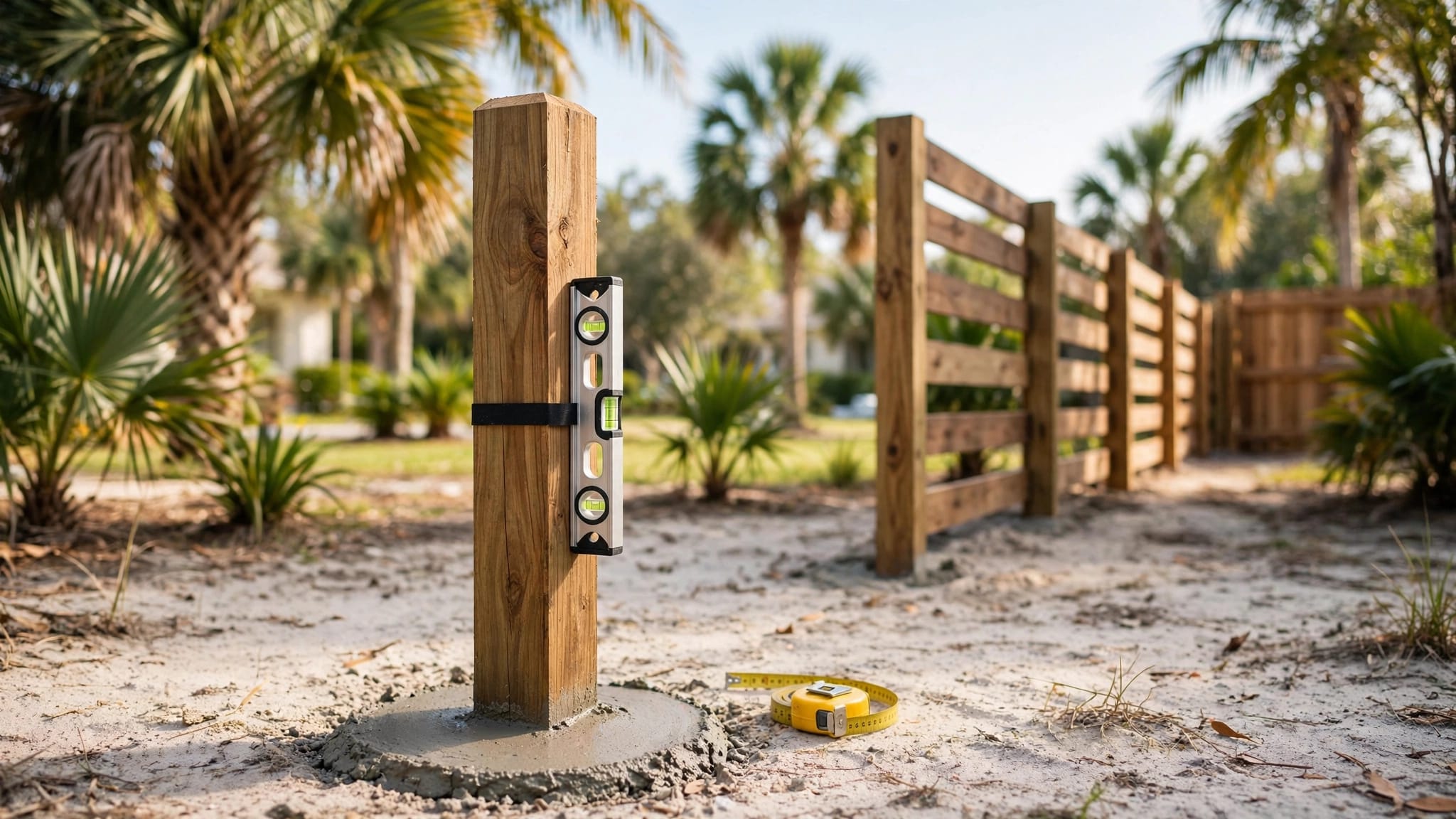
A low-upkeep material can still become a high-maintenance fence if the build details are wrong. Posts set too shallow, weak gate frames, and low-grade hardware create callbacks fast.
Start with your main goal. If privacy is first, vinyl or composite usually make the most sense. If airflow, view, and storm performance matter more, aluminum often wins. For pet zones or long boundary lines, chain link keeps costs down and maintenance low.
Then think about what happens while you're gone. Gates should latch cleanly and swing without sagging. Metal parts should be corrosion-resistant. Ask for stainless steel or other coastal-grade hardware where salt exposure is common. Also ask how the fence will handle standing water, sand, and sprinkler overspray.
If your home sits in an exposed area, don't judge a fence by panels alone. The post layout, footing depth, and gate bracing matter just as much. A fence works like a row of dominoes. One weak section can pull the rest into trouble during a summer storm.
Maintenance should be simple and scheduled. Rinse the fence a few times a year, clean off mildew early, and inspect gates before you leave town. Before you head north, trim plants away from the fence line. Vines trap moisture, and rubbing branches can loosen panels during windy weather. If your yard includes a pool, make sure the gate still self-closes and latches as required.
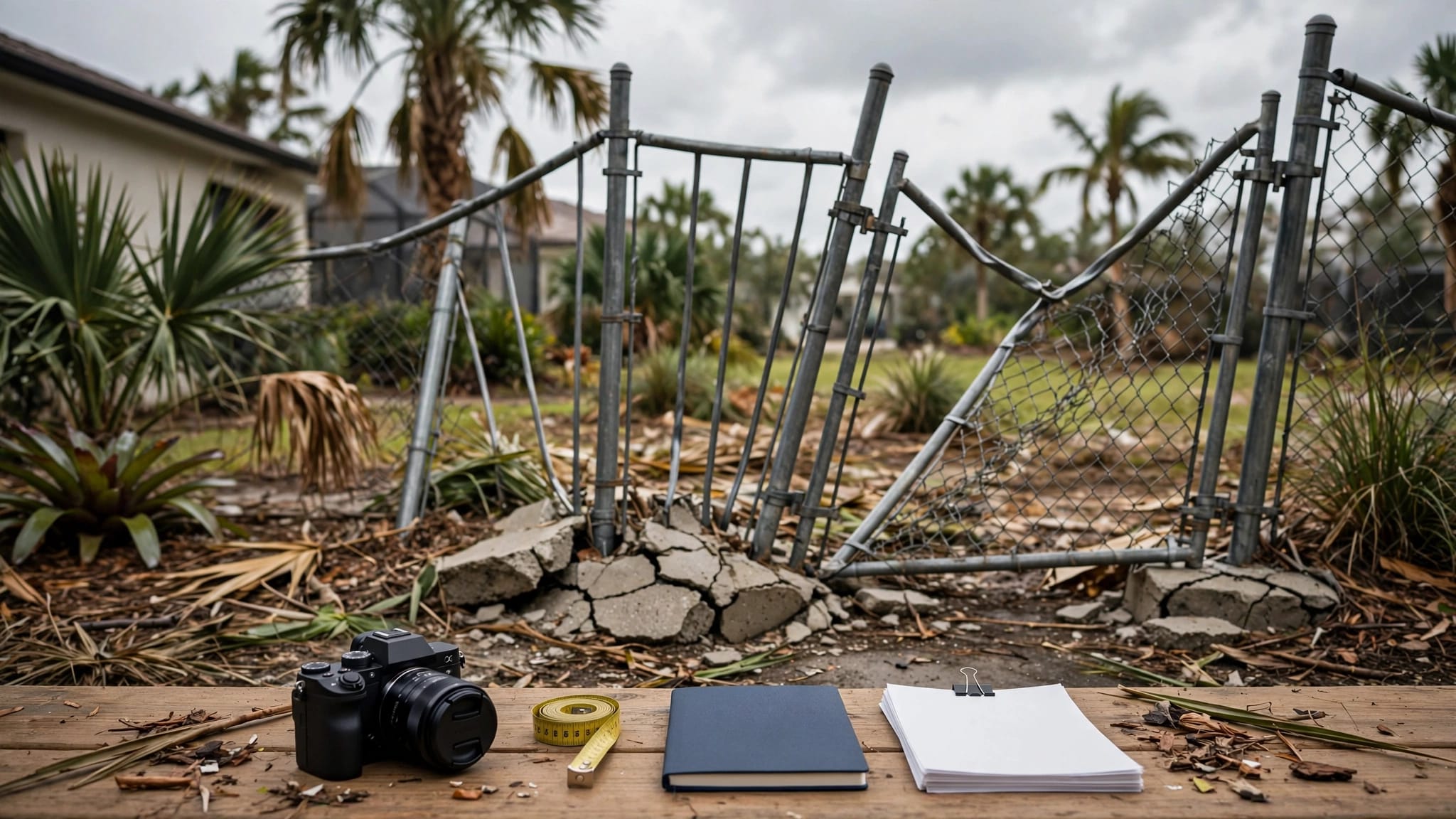
A short pre-season walkthrough goes a long way. This Southwest Florida fence storm prep guide is a good reminder of what to check before hurricane season.
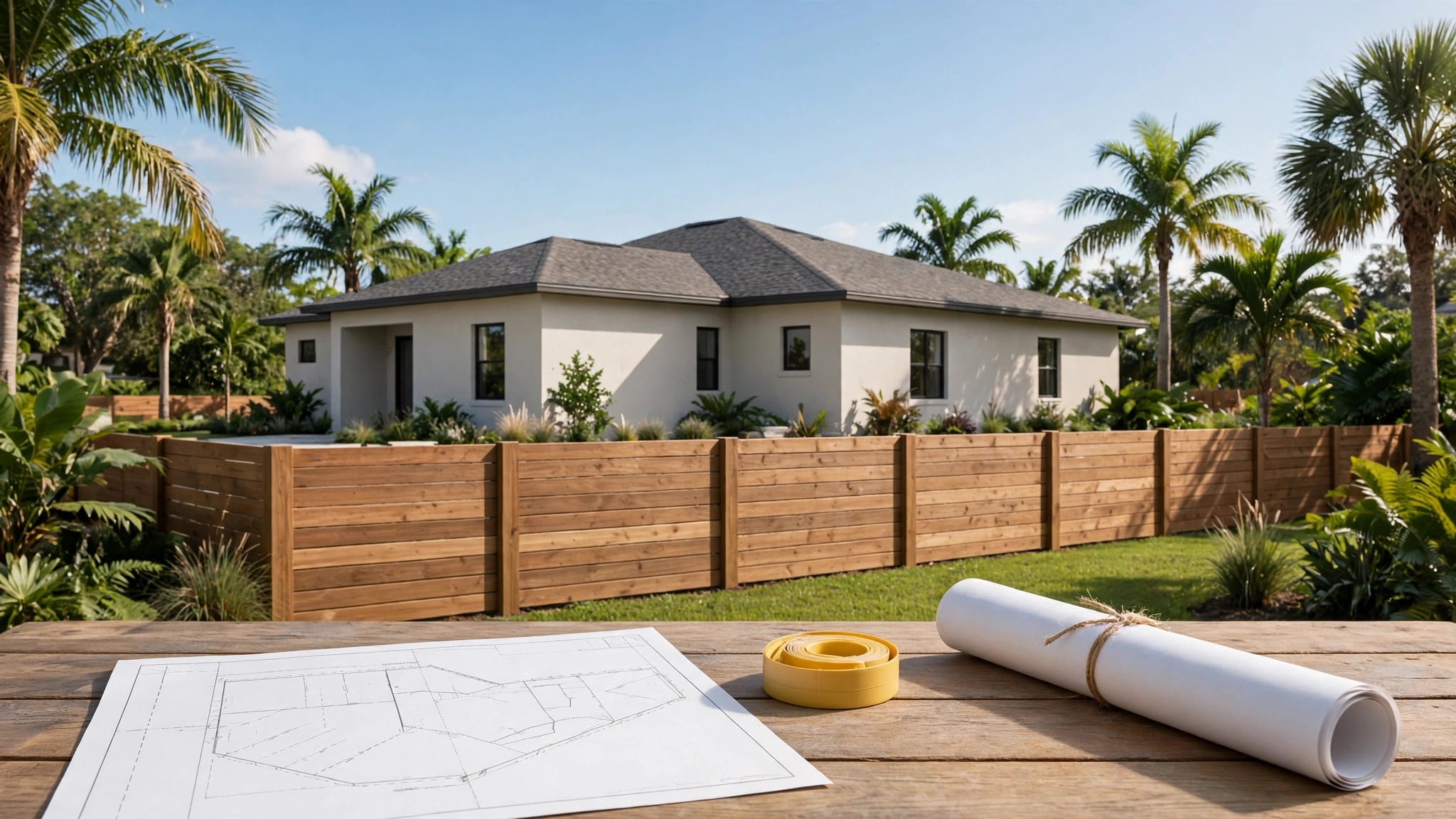
Finally, don't skip the approval side of the job. HOA standards, pool rules, and setbacks can affect height, style, color, and placement. A fence that looks perfect on paper still has to fit local rules and your lot.
The best fence for a snowbird home isn't the fanciest one. It's the one that handles Southwest Florida weather with the least fuss, year after year.
For many owners, that points to vinyl or aluminum , with composite as a premium option and chain link as a practical one. If you want low maintenance fences that still look good next season, get local advice on material, hardware, and placement.
That step can save years of upkeep.