Can You Paint a Vinyl Fence in Florida?
A faded or stained fence can make an otherwise well-kept yard look neglected. Many homeowners search for "paint vinyl fence Florida" after white panels begin to yellow, mildew builds up, or a previous owner's color no longer suits the property.
Painting is possible in limited cases, but it isn't the default fix for vinyl. Start by checking the fence's warranty, its current condition, and the rules that apply to your neighborhood.
Key Takeaways
- Check the manufacturer warranty first. Some vinyl fence warranties prohibit paint or unapproved coatings.
- Clean stains and surface buildup before deciding the vinyl needs paint.
- Choose only a coating and primer labeled for vinyl or PVC if the manufacturer permits painting.
- Florida heat, humidity, salt exposure, and storm winds make preparation and curing especially important.
- Confirm HOA approval and local requirements before permanently changing your fence color.
Paint Vinyl Fence Florida: Check These Conditions First
Vinyl is non-porous, so ordinary exterior paint often has trouble bonding to it. Home Depot Canada warns that paint may not adhere well to vinyl and that painting can damage the surface or void coverage. Ocala Fence states that painting its vinyl fencing voids the warranty, while Homeland Vinyl excludes painted or unapproved coated products from warranty coverage.
Read the warranty and product documentation
Find the original manufacturer name on paperwork, post caps, rails, or installation records. Then review the warranty and care instructions before buying supplies.
That "paint vinyl fence Florida" search result cannot tell you what your specific fence maker allows. If the documents prohibit paint, cleaning, repair, or selective panel replacement is usually the safer path.
Consider Florida's climate before changing colors
Vinyl expands in summer heat. Dark paint absorbs more heat than white, tan, or light gray vinyl, which can add stress to rails and panels on full-sun lots. Tight rails, weak posts, and long privacy runs often reveal problems first.
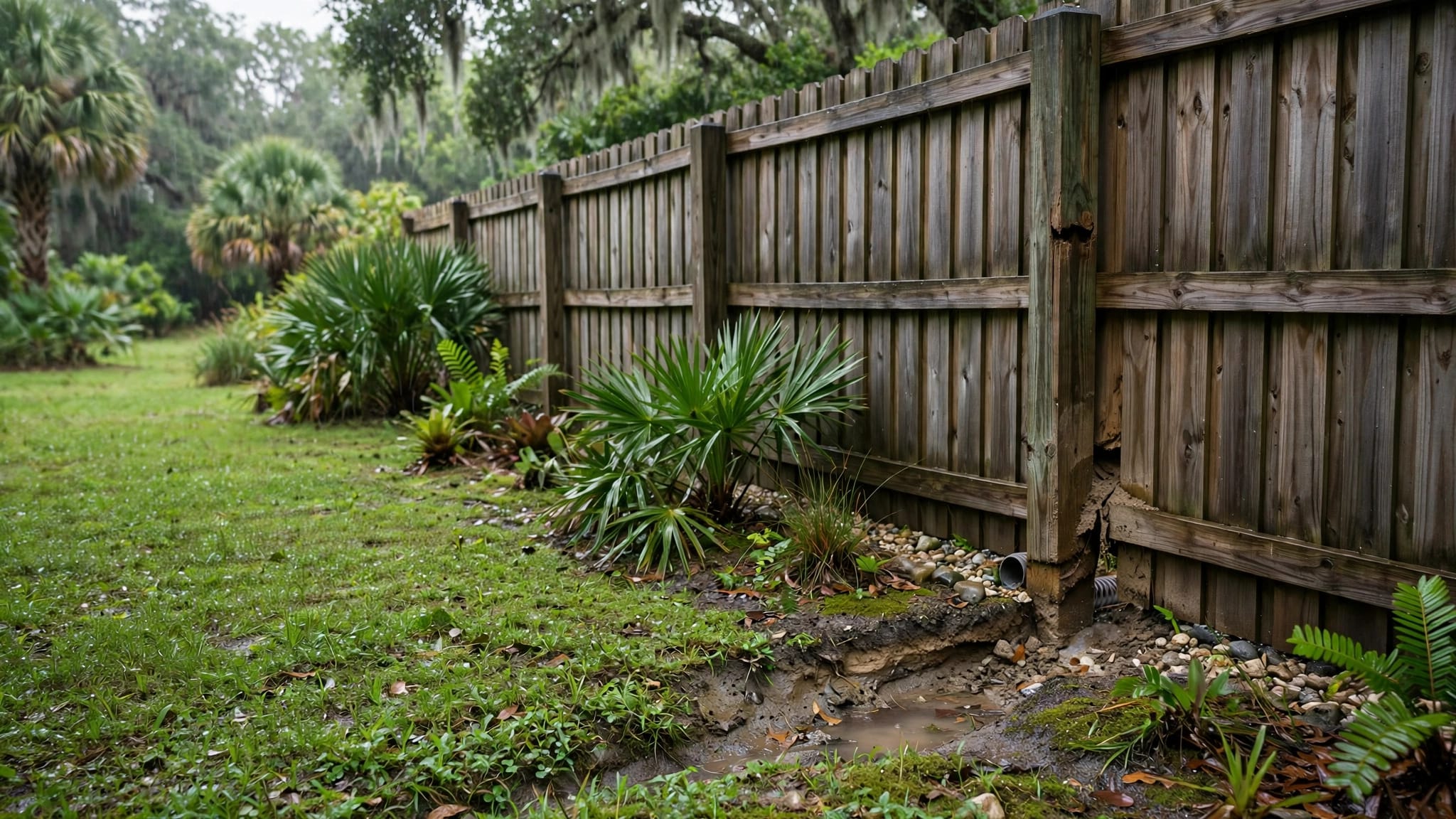
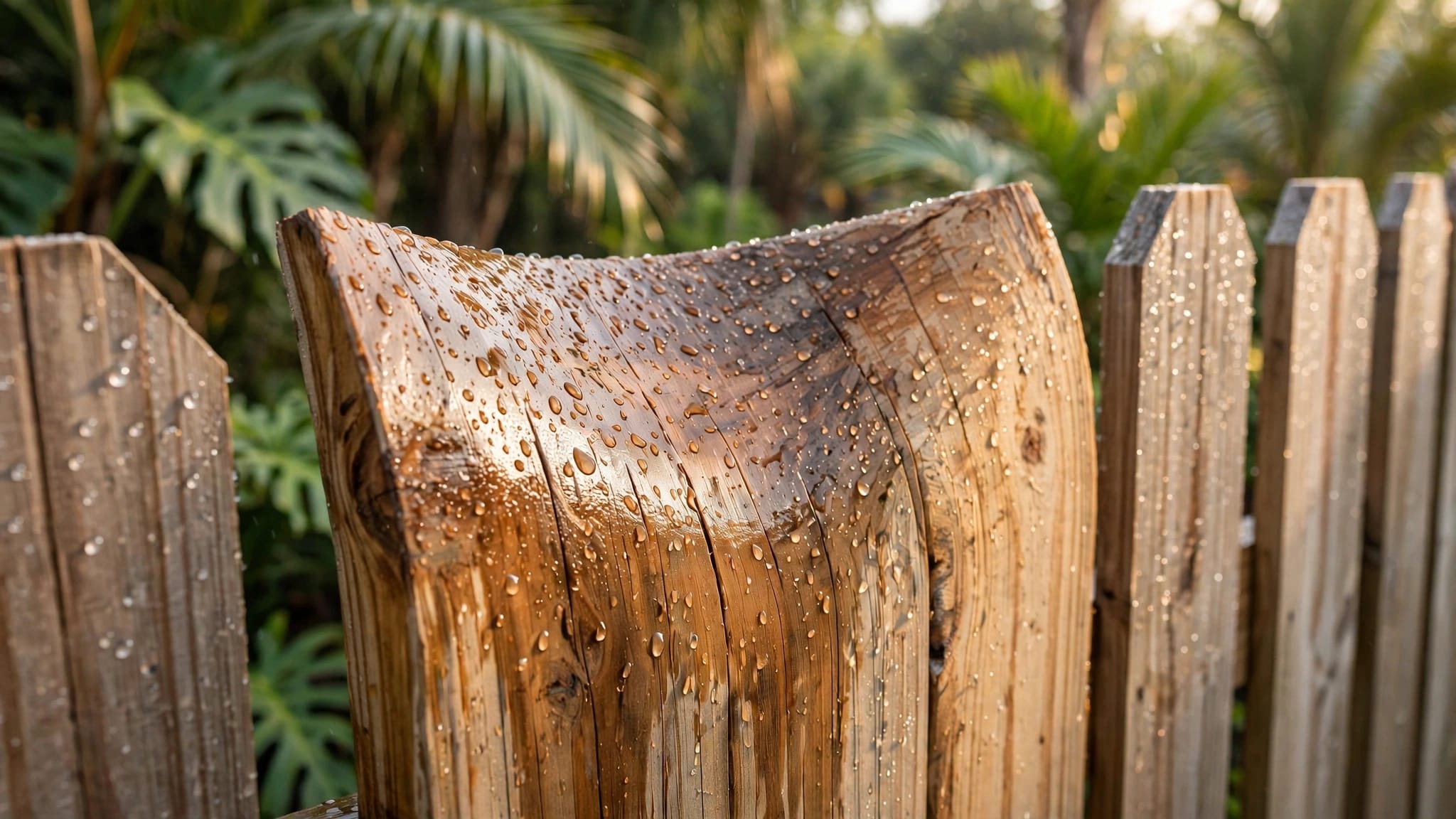
Florida's humidity also slows drying in seams, post caps, and shaded areas. Learn more about how Florida heat affects vinyl fences before applying any coating to a fence that already bows, pops loose, or has sticky gates.
How to Prepare a Vinyl Fence for Paint
Painting over mildew, chalking, salt residue, or sprinkler stains creates a weak finish. Preparation takes more time than rolling on the color, but skipping it often leads to peeling or uneven coverage.
Inspect, wash, and let the fence dry fully
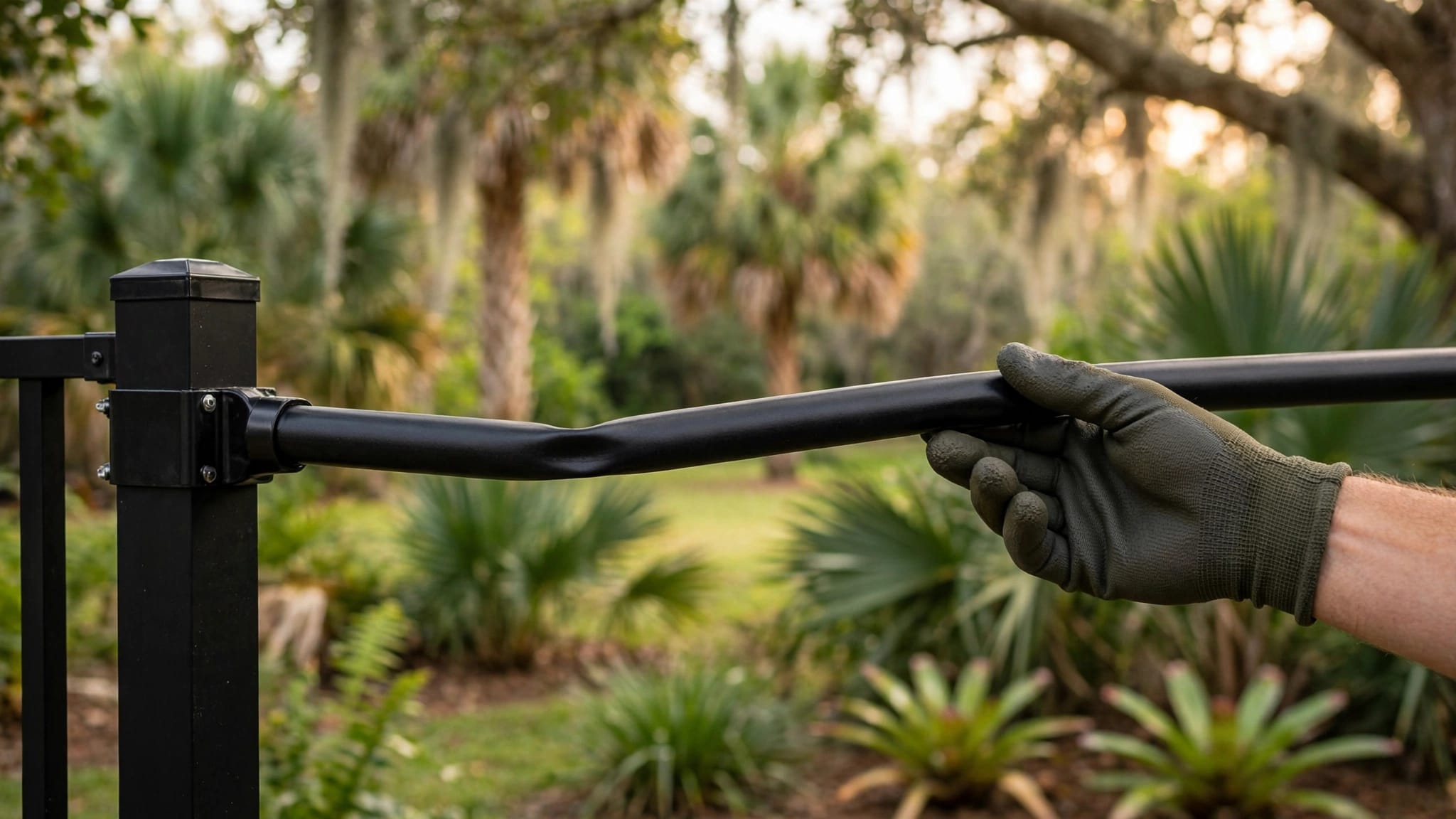
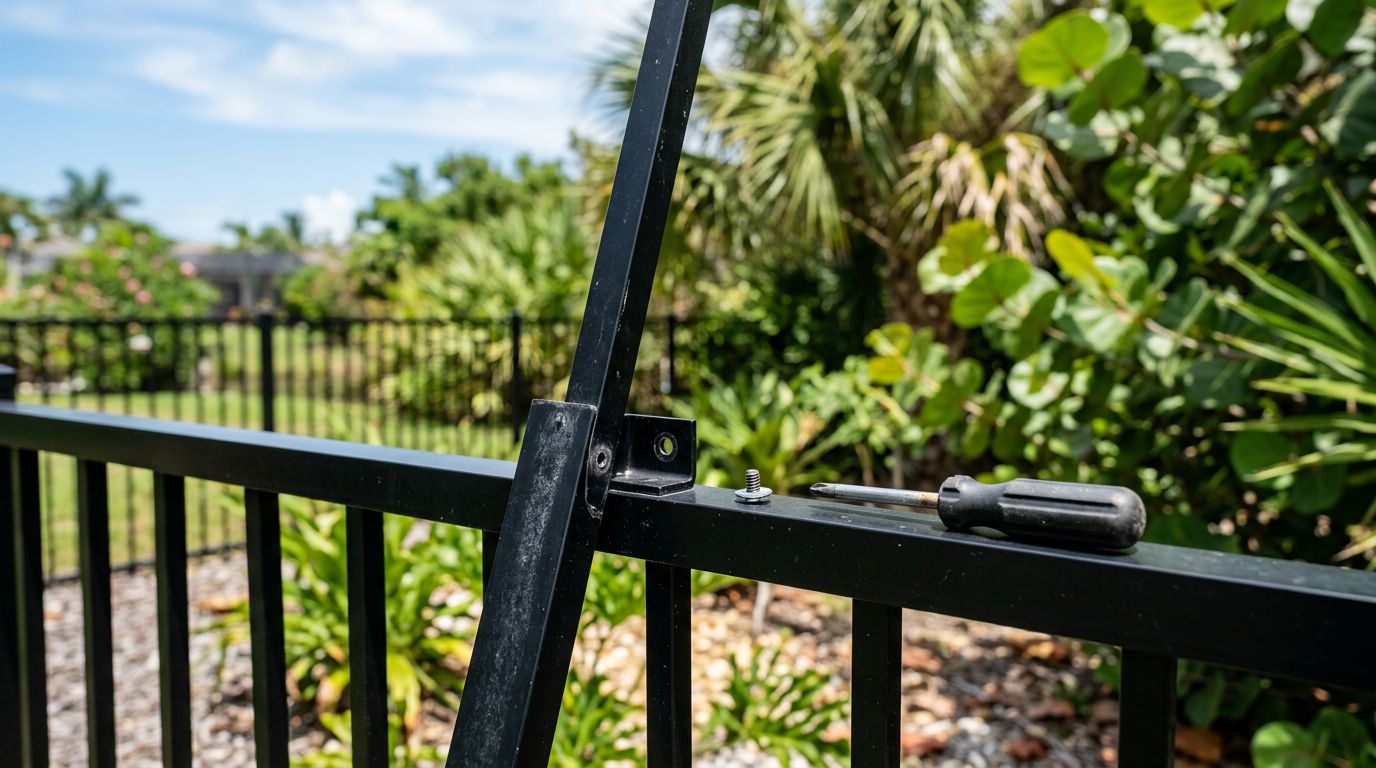
Check every run for hairline cracks, brittle rails, loose brackets, leaning posts, and sagging gates. Painting won't strengthen damaged vinyl, and a coating can hide trouble until a storm or daily gate use makes it worse.
Wash the fence with mild soap, water, and a soft brush. Rinse from top to bottom, then allow it to dry completely. Avoid abrasive pads, steel wool, and harsh chemical cleaners that may scratch or weaken the surface. Keep sprinklers off the fence while it dries.
For algae, mold, and hard-water marks, follow this Cape Coral fence cleaning guide before treating discoloration as a paint problem.
Use coatings approved for vinyl or PVC
If the manufacturer allows paint, choose a vinyl-compatible bonding primer and an exterior coating labeled for vinyl or PVC. Guidance varies by product. Some sources recommend epoxy-based paint, while others allow exterior acrylic latex coatings designed for vinyl.
Follow the product label for surface preparation, temperature, humidity, dry time, and cure time. Apply a test patch in an inconspicuous area first. Don't paint in direct afternoon sun, before heavy rain, or when high humidity could interfere with curing.
A paint job can improve color, but it cannot correct UV-brittle vinyl, shifting posts, or a gate that no longer closes squarely.
When Cleaning, Repair, or Replacement Is the Better Choice
Surface grime can look much worse than it is. White vinyl often develops green algae on shaded panels, while salt, pollen, and sprinkler overspray leave dull streaks. Regular rinsing and mild cleaning may restore the fence without changing its finish.
Persistent yellowing, a chalky texture, or widespread fading can point to UV wear rather than dirt. A new panel may also look noticeably brighter beside older vinyl, so compare samples outdoors in daylight before ordering replacement parts.
Repair makes sense when damage is isolated, such as one cracked panel, loose hardware, or a shifting post. However, replacement may be the better investment when posts lean, rails repeatedly pull loose, gates sag, and multiple sections feel brittle. A properly installed new vinyl fence allows for heat movement and supports privacy panels against wind pressure.
HOA, Pool, and Local Fence Requirements
HOA rules often control fence color, material, height, and placement. Even if the association approved the original white vinyl fence, painting it tan, gray, or dark brown may require architectural review first. For HOA-governed communities, Florida Statute 720.3035 addresses parts of the architectural review process, but your association's governing documents control the details.
Local rules also vary by city and county. An Estero property, for example, may face different height, sight-triangle, and pool-barrier requirements than a home in Cape Coral, Fort Myers, or Naples. Check with your local building department before making permanent changes, especially near front-yard corners, roads, canals, drainage areas, or pools.
Use safe work practices as well. Wear gloves, eye protection, and a respirator when the coating label calls for one. Protect landscaping, pools, patios, and storm drains from wash water and paint runoff.
FAQ
Will paint stick to a vinyl fence?
It can, but only when the vinyl is clean, dry, properly prepared, and coated with products made for vinyl or PVC. Ordinary paint may peel because vinyl has a slick, non-porous surface. Manufacturer approval remains the deciding factor.
Can I paint a yellowed white vinyl fence?
First, clean the panels to remove mildew, minerals, pollen, and surface stains. If yellowing remains and the vinyl feels chalky or brittle, the material may have UV damage. In that case, painting may only hide a deeper issue for a short time.
A Careful Decision Protects Your Fence
Painting a vinyl fence in Florida can work when the manufacturer approves it and the fence is structurally sound. Yet cleaning, targeted repair, or replacement often gives homeowners a more dependable result.
Florida sun and moisture put steady pressure on every panel, post, rail, and gate. A sound fence system matters more than a fresh coat of color.