Chain Link Fence Bottom Rail Repair and Replacement
To replace a chain link fence bottom rail, first identify the rail and determine whether the surrounding posts, mesh, and fittings are still sound. A damaged rail can be a localized problem, but loose connections or a shifted post can also affect the lower edge of the fence.
The most useful starting point is a complete assessment of the damaged section. That helps you understand which parts need attention before planning the repair.
Identify the Bottom Rail and Its Connections
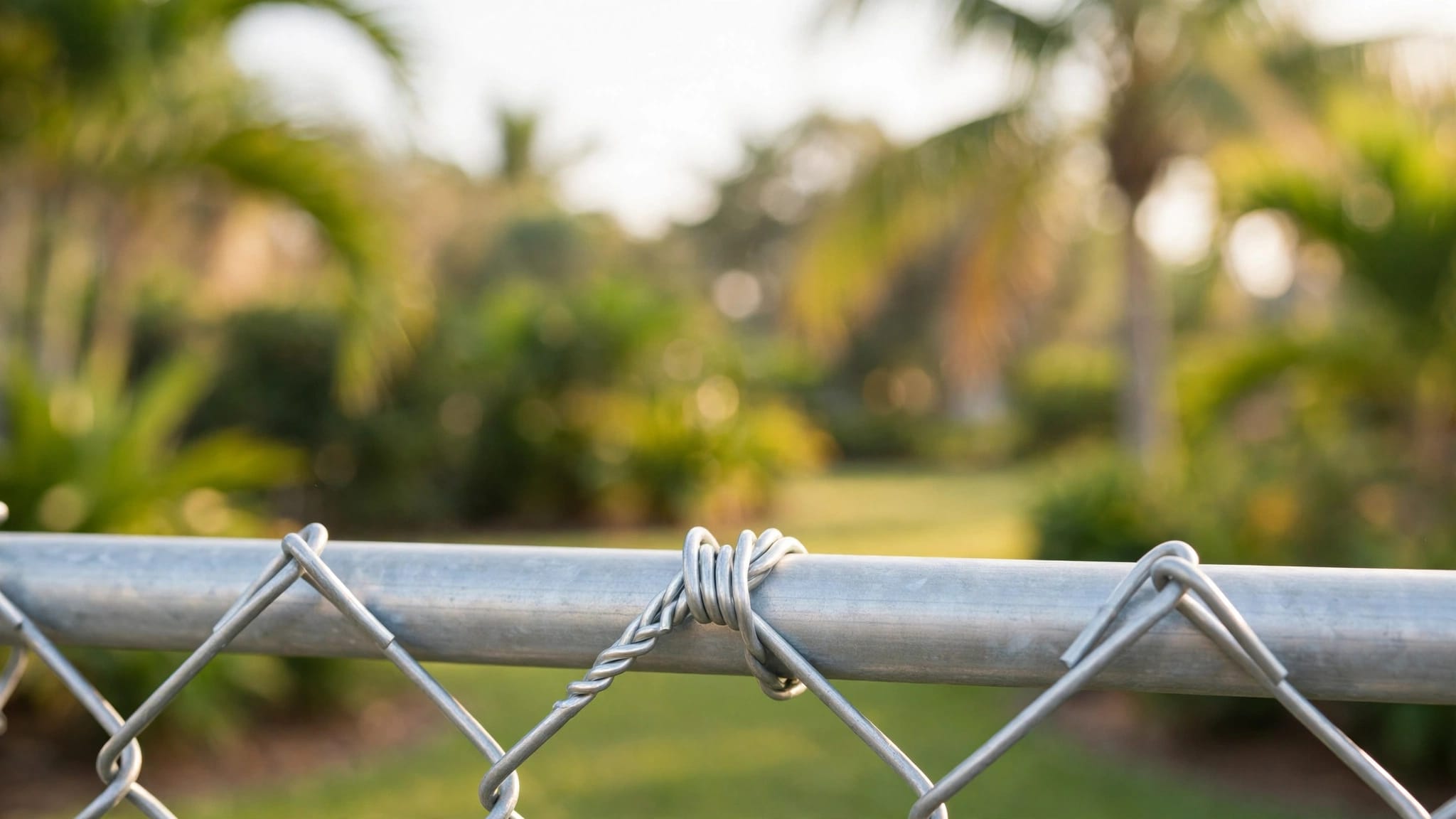
The bottom rail is the horizontal framework along the lower edge of a chain-link fence. It runs between posts and provides a firm attachment point for the bottom of the mesh. Not every chain-link fence has one, so look closely before assuming the lower restraint is a rail.
A rail differs from the flexible wire sometimes installed along the bottom edge. That wire helps limit movement of the fabric, but it isn't rigid framework. If your fence has only a tension wire, a bottom-rail repair won't address the right component.
Look at the Posts
Terminal posts sit at ends, corners, and gates. Line posts support the fence between those points. The bottom rail connects to the framework at these posts, although the exact arrangement varies by fence.
Look along the run to see where the rail begins and ends. Note any joints and the points where the rail meets a post. These locations can help distinguish damage to the rail itself from a loose connection.
Find the Fabric Attachments
Fence ties hold the chain-link mesh against rails and line posts. At the end of a run, a tension bar passes through the fabric and connects to the terminal post through tension bands.
Those parts have different jobs. A loose bottom tie may let the mesh pull away from an otherwise sound rail, while a problem at a terminal connection can affect tension across a longer section.
Decide What Is Causing the Bottom-Edge Problem
A gap or bulge near the ground doesn't automatically mean the rail is the only problem. Start with the shape of the damage and compare it with the rest of the fence.
A localized separation between mesh and a straight rail points toward the attachments. If the rail and mesh both sit out of line, look at the framework and nearby posts as well. Uneven ground or soil washout can also create an opening beneath an otherwise intact fence.
These signs can help narrow the assessment:
- Mesh separated from a straight rail can indicate loose or missing ties.
- A rail that no longer lines up with neighboring sections can indicate framework or connection damage.
- Slack across several spans can point toward a shifted terminal post or a loss of fabric tension.
- A gap beneath the fence may come from changes in the ground rather than the rail.
More than one issue can occur in the same area. Our guide to why chain-link fabric sags explains how loose ties, moving posts, and lost tension affect the mesh.
Examine the Rail and Its Fittings
Inspect the rail along its visible length, paying attention to the damaged area and the connections on either side. A dent from an impact can occur alongside loose hardware or distorted mesh. Similarly, a joint that has shifted may change how the rail sits without causing obvious damage elsewhere.
The condition of the surrounding parts matters as much as the appearance of the rail. A repair plan based only on the most visible damage can miss the reason the section moved.
Notice Changes in the Rail's Shape
Look for bends, kinks, cracks, or sections that appear crushed. Compare the affected area with an undamaged part of the same run. Also notice whether the rail remains aligned with its neighboring sections and sits consistently at its connections.
These observations help describe the damage, but they don't establish the full condition of the fence on their own. A close inspection may reveal damage at a joint or post that wasn't obvious when viewed from the yard.
Look for Loose or Corroded Hardware
Check the visible ties, bands, and connections for movement, broken ends, and corrosion. Orange staining can draw attention to an area, while flaking metal or a broken fitting indicates a more serious loss of material.
In Southwest Florida, salt exposure and moisture can affect small fittings before the mesh looks badly worn. Tightening a weakened connection doesn't restore metal that corrosion has already removed.
Check the Posts Before Focusing on the Rail
A bottom rail depends on stable posts. If an end or corner post shifts toward the fence run, the distance holding the fabric under tension can decrease. Slack may then appear across several spans, even if only one rail looks damaged.
Sight along the fence line and compare the affected post with its neighbors. A leaning post, a gap around its base, cracked concrete, or an exposed footing can point to movement. After heavy rain, soil washout can also change the support around a post.
Line posts deserve attention too. They help support the run, and a displaced line post can leave the framework out of alignment. Near a gate, a moving gate post may affect both the gate and the adjacent fabric.
If the post or footing needs work, a rail-only repair may leave the underlying problem in place. Our guide to fence repair versus replacement offers more context for evaluating broader damage.
Assess Whether the Existing Mesh Is Usable
Sound chain-link fabric can often remain in place as part of a fence repair. Its condition matters more than its age alone. Look for broken wires, heavy corrosion, permanently distorted diamonds, and damage concentrated around the rail.
A loose lower edge doesn't necessarily mean the fabric itself has failed. Missing ties may allow usable mesh to move away from the rail. In contrast, fabric with broken wires or a badly distorted weave may need attention beyond its attachment points.
Separate Slack From Distortion
Slack fabric can have a broad wave or sag between supports. Distorted fabric often shows uneven diamond openings, kinks, or a concentrated bulge. Repeated pressure from an animal, impact, or a fallen branch can leave that kind of localized damage.
Pulling harder on misshapen mesh won't restore its original weave. It can also place more strain on framework that may already have shifted.
Consider the Whole Run
The bottom edge is only one part of the fabric's support. A fence can have secure lower attachments and still sag because a terminal connection has loosened or a post has moved.
If several spans look slack, the assessment should include both ends of the run. Correct fabric tension depends on stable supports and sound connections throughout that section.
Account for Southwest Florida Conditions
A chain-link fence bottom rail sits close to soil, grass, and runoff. That location makes the area around it worth inspecting after heavy rain or changes in drainage. Soil can wash away beneath the fence and leave a gap even when the framework hasn't moved.
Coastal exposure adds another concern. Salt air and moisture can accelerate corrosion around connections, including places where debris holds moisture against the fence. Look beyond the rail itself at nearby ties and post connections.
Storms can also reveal problems that were hard to see before an impact or period of saturated ground. A fallen branch may bend a section, while a shifted post can leave the fabric loose over a longer distance.
Privacy screens, slats, and vines add load to the fence. Screens and slats catch more wind than open mesh, while vines add weight and can hide damaged fittings. Consider those loads when assessing why a section has moved.
Recognize Common Problems That a New Rail Won't Solve
A replacement rail addresses the rail itself. Other problems may still need separate attention, especially when the fence has changed shape over a wider area.
The Lower Gap Comes From the Ground
If the rail remains straight and the fabric stays attached, compare the ground beneath the opening with the surrounding area. Washout or a low spot can leave space under the fence without a failure in the rail.
Pulling the mesh tighter doesn't put missing soil back. The condition of the ground and any nearby post support belong in the assessment.
The Fabric Has Lost Tension
A bottom rail helps restrain the lower edge, but it doesn't take the place of properly tensioned fabric. Loose terminal connections, an unsteady post, or excess slack can still leave waves in the mesh.
Likewise, adding ties won't straighten a leaning post. The useful distinction is between attachment , which holds fabric against the framework, and tension , which keeps the fabric drawn across the run.
A Gate Has Its Own Alignment Problem
A dragging or poorly latching gate may have a hinge or frame problem even when the adjoining mesh is sound. On the other hand, a leaning gate post can affect both the gate and the nearby fence.
Assess the gate and post separately rather than assuming a bottom-rail repair will correct the gate's movement.
Review Alignment and Tension After Repair
A finished repair should fit the fence line and leave the lower fabric properly supported. Look along the repaired section and compare it with the adjoining spans. The rail should sit consistently with the surrounding framework, without an obvious new dip or twist.
The mesh should remain attached along the lower edge rather than pulling away at individual points. Check the visible connections for movement, and look for sharp wire ends or damaged hardware that remains in the area.
Also look at the fabric across the full affected run. Even tension should leave the mesh supported without a broad belly between posts. If slack remains across several spans, the issue may extend beyond the bottom rail.
Finally, consider whether the original gap has changed. A repaired rail won't correct uneven ground or soil loss, so an opening beneath the fabric may need a separate solution.
Know When to Call a Fence Contractor
A localized rail problem with straight posts and sound mesh is different from a fence with several leaning spans or widespread corrosion. The more components involved, the more important it is to assess how they affect one another.
Professional help is especially useful when a post has shifted, the fence has extensive impact damage, or the fabric has lost tension over a long run. A contractor can also assess the surrounding framework when the visible damage doesn't explain why the fence is sagging.
At Supreme Fence of SWFL, we offer chain-link fence repair in Cape Coral and surrounding Southwest Florida communities. We can assess the damaged section and provide a free estimate for the repair.
Start With the Whole Fence Section
A bottom rail works with the posts, fittings, and fabric around it. Looking at those parts together helps distinguish a damaged rail from loose ties, lost tension, or movement in the ground.
A sound framework gives the repair a stable starting point. Once the affected section is properly supported, the lower edge can stay aligned with the rest of the fence.