How to Protect Fence Posts From Mower Damage
To protect fence posts from lawn mower and string-trimmer damage, keep lawn equipment from contacting them and reduce the grass growing around their bases. A clear area along the fence gives you room to maintain the yard without repeatedly striking the posts.
In Southwest Florida, that clearance has another benefit: it makes it easier to spot moisture, soil washout, and wear before they become bigger problems. Here's how to create a fence line that's easier to maintain and keep it in good condition.
Key Takeaways
- Keep a grass-free area around posts so lawn equipment doesn't need to reach their bases.
- Use a mulch ring or strip where it suits the yard, but leave wood posts clear of piled mulch and soil.
- Inspect the fence after heavy rain and address loose posts, rot, or damaged coatings before covering them with landscaping.
What Mower and Trimmer Damage Looks Like
Repeated contact can leave marks low on a fence, where they're easy to miss behind grass. Look closely at posts, lower rails, and the edges of panels whenever you walk the fence line.
Surface Wear
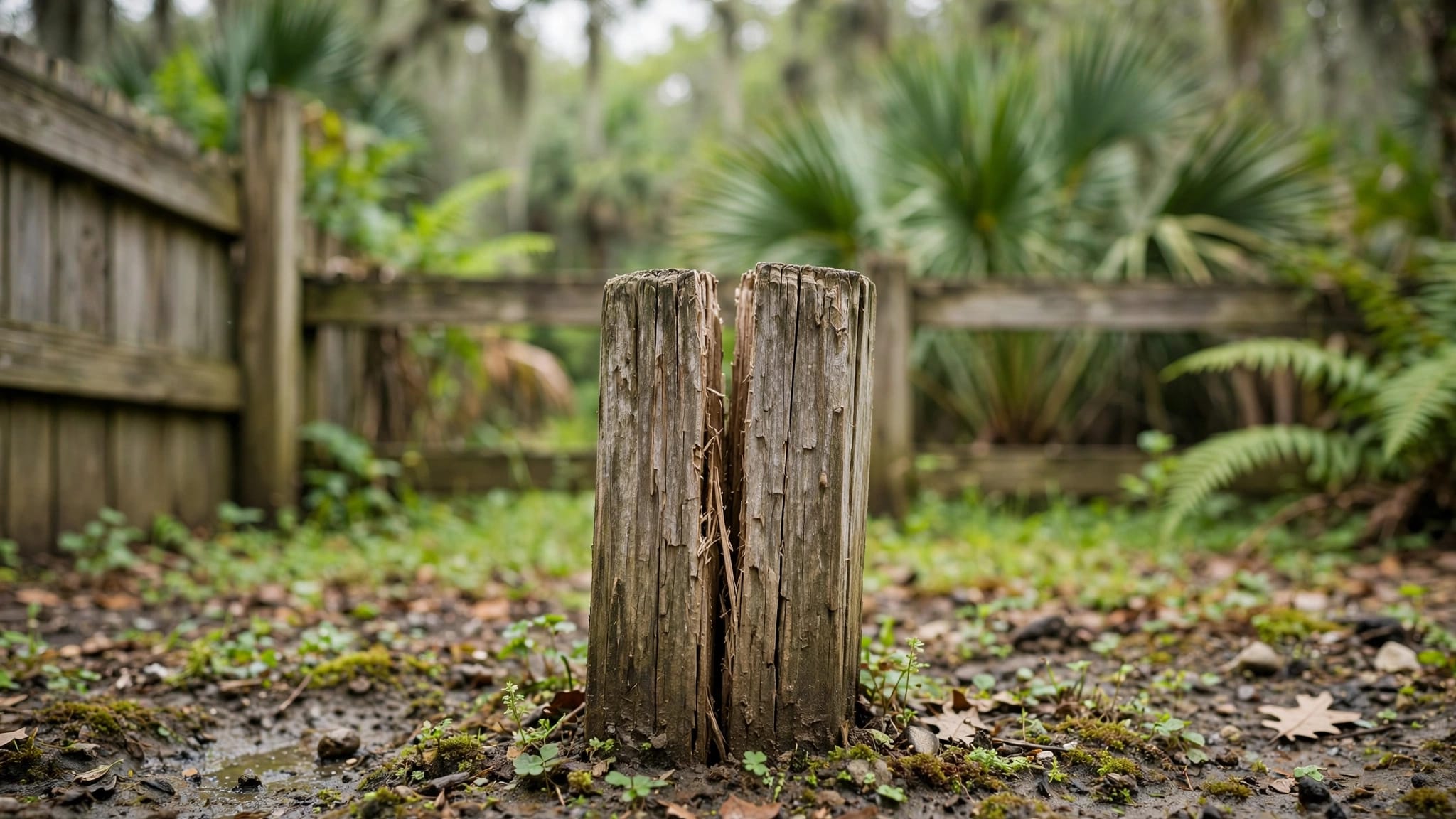
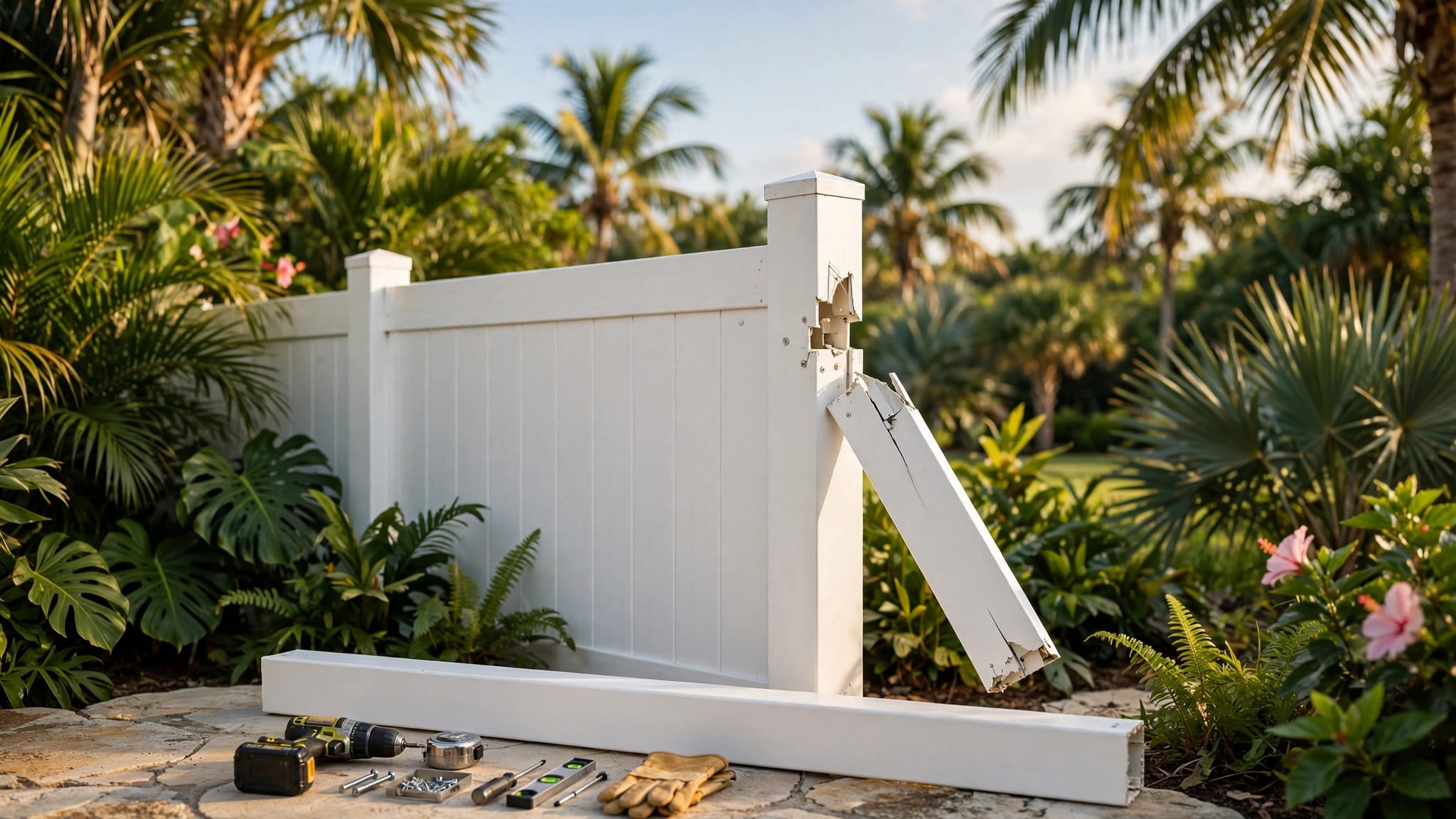
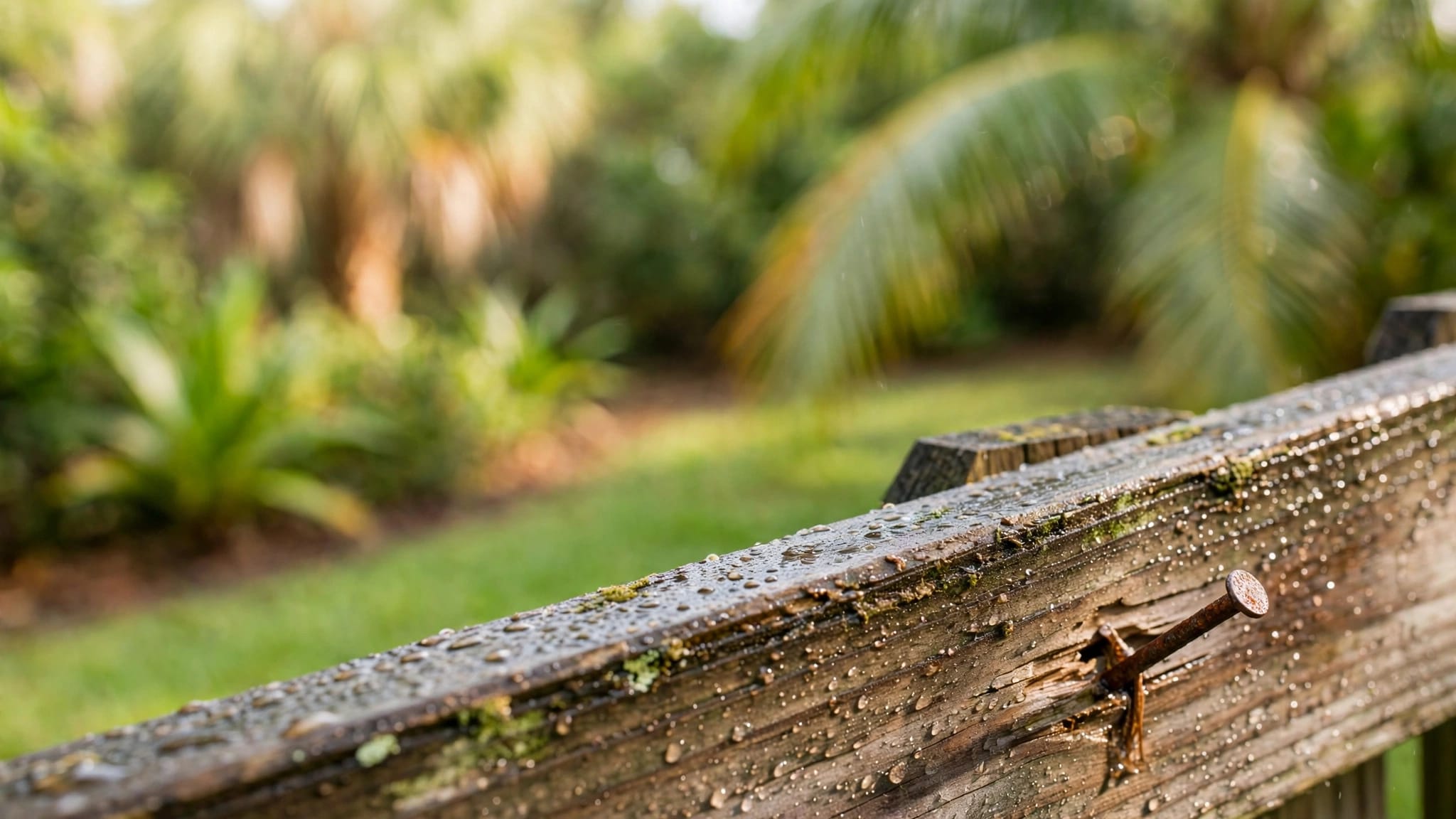
Wood may show scraped fibers or missing finish near ground level. Vinyl and composite surfaces can develop scuffs or gouges, while coated metal can show scratches through the finish.
A mark doesn't always mean a post needs replacement. Still, damage that exposes wood or the underlying metal deserves attention. Wet conditions can worsen deterioration in wood, and damaged coatings can leave metal more vulnerable to corrosion.
Cracks, Dents, and Movement
A stronger impact can cause visible cracks or dents. Equipment can also catch a low rail or picket, so inspect the area around the post rather than looking at the base alone.
A leaning post has several possible causes, including a loose footing or washed-out soil. Don't assume that every crooked section came from a mower. If the post has shifted or a gate no longer lines up, have the structure assessed.
Plan Clearance Around the Fence
The goal is to leave enough open space that lawn equipment can stay clear of the fence. The amount of room you'll need depends on the equipment and the layout of your yard.
Include the Whole Fence Line
Posts are obvious contact points, but lower rails and pickets also need room. Gate corners and narrow side yards deserve extra attention because there may be less space between the fence and other features.
Look at both sides of the fence if you maintain them. A clear strip on one side won't prevent contact on the other, and grass can still grow through open fencing.
Keep Access Practical
Plan around irrigation heads, paths, and gate swings. A grass-free area should make routine care easier without blocking a route you use or covering equipment that needs access.
If a landscaper maintains your yard, point out the clearance area and any vulnerable sections. A shared plan helps keep the fence line consistent between visits.
Remove Grass Without Disturbing the Footing
Grass growing directly against a post can be difficult to maintain without contact. Removing it by hand creates an open area while letting you see what's happening at the base.
Use a hand tool or a shallow cut to remove the turf and runners. Work carefully near irrigation lines, and avoid digging deeply beside an established post. Removing too much supporting soil can leave the footing less stable, particularly in loose or wet ground.
St. Augustine and Bermuda grass can send runners back into a cleared area. Pulling them while they're small is easier than letting them spread across the strip again. Our guide to managing grass along fence lines covers ways to deal with returning growth.
Don't pile the removed soil against the fence. Keep the post base visible enough to inspect, and leave drainage paths open when you tidy the area.
Use Mulch Around Posts or Along the Fence
A mulch ring can replace a small patch of grass around an individual post. A continuous mulch strip may be easier to maintain when several posts sit close together or grass grows beneath the panels.
Prepare the Area First
Remove the existing grass and runners before spreading mulch. Otherwise, growth left underneath can return through the surface.
Keep the ground level suitable for the yard's drainage. Don't fill a low area that carries stormwater or build a mound around a footing. If the fence borders a swale or another important drainage route, preserve that route rather than changing the grade.
Leave the Post Base Clear
Keep mulch pulled away from wood posts and lower boards. Mulch and leaves held against wood can retain moisture, making it harder for the area to dry after rain.
The same open space helps you inspect vinyl and metal posts for damage or movement. After storms, clear away mulch or debris that has washed against the fence. Add fresh mulch where bare patches appear, while keeping the base accessible.
Match Maintenance to the Fence Material
Wood, vinyl, composite, and metal fences all benefit from clearance, but each material shows wear differently. Knowing what to look for helps you decide when a mark needs attention.
Wood Posts
Look for exposed wood, splintering, and finish worn away near the ground. Moist soil and clippings can hide soft spots, so clear the base before inspecting it.
Minor surface damage may need a compatible exterior finish after the wood is clean and dry. Soft or crumbling wood needs a closer look before you apply a coating. A finish won't restore strength to a deteriorated post.
Vinyl, Composite, and Metal
On vinyl and composite posts, look for cracks or gouges as well as surface scuffs. Damage near a rail connection deserves attention because that area helps hold the fence together.
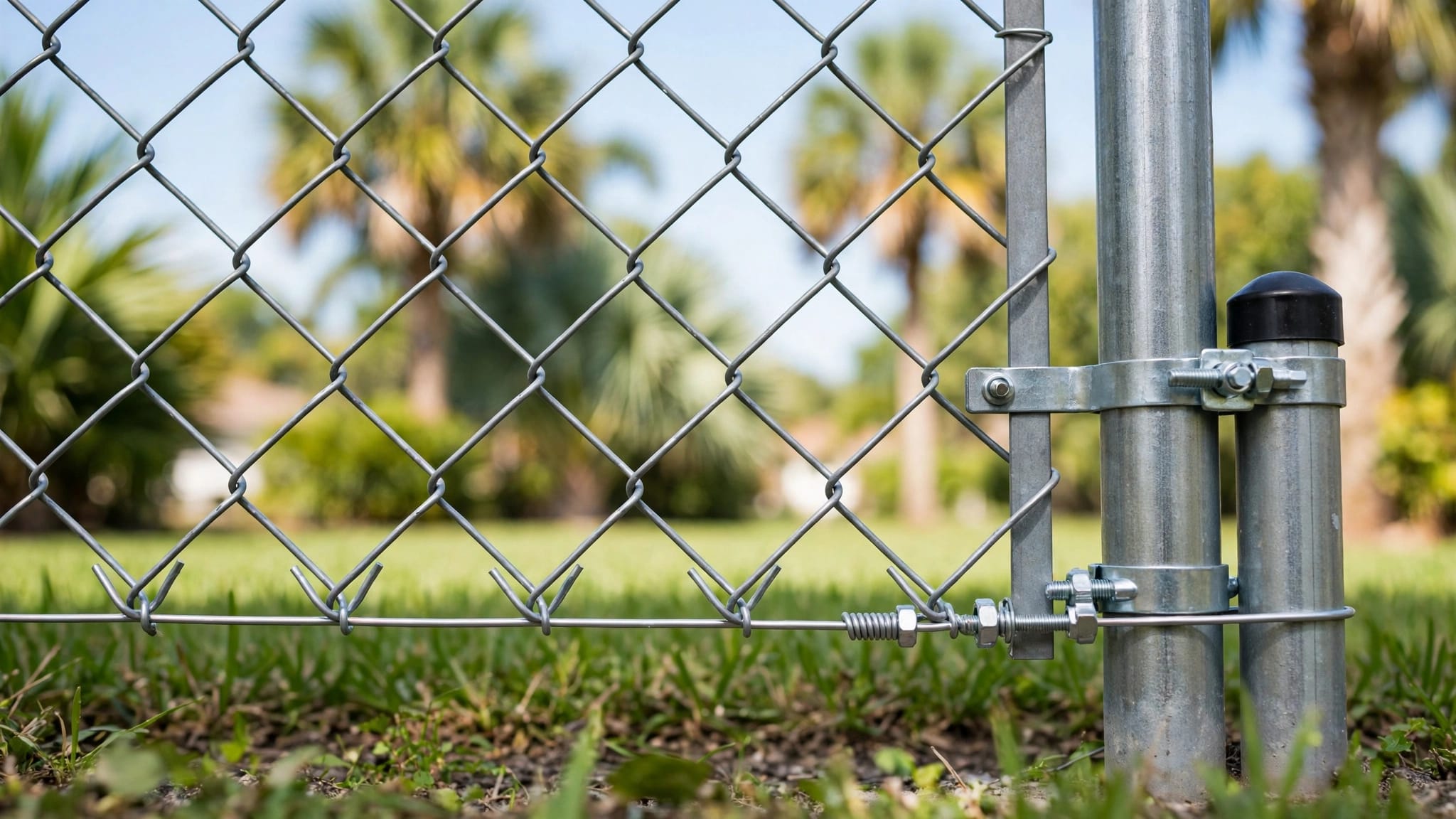
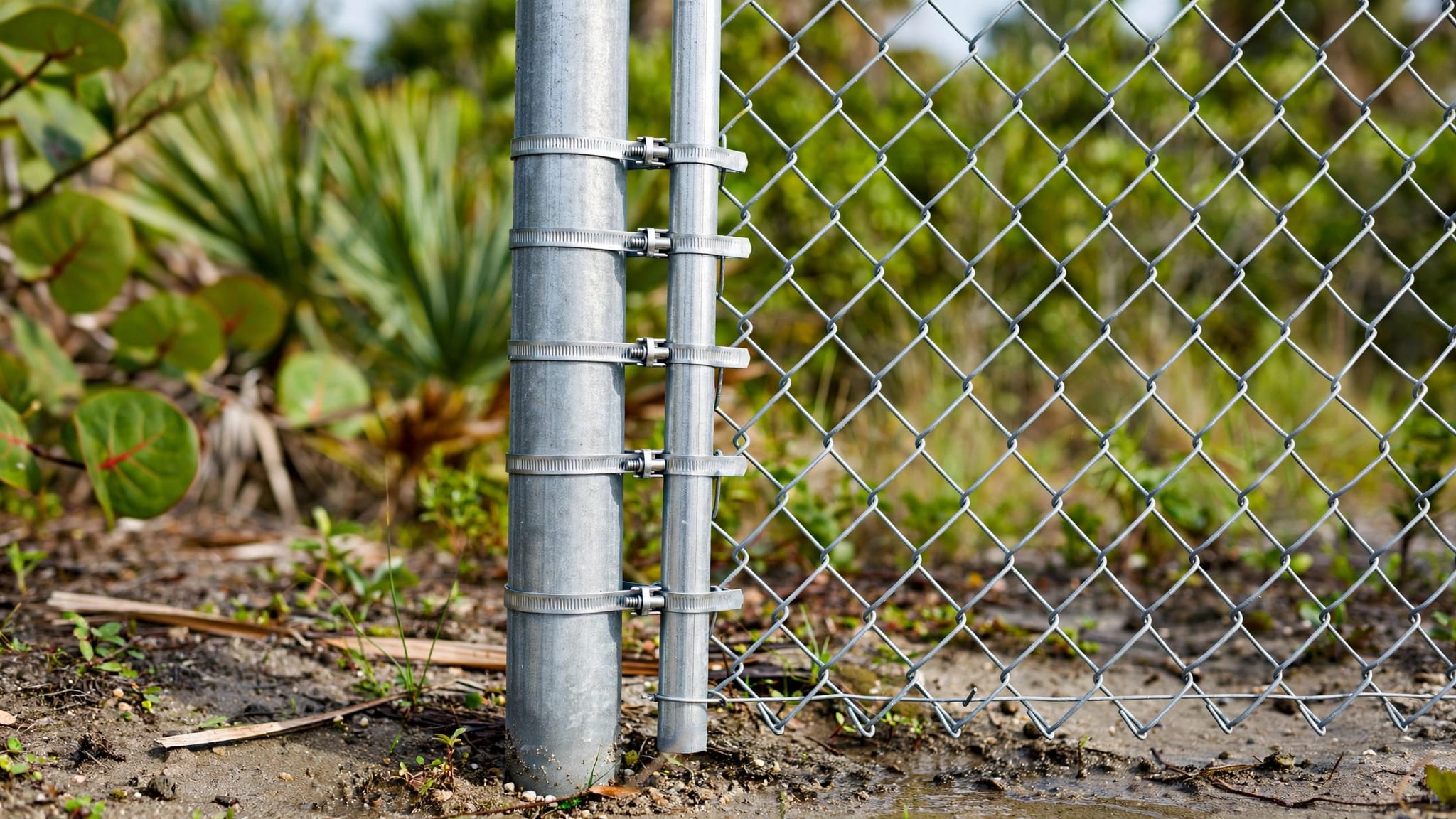
For aluminum, steel, or coated chain-link posts, inspect scratches and the hardware around the base. Aluminum doesn't rust, but other metal components can corrode. Near saltwater, corrosion-resistant fasteners and compatible hardware are especially useful when repairs are needed.
A bent post or broken connection may need more than a cosmetic fix. Avoid forcing a damaged component back into place if doing so could loosen the adjoining fence section.
Maintain the Clear Area Over Time
A fence line needs occasional attention even after you've removed the grass. New runners, fallen leaves, and clippings can collect around posts and make the area harder to inspect.
Watch for Returning Growth
During the growing season, walk the fence line and remove grass that has spread into the cleared area. Pay attention to corners and the spaces beneath gates, where growth can be less visible.
If you use mulch, redistribute it after heavy rain and pull it away from the posts again. Keep the surface tidy without covering signs of damage or changing the way water moves through the yard.
Check Sprinklers and Debris
Sprinklers that repeatedly soak the fence can keep wood damp and leave mineral deposits on other surfaces. Adjust their spray where practical so posts aren't regularly wet.
Remove leaves, stored materials, and other debris from the fence line. A visible base makes it easier to spot a crack, an exposed footing, or a post that has started to move. It's also easier to see new wear before it spreads.
Keep Drainage in Mind After Heavy Rain
Southwest Florida rain can move sand and soil around a fence, especially where runoff concentrates. A grass-free strip should leave the ground open enough to inspect without blocking water's normal path.
After heavy rain, look for soil missing beside a post or water collecting against the fence. A shallow patch of disturbed soil may point to runoff that needs attention. Simply piling soil over the spot can hide the cause and leave moisture against a wood post.
An exposed, cracked, or undermined footing calls for a closer assessment. Our advice on protecting fence posts from erosion explains what to look for when soil begins to wash away.
If runoff affects a larger drainage route or a retaining wall, a drainage or engineering professional can help assess the site. Replacing landscaping alone won't correct a continuing water problem.
When a Damaged Post Needs Repair
You can often manage light surface wear and returning grass as part of routine care. Structural damage is different. A loose post, cracked footing, or sagging gate can put strain on adjoining parts of the fence.
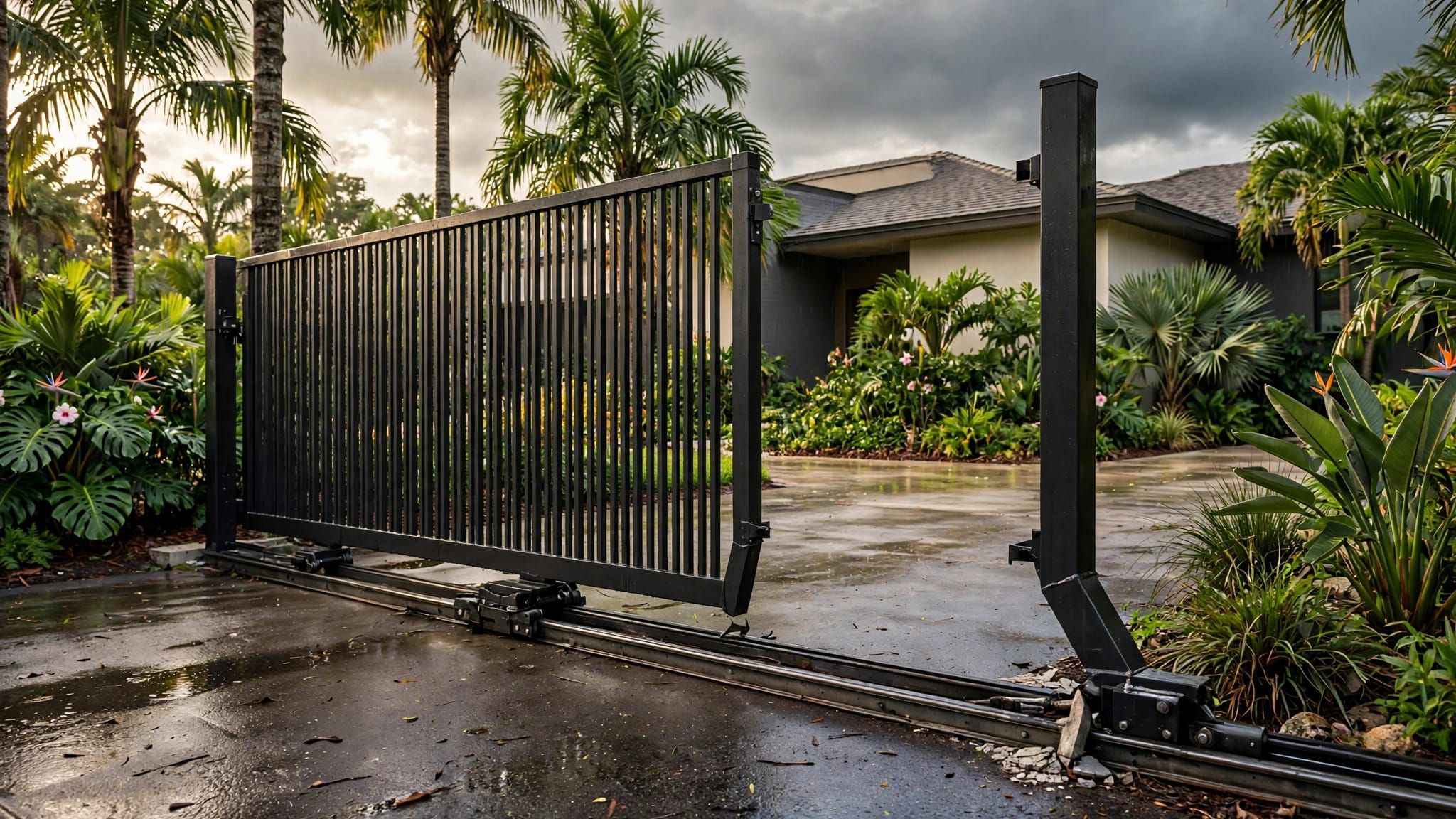
Call a fence professional if you see soft wood at ground level, a significant crack, a bent post, or hardware pulling away from its connection. A gate that drags or no longer latches can also point to movement at the supporting post.
At Supreme Fence of SWFL, we provide fence repair for wood, vinyl, and metal in the Cape Coral area. We can assess the damaged section and recommend a repair that addresses the post and its connections.
If the fence is part of a pool barrier, treat a damaged gate or latch as a safety concern. Arrange repairs promptly and keep the barrier functional while the work is pending.
Frequently Asked Questions
Can I leave grass growing next to fence posts?
You can, but grass at the base makes accidental contact more likely during lawn care. Clearing a small area around each post or maintaining a grass-free strip reduces the need to work close to the fence.
Will mulch damage a wood fence?
Mulch can hold moisture against wood if it's piled around the post or lower boards. Keep it pulled back, clear away accumulated leaves, and inspect the base for soft spots.
Should I cover a damaged post with mulch?
No. Keep the damaged area visible so you can monitor it and arrange repairs if needed. Covering a crack, soft wood, or an exposed footing won't correct the underlying problem.
Give Your Posts Room to Last
The simplest way to protect fence posts is to keep lawn equipment away from them. A clear area around the base also makes damage easier to spot.
Choose a grass-free layout that fits your yard, then keep mulch and debris away from the posts. Regular attention to the fence line helps you catch wear before it becomes a repair.