Fence Fasteners for Pressure-Treated Wood in Florida
Choose fence fasteners labeled for use with pressure-treated wood and suited to your property's exposure. Hot-dip galvanized hardware can be a practical choice for many inland fences, while stainless steel offers an option for demanding coastal conditions.
The right connection also depends on what it holds. A picket, a rail, and a moving gate place different demands on their fasteners. Here's how to select hardware that fits the wood, the location, and the job.
Key Takeaways
- Choose fasteners identified for use with pressure-treated lumber rather than relying on a generic "exterior" label.
- Consider 316 stainless steel for exposed coastal connections, especially gate hardware that sees salt and frequent movement.
- Compare nails and screws by application. Both can work, but screws are often easier to remove when a board needs replacement.
- Include brackets, hinges, bolts, and washers in the hardware plan. Corrosion can start at any exposed connection.
Why Pressure-Treated Fences Need the Right Fasteners
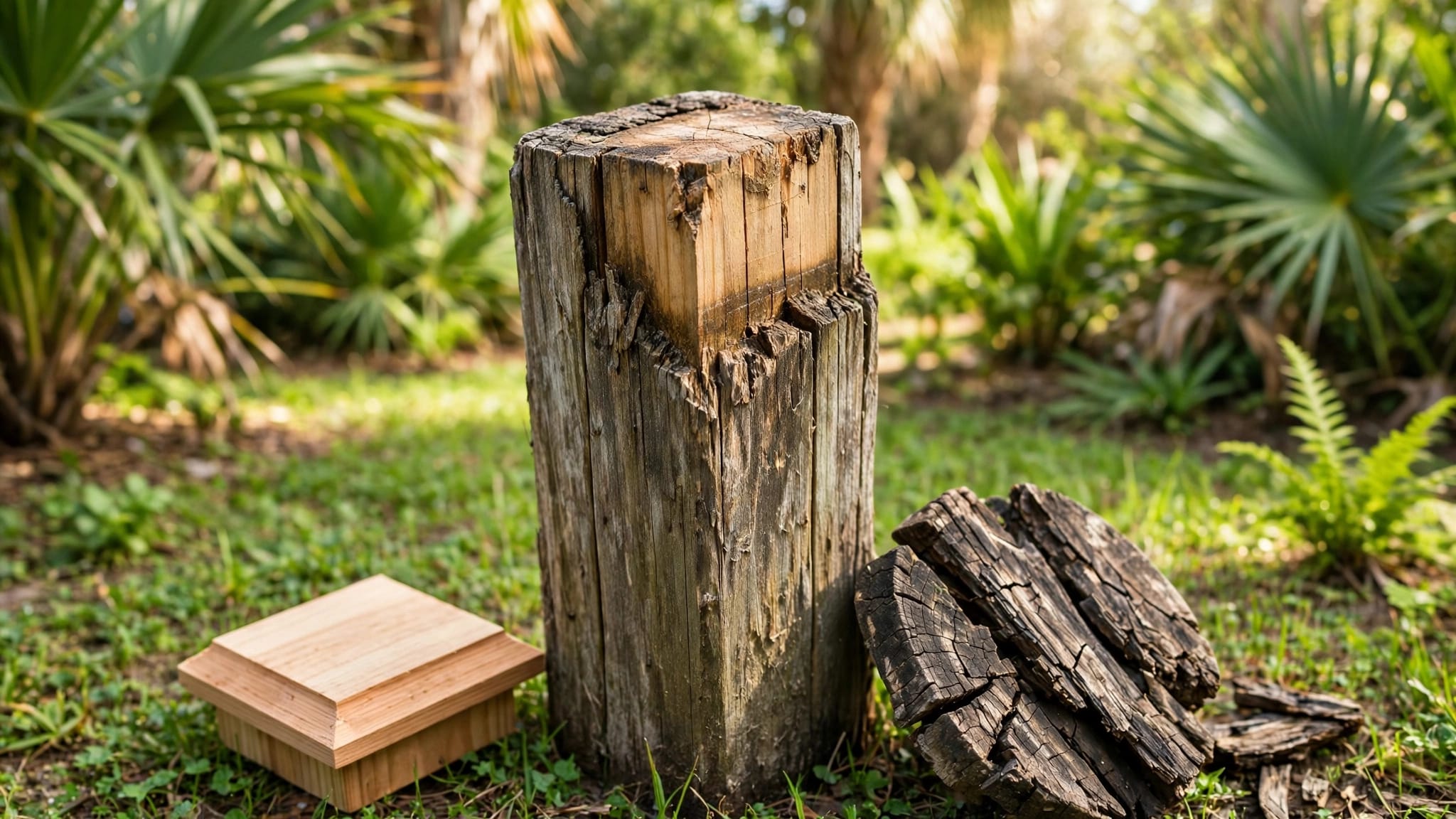
Pressure-treated pine is a common choice for Southwest Florida fencing because treatment helps protect the wood against decay and insects. The treatment doesn't protect the metal holding the fence together, though. Some treated lumber can increase corrosion risk for certain metals, particularly when the wood stays damp.
Florida weather adds another source of stress. Rain wets the boards, then sun and wind dry them. As the wood takes on and releases moisture, it moves around the connections. That movement can loosen a fastener over time, while corrosion can damage the metal or stain the surrounding wood.
A fastener labeled only "weather-resistant" leaves important questions unanswered. Choose a product identified for use with pressure-treated lumber and suitable for outdoor exposure. That gives you a clearer basis for comparing options than appearance alone.
Our guide to why fence nails loosen in Florida explains how moisture movement and corrosion can affect an existing fence.
Hot-Dip Galvanized vs. Stainless-Steel Fasteners
Both hot-dip galvanized and stainless-steel fasteners are available for outdoor wood projects. The choice depends on the product, the connected hardware, and the amount of salt and moisture the fence will encounter.
| Fastener option | Where it can fit | Main consideration |
|---|---|---|
| Hot-dip galvanized steel | Many inland fences and less-exposed panel connections | Choose a product identified for treated lumber and the intended use. |
| 304 stainless steel | Outdoor locations with less salt exposure | It has less resistance to chlorides than 316 stainless steel. |
| 316 stainless steel | Exposed coastal fasteners and gate hardware | Its greater chloride resistance can be useful in salt air. |
| Basic zinc-plated steel | Generally a poor choice for exposed coastal fencing | A thin plated finish provides limited protection in demanding conditions. |
The takeaway is to match the material to the exposure, then make sure the individual product suits the connection.
When Hot-Dip Galvanized Makes Sense
Hot-dip galvanizing gives steel a protective zinc coating. It can be a practical option for pressure-treated fence panels in a less-exposed yard when the fastener is intended for that use.
Don't assume every galvanized-looking fastener has the same finish. A bright, thin zinc-plated screw isn't the same product as a hot-dip galvanized fastener. For a quote, the finish should be clear enough to distinguish the two.
When to Consider Stainless Steel
Stainless steel is worth considering where hardware faces persistent moisture or salt. 316 stainless steel has better resistance to chlorides than 304, which can make it a useful choice for exposed coastal fence and gate connections.
A label such as "marine-grade" doesn't identify the metal by itself. Naming the grade provides a more useful description. Stainless also needs to suit the connected fitting and the job it performs; corrosion resistance alone doesn't determine whether a fastener can support a gate.
Match the Hardware to Your Florida Property
A sheltered inland yard and an open Gulf-facing property don't put hardware through the same conditions. Salt carried by wind can settle on screws and hinges, while humidity leaves moisture on the metal. Together, salt and water can speed corrosion.
Homes near beaches, bays, and canals may face more exposure, especially where breezes reach an open fence line. Pool splash and frequent sprinkler overspray can also keep parts wet or leave residue on hardware. There's no single distance from the coast that makes one fastener suitable for every property.
For a less-exposed inland fence, suitable hot-dip galvanized components may be a reasonable choice. Where salt exposure is heavier, consider 316 stainless for exposed fasteners and moving gate parts. The goal is to select protection for the conditions at the fence, rather than for the address alone.
Our look at horizontal fences for Florida homes covers how exposure also affects fence design and material choice.
Nails or Screws for a Wood Fence?
Nails and screws can both attach wood fence components. Neither is automatically the right choice for every connection. The decision depends on what you're attaching, the fastener's intended use, and whether the connection may need to come apart later.
Nails for Pickets and Panels
Nails are a common choice for attaching fence boards. They can make installation efficient, especially across a long run of pickets. A nail used outdoors still needs the right corrosion-resistant finish and a product designation suitable for treated wood.
Moisture movement can work nails loose over time. If a board starts to rattle, driving the nail back in may temporarily quiet it, but the surrounding wood or connection may already be worn. A lasting repair starts with finding the cause of the movement.
Screws for Accessible Repairs
Screws can be useful where you expect to remove and replace individual boards. Their threads hold in the wood, and an intact screw head makes removal easier than pulling a nail.
Choose an outdoor screw intended for treated lumber and the application. A generic deck screw or leftover interior screw shouldn't be assumed suitable for every fence connection. Likewise, a screw selected for a picket isn't automatically the right hardware for a gate hinge or a rail bracket.
Give Gate Connections Extra Attention
A gate puts repeated stress on its hinges, latch, fasteners, and supporting post. Wind can add load, and everyday opening and closing can expose a weak or corroded connection before a stationary panel shows trouble.
Hinges, Latches, and Fasteners
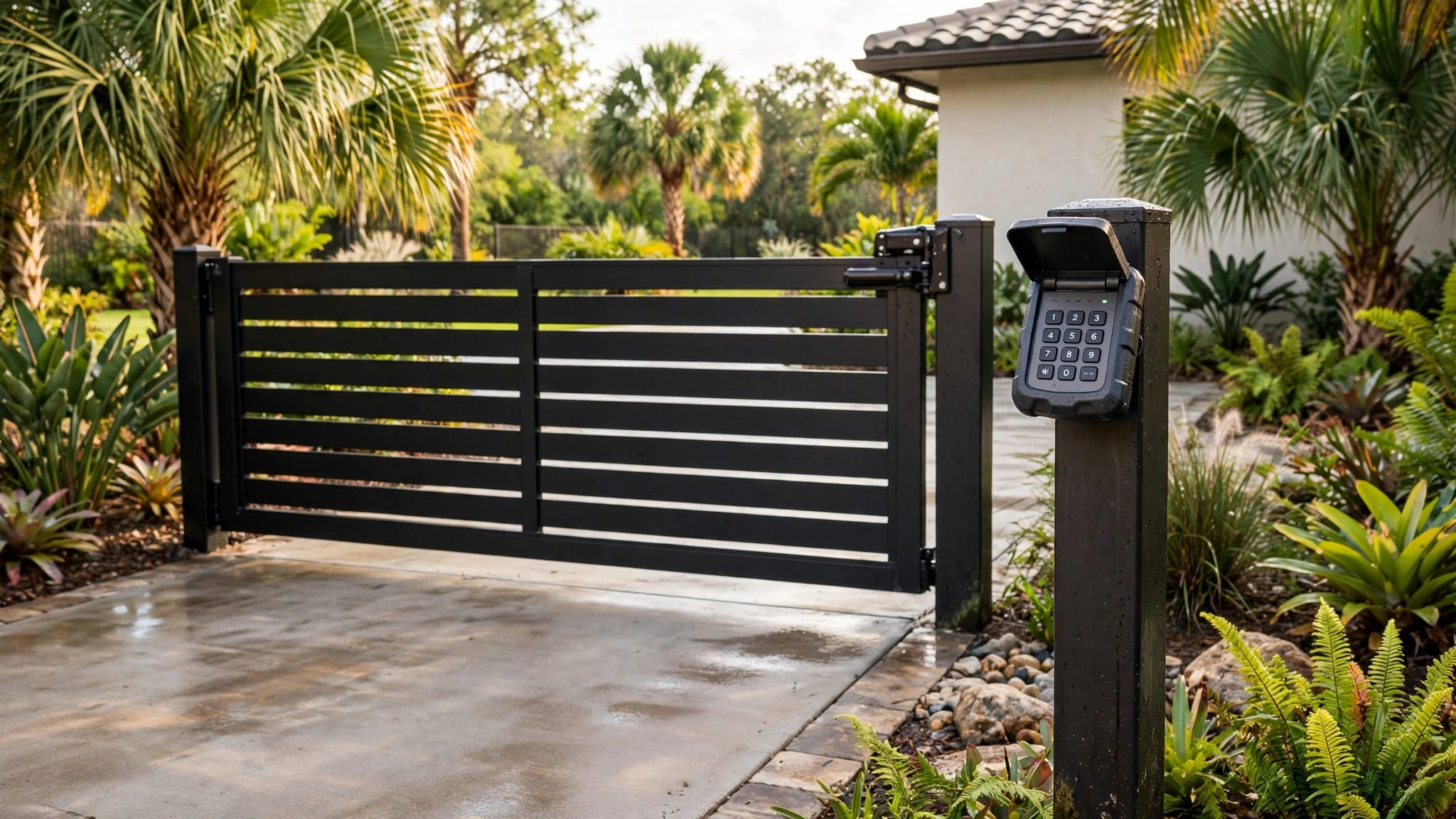
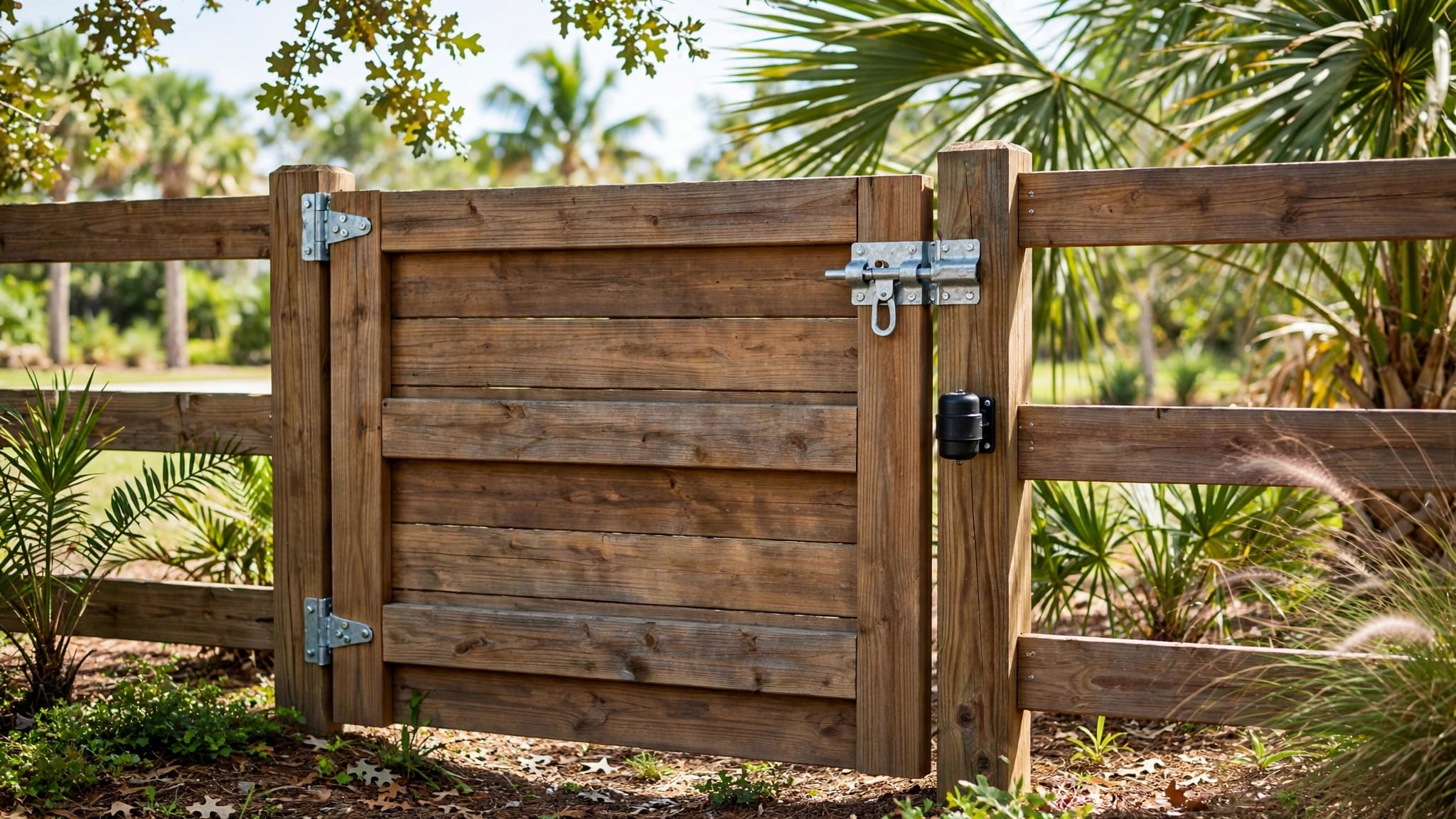
For a gate exposed to salt air, 316 stainless hinges, latch components, and compatible fasteners are worth considering. The moving parts need corrosion resistance, but they also need to suit the gate's weight and design.
A gate that surrounds a pool needs a barrier and closing hardware appropriate for that use. Its closing and latching function matters alongside corrosion resistance.
Posts and Brackets
Look at the full load path. Strong hinge screws can't correct a loose post, damaged wood, or a bracket that doesn't suit the gate. Bolts, washers, brackets, and post connections all need to work together.
Mixing dissimilar metals can create galvanic corrosion when moisture connects them. This is especially relevant when wood gates use aluminum frames or fittings. Compatible hardware and appropriate separation at contact points can help reduce that risk.
Install Fasteners Without Damaging the Wood
Corrosion-resistant hardware still depends on sound installation. Start with solid wood and a stable fence structure. A new fastener won't hold well if the board is split or the material around the connection has deteriorated.
Drive Fasteners Carefully
Fasteners should sit properly against the connection without crushing the wood or deforming a bracket. Overdriving can damage the surface and make it harder to remove the hardware later.
Pilot holes can help prevent splitting where the selected fastener or hardware calls for them. Keep the tool aligned with the fastener so the head remains usable for future adjustments. Damaged heads can turn a simple board replacement into a more involved repair.
Keep Connected Parts Compatible
The fastener, bracket, and wood form one connection. Choose parts intended to work together instead of combining leftover hardware based only on what fits through a hole.
For mixed-metal assemblies, an appropriate barrier or isolator may be needed at contact points. Avoid creating pockets that hold water around a fitting, and remove debris left around the finished connection. These details matter on hinges and brackets where corrosion can develop out of sight.
Maintain and Repair Fence Hardware
Walk the fence after heavy weather and look for loose boards, rust staining, damaged fittings, or a gate that has shifted out of alignment. A stain deserves attention even if the panel still feels secure: the fastener beneath it may be corroding.
Near salt water or a pool, rinse exposed hardware with fresh water when deposits build up. Avoid abrasive cleaning tools that can damage protective finishes. Keep sprinklers directed away from the fence where practical, and clear vegetation that prevents the wood and hardware from drying.
If a connection keeps loosening, look beyond the visible screw or nail. The rail, board, or post may also need repair. Our fence repair services in Southwest Florida cover damaged sections as well as worn hardware.
Compare Fence Installation Quotes
A useful estimate identifies more than "wood fence" and "exterior fasteners." It should describe the fastener material or finish and distinguish panel hardware from gate hardware. For stainless components, the grade gives you a clearer basis for comparison.
Also look at the complete gate assembly. A quote with corrosion-resistant screws but basic hinges may offer different protection than one with compatible hardware throughout. Comparing those details helps you understand what you're buying before installation starts.
At Supreme Fence of SWFL, we offer wood fence installation in Cape Coral, including pressure-treated wood options. The property and fence design both matter when selecting the hardware.
Frequently Asked Questions
Can I use ordinary screws in pressure-treated wood?
Choose screws identified for use with pressure-treated lumber and the intended outdoor application. An ordinary interior screw or a vague exterior label doesn't provide enough information about suitability.
Is 316 stainless steel necessary for every Florida fence?
No. Exposure varies across Southwest Florida. Suitable hot-dip galvanized hardware can work for many less-exposed applications, while 316 stainless is worth considering where salt and moisture place greater demands on the connection.
Why are my fence fasteners rusting?
The finish may be unsuitable or damaged, or the hardware may face more moisture and salt than expected. Water trapped around a fitting can make the problem harder to see. Inspect the surrounding wood and connected parts before replacing the visible fastener.
Choose for the Whole Fence
The right fastener is suited to the treated wood, the connection, and the conditions around your property. Inland panels and exposed coastal gates may call for different hardware choices.
Focus on the complete connection , not the screw alone. Matching fasteners with the right hinges and brackets gives your fence a better starting point for Florida weather.