Can You Reuse Old Fence Panels After Removal?
Yes, you can reuse fence panels after removal when they're still structurally sound and compatible with the rebuilt fence. However, panels that look acceptable while standing may reveal cracked connections or damaged rails once they come down.
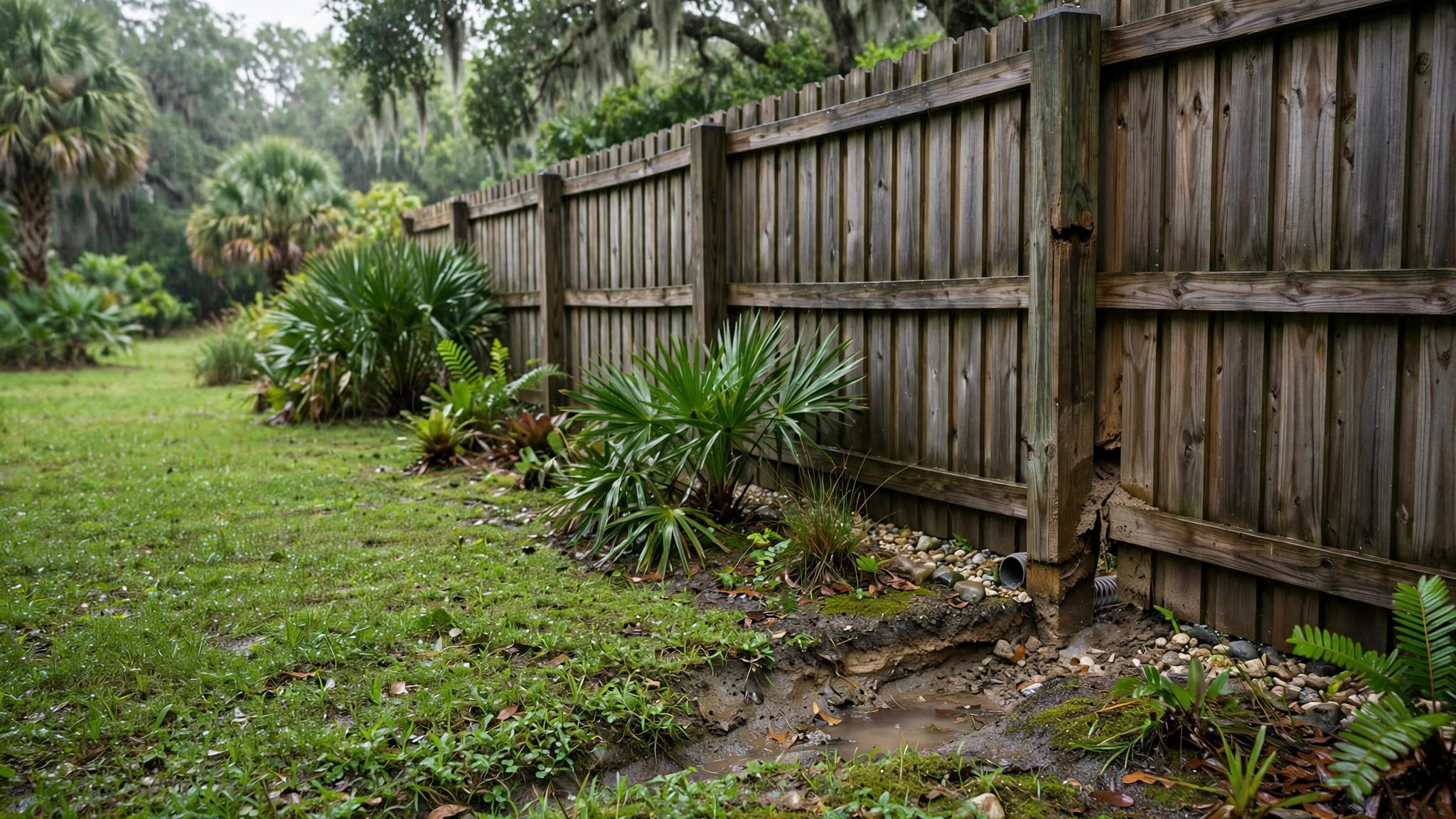
For Southwest Florida homeowners, condition matters more than appearance , especially after a hurricane. Start by separating panels worth saving from sections that would bring existing problems into the rebuilt fence.
Key Takeaways
- Sound, compatible panels may be reusable, but damaged connections can rule them out.
- Vinyl panels need matching rails, post openings, and hardware.
- Reusing panels doesn't automatically mean the existing posts or footings are suitable.
- Careful removal matters because dismantling can damage otherwise usable sections.
Which Fence Panels Are Worth Saving?
Assess the entire section, including its rails and attachment points. A clean surface alone doesn't establish whether a panel can withstand another installation.
Look Beyond Fading and Surface Dirt
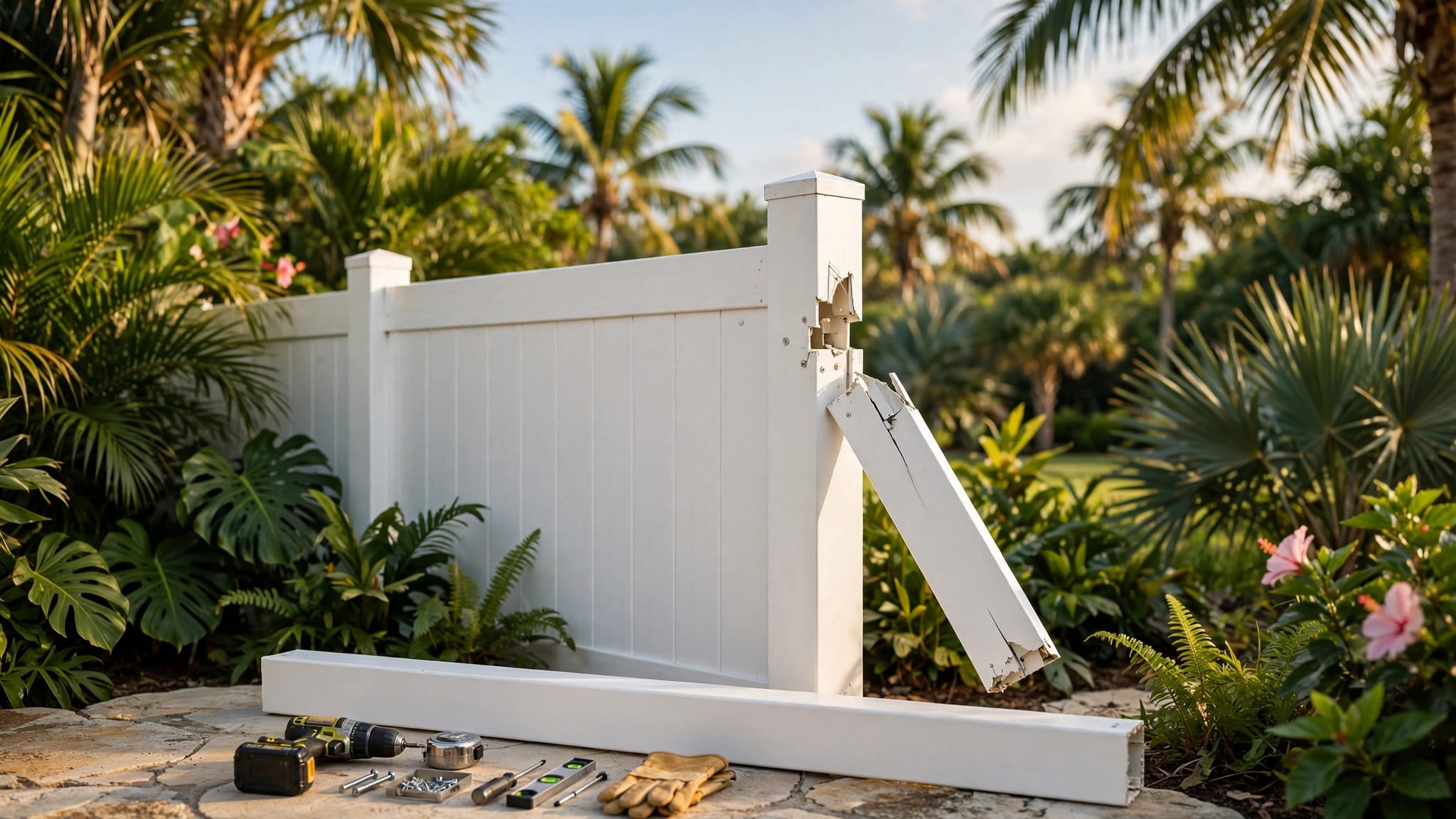
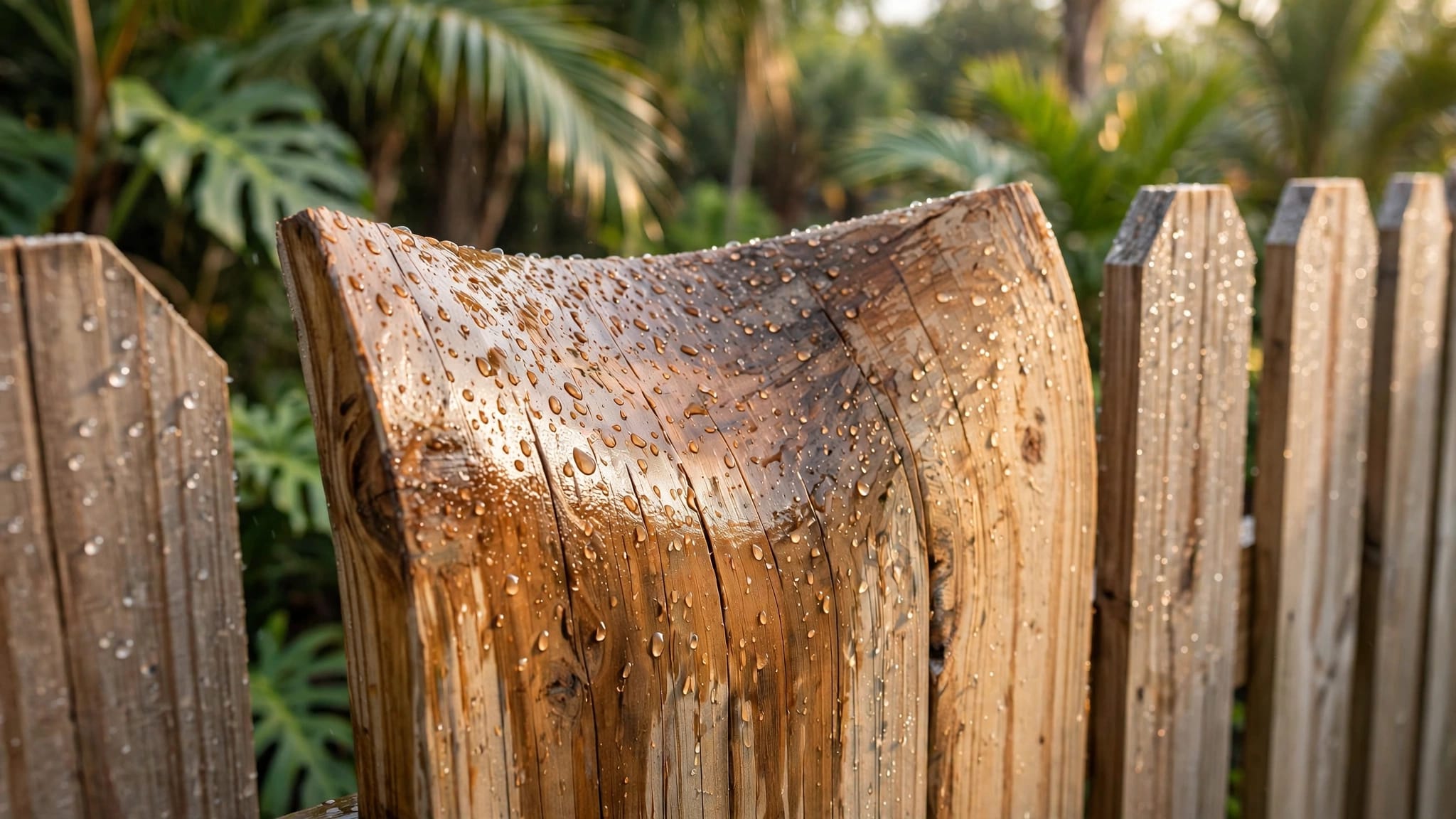
With vinyl fencing, look for cracks, brittle edges, broken tabs, and splits around attachment points. Widespread brittleness makes a panel a poor candidate for removal and reinstallation.
Fading affects appearance, but cracks and damaged connections affect whether the section can function properly. Cleaning won't restore broken material.
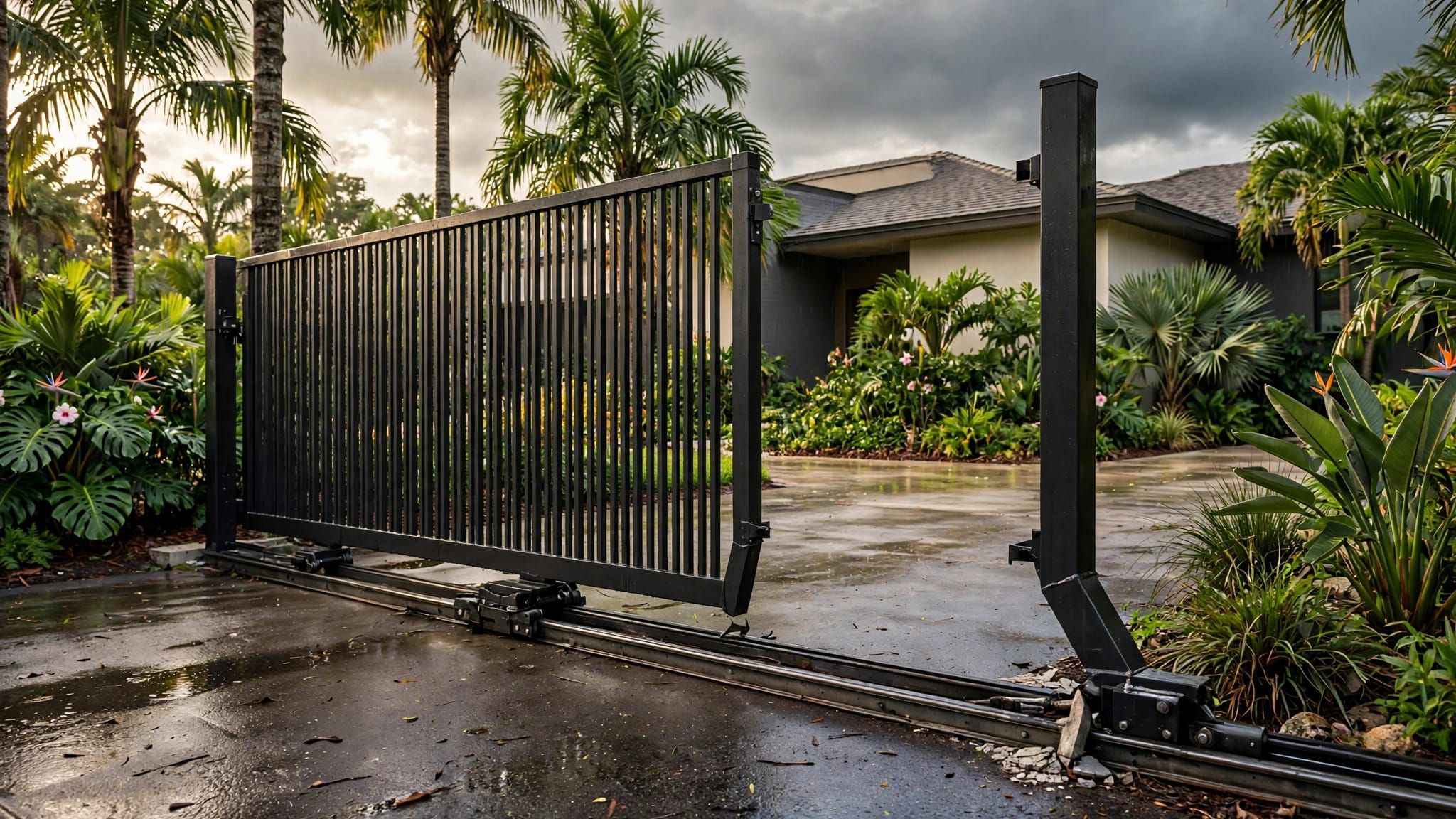
After storm damage, also look at the surrounding fence. A shifted post or cracked footing may explain why a panel pulled loose. Our guide to assessing fence damage after a storm covers those broader warning signs.
Make Sure the Parts Still Match
Vinyl fence systems differ in rail profiles, panel dimensions, post openings, and connection styles. A salvaged panel needs more than roughly the right width.
The panel, rails, posts, and hardware must work together without forced connections or improvised attachments. Discontinued product lines can make this difficult when some components need replacement.
Our guidance on matching new vinyl panels explains why similar-looking sections aren't always interchangeable. This matters when combining salvaged sections with replacement parts.
Remove Panels Without Creating More Damage
Decide which sections you hope to save before demolition begins. Otherwise, a removal crew may reasonably treat the fence as disposal material.
Photograph the layout and label reusable sections by location. Keep matching caps, rails, and brackets together, but separate broken or corroded hardware.
Support each section before releasing its attachments. Pulling a panel away while one connection remains fixed can damage its edge or rail. Also, avoid forcing vinyl locking connections apart.
Large panels can catch wind during handling, so removal needs controlled support. Keep children and pets away from the work area.
Afterward, store salvaged sections off wet ground with even support. Don't pile heavy debris on them. If the fence surrounds a pool, professional removal planning should keep the pool inaccessible throughout the work.
Reinstalling Panels in Southwest Florida
Saving a panel is only one part of rebuilding a dependable fence. The supporting structure and installation layout still need to suit the finished project.
Treat Posts and Footings as Separate Decisions
An intact panel can sit between unstable posts. Reattaching it won't correct movement caused by damaged supports, deteriorated connections, or compromised footings.
Likewise, an existing footing doesn't become suitable simply because you're keeping the old panel. Its condition and suitability for the rebuilt fence need separate assessment.
Our guide to reusing existing fence footings explains that distinction. Panel salvage should never substitute for addressing support problems, particularly after storm damage or soil movement.
Preserve Fit, Movement, and the Approved Layout
Reinstalled vinyl needs the correct fit and room for movement in Florida's heat. Forcing rails into mismatched openings can create stress at the connections.
Moving panels elsewhere also changes the project. A new location may involve different post spacing, ground slope, boundaries, or drainage constraints.
Permit requirements depend on the jurisdiction and scope. Rebuilding multiple sections or changing the fence's height, material, or location can receive different treatment than a minor repair. Reusing old materials doesn't automatically exempt the work from local requirements.
When Replacement Makes More Sense
An isolated damaged vinyl panel can often be replaced while sound surrounding posts and rails remain. However, widespread cracks, brittleness, leaning posts, or incompatible components can make piecemeal repairs impractical.
Replacing a complete run between natural stopping points may also look better than inserting mismatched sections throughout the yard.
Compare the complete repair scope , including careful dismantling, replacement hardware, support repairs, reassembly, and disposal. Saved materials don't eliminate labor.
At Supreme Fence of SWFL, we provide fence repair and installation in Cape Coral and Southwest Florida. We can assess whether salvaged panels fit the repair or whether rebuilding the affected section makes more sense.
FAQ
Can You Reuse Fence Panels After a Hurricane?
Sometimes, but storm damage can extend beyond the visible panel. Rails, connections, posts, and footings all matter. A section that stayed together may still have damaged attachment points. Unstable fencing, sharp edges, and compromised pool barriers call for professional help.
Is Reusing Old Panels Always Cheaper?
No. Reuse can reduce material purchases, but careful removal, sorting, replacement parts, and reinstallation still require labor. If several components need repair, retaining the panels may offer limited savings. Compare complete scopes rather than the panel purchase alone.
Can Faded Vinyl Panels Be Reinstalled?
Fading alone doesn't establish structural failure. However, faded sections may clash with new components. Cracks, brittleness, damaged rails, and incompatible connections are more important reasons to reject a panel.
Keep Sound Panels, Replace Weak Connections
Reusing old fence panels can make sense when the sections remain sound and fit the rebuilt system. The strongest reason to keep them is their usable condition , not simply that they survived removal.
Careful handling protects that value. Sound supports and compatible connections determine whether the finished fence deserves another service life.