How to Add Keypad Access to an Existing Driveway Gate
You can add a driveway gate keypad to many existing automatic gates without replacing the entire gate. The project starts with the condition of the gate and its opener, followed by a plan for where visitors will enter their code.
A safe installation keeps the keypad accessible while leaving the gate's movement area clear. In Southwest Florida, rain, sun, salt air, and drainage also deserve attention before work begins.
Key Takeaways
A keypad gives visitors a way to request entry without handing out a remote. Before adding one, focus on the gate system and the location where drivers will stop.
- A gate that rubs, sags, or stops unexpectedly needs attention before a keypad is added.
- Wired and wireless keypads involve different site planning, particularly where pavement or landscaping separates the entry point from the opener.
- The keypad location should keep users clear of the moving gate and avoid obstructing traffic.
- A qualified gate technician should handle powered-system work and test the gate's safety devices.
Start With the Gate and Opener You Already Have
The keypad is one part of an existing system. If the gate or operator already has a problem, adding an entry control won't correct it.
Look for Visible Gate Damage
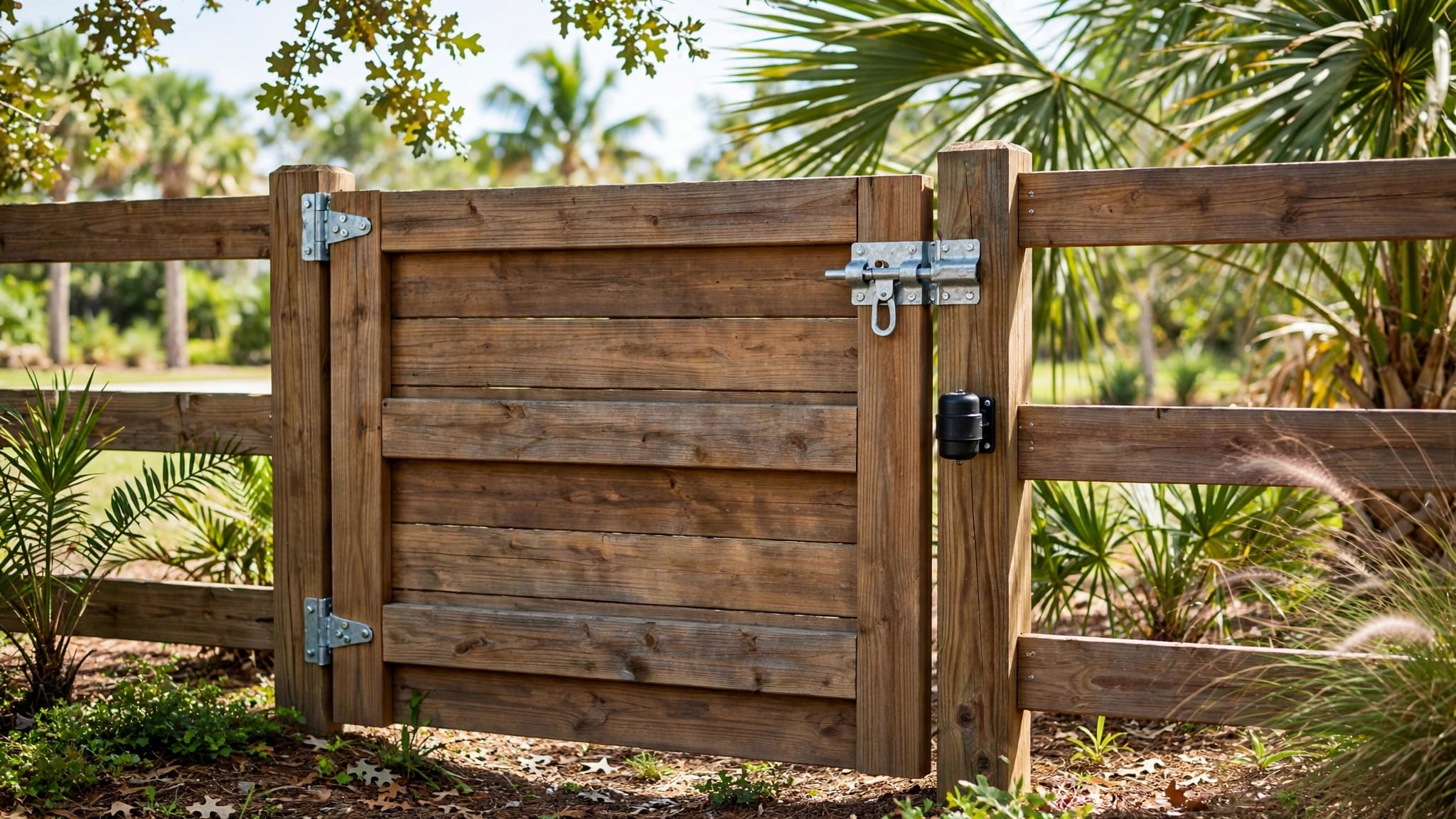
Stand outside the swing or slide area and look for rubbing, uneven gaps, damaged hardware, and changes around the posts. On a sliding gate, note debris along the visible track. On a swing gate, look for a leaf that appears lower than the other.
Don't reach into hinges, rollers, or other pinch points during your inspection. Also, avoid loosening hardware on a heavy gate. A loaded hinge or bracket can shift unexpectedly.
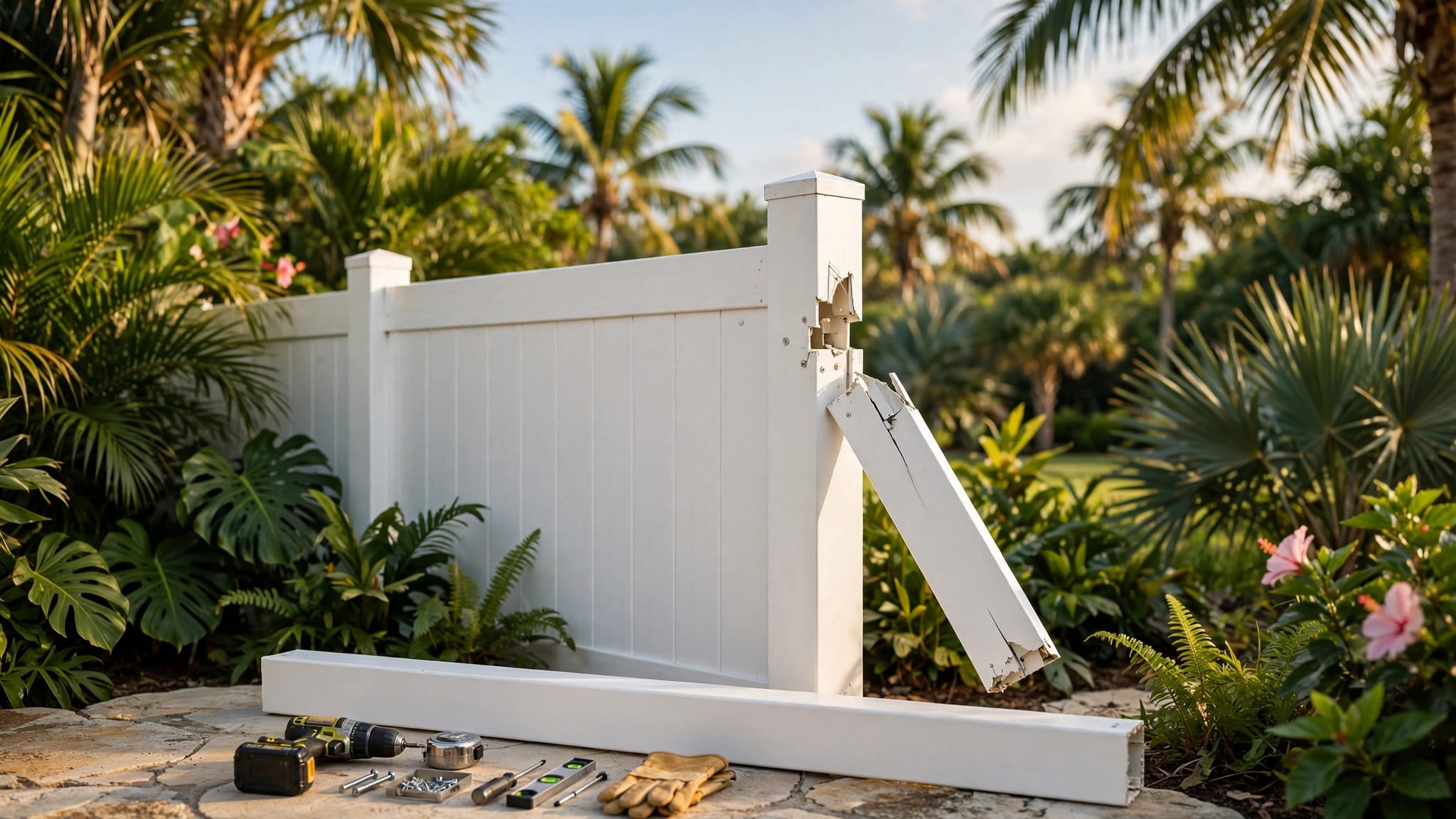
Our guide to evaluating gate hardware and alignment covers the parts of a driveway gate that deserve a closer look. A leaning post or bent frame needs a structural repair, not an adjustment to the keypad.
Record How the Gate Operates
If your gate already works reliably with its existing remote, that gives the installer a useful starting point. Note the gate and opener names and model numbers where they're visible, along with any history of interrupted operation.
If the gate stops mid-cycle, record whether it was opening or closing and whether you heard scraping. For a double gate, note whether both leaves stopped together. Leave an unstable or repeatedly stopping gate out of service until a qualified technician evaluates it.
Choose Between Wired and Wireless Keypads
The main difference is how the entry control communicates with the gate system. A wired keypad uses a physical connection. A wireless keypad sends a signal, which can reduce the need for a communication cable across the property.
Your driveway layout can make that distinction important. Existing pavement, irrigation lines, landscaping, and drainage features all affect the work around an entry point. A wired setup may involve a longer route across the site, while a wireless setup depends on a usable signal at the chosen location.
Weather matters for either choice. Select equipment intended for outdoor use, and plan for the heat and heavy rain common in Southwest Florida. Near the coast, corrosion-resistant hardware is useful as well.
Discuss the complete project with the installer rather than comparing the keypad alone. The work may include site preparation, electrical work, or repairs to the existing gate.
Plan a Safe Place for Visitors to Stop
A keypad should be reachable without putting a person, vehicle, or open car door in the gate's path. The right position depends on whether the gate swings or slides and how much room the driveway provides.
Keep the Gate's Travel Area Clear
Observe the full route the gate follows, including where each leaf swings or where a sliding panel travels. The keypad user needs a safe position outside that area throughout the cycle.
Also consider the approach. A driver shouldn't need to stop across a sidewalk or wait in a public travel lane while entering a code. If the driveway is short or visibility is limited, the entry layout may need more planning than the keypad itself.
Separate pedestrian access can reduce foot traffic through the vehicle gate area. It also gives visitors a more comfortable route when reaching the keypad from a car isn't practical.
Account for the Surrounding Property
Look at the ground where people will stand or vehicles will stop. Pooled water, loose shell, an irrigation spray pattern, or a narrow planting bed can make an otherwise convenient location difficult to use.
A keypad near a property line, easement, or sidewalk may raise additional site questions. Our guide to Florida fence and gate permit requirements describes factors that can bring a driveway gate project under further review, including powered operation and changes to the gate layout.
Prepare the Site for Southwest Florida Weather
Outdoor access equipment faces a mix of strong sun, heavy rain, humidity, and, in coastal areas, salt air. Those conditions affect the surrounding gate hardware as well as the keypad.
Pay Attention to Drainage and Corrosion
Look for standing water near posts, the operator area, and the proposed entry point. Heavy rain can soften soil around supports or leave sediment in a sliding gate's path. A keypad project is a good time to document these conditions, especially if the gate's operation changes after storms.
Corrosion-resistant fasteners and brackets are useful in exposed locations. Existing hinges, wheels, and posts also deserve attention: a keypad cannot overcome a gate that binds because its hardware or support has deteriorated.
Plan for Power Interruptions
Storm-related outages can affect an automatic gate system. Battery backup may keep a gate operating during an outage, depending on the system. Surge protection is another consideration, particularly where the property has long driveway runs.
Make sure household members understand the gate's manual-release procedure before an outage occurs. Don't force an engaged gate. If you can't follow the manufacturer's release procedure safely, leave the gate alone and contact a qualified technician.
Arrange Installation Around the Existing System
A keypad addition can involve the gate structure, access equipment, and electrical components. Keep those parts of the job coordinated, particularly if the project also includes a new post, a changed driveway layout, or repairs to the operator.
Give the installer the information you've gathered about the gate's operation and the location visitors will use. Mention recent paving, landscaping, drainage work, or storm damage near the gate. Those details can affect access to the equipment and the finished site.
The project should preserve the gate's existing protective devices. Photo-eyes and edge sensors help address different hazards, and neither should be bypassed to make an entry control work. A technician can assess the operator and test the safety functions after the work.
For broader planning, our guide to automatic driveway gates in Southwest Florida covers operator selection, drainage, and maintenance. At Supreme Fence of SWFL, we install and repair fences for homeowners and businesses, including properties where the gate layout is part of a larger fence project.
Test the Finished Keypad and Gate
Once installation is complete, observe a full entry cycle with the installer. Keep people, pets, and vehicles outside the gate's travel area while the gate moves.
Use an authorized code at the keypad and watch the gate open. Then observe it close through its normal operating cycle. The movement should be smooth, with no scraping, unexpected stops, or contact with a post or the ground.
Have the technician demonstrate the safety-device tests using the equipment manufacturer's procedures. The keypad should not interfere with those protections. Also test any existing entry controls you plan to keep using, such as a remote, so you know how the complete system behaves.
Finally, look at the approach from a visitor's position. The keypad should be easy to reach without stepping into the moving gate's path or leaving a vehicle where it blocks the road.
Troubleshoot Common Setup Problems Safely
A keypad that doesn't produce the expected result can point to several different issues. Start with observations you can make without opening electrical equipment or entering the gate's movement area.
The Keypad Doesn't Respond
If the keypad shows no response when you enter a code, note what you can see on its exterior. For example, record whether any indicator is visible and whether the problem began after heavy rain or a power interruption.
Avoid removing covers or working on electrical components. Share your observations with the installer or a qualified gate technician, who can assess the equipment safely.
The Gate Stops or Moves Unevenly
If the keypad responds but the gate stops partway, don't keep sending commands to reproduce the problem. Note its direction, stopped position, and any scraping. A photograph taken from a safe distance can help document visible rubbing, standing water, or damaged hardware.
Weather provides context, but rain alone doesn't establish the cause. Repeated stopping calls for a qualified technician, even if the gate moves normally on another attempt. Our guide to driveway gates that stop mid-cycle explains what to document before arranging service.
Frequently Asked Questions
Can a Keypad Be Added to a Manual Driveway Gate?
A keypad entry system for an automatic gate depends on more than the gate panel. A manual gate would need an automatic operating system as part of the project. The gate's size, condition, support posts, and safe movement area all matter when planning that work.
Does a New Keypad Fix an Unreliable Opener?
No. If the gate stops unexpectedly or moves poorly, the cause may involve the operator, safety devices, gate hardware, or surrounding conditions. Resolve the existing problem before relying on a new entry control.
How Often Should an Automatic Gate Be Maintained?
A useful routine includes a monthly visual check for rubbing, loose bolts, and debris. Every three to six months, hinges or rollers and safety devices need attention. Yearly professional service can cover operator settings, wiring, and wear parts.
Keep homeowner checks to accessible exterior areas. Leave internal equipment, loaded hardware, and safety-device adjustments to a qualified technician.
Plan the Keypad Around the Whole Gate
A driveway gate keypad is most useful when visitors can reach it safely and the gate operates reliably. Start with the gate's condition, then choose an entry location that suits the driveway and Southwest Florida weather.
If the gate needs structural work or repeatedly stops, address that first. A sound gate and tested safety system give the new access control a dependable foundation.