How to Stop a Fence Gate From Slamming in Strong Wind
To stop a fence gate from slamming, secure it in the position you need: use a reliable latch when it's closed and a suitable restraint when it's open. If the gate still bangs or won't catch, look for loose hardware or a shifting post before adding another device.
Southwest Florida gusts can push hard on a gate, especially one with solid privacy panels. A fix that works for an open chain-link gate may not suit a heavy vinyl or wood gate.
Start by finding where the movement begins.
Find Out Why Your Gate Slams
A gate can slam shut while you're carrying groceries through it, or bang against its post because the latch isn't holding. Those problems call for different fixes.
On a calm day, hold the gate as you move it through its full swing. Look for contact marks on the post, frame, latch, or nearby wall. Then close the gate normally and see whether the latch catches without lifting or pushing the panel into place.
Look for Movement at the Hinge Side
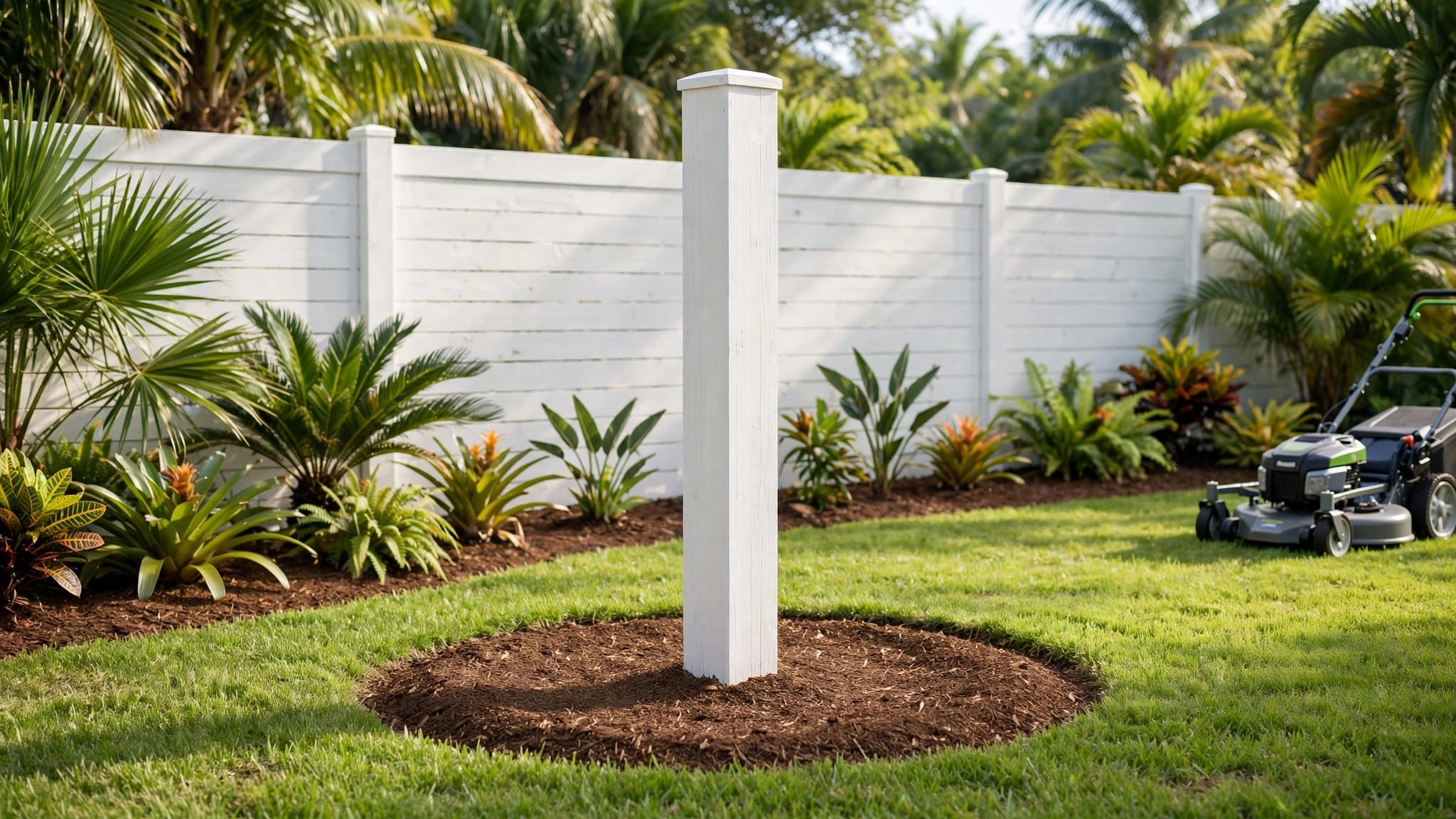
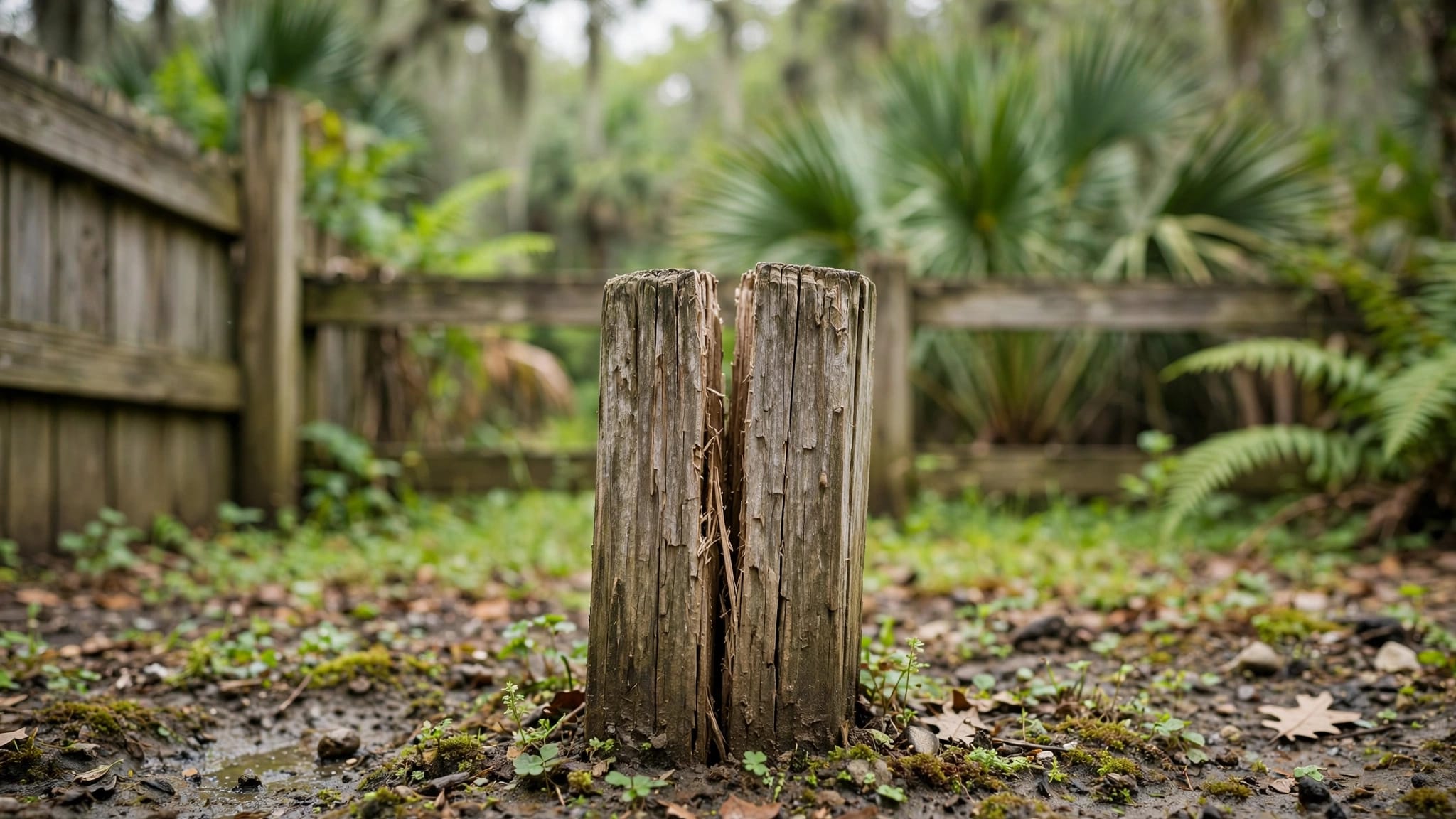
Watch the hinge post while someone gently moves the gate. If the post rocks at its base, the gate's weight and wind pressure are acting on an unstable support. Loose hinge bolts can also let the frame shift, even when the post itself stays firm.
Check the frame for twisting, cracked connections, and an uneven gap at the latch side. Our guide to repairing a rattling fence gate covers other signs of loose hardware.
Notice When the Gate Makes Contact
If the gate moves while latched, the latch may be worn, loose, or out of alignment. If it swings freely only when open, a hold-open device or stop may solve the immediate problem.
A gate that drags or needs lifting to close needs attention before you add hardware. Wind will make an existing alignment problem harder on the gate.
Use a Gate Stop or Restraint for an Open Gate
An open gate needs something to keep wind from swinging it into a wall, vehicle, person, or the closed position. The right device depends on where the gate opens and how much room is available.
Stops Limit Travel, While Restraints Hold Position
A gate stop limits how far a gate can swing. A cushioned stop can reduce the impact where the gate meets a post or wall, but it doesn't necessarily keep the gate from moving away again.
A hold-open restraint keeps the gate in a chosen open position. Choose one intended for the gate's size and weight, and attach it to sound structural material rather than a thin picket or loose panel. Place contact points where they won't crush the gate or create a pinch hazard.
A stop or restraint should leave the walkway clear. It also needs enough support to handle repeated movement without pulling loose.
Give Double Gates a Stable Meeting Point
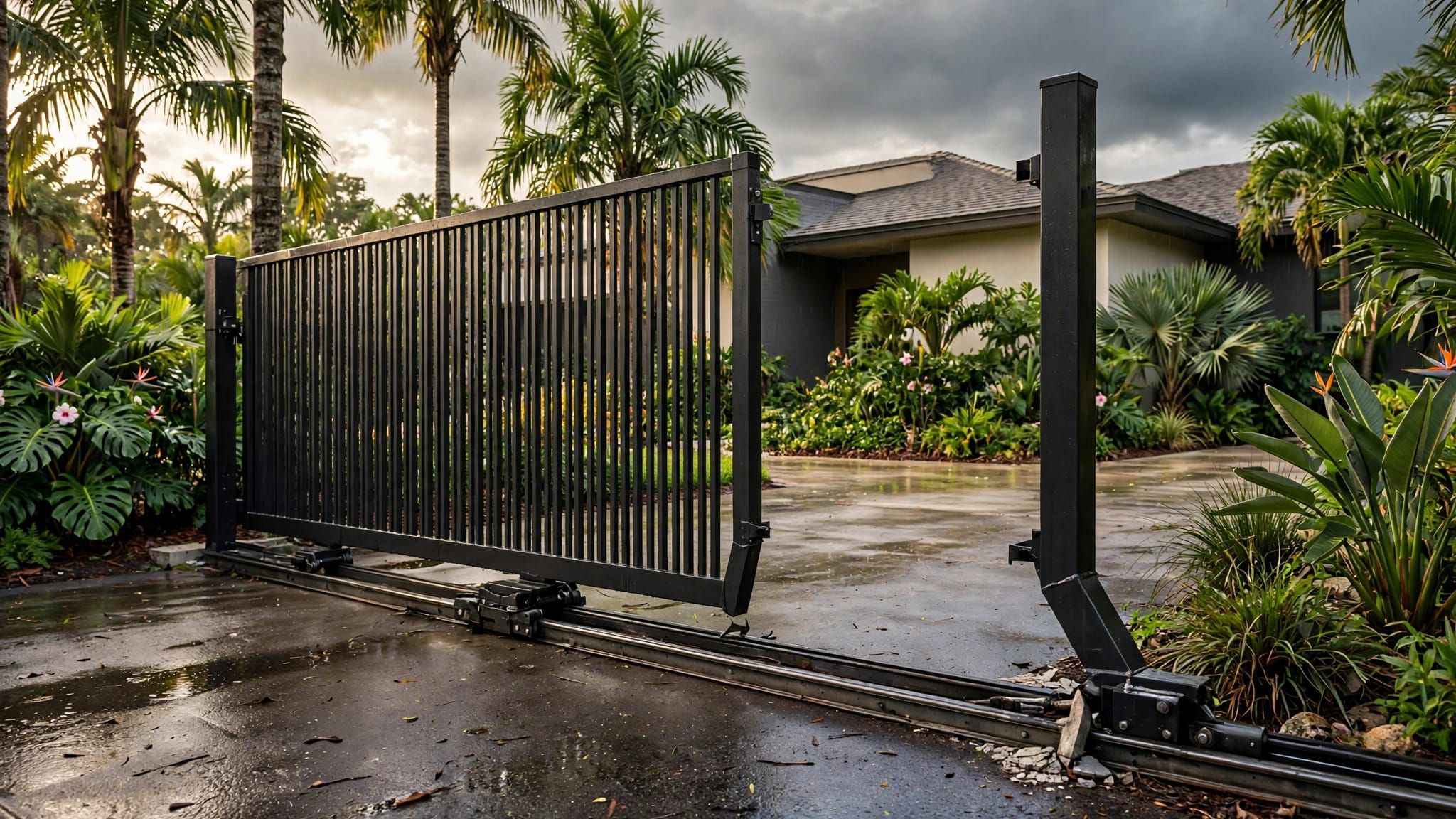
Double driveway gates can move at their center when one leaf is left unsupported. A drop rod, also called a cane bolt, can secure one leaf to a ground receiver while the other leaf latches against it.
A center stop provides a consistent resting point for the closed leaves. Together, these parts can reduce movement and help preserve latch alignment. Our guide to walk gates and double gates has more detail on gate hardware and sag.
For normal use, keep the receiver clear of sand and debris. Avoid a raised fitting in a walking or driving path where it could create a trip hazard.
Choose a Latch That Holds in Both Wind Directions
A closed gate should latch securely without needing to be tied shut. Choose an exterior-rated latch suited to the gate material, its weight, and the direction it opens. The catch should engage fully and resist movement when wind pushes or pulls on the gate.
A latch with excessive play can allow the gate to knock against the post even though it stays closed. Tightening a loose latch may help, but replace a worn or bent assembly rather than relying on it to hold through stronger gusts.
Alignment matters as much as the latch itself. If the gate sits too low, repositioning the catch alone may hide a sagging frame or hinge problem. Correct the cause first, then adjust the latch so it closes freely.
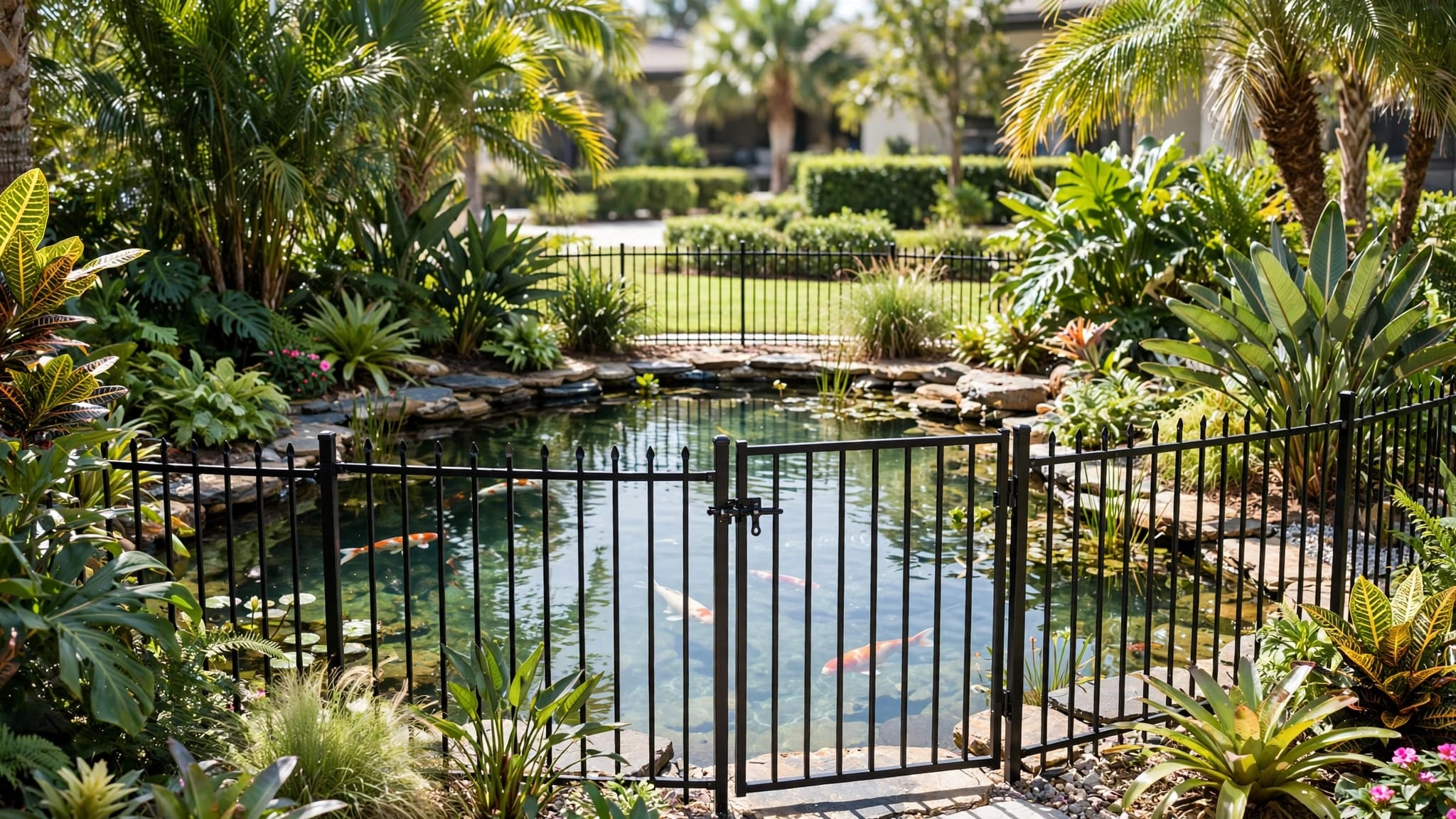
For a pool barrier, gate hardware and operation are safety requirements as well as convenience features. Don't prop or tie a pool gate open. Repairs and replacement hardware must preserve the required self-closing and self-latching operation.
Check Hinges, Alignment, and Post Stability
A gate that swings out of alignment can miss its latch or strike the post with each gust. Before buying a new latch, check the parts carrying the gate's weight.
Tighten and Adjust the Hinges
Inspect fasteners on both the gate frame and hinge post. Tighten loose bolts or screws with the correct tool, and replace stripped or heavily corroded fasteners. If the gate design allows, properly installed through-bolts can provide a more secure connection than screws in a weakened mounting surface.
Some hinges allow adjustment. Set them so the gate swings freely, clears the ground, and meets the latch without being lifted. Clear roots, shifted pavers, or other obstructions before adjusting the hinges around them.
Lubrication can quiet suitable moving parts, but it won't repair a bent hinge or loose post. Use a lubricant compatible with the hardware and follow its maintenance instructions.
Repair a Sagging Frame or Moving Post
Look along the top rail and compare the gaps around the gate. A dropping latch corner can point to loose hinges, a frame that has shifted out of square, or a hinge post that has moved.
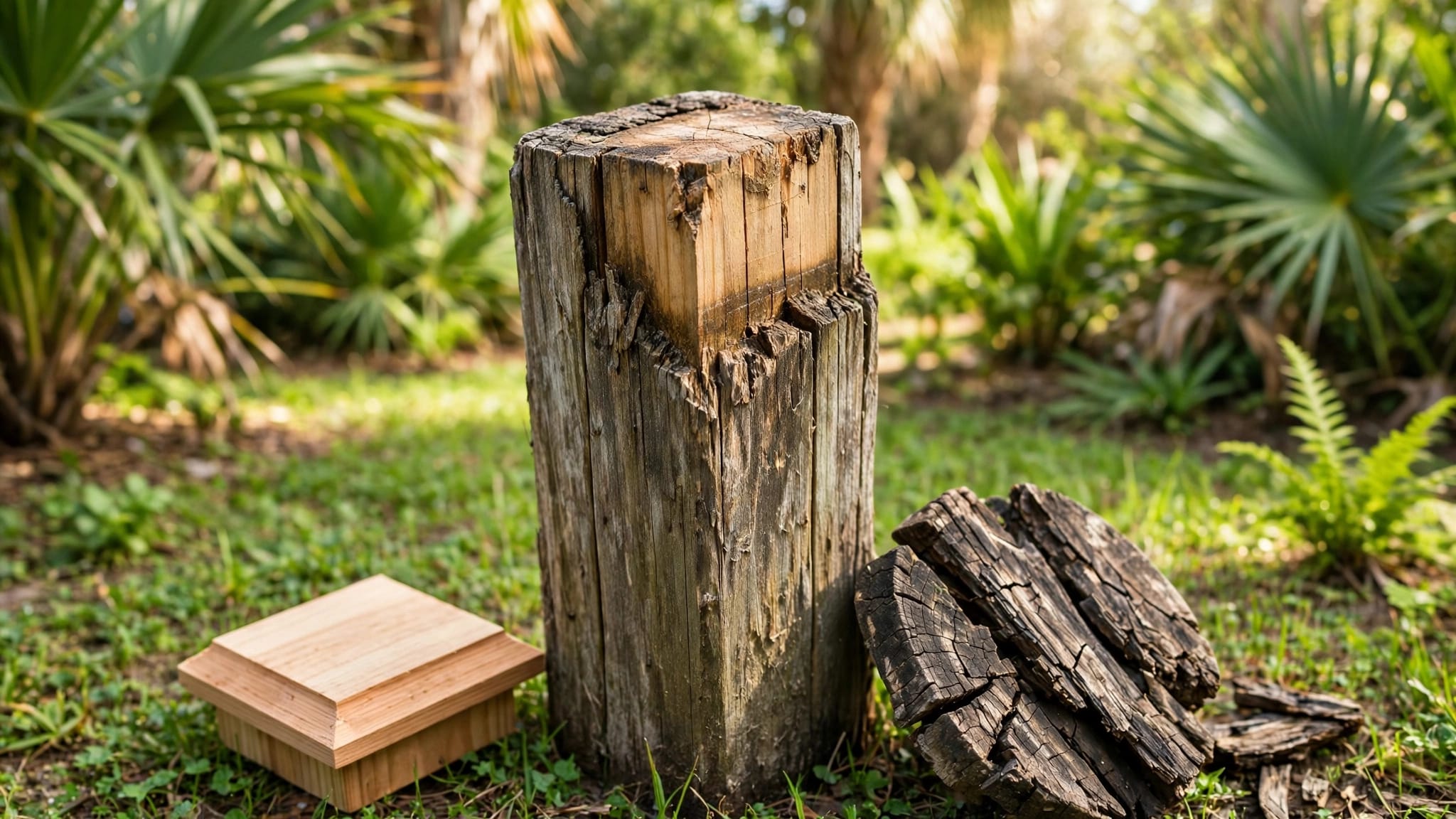
Wood gates may need repaired joints or bracing. Vinyl and metal gates can also need frame or post reinforcement, depending on their construction. If the post rocks in the ground, tightening the hinges alone won't keep the gate aligned.
Post repairs in Southwest Florida can involve sandy soil, shell rock, or saturated ground. Our guide to fence posts in shell rock explains some of the conditions that affect post support.
When a Gate Closer Can Help
A gate closer helps return a gate to its closed position after someone walks through. It can be useful when a yard gate is often left swinging open or when a pool gate needs to close and latch on its own.
Choose a closer compatible with the gate's size, weight, hinges, and intended use. Once installed, the gate should close and engage the latch without excessive force or someone having to push it the final distance.
A closer doesn't replace a secure latch, and it may not control a gate against every strong gust. If wind catches the gate before it closes, or the gate strikes the post hard, the closer and alignment need attention.
Also consider who uses the opening. Closing resistance can make a gate harder to operate for someone using a wheelchair, scooter, or mobility aid. For a pool enclosure, maintain the required closing and latching operation rather than reducing resistance in a way that prevents the gate from securing itself.
Match the Fix to the Gate and Wind Exposure
Solid gates catch more wind than open designs. A wide privacy gate on an exposed side of a property generally puts more demand on its hinges, posts, and restraints than a smaller gate in a sheltered walkway.
| Gate construction | What to consider |
|---|---|
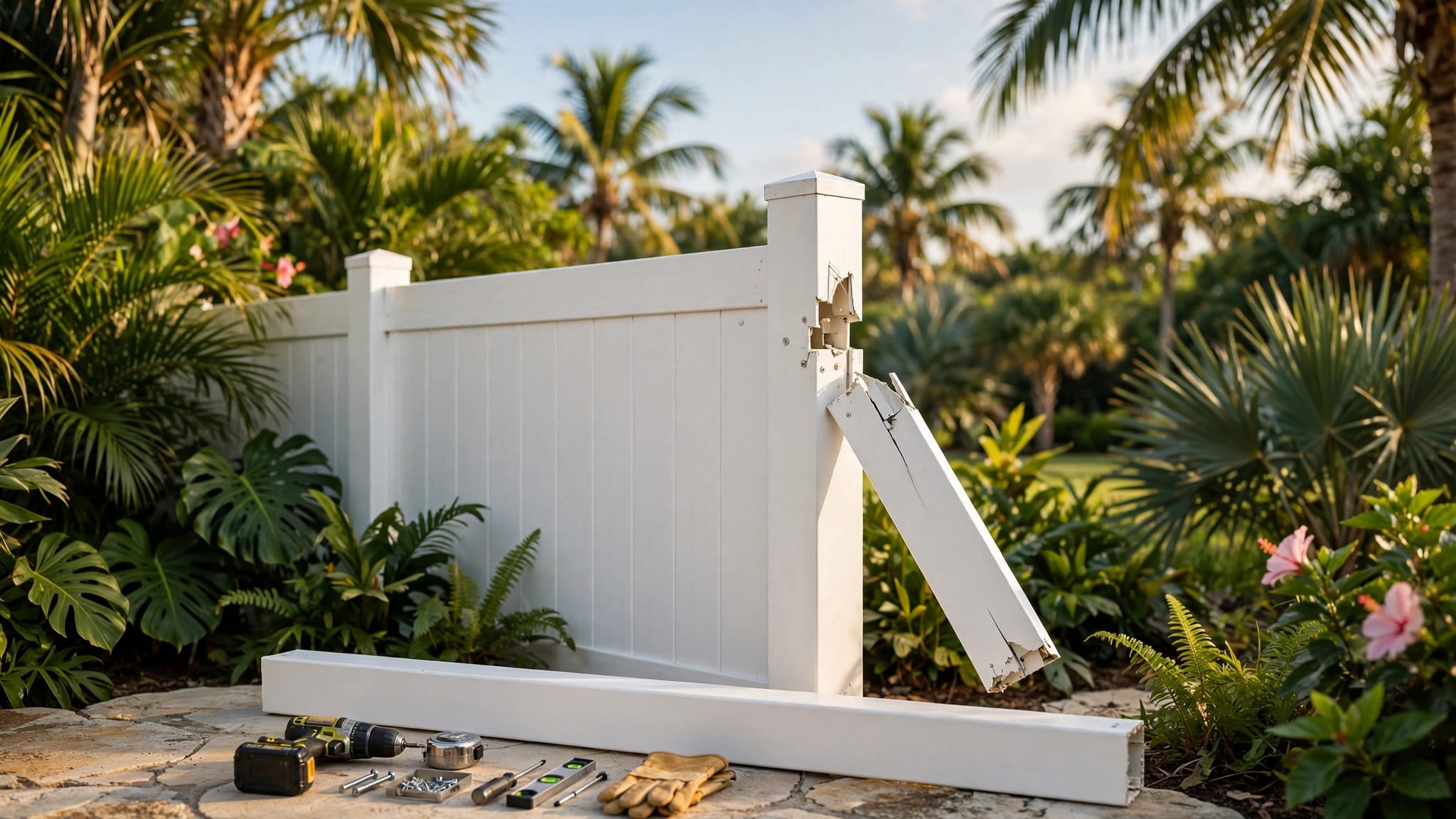
| Solid vinyl or composite | Use mounting points and reinforcement suited to the gate system. Avoid relying on a thin panel to carry hardware. |
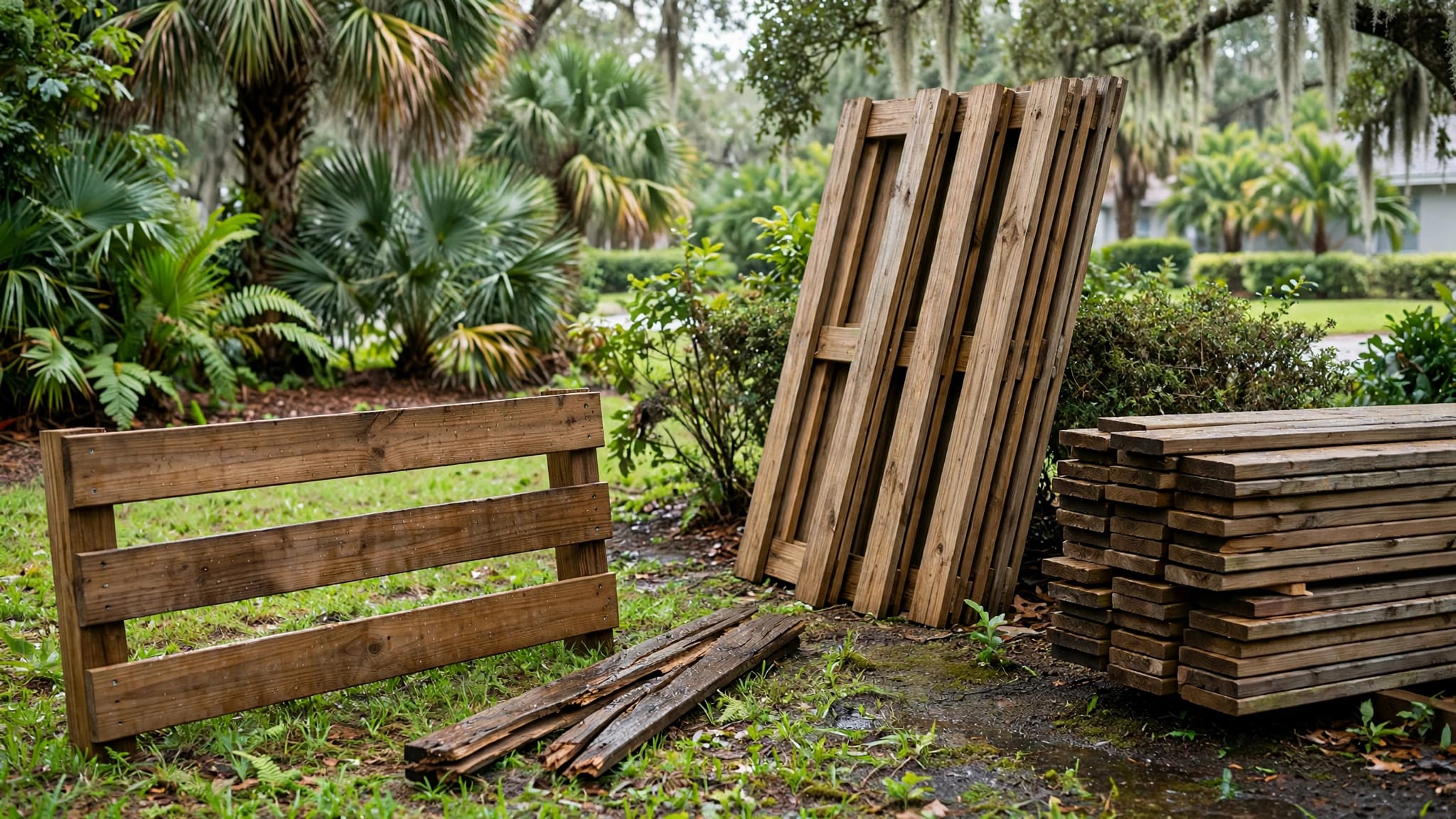
| Wood privacy gate | Check the frame, joints, and post for sag or moisture damage before adding a restraint. |
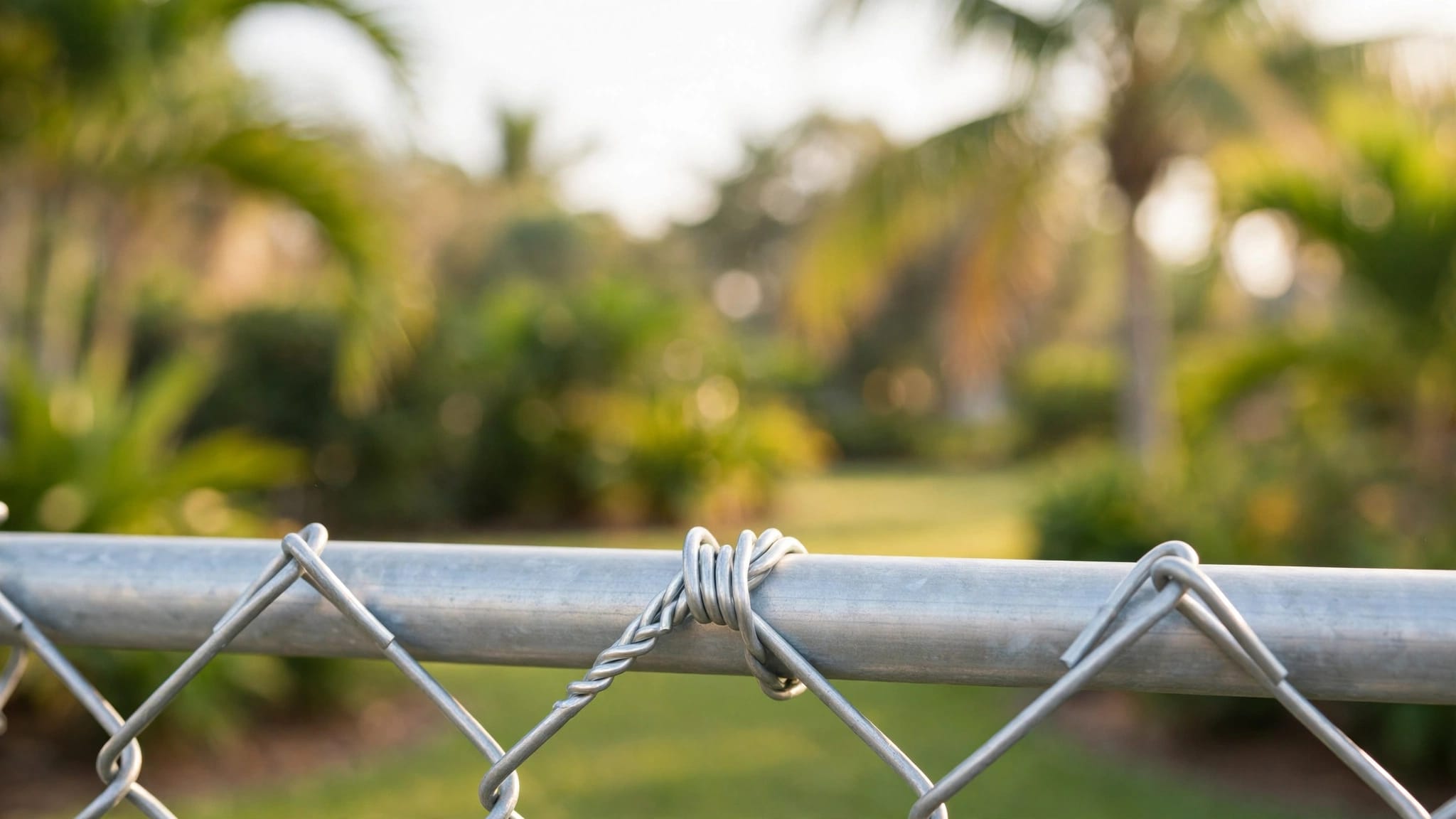
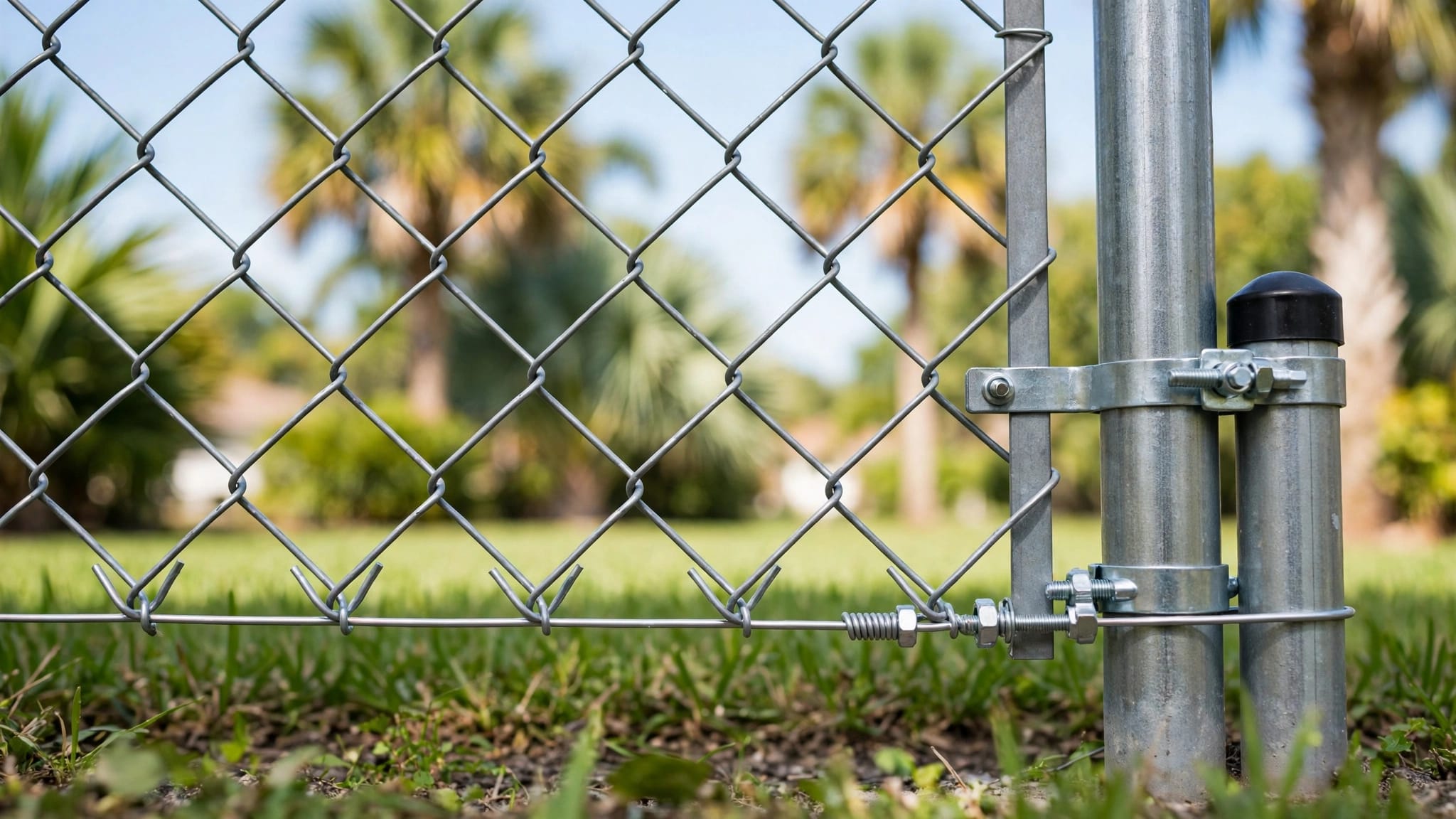
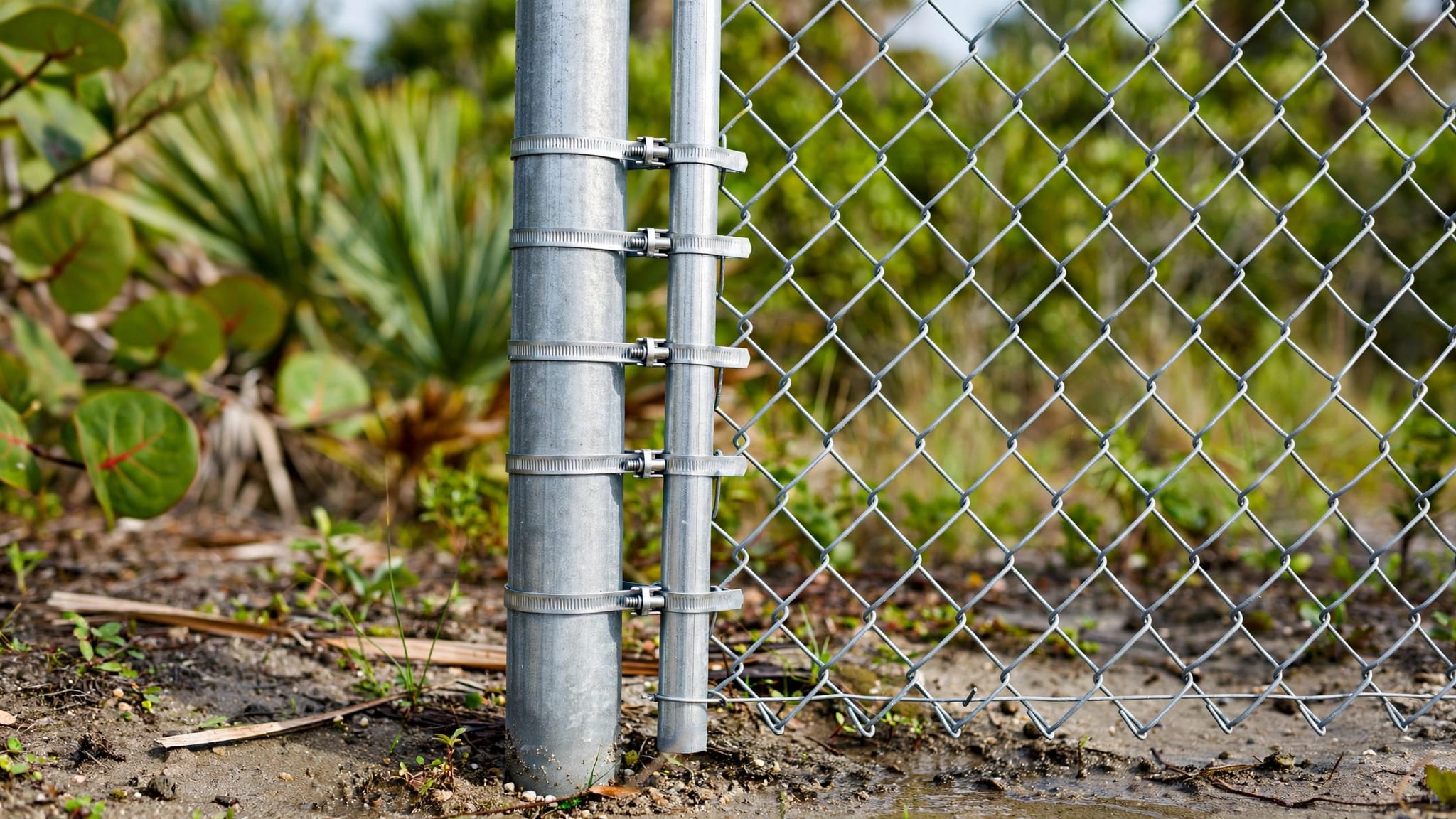
| Chain link | Open mesh lets more air through, but privacy slats or screens add wind load. |
| Aluminum picket or metal | Inspect hinges and fasteners for movement, corrosion, and compatibility with the frame. |
| Double driveway gate | Support the meeting point with suitable stops and drop rods, as well as a secure latch. |
The takeaway is to size the hardware for the whole gate assembly , including the supporting post. A stronger latch won't compensate for a post that moves.
Near the coast, salt air adds another consideration. Compatible 316 stainless steel fasteners or hot-dip galvanized hardware can suit outdoor applications. Avoid mixing incompatible metals without suitable separation, since damp, salty conditions can accelerate corrosion at contact points.
Install Gate Hardware Safely
Work on a calm day and support the gate before loosening hinges or removing hardware. Keep hands clear of hinge gaps and don't attempt to hold a heavy gate alone while its fasteners are disconnected.
For a straightforward hardware installation, work through these steps:
- Close the gate and establish where the latch, stop, or receiver needs to meet its contact point.
- Mark mounting locations on solid framing or a suitable post, keeping the opening and travel path clear.
- Install the hardware with compatible exterior-rated fasteners, following the hardware and gate instructions.
- Move the gate slowly through its full swing, then test the latch or restraint several times.
Don't drill through an unknown reinforcement or wiring path. If a ground receiver or post repair requires digging, contact 811 before you dig. Take care around irrigation lines and other buried equipment as well.
A temporary soft strap can keep a damaged ordinary yard gate from swinging while you arrange a repair, provided it doesn't obstruct a required exit. It's not a substitute for a sound latch or post. Keep people and pets away from a gate that could fall.
Prepare for Storms and Maintain the Hardware
Before storm season, close and latch ordinary gates securely. Remove loose objects near the swing path, and inspect the surrounding fence for branches, vines, or damaged connections. Our hurricane fence preparation checklist covers the wider fence line.
Don't wait for severe weather to work on a gate that's already moving. A restraint used for everyday gusts isn't a guarantee against hurricane-force winds or flying debris.
Inspect hardware a few times a year and after strong storms. Look for rust stains, loose bolts, cracked brackets, a changing latch gap, or a post that rocks. Rinse exposed hardware with fresh water when salt residue builds up, and replace badly corroded parts rather than painting over them.
When to Call a Fence Contractor
A loose screw or misaligned latch may be a manageable repair. A leaning post, twisted frame, damaged footing, or heavy driveway gate can require structural work and equipment.
Pool gates deserve particular care because a repair must preserve their safety operation. After a storm, keep clear of gates attached to unstable posts or damaged fence panels.
At Supreme Fence of SWFL, we install and repair gates and fences in Cape Coral and surrounding Southwest Florida communities. We can assess the gate, its hardware, and its supporting post together.
Keep the Gate Secure Without Hiding the Problem
Stopping a gate from slamming starts with controlling it in both positions: a secure latch when closed and an appropriate restraint when open. Neither will do its job well if the frame sags or the post moves.
Inspect the complete assembly before choosing a fix. Sound supports and correctly fitted hardware make the gate easier to use and less likely to bang when the wind picks up.