Do You Need A Pool Fence With A Screen Enclosure
A screen enclosure feels like a safety feature. It has doors, it's "around" the pool, and it keeps the yard separated. So it's easy to assume you're covered.
In most cases, you still need to think about a pool fence screen enclosure setup as two different jobs: comfort and containment. The cage helps with bugs, sun, and debris. A pool barrier is meant to slow down or stop unsupervised access, especially for kids.
If you're in Southwest Florida, the safest plan is simple. Treat the screen as a bonus, then verify whether your pool also needs a code-compliant fence and gate hardware. Requirements vary by city, county, permit set, and HOA rules, so confirm details before you order materials.
A screen enclosure can make pool ownership easier, but it's rarely the best "last line of defense" by itself.
Does a screen enclosure count as a pool barrier in Florida?
Many Florida homes have pool cages, but a standard screen enclosure often doesn't function like a true pool barrier. Screens tear, frames flex, and doors get used all day. In other words, the enclosure is usually designed for pest control and outdoor living, not child-resistant access control.
Florida pool safety rules commonly point back to statewide requirements (often discussed under the Residential Swimming Pool Safety Act and the Florida Building Code). Those rules focus on outcomes: a child shouldn't be able to slip through, crawl under, or push through an entry point, and gates should close and latch on their own. Guidance from safety groups like the CPSC also emphasizes a 4-foot barrier, controlled gate access, and limiting gaps.
Here's why screen enclosures are treated cautiously during safety conversations and inspections:
- Climbable screen mesh : To a small kid, screen can act like a net with handholds.
- Screen doors and pet doors : They're convenient, but they're also frequent failure points.
- Propped doors : A wedge, a chair, or "just for a minute" can create open access.
- Latch height and reach : Low latches are easier for children to operate.
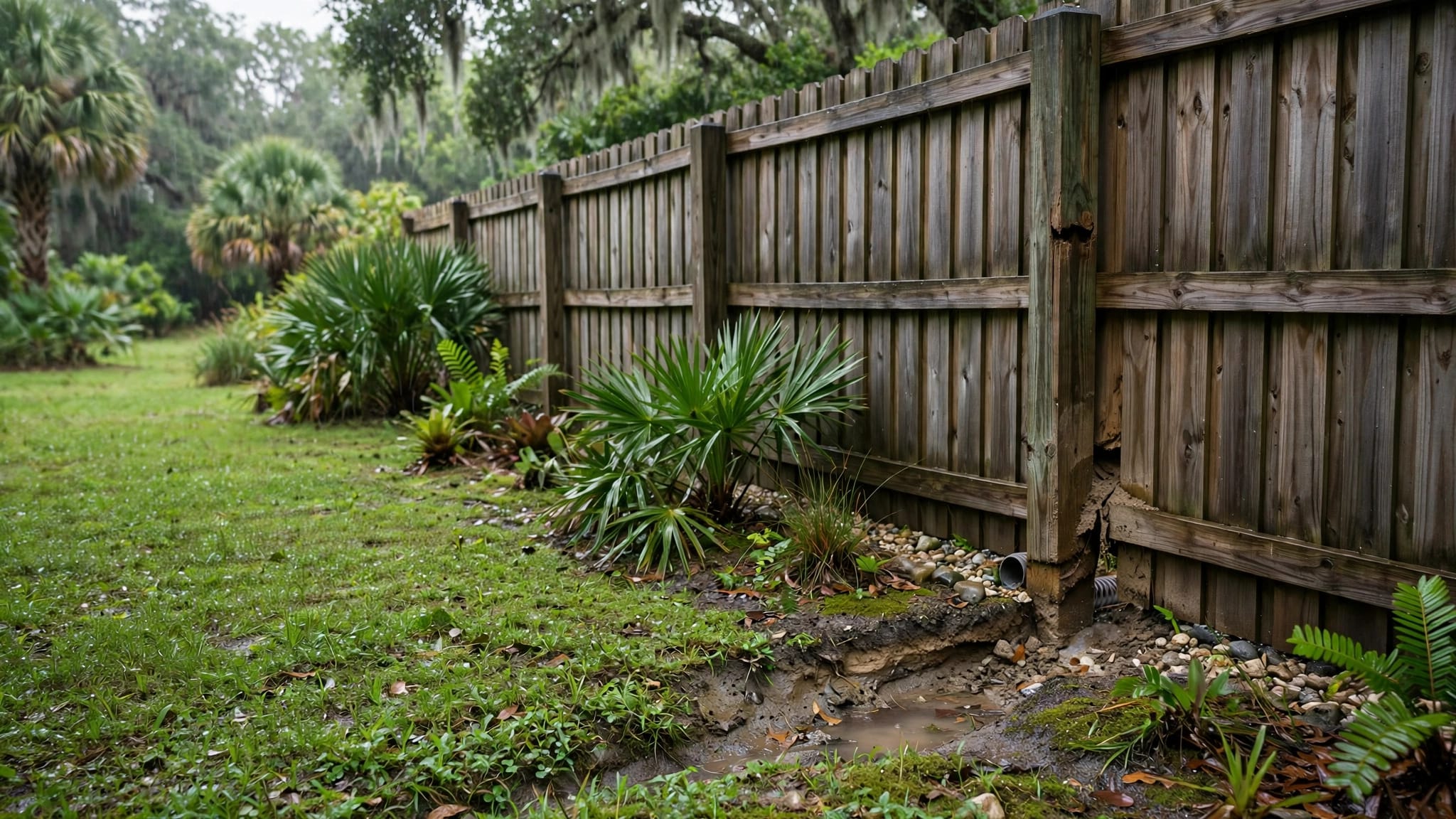
- Gaps and clearance changes : Settling soil, pavers, and erosion can open space under frames.
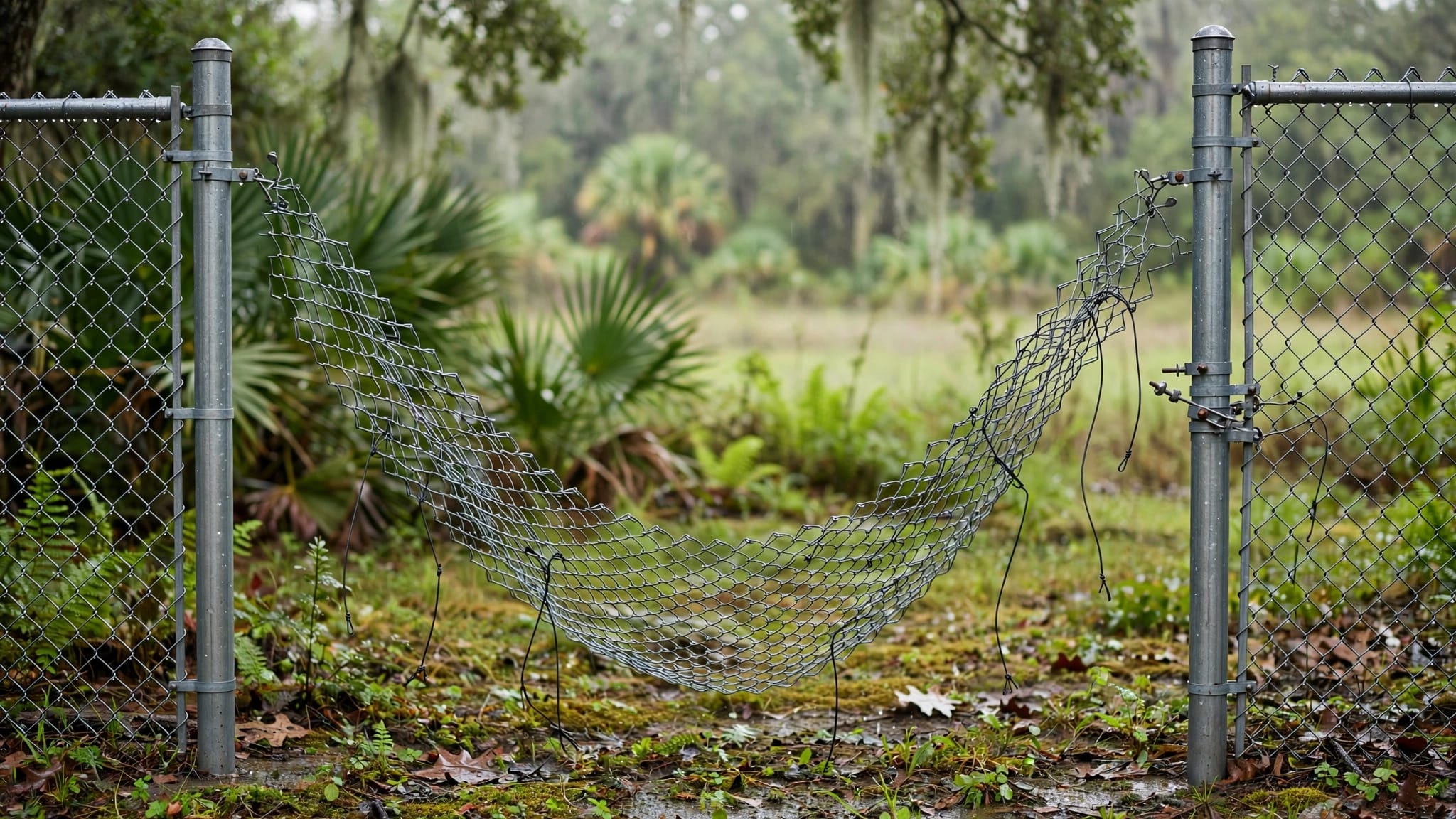
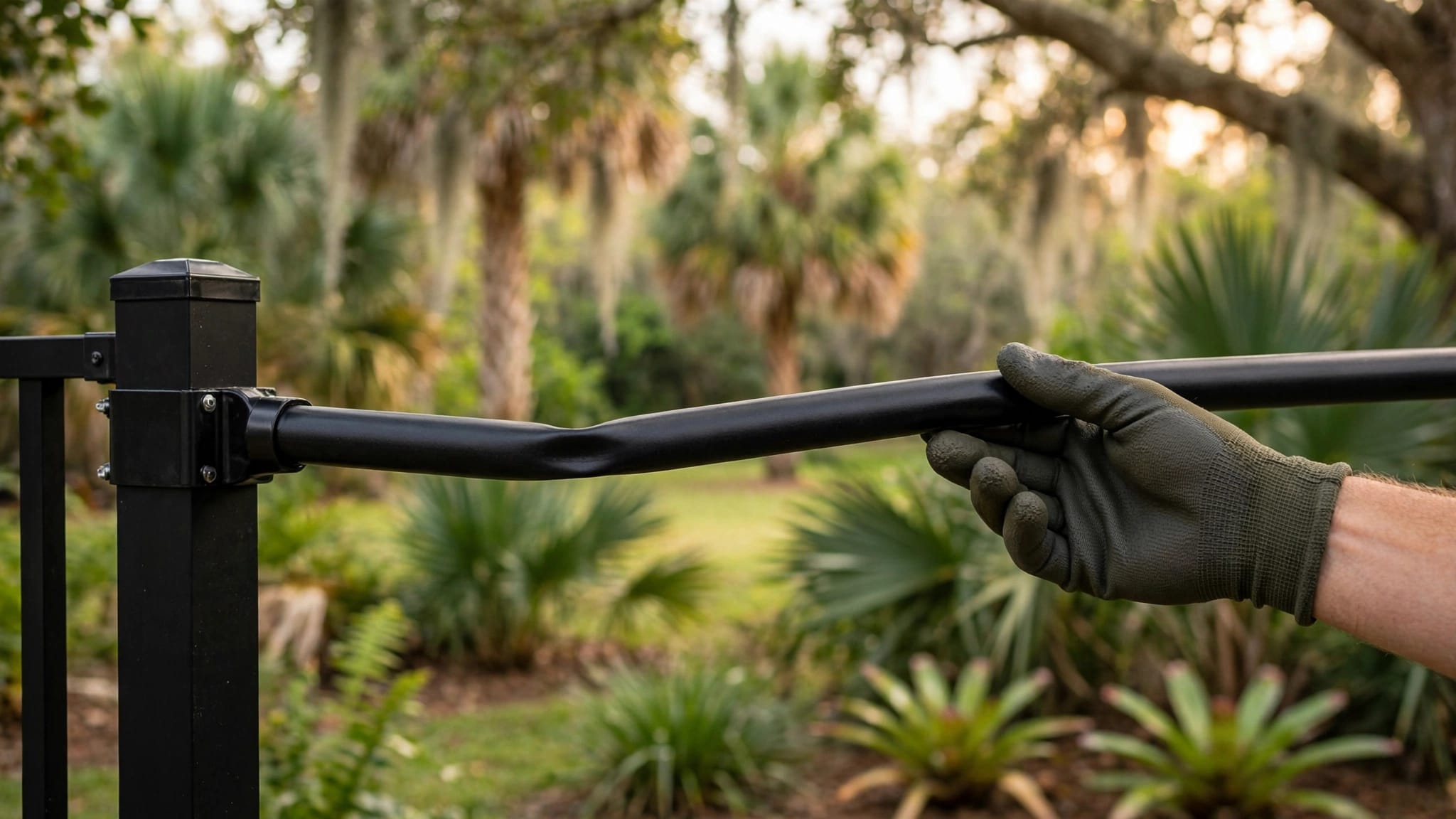
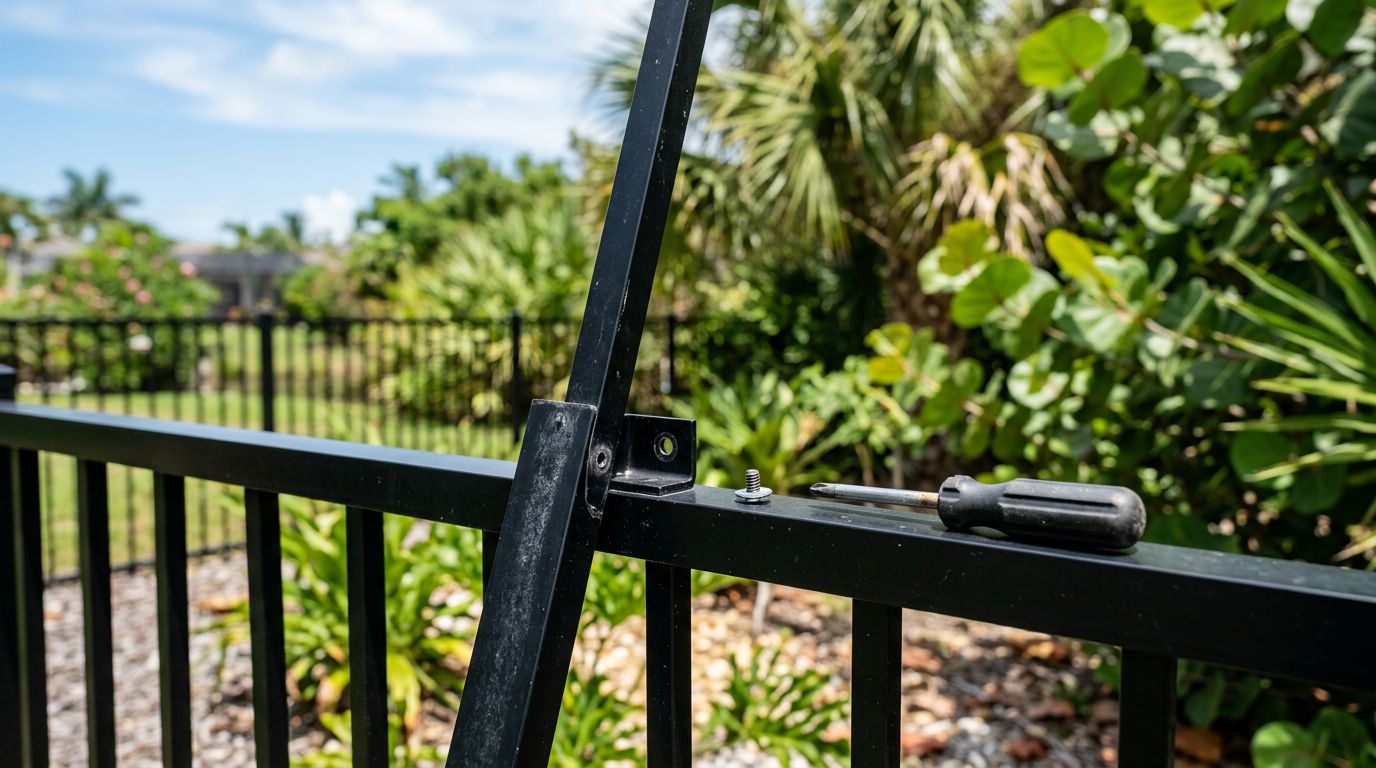
- Damaged panels : Wind and storms can rip screens, loosen fasteners, or warp tracks.
None of that means your cage is "bad." It means a screen enclosure alone may not meet the intent of a pool barrier, especially if you want real peace of mind when life gets busy.
Screen enclosure only vs adding a pool fence (pros, cons, and real-life tradeoffs)
Homeowners usually choose between two approaches: rely on the cage as the perimeter, or add a fence (often inside the cage) as a second layer. That decision depends on your household, your guests, and how the pool area connects to the home.
This quick comparison helps frame the tradeoff.
| Setup | What it does well | Where it often falls short |
|---|---|---|
| Screen enclosure only | Blocks bugs and debris, creates a comfortable outdoor room | Doors get left open, screens tear, and mesh can be climbable |
| Pool fence added (inside or as the main barrier) | Creates a clear, code-style barrier with self-closing, self-latching gates | Adds cost, adds another gate to maintain, needs smart layout |
A fence becomes more than "extra" in a few common Southwest Florida scenarios. For example, families with toddlers, visiting grandkids, or frequent pool parties benefit from a barrier that still works when someone forgets to shut the cage door. The same goes for pet owners, since a determined dog can push through a partially latched screen door.
Also consider how your home connects to the pool. If doors from the house open into the enclosed pool area, you may need additional protections beyond a cage, depending on how your local inspector interprets your plan. If you're in Cape Coral, start with a practical overview of Cape Coral pool fence rules for 2026 and then verify your permit requirements for your exact address.
In short, a pool fence screen enclosure combination is often the "belt and suspenders" approach. It's not about fear, it's about removing the easy mistakes.
How to build a safer pool fence screen enclosure setup in Southwest Florida
A good layout feels natural. You walk from the back door to the pool without fighting gates, but the barrier still blocks unsupervised entry. That balance usually comes down to three things: fence material, gate hardware, and placement.
Fence material choices that fit pools and cages
In SWFL, homeowners often lean toward aluminum for pool areas because it holds its shape, resists corrosion, and stays see-through for supervision. Vinyl can work too when privacy is a priority, but you still need compliant openings and strong gate hardware. If you're weighing privacy around a pool or patio area, this overview of vinyl privacy fences for pool areas can help you think through comfort versus sightlines.
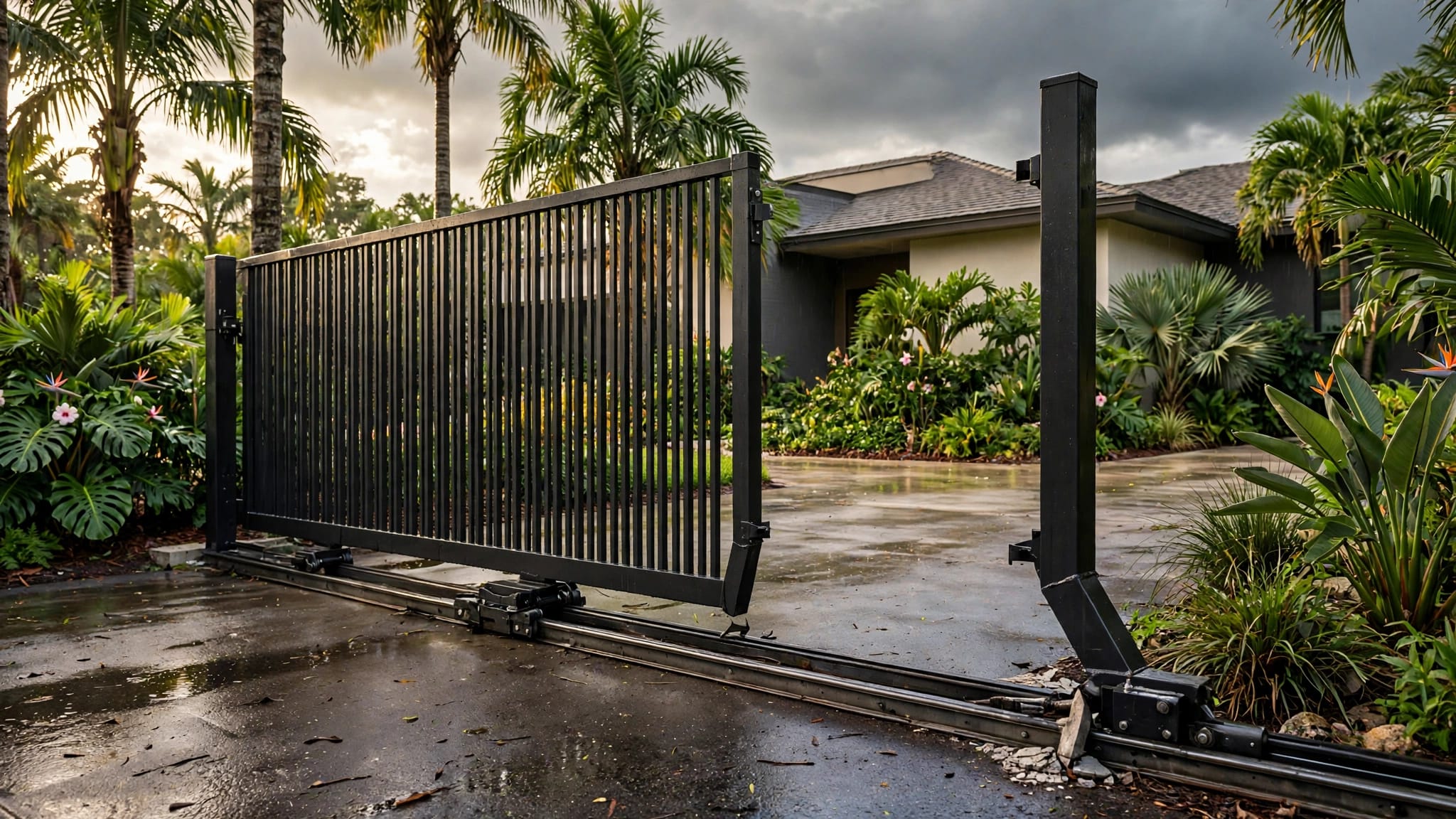
Whatever you choose, pay extra attention to gates. Gates move, sag, and get slammed in storms. That's why self-closing hinges and self-latching hardware matter so much in real life, not just on an inspection day.
Placement, permits, and HOA rules (don't skip this part)
Barrier placement isn't only a safety decision. It can also be a permit and zoning issue. Setbacks, corner-lot visibility rules, and easements can limit where any fence can go, even if it's "inside your yard." If you're planning changes in Cape Coral, review Cape Coral fence setback rules explained and confirm your current requirements with the city and your HOA.
A practical safety and compliance checklist
Use this as a homeowner-ready punch list. It's not legal advice, and local rules can differ, but it helps you catch the common weak points before they become problems.
- Confirm local requirements first : Check city or county permitting, your approved plan set, and HOA rules before installation.
- Aim for true controlled access : Use a fence and gate setup that closes and latches by itself.
- Check latch placement : Many standards reference child-resistant latch placement (often discussed around 54 inches high, or protected from reach).
- Do a "gap walk" monthly : Look for low spots under fences, loose panels, or screen damage after heavy rain.
- Treat screen doors like exterior doors : No propping, no broken closers, no "it still shuts if you pull it."
- Watch pet doors : If a pet door leads into the pool area, treat it as an access point, because it is.
- Remove climb helpers : Keep furniture, planters, and storage boxes away from barriers and latches.
- Consider extra layers : Door alarms, pool alarms, and ASTM-rated safety covers can add protection when used correctly.
If one access point is easy, that's the one that gets used. Pool safety is only as strong as the weakest door or gate.
Conclusion
A screen enclosure makes pool life better, but it usually shouldn't be your only barrier. For many Southwest Florida homes, adding a fence creates a clearer, more reliable layer of protection, especially when doors get left open or screens take storm damage. Start by checking local codes, permits, and HOA rules, then design your pool fence screen enclosure setup around self-closing gates, solid latches, and low-maintenance materials. When safety feels simple, it's much easier to stick with it.