How to Install a Septic Drain Field Fence in Florida
A poorly placed fence post can damage septic lines, restrict pumping access, or compact the soil that treats household wastewater. A septic drain field fence must protect the area without covering it, digging through it, or blocking the equipment needed for future service.
Florida homeowners also need to account for county rules, recorded easements, approved septic plans, wet-season soil, and hurricane winds. The safest project starts with locating the entire septic system, then designing the fence around those limits.
Confirm the Drain Field Before Choosing a Fence Line
Begin with your property's approved septic site plan, permit records, or closing documents. These records may show the septic tank, absorption area, repair area, property boundaries, wells, buildings, and required access routes. However, older records may be incomplete or difficult to match with current yard features.
Have a licensed septic professional locate and mark the tank, drain lines, drain field, and designated repair area before anyone digs. The visible tank lid usually doesn't show the full footprint of the system. Florida guidance measures some drain field setbacks from the outer edge of the absorption trenches, not from the tank or the closest lid.
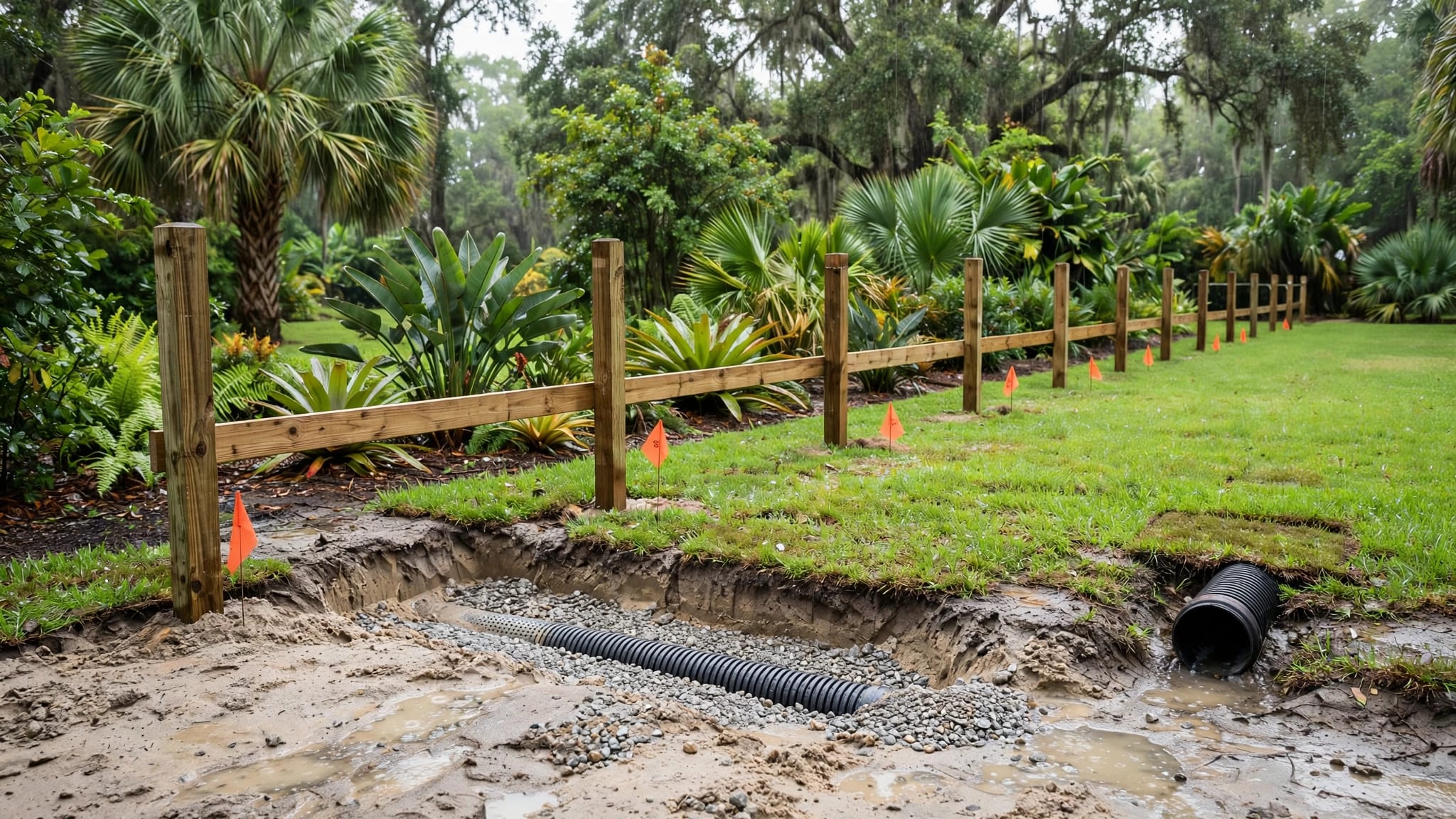
Keep the fence outside the marked disposal and repair areas whenever possible. A fence line that looks clear from the surface can still cross a buried line. Post holes, concrete, auger equipment, and piles of excavated soil all create risks.
Do not drive, park, or stage fencing materials on the drain field. Heavy loads can compact the soil and reduce its ability to accept wastewater.
Exact requirements vary by location and system type. Florida rules include separation standards involving property lines, buildings, private wells, surface water, pools, and other features. Some commonly cited standards include 5 feet from property lines and foundations and 75 feet from private wells and surface water, but those measurements don't automatically tell you where to install a fence.
Ask the local county health department, septic contractor, or building department to review your plan. Confirm the following before ordering materials:
- The approved septic layout and repair area are clearly marked.
- No drainage, utility, access, or conservation easement conflicts with the proposed fence.
- The fence location meets local zoning and permit requirements.
- A service vehicle and septic technician can reach the tank and drain field.
- Any gate, removable panel, or access opening is wide enough for the work required.
Lee, Collier, Charlotte, Sarasota, DeSoto, and Hendry counties may handle fence permits and reviews differently. A plan approved in one Southwest Florida community may not meet the requirements in another.
Choose a Septic Drain Field Fence That Won't Disturb the Soil
The fence material matters, but its placement and footing matter more. A lightweight fence installed outside the field is usually safer than a heavy structure that crosses the field, even when both designs look attractive.
Fence styles that fit Florida conditions
Aluminum fencing works well when you want visibility, low maintenance, and less wind resistance than a solid privacy barrier. Powder-coated aluminum doesn't rust like untreated steel, although coastal homes still need periodic rinsing and hardware inspections. Picket spacing also allows easier visual checks around the yard.
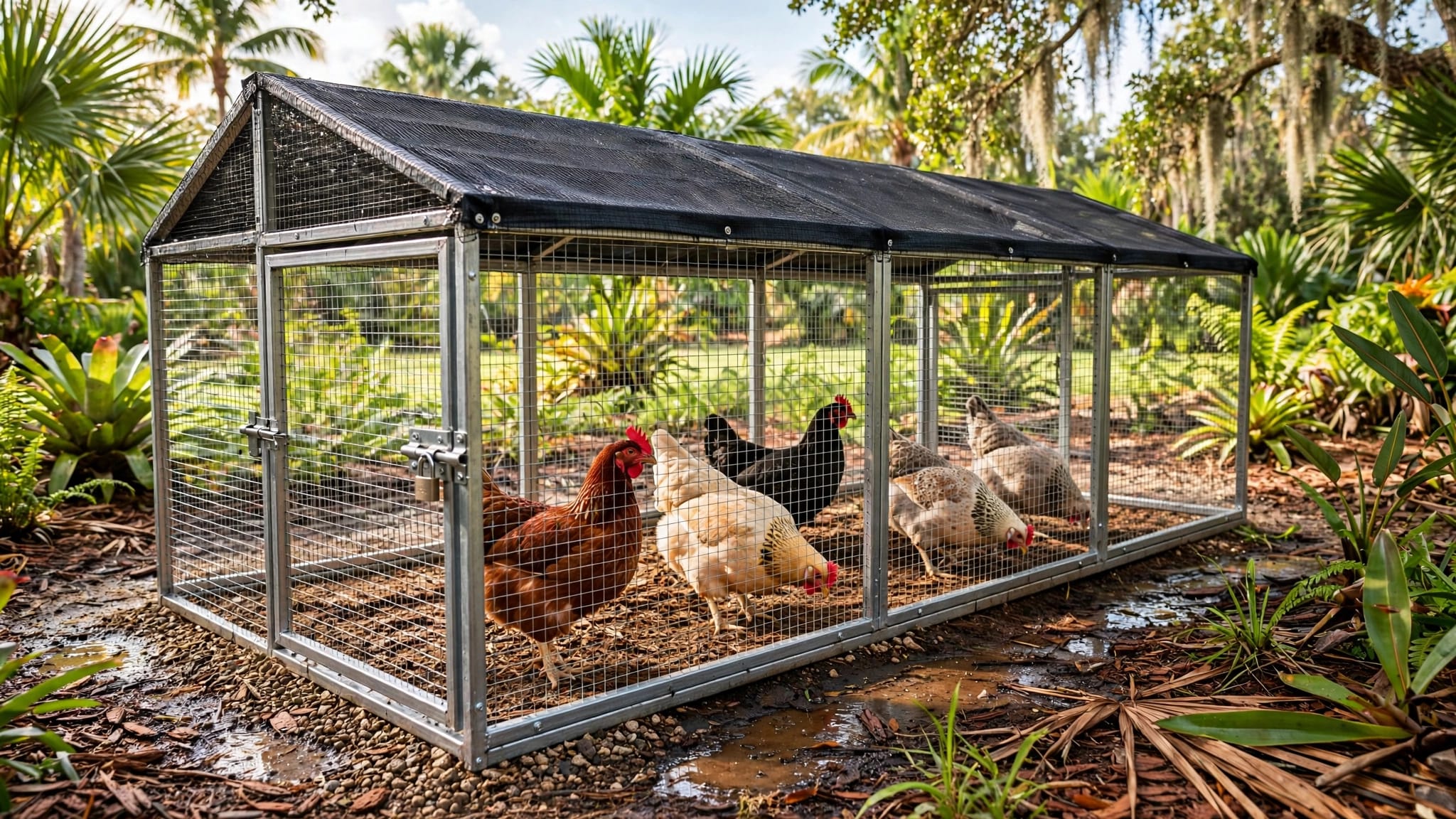
Chain-link fencing is practical for pets, pool areas, and larger lots. It allows airflow and usually creates less wind pressure than solid panels. Dark-coated chain link can blend into a yard better than standard galvanized mesh. Avoid adding dense privacy slats near the drain field unless the post layout and wind load have received proper review.
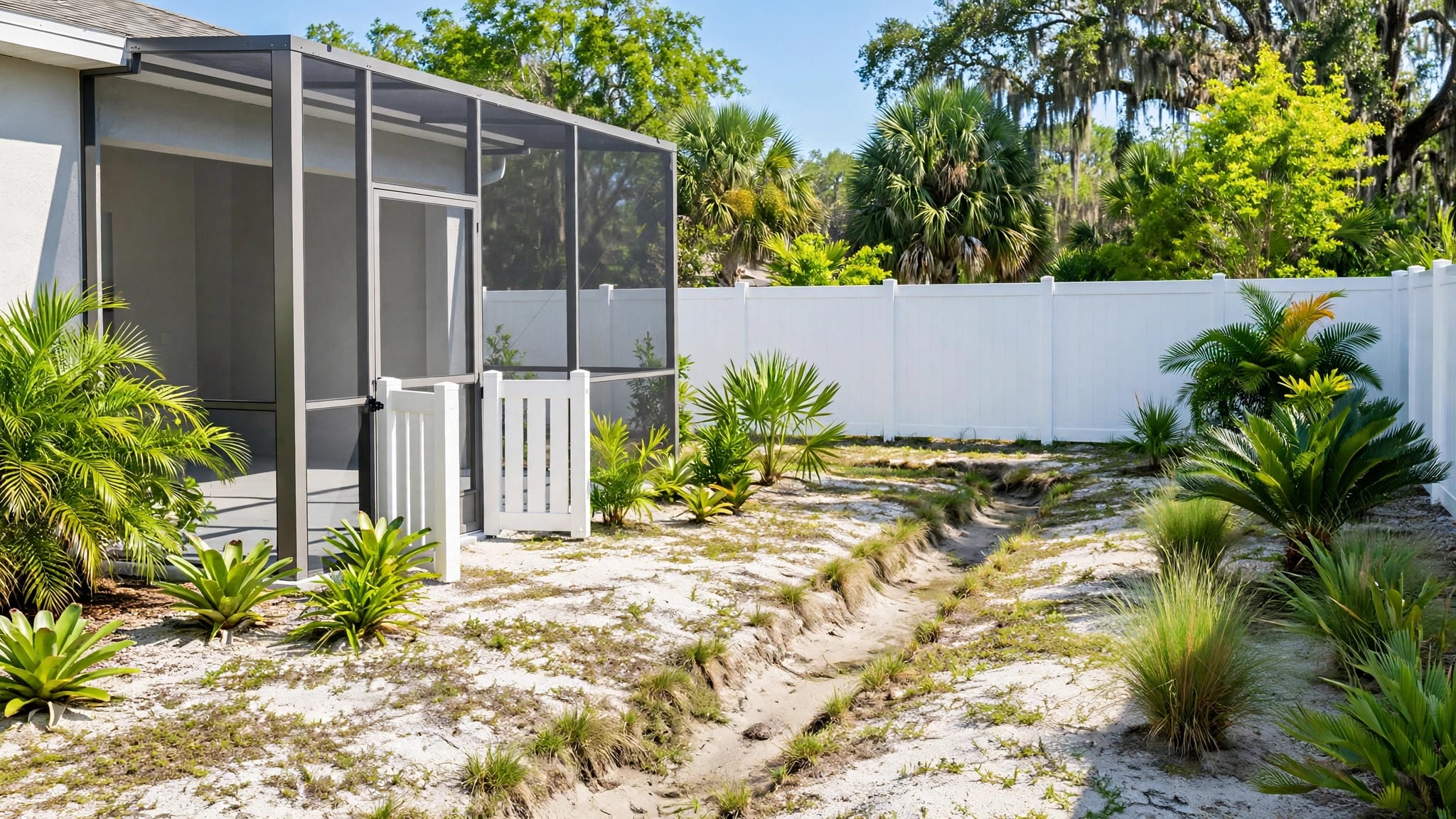
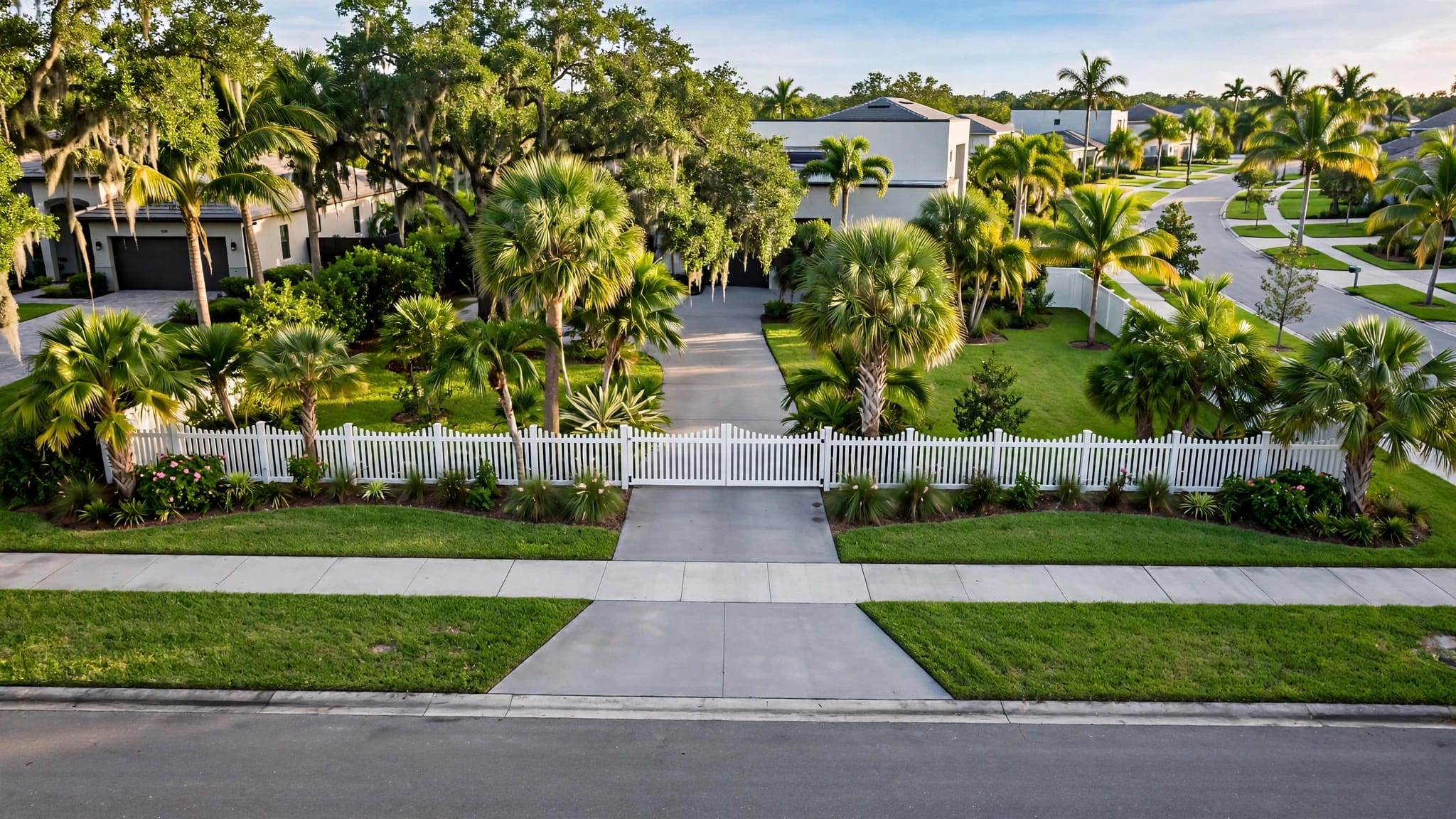
Vinyl fencing provides privacy and resists moisture, insects, and many common Florida maintenance problems. Solid panels catch more wind than open pickets, so they often need stronger posts and footings. That makes post placement especially important near a septic area. A fence contractor can help compare Southwest Florida fence styles before you choose a layout.
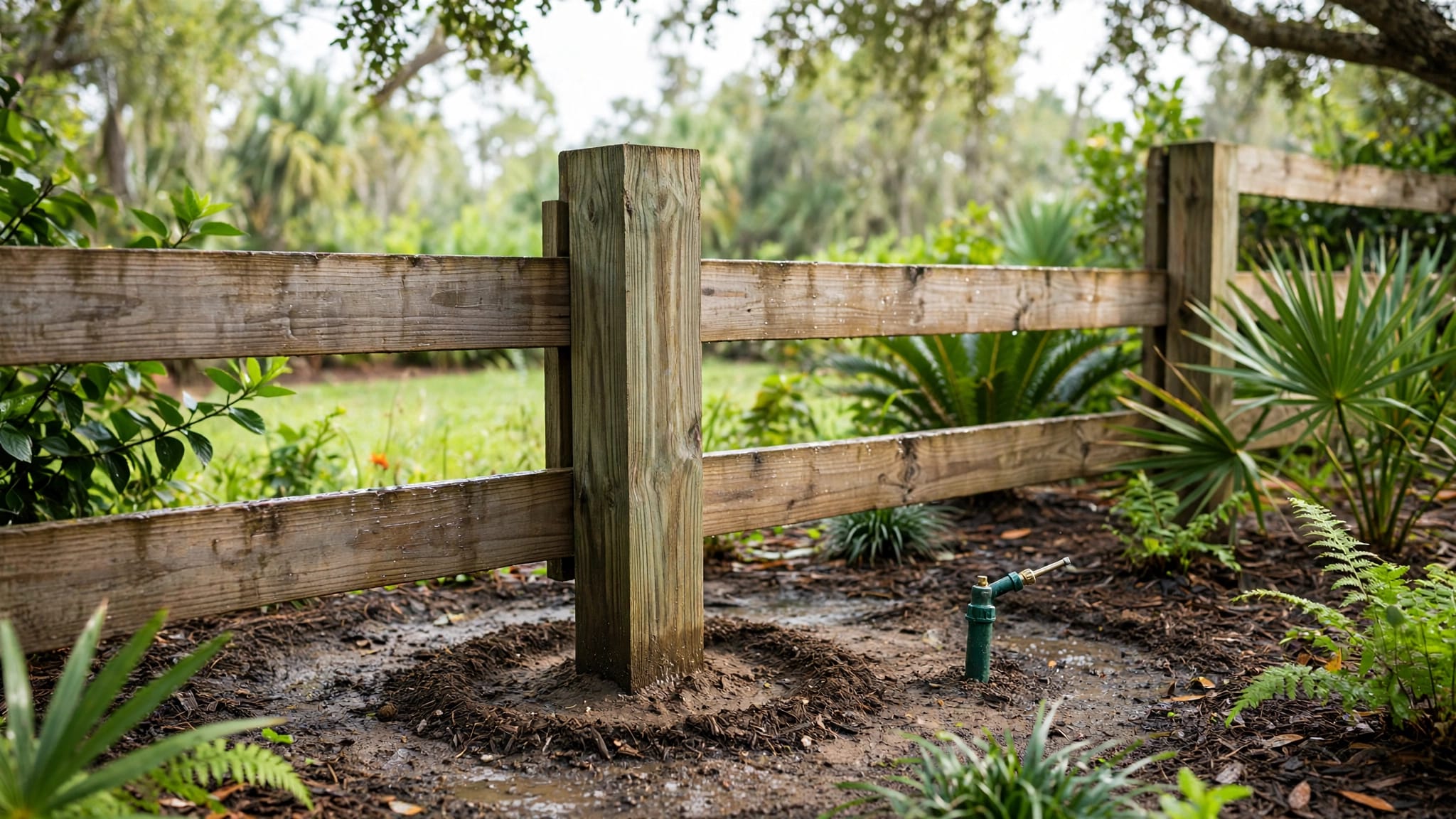
Wood fencing offers flexible designs, but each post requires excavation. Wood can also decay faster where irrigation or stormwater keeps the soil wet. Keep the posts, rails, and any privacy panels outside the disposal area, and don't add wood framing that rests on the ground over the field.
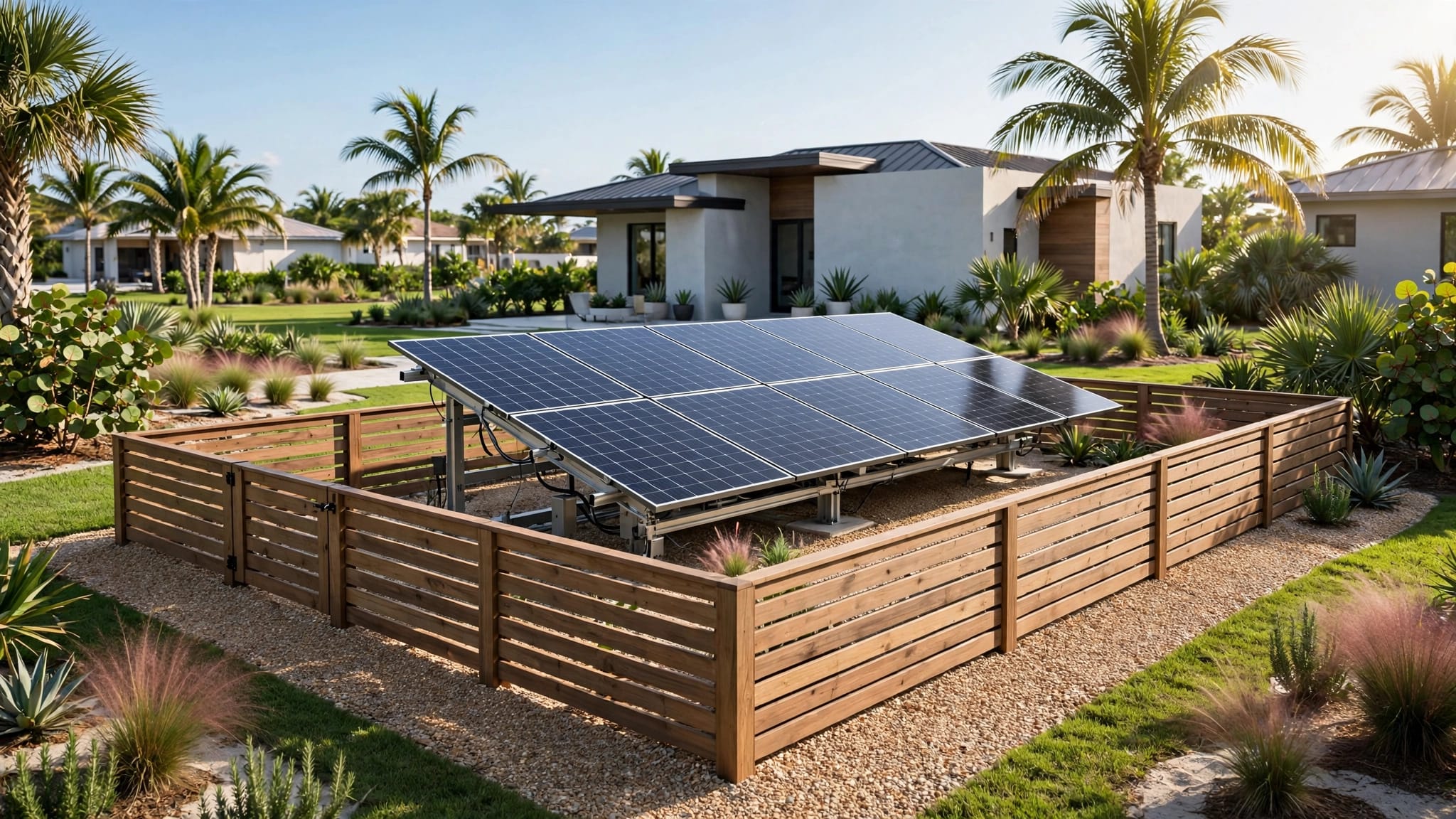
The safest approach is often an open fence along the outer edge, with a gate positioned where technicians can enter. If privacy is the goal, place solid sections beyond the field instead of forcing a continuous privacy line through it.
Footings and removable sections
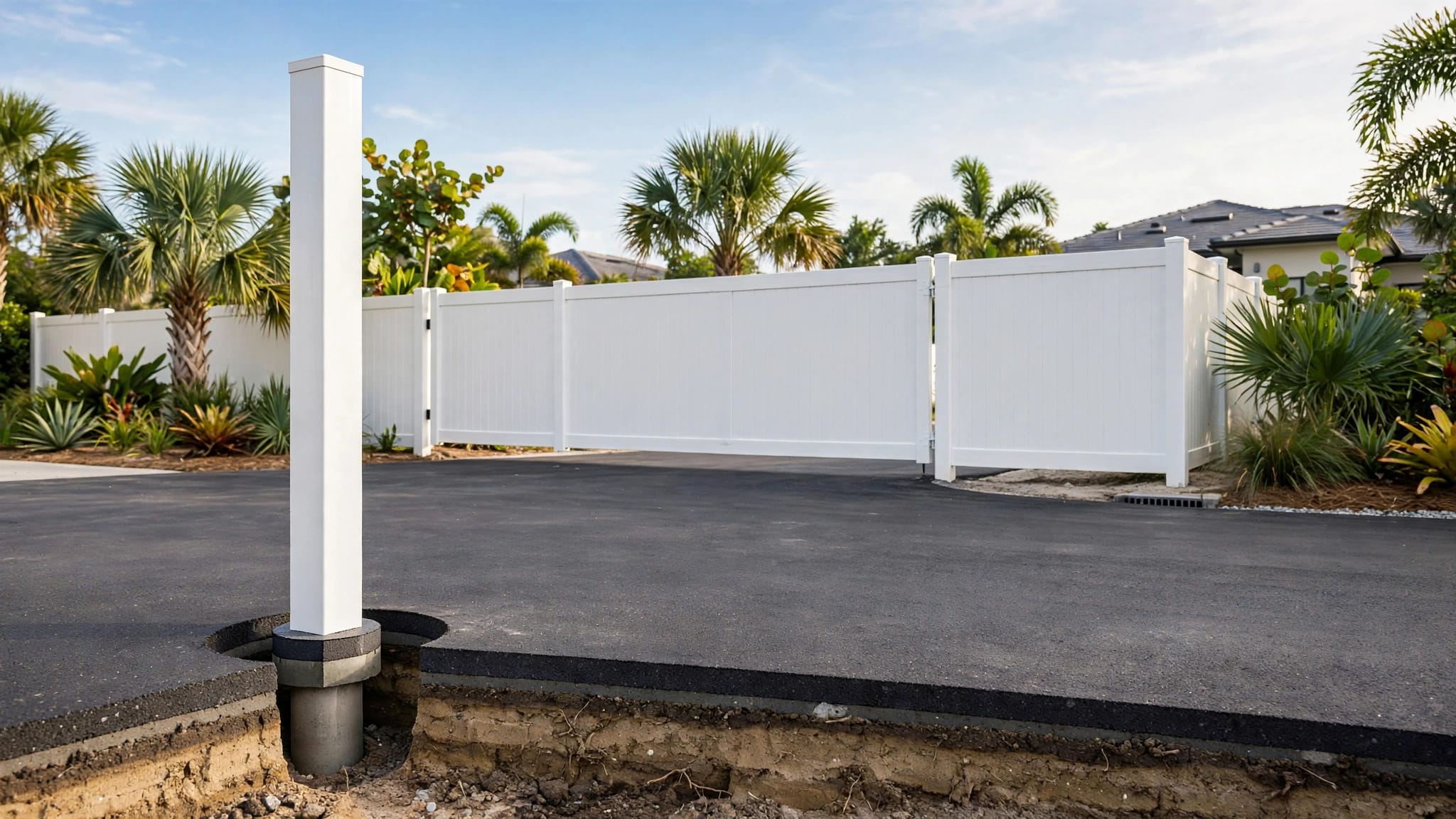
Fence posts still need enough support for the fence height, wind exposure, soil conditions, and local construction requirements. A contractor may recommend shallow-set posts outside the drain field when the fence design allows it. Shallow does not mean harmless, though. The entire hole and any concrete must remain outside the marked field and repair area.
Avoid concrete footings, masonry columns, retaining walls, and other permanent bases over disposal lines. Concrete can cover the soil, complicate repairs, and make future excavation more destructive. Review concrete versus no-concrete fence footings with the installer and septic professional before work begins.
When the property layout leaves limited room, consider a removable or lightweight section. A bolt-on panel, service gate, or planned opening can provide access without requiring a permanent obstruction. The opening must remain usable, and everyone who may need it should know where the key or access code is stored.
Follow a Careful Installation Process
A septic-safe fence installation should follow a written plan rather than last-minute adjustments in the yard. Use this sequence:
- Collect the records. Find the septic permit, approved site plan, survey, easement documents, and any prior repair information.
- Locate the system. Ask a septic professional to mark the tank, drain field, repair area, distribution box, and visible cleanouts. Mark nearby wells, irrigation lines, utility routes, and property corners as well.
- Contact the proper offices. Confirm whether the fence needs a city or county permit. Ask the county health department whether the proposed placement affects the onsite sewage system or requires septic review.
- Design around access. Decide where the service gate will go before setting corners. Leave a practical route to the tank and any area that may need inspection, pumping, or repair.
- Stake the fence line. Walk the proposed route with the contractor and septic professional. Move the line if any post, footing, brace, rail, or gate swing enters the protected area.
- Call for utility locating. Underground electric, irrigation, communication, and water lines may share the same yard. Marking the septic system doesn't replace a utility locate.
- Install from the safe side. Keep workers, trucks, pallets, concrete, and spoil piles off the drain field. Use hand tools or smaller equipment when the approved plan requires extra care near buried components.
- Record the finished location. Save photos, measurements, permit paperwork, and the final fence layout with your septic records. Future owners and repair crews will need this information.
If workers uncover a pipe, wet soil, sewage odor, damaged lid, or unexpected structure, stop immediately. Keep people and pets away, then call a septic professional. Do not probe, cut, fill, or cover the area to finish the fence.
Fence Approaches That Can Damage a Septic System
Several common yard improvements create problems when they overlap a drain field. Avoid installing a fence with posts directly over disposal lines, even if the panels appear open. Posts are not the only concern. Concrete collars, gate hardware, braces, rails, and construction traffic can also affect the area.
Don't place pavers, concrete paths, sheds, playhouses, pools, decks, storage containers, or parking areas over the field. These additions can cover the soil or prevent technicians from reaching the system. Florida Department of Health homeowner guidance also recommends keeping grass over or near the drain field and avoiding trees and shrubs whose roots can enter and damage the lines.
A solid privacy fence isn't automatically prohibited near a septic area, but it becomes a poor choice when it requires deep footings across the field or blocks all service access. The same applies to masonry, concrete, and heavy ornamental fencing. Material selection should follow the approved layout, not replace it.
Don't assume a fence permit covers septic concerns. A fence permit and an onsite sewage permit address different issues. Any proposal that covers part of the field, changes grading, adds fill, or affects the disposal system needs review before construction.
Maintenance Checklist for the Fence and Drain Field
After installation, inspect both the fence and the septic area at least a few times each year. Check them after major storms, flooding, nearby excavation, or any septic service call.
- Keep grass trimmed over the drain field, and remove volunteer trees or shrubs before roots spread.
- Keep vehicles, trailers, boats, dumpsters, and heavy equipment away from the tank and field.
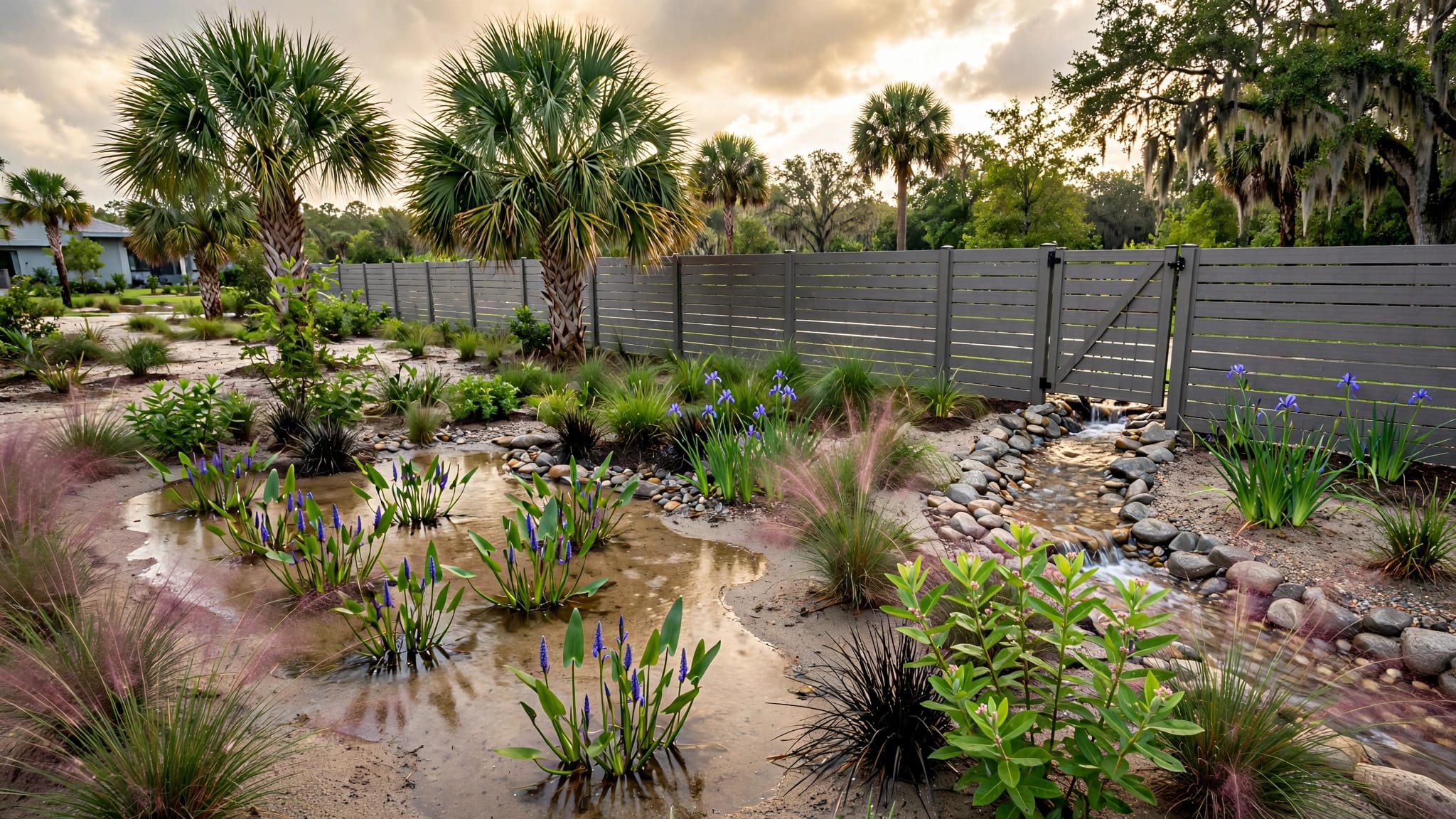
- Confirm that downspouts and surface runoff drain away from the tank and disposal area.
- Keep gates unlocked, accessible, or managed with a known key or code when service is required.
- Look for leaning posts, washed-out soil, rusted hardware, loose mesh, and storm damage.
- Rinse salt and dirt from aluminum, chain-link, and gate hardware near coastal properties.
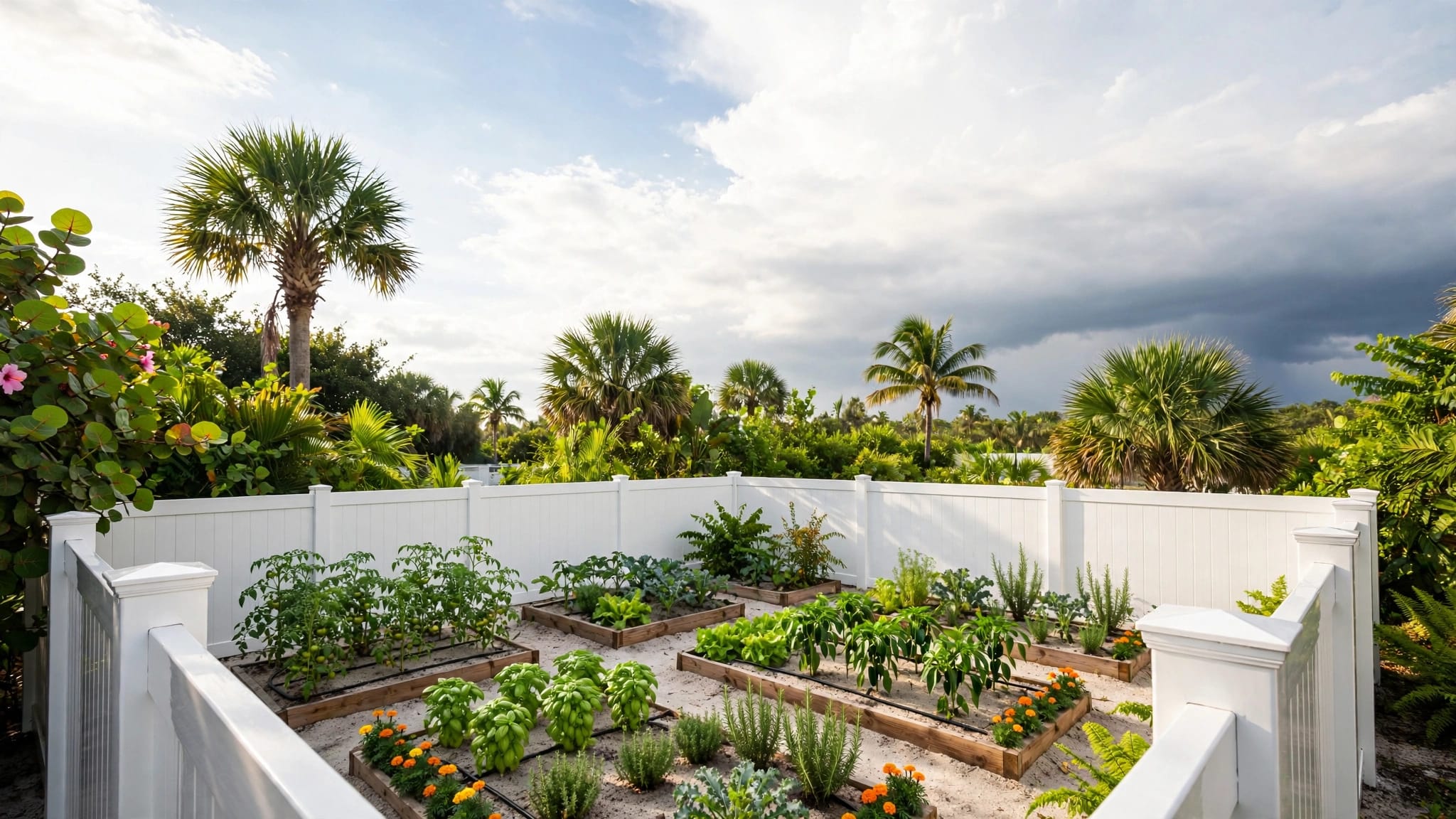
- Never add mulch, gravel, fill, concrete, or raised beds over the field without professional review.
- Update your septic records if the fence, gate, landscaping, or property drainage changes.
Standing water, unusually green strips of grass, sewage odors, slow drains, or soggy soil can indicate a septic problem. A fence shouldn't hide these warning signs, so keep the area visible and easy to inspect.
Protect the Drain Field Before You Protect the Yard
The right septic drain field fence keeps people and pets away while leaving the soil, lines, and access routes undisturbed. Start with the approved plan, verify the layout in the yard, and confirm local requirements before selecting a material or digging a post hole.
Open aluminum or chain link may reduce wind pressure and installation disturbance. Vinyl or wood can work when the fence sits outside the field with properly planned footings. Whatever style you choose, keep permanent posts and concrete away from the disposal area, provide a usable gate, and let a local septic professional and fence contractor review the layout before installation.