Fence Financing Guide for Southwest Florida Homeowners
A new fence can make your home feel safer, quieter, and more private. Still, the money side trips up a lot of homeowners. A low monthly payment can look harmless at first, then turn into an expensive choice later.
That's why fence financing should start with the full project, not just the loan offer. In Southwest Florida, weather, permits, HOA rules, and material choice all affect what you'll really pay, and how fast the job can move.
Start With the Full Project Cost, Not the Monthly Payment
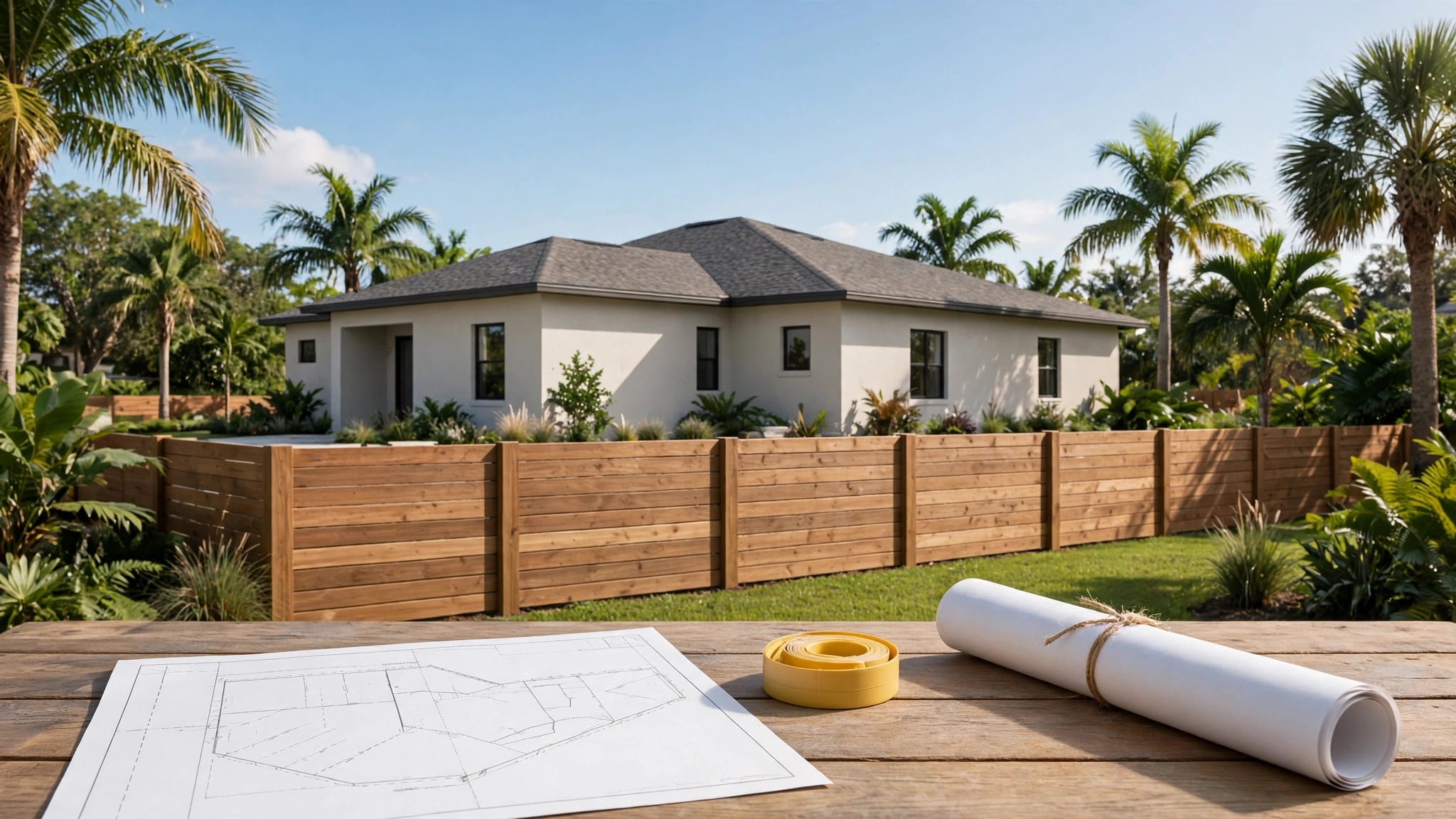
A fence isn't a toaster you toss in a cart. It's a small outdoor structure that has to handle wind, rain, salt air, and shifting soil. Because of that, the true price includes more than panels and posts.
First, think about the fence itself. Material matters. Chain link usually keeps upfront cost lower. Wood can give strong privacy and a classic look. Aluminum and certain metal options often cost more at the start, but they can make sense near the coast because salt air is hard on weaker materials. Vinyl can also be a strong long-term pick in Florida, especially when low upkeep matters.
Then add the costs that homeowners often miss:
- Old fence removal : Haul-away can add to the total.
- Gates and hardware : Wider gates, self-closing hinges, and upgraded latches cost more.
- Permit and approval costs : Your county, city, or HOA may require paperwork before work starts.
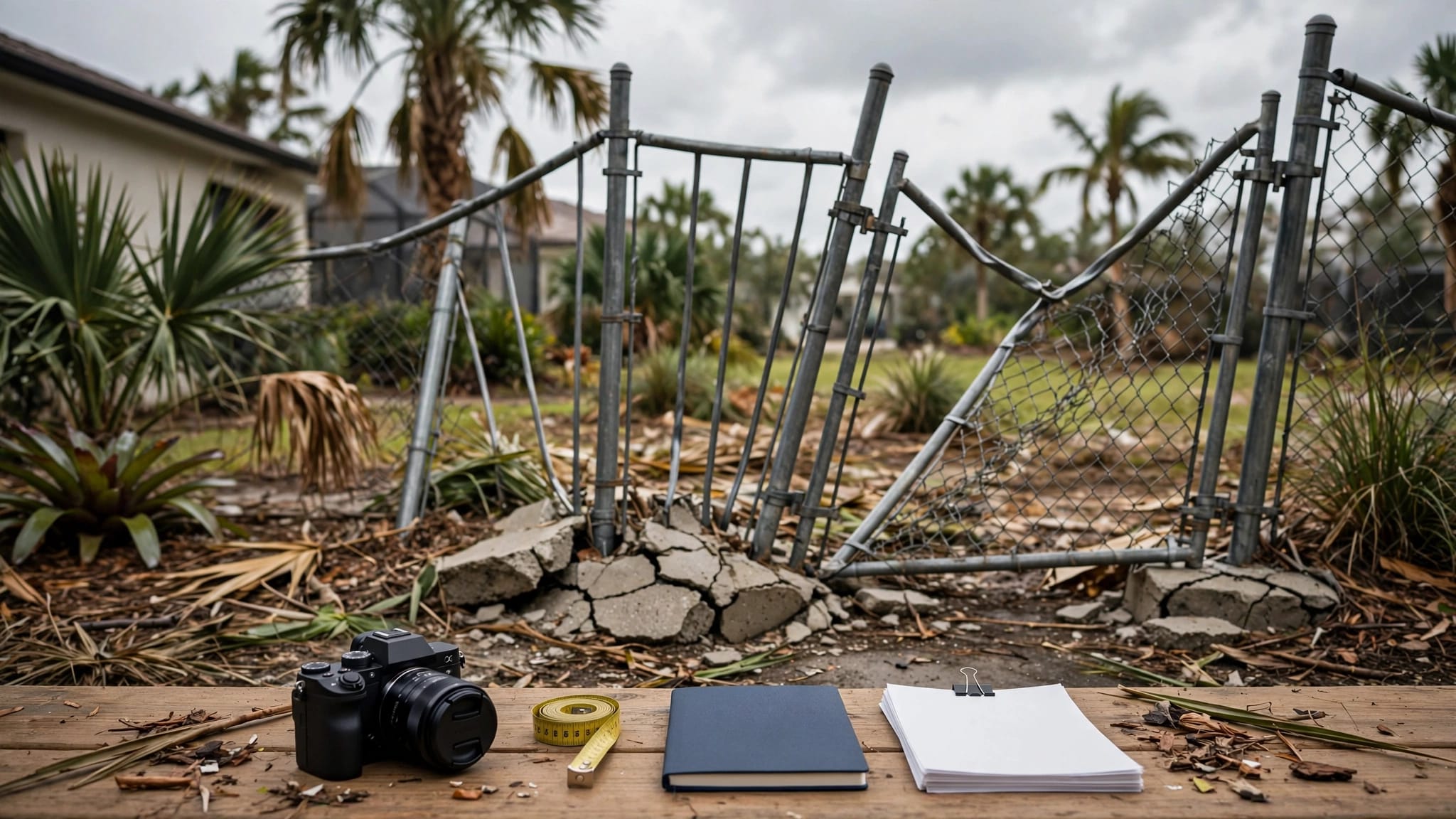
- Site conditions : Wet sand, slopes, roots, and high wind exposure can change the install.
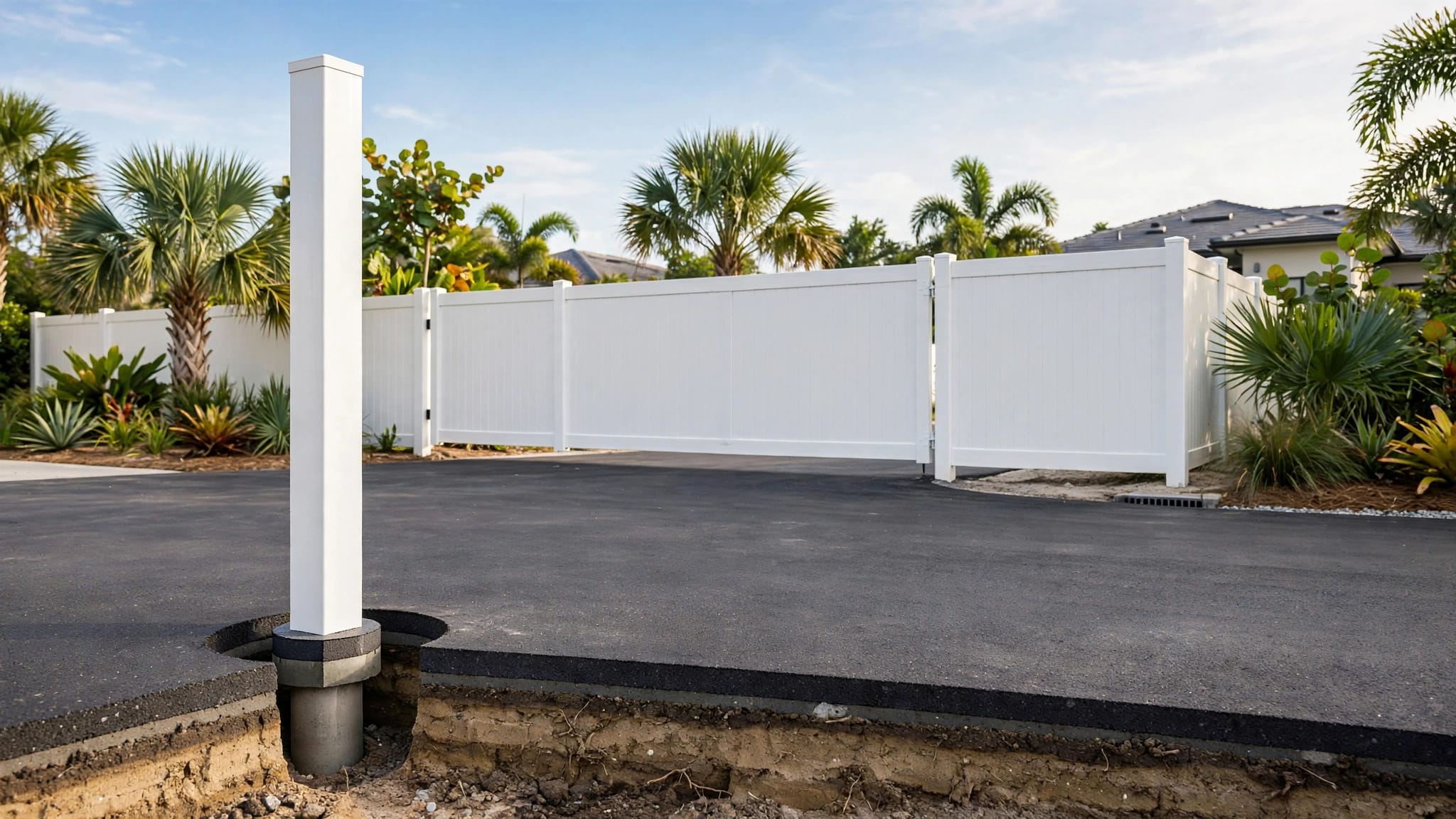
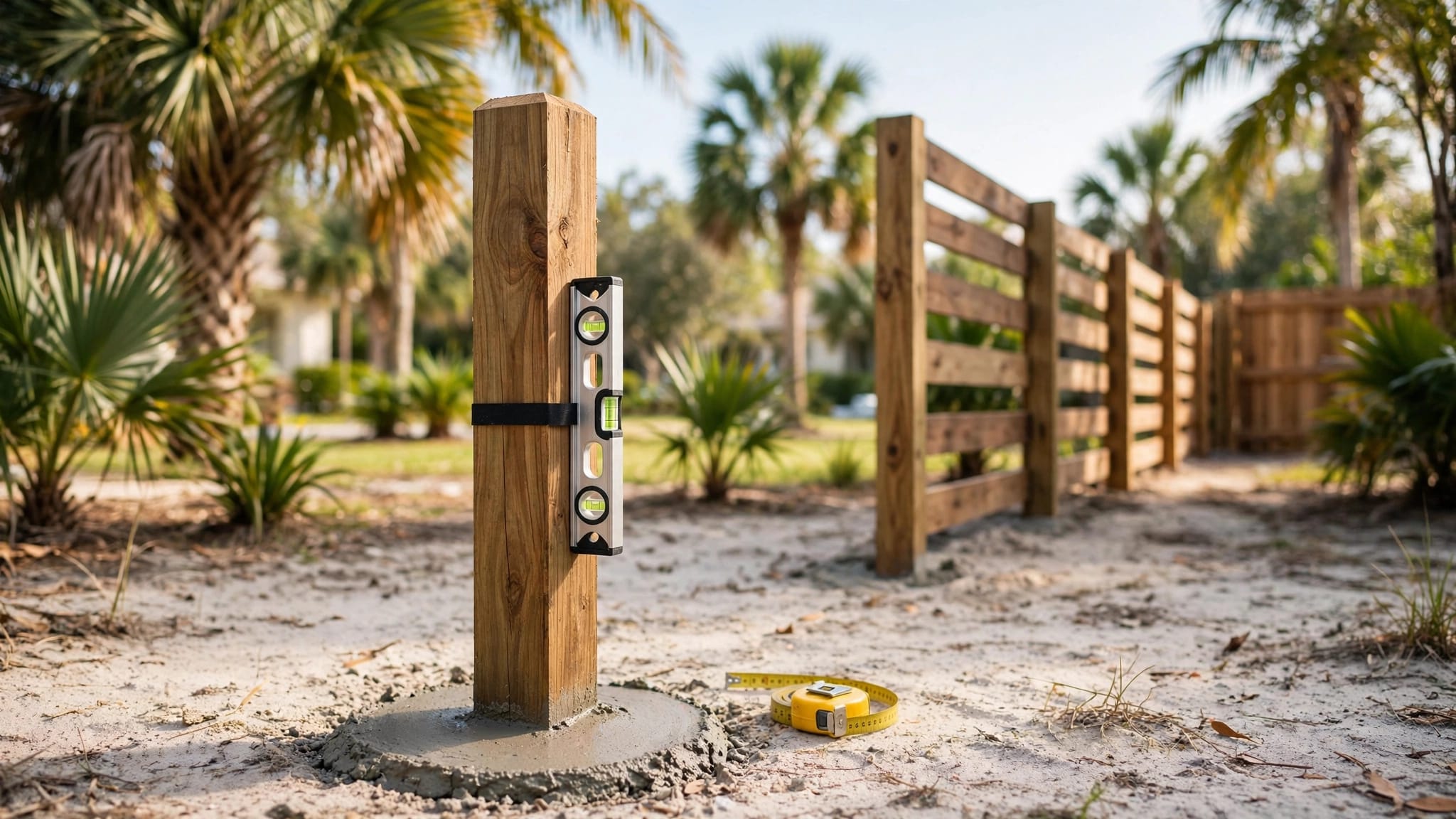
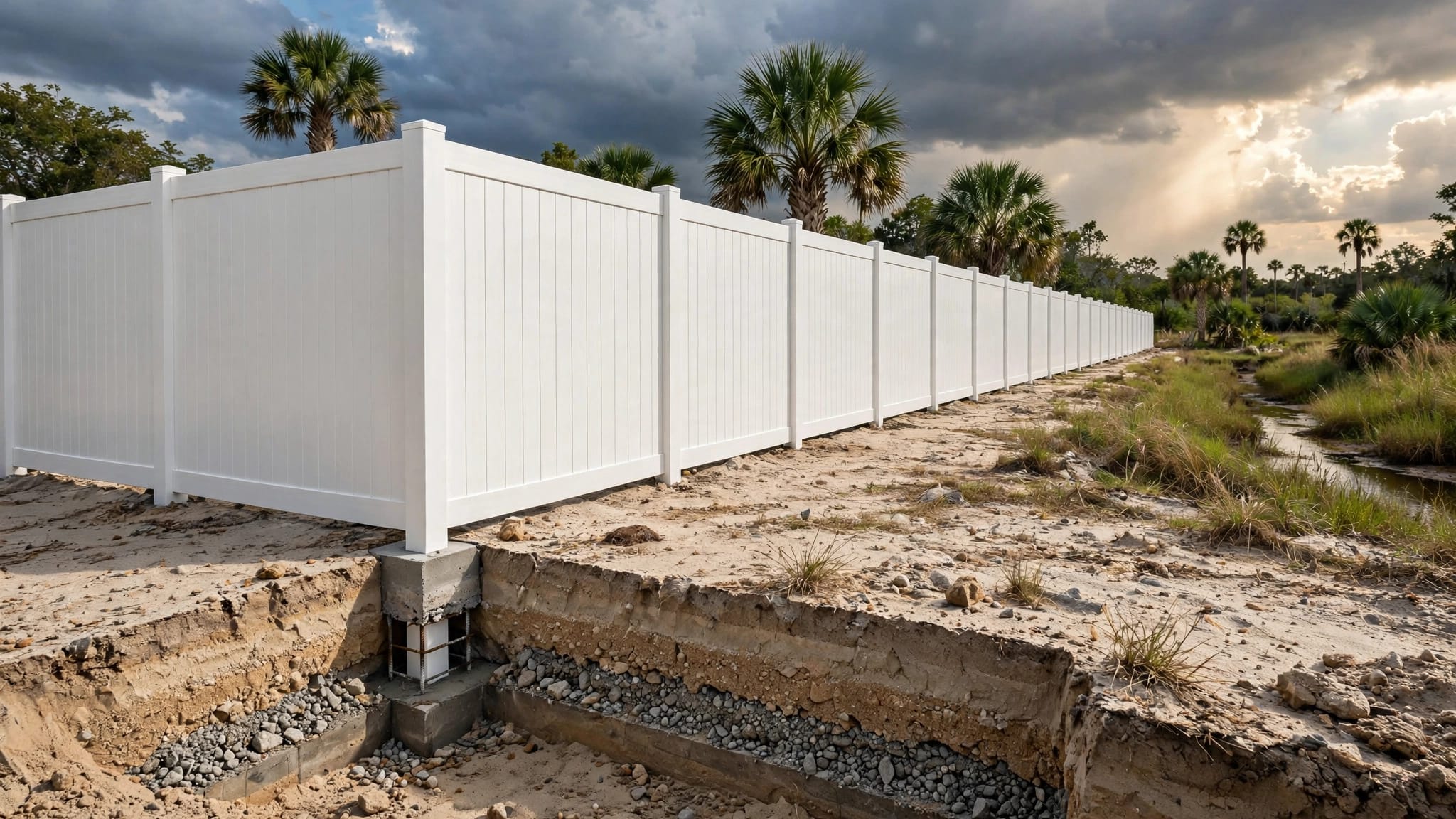
If your yard has soft soil or storm exposure, installation details matter just as much as material. These fence footing options for Southwest Florida soil show why a cheaper install can become a repair bill later.
Low monthly payments can hide a high total price.
That's the big trap. A six-year loan can make an expensive fence seem easy to afford, but interest stretches the real cost. It often makes more sense to borrow less, choose the right material for the site, and keep the term shorter if the payment still fits your budget.
A smart budget also leaves breathing room. Try to keep a small reserve for change orders, permit issues, or upgraded hardware. In other words, don't finance every last dollar unless you have to.
Which Fence Financing Option Fits Best?
Most homeowners use one of four ways to pay. As of March 2026, unsecured personal loan APRs for home improvement often range from about 6% to 36%, depending on credit score, fees, and loan term. That's a huge spread, so the same fence can cost very different amounts from one borrower to the next.
Here's the quick comparison:
| Option | Best for | Speed | Main tradeoff |
|---|---|---|---|
| Contractor financing | Convenience, simple projects | Often fast | Terms vary, so read the fine print |
| Personal loan | Fixed payments, no home collateral | Usually fast | APR and fees can be high with lower credit |
| HELOC or home equity loan | Larger projects, homeowners with equity | Slower | Your home is tied to the loan |
| Credit card | Small repair or deposit | Immediate | Interest can get expensive fast |
For many fence jobs, a personal loan or contractor financing is the most practical fit. Funding is often quicker, which helps when you want the fence installed before summer storms pick up. Some lenders also let you prequalify before a full application, which can help you compare terms without jumping in blind.
Down payment matters too. Some financing offers allow zero down , but that doesn't always make them the best deal. Putting even 10% to 20% down can lower the balance, shrink the interest paid over time, and make approval easier. If you have cash on hand, using part of it often beats borrowing the whole amount.
Loan term matters just as much. A longer term lowers the payment, but it usually raises the total you pay. Also watch for origination fees. Some personal loans charge them, and they can take a real bite out of the amount you receive.
Material choice affects the loan size from the start. Budget-minded homeowners often compare professional chain link installation with higher-cost privacy options before they apply. That step alone can keep a loan manageable.
Credit, Timing, and Southwest Florida Approval Steps
Credit score has a direct effect on fence financing. Good to excellent credit usually gets the best rates and the widest choice of lenders. Fair credit can still work, but the payment rises fast because the APR climbs. Poor credit can push costs so high that the monthly payment stops making sense.
In plain English, better credit buys cheaper money.
Most lenders offer a prequalification step first. That can help you estimate payments before a full application. Later, a full credit pull may cause a small temporary dip in your score, so it helps to shop within a short window instead of spacing applications out for months.
Timing also matters. Don't lock in financing too early if you still need HOA approval or permit review. In Southwest Florida, fence rules often depend on height, placement, easements, corner visibility, and whether the property is in a front yard or waterfront area. HOAs may be stricter than local code, especially on style, color, and fence type. Get written HOA approval before you sign final loan papers if your community requires it.
A lender may ask for a contractor estimate, invoice, or project details. Meanwhile, your installer may need approved plans before ordering materials. That means financing and scheduling work best when they move together.
If you want the fence up before peak hurricane season, start early. Spring usually gives you more breathing room for approvals, funding, and material ordering. It also gives you time to choose a fence that stands up to wind and salt air, instead of rushing into the cheapest option.
Long-term thinking matters here. A fence that handles coastal conditions may cost more now, yet cost less over five or ten years because it needs fewer repairs.
Plan the Fence, Then the Financing
Good fence financing is simple at its core. Compare the total cost , not just the payment. Match the loan term to your budget, leave room for approvals and install timing, and choose materials that fit Southwest Florida's weather. When you're ready to price the project clearly, get a free fence estimate and review the numbers before the first post goes in.