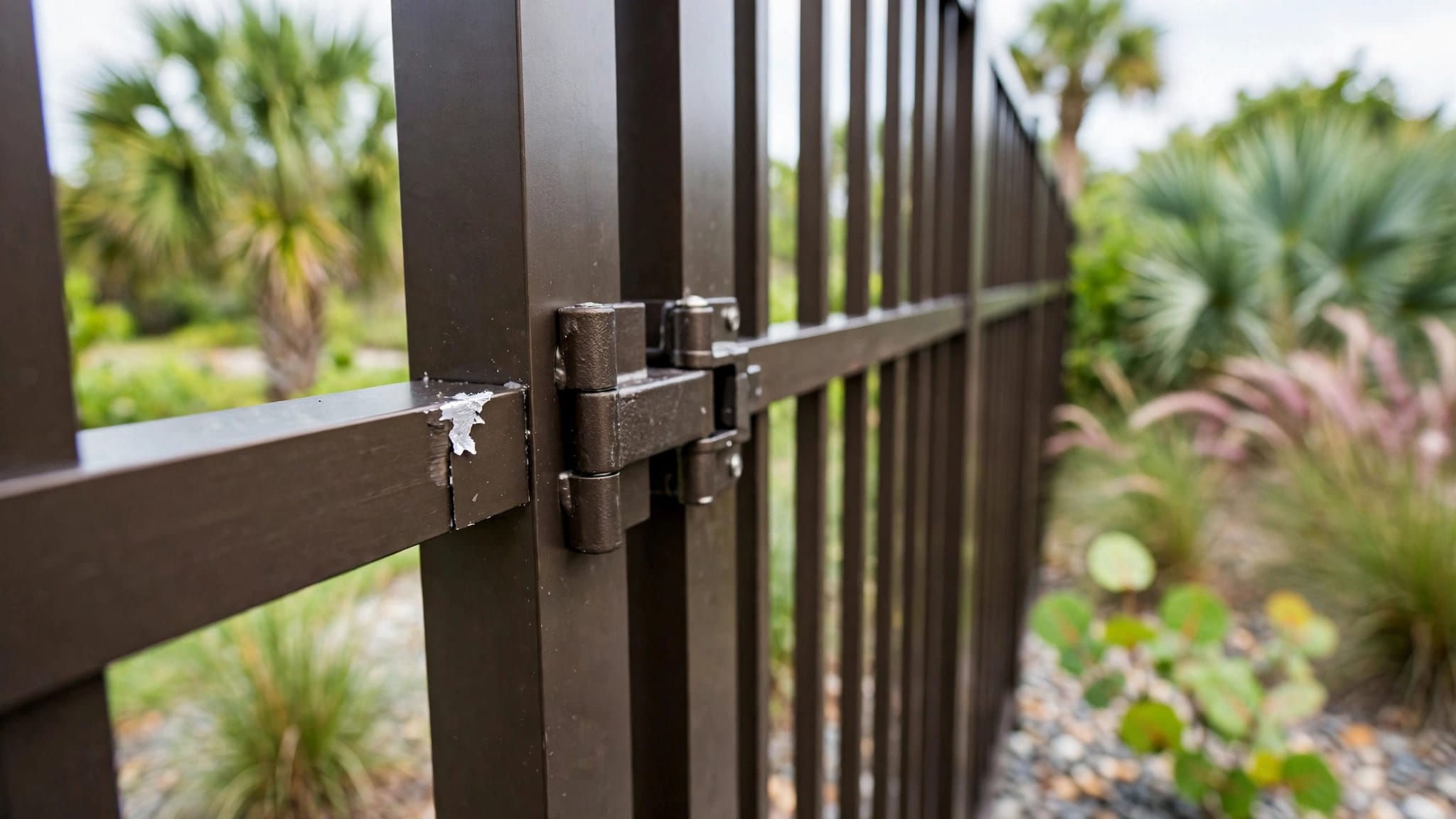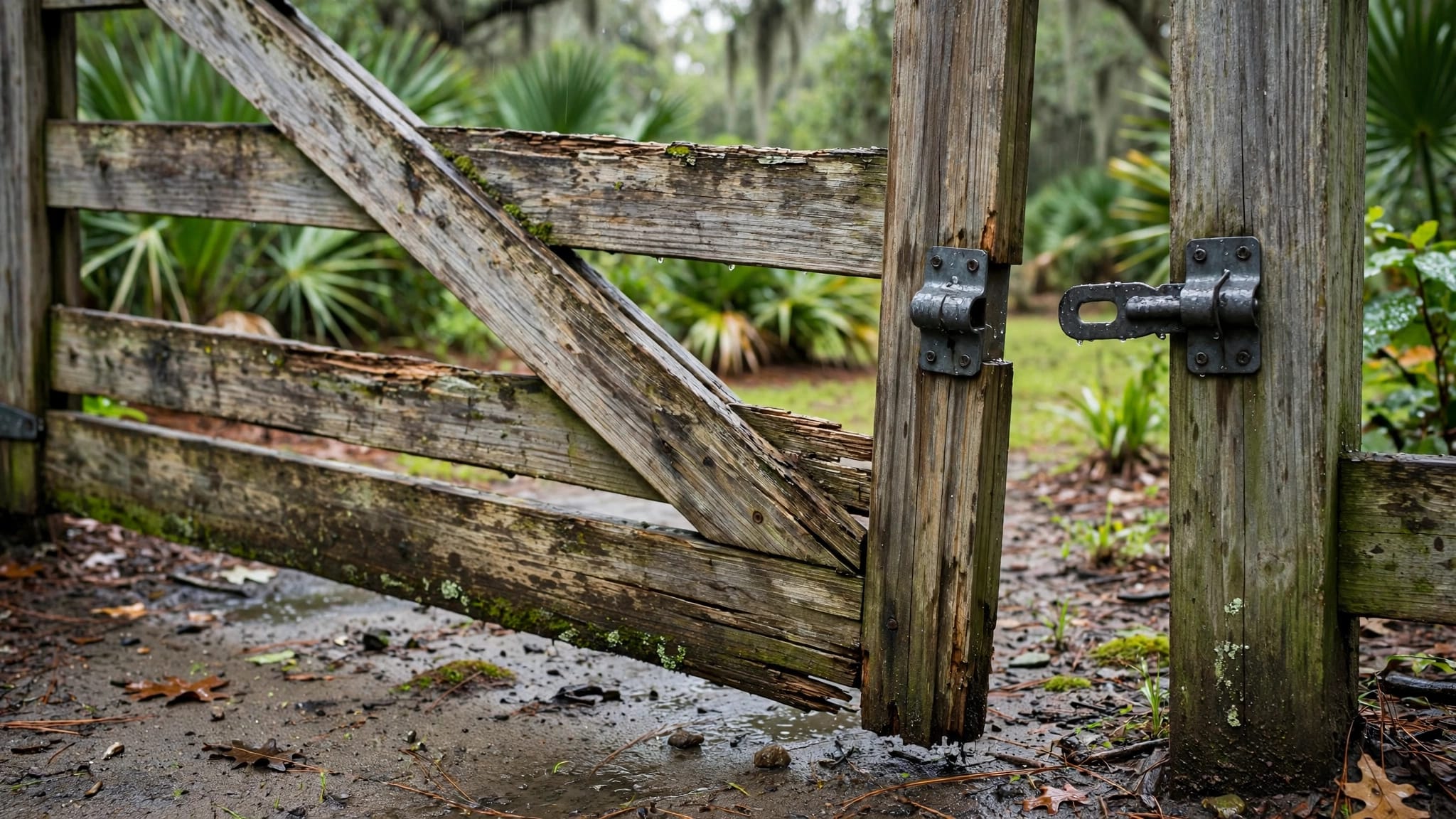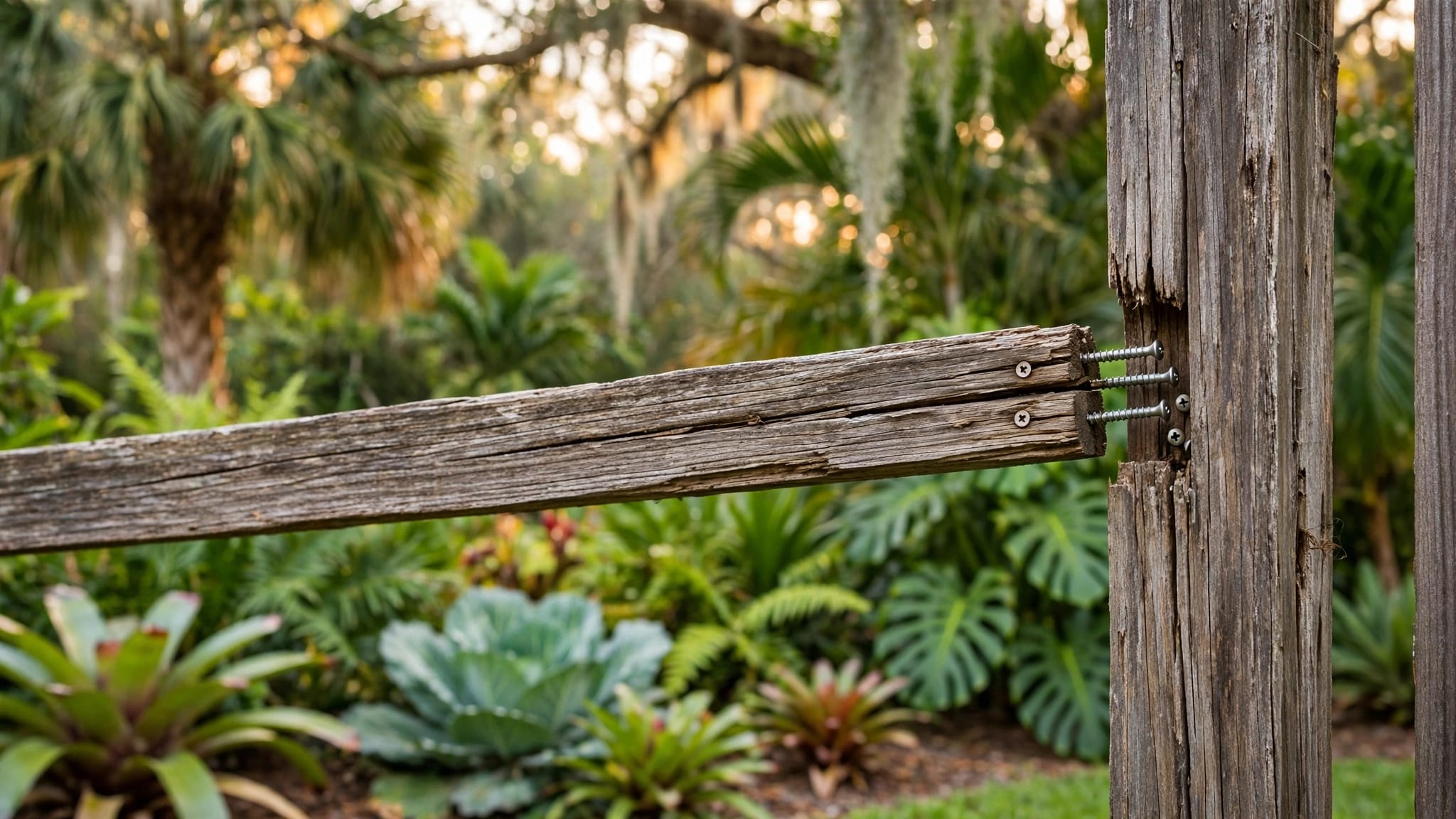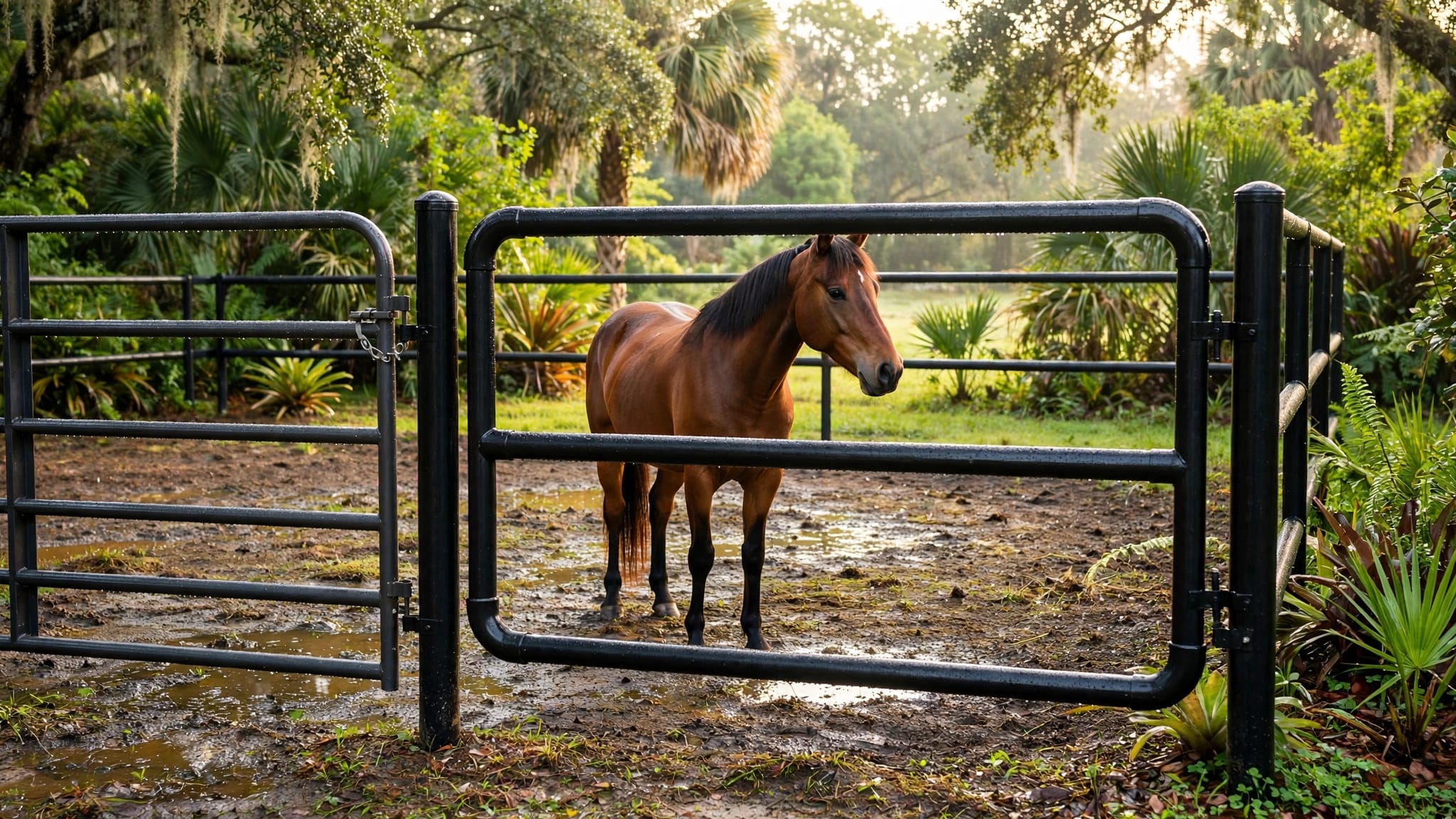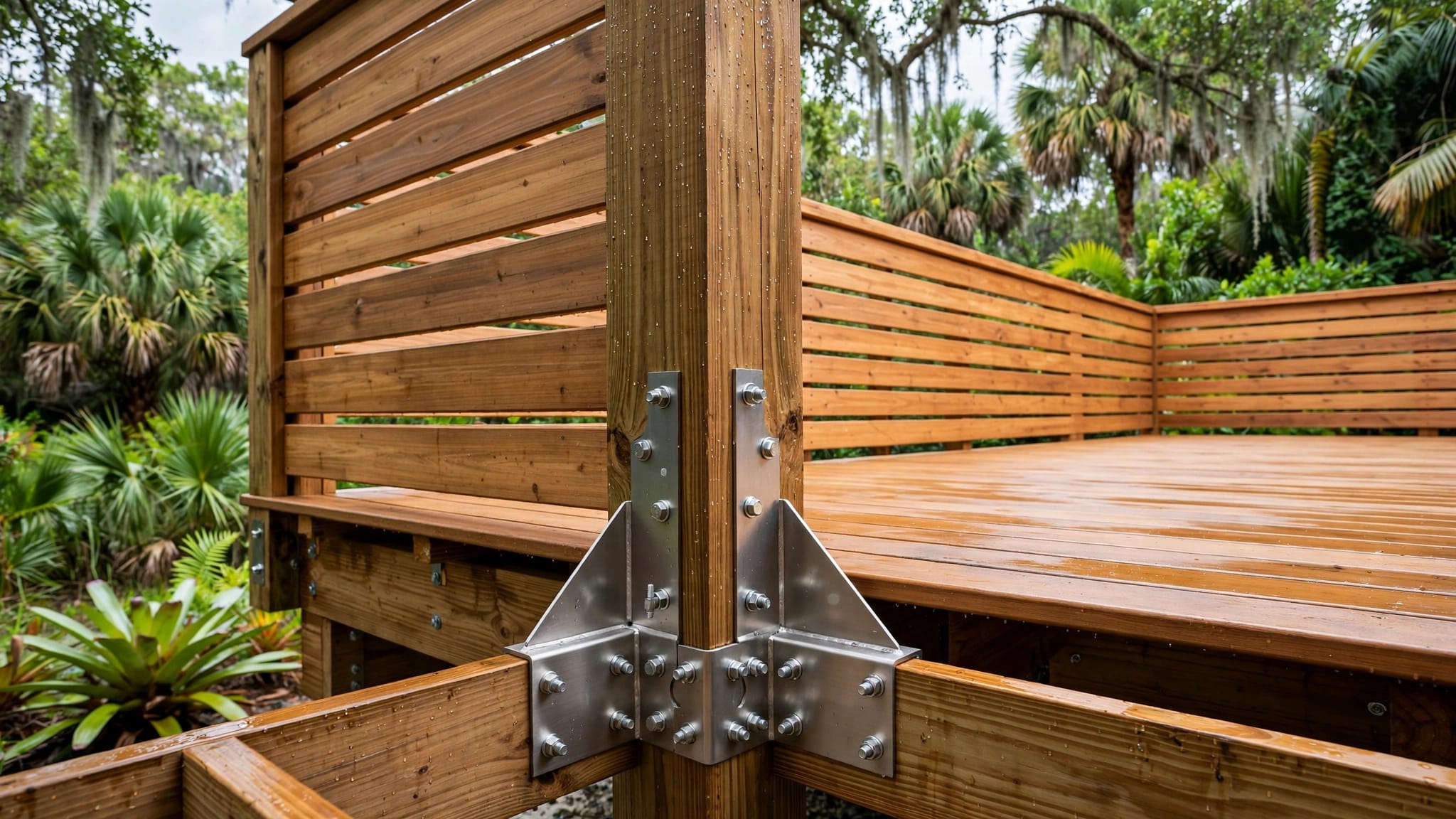
Fence Over Gas Line: Florida Rules Before You Dig
Searching for "fence over gas line" usually means you need a clear answer before anyone sets a post. An underground natural gas line can sit beneath a planned fence, but Florida safety requirements don't turn on the line's depth alone.
The answer depends on who owns the pipe, whether an easement protects it, how the utility must access it, and which local building department reviews your project. Before choosing vinyl, wood, aluminum, or another material, start with the line location and property records.
Fence Over Gas Line: What Decides the Answer?
A fence post needs a hole, and that hole changes the ground around a buried pipe. If the proposed fence crosses the gas corridor, the project may conflict with a utility easement or block access for inspection and emergency repairs.
A fence can sometimes go near a gas line, but placing posts directly over it should never be treated as a routine layout decision.
Depth Is Only One Part of the Answer
Depth matters for the mechanics of digging, but it doesn't give you permission to install. The marked line may sit at a different depth than expected because of grade changes, prior work, or installation conditions.
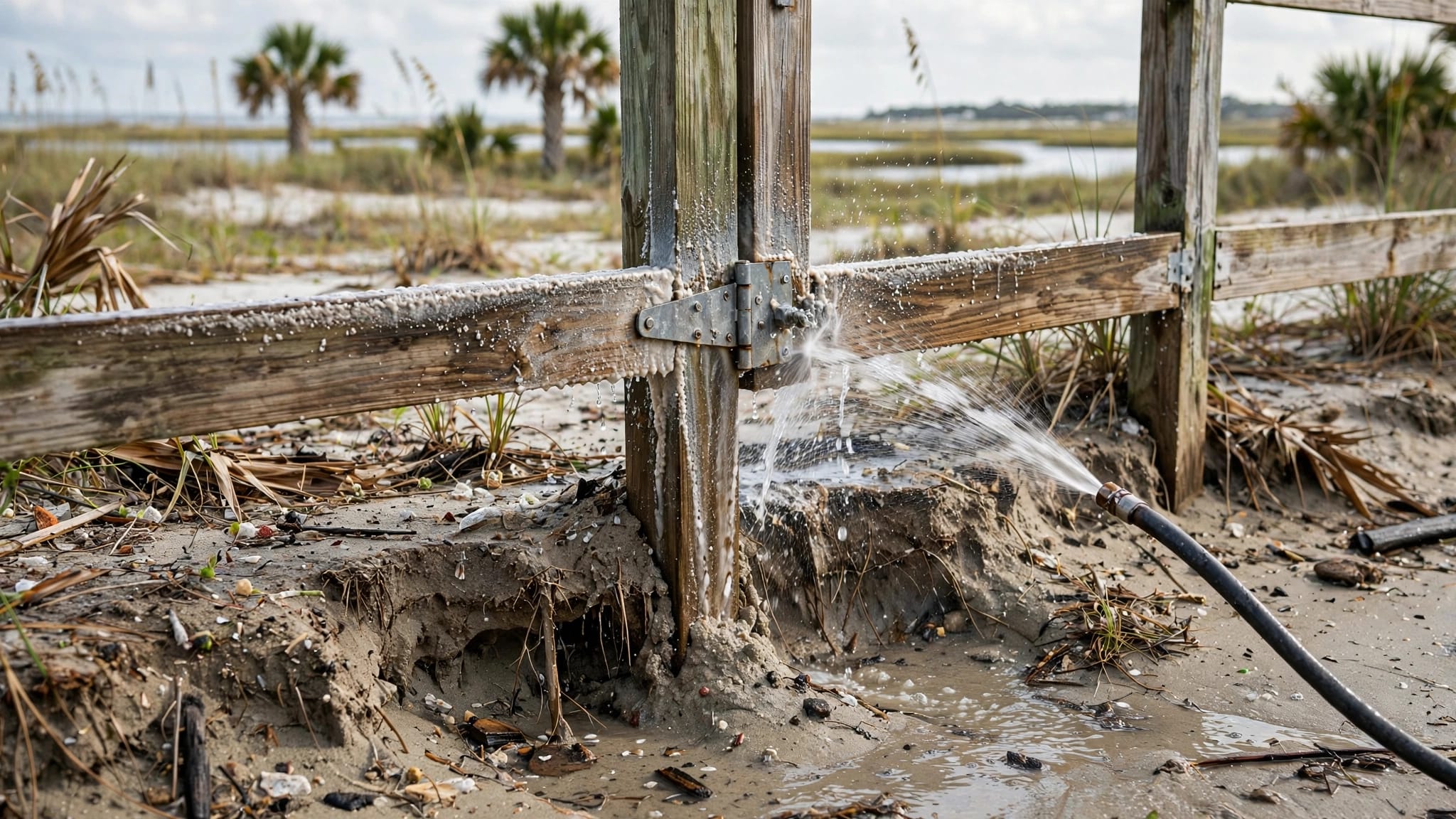
Post holes and concrete footings also extend below the finished surface. A design that misses the pipe by a small distance can still make future repair work harder, especially inside a recorded right-of-way.
That is why a "fence over gas line" request needs a site-specific review. The utility's requirements, the easement language, and the local permit process matter more than a private guess about the line's depth.
Line Ownership and Easements Change the Answer
Ownership can affect who maintains the pipe, but it doesn't make digging safe without a locate. Peoples Gas, for example, states that it owns and maintains natural gas piping from the street to the meter. Customers are responsible for piping from the meter to the point of use.
A customer-owned line still needs to be located before fence installation. It may also sit within an easement or another recorded access area. Review your survey, title documents, recorded plat, and county clerk records for utility corridors before finalizing the fence line.
Call 811 Before Digging Fence Posts
Florida property owners and contractors must contact 811 or Sunshine 811 before digging. Florida Public Utilities lists fence installation among the projects that require a utility locate. Peoples Gas also directs property owners and excavators to call at least two full business days before digging.
The person or company doing the digging is responsible for making the call. Schedule the locate before augering, hand digging, setting posts, or pouring concrete. Weekends and holidays don't count toward the two-business-day notice period.
For a local explanation of the process, see this Cape Coral 811 utility locate guide.
Treat Utility Markings as a Starting Point
811 markings show the approximate route of participating utility lines. Yellow markings commonly identify gas lines. However, the marks don't tell you that a fence may go over the pipe, and they don't confirm the terms of an easement.
A standard locate may not identify every private line on your property. Customer-owned piping beyond the meter is one reason you shouldn't rely on old photos, builder statements, or assumptions about where the gas line runs.
An 811 ticket helps locate a buried line. It doesn't approve your fence location or remove a utility's access rights.
Don't move, erase, or ignore markings because they appear farther into the yard than expected. If the route is unclear, the marks conflict with your survey, or private piping may be involved, pause the project and ask the utility or a qualified locating professional for help.
Confirm Utility Access and Local Permit Rules
Once the lines are marked, contact the gas utility directly. Give the representative your property address, proposed fence layout, survey, and locate information. Ask whether the line is utility-owned, whether it lies in an easement, and what clearance or access requirements apply.
Utilities need room to inspect, test, repair, replace, and protect their facilities. A fence that blocks a pipeline right-of-way may need relocation, written approval, or a different design. Even if you own the land above an easement, you generally can't use it in a way that unreasonably interferes with the utility's rights.
Read more about Florida fence easement requirements before you approve a layout.
Ask the Building Department Before Scheduling Installation
Florida doesn't have one universal fence permit rule that answers every gas-line situation. Requirements can vary by city, county, zoning district, utility, easement language, fence height, and property location.
Cape Coral, Fort Myers, Sarasota, Charlotte County, Collier County, and other Southwest Florida jurisdictions may follow different permit procedures. In unincorporated Lee County, county guidance requires a fence permit. Collier County also has its own fence permit process for installation, replacement, and repair work.
The building department may ask for a site plan, survey, property lines, easements, fence height, gates, and contractor information. If the fence touches a utility easement, ask whether the permit office needs written utility approval or additional documentation.
A permit doesn't replace an 811 ticket. Both steps matter, and utility approval doesn't replace the need to follow local building and zoning rules. This Lee County fence permit guide covers common documentation for properties in unincorporated areas.
When the route conflicts with the planned fence, moving the fence line is often safer than trying to work around the pipe. A contractor may also adjust post spacing, gate placement, or the boundary layout, but those changes should follow the utility's written requirements.
Conclusion
A fence over gas line in Florida isn't automatically allowed or prohibited. The right answer depends on the line's ownership, its exact location, recorded easements, utility access needs, and local permitting rules.
Call 811 before anyone digs, then confirm the requirements with the gas utility and your local building department. If the markings, survey, or property records don't agree, get professional verification before setting a single post. Safety begins with verified information, not an assumption about where the pipe should be.