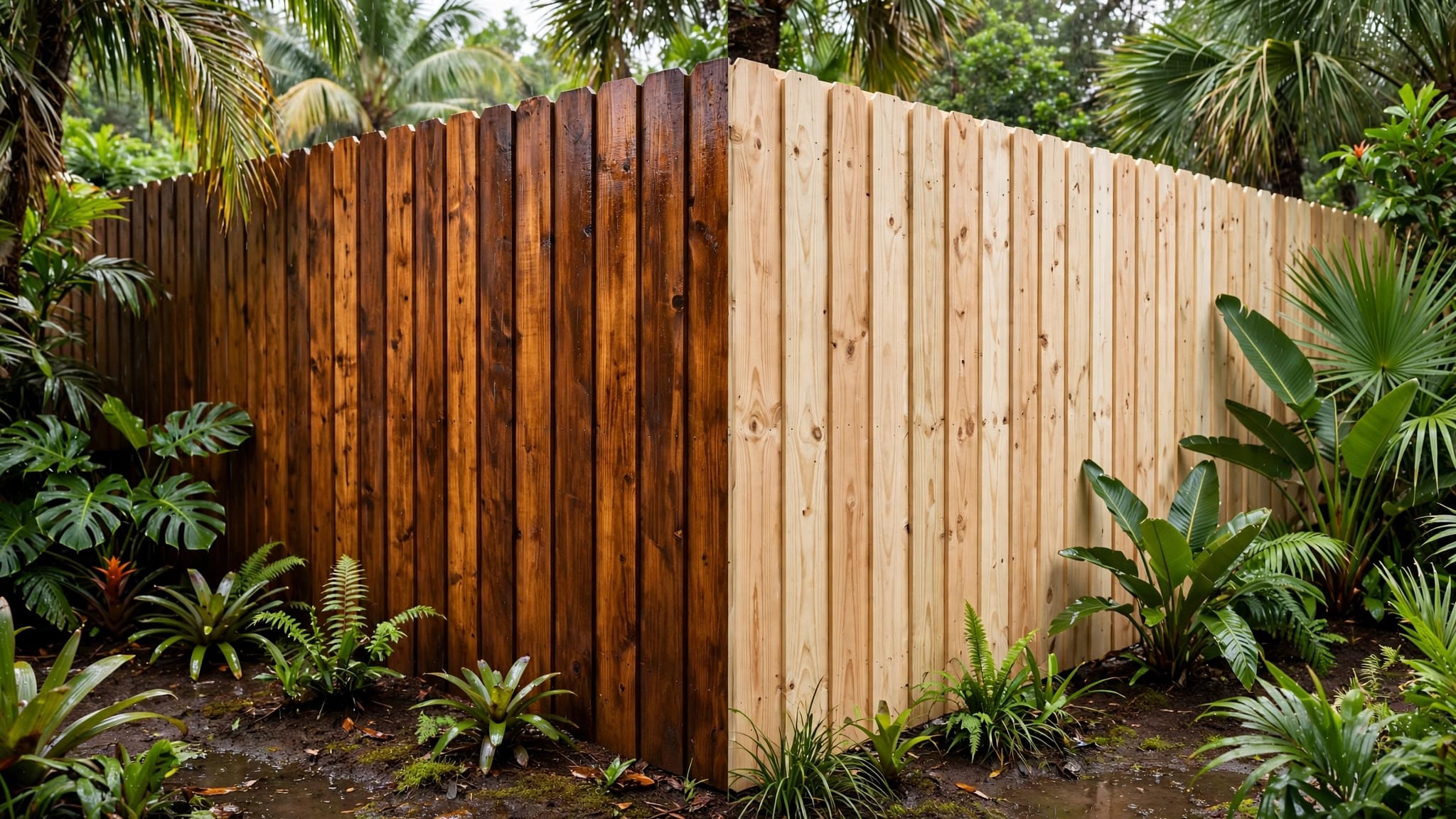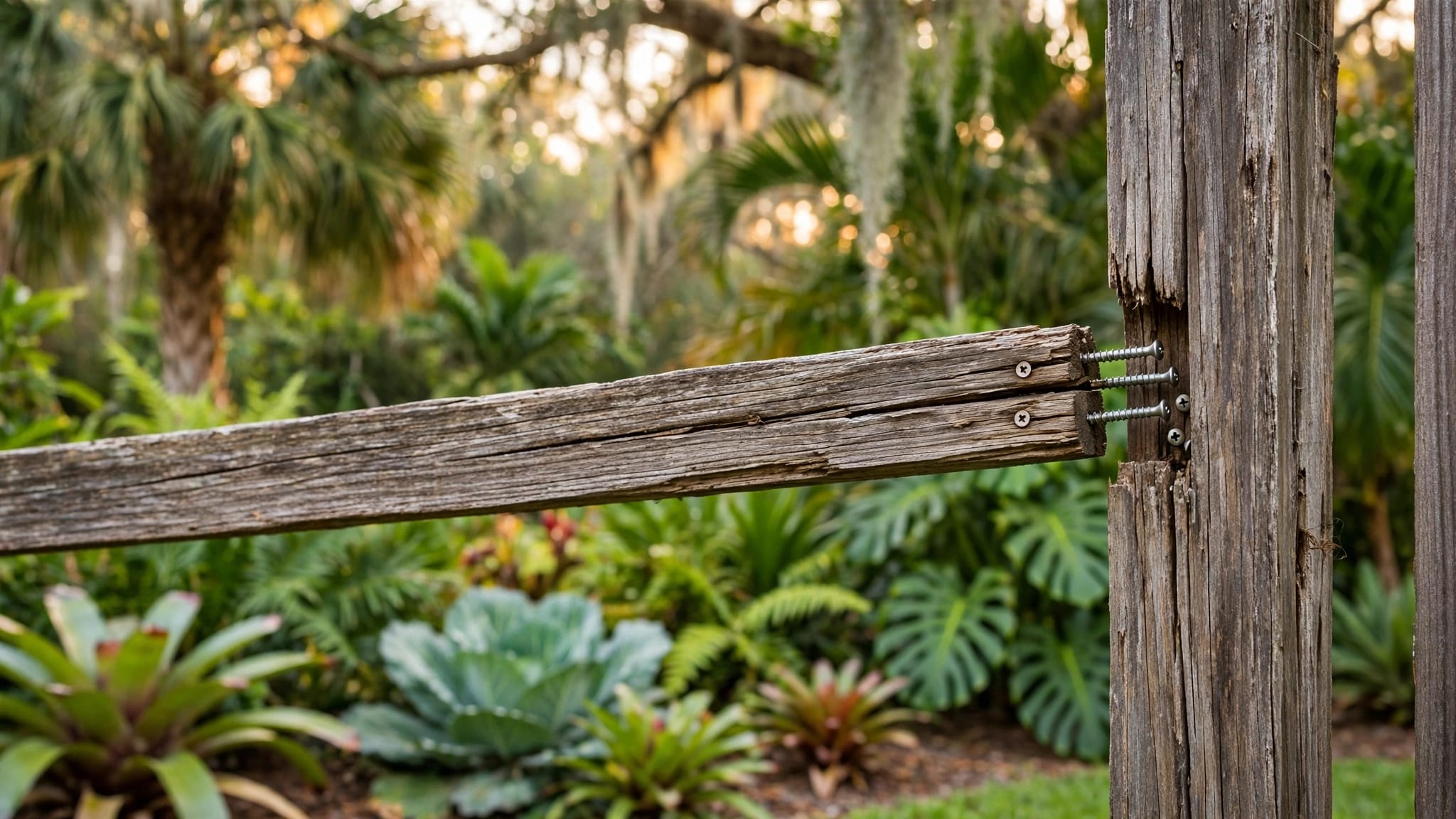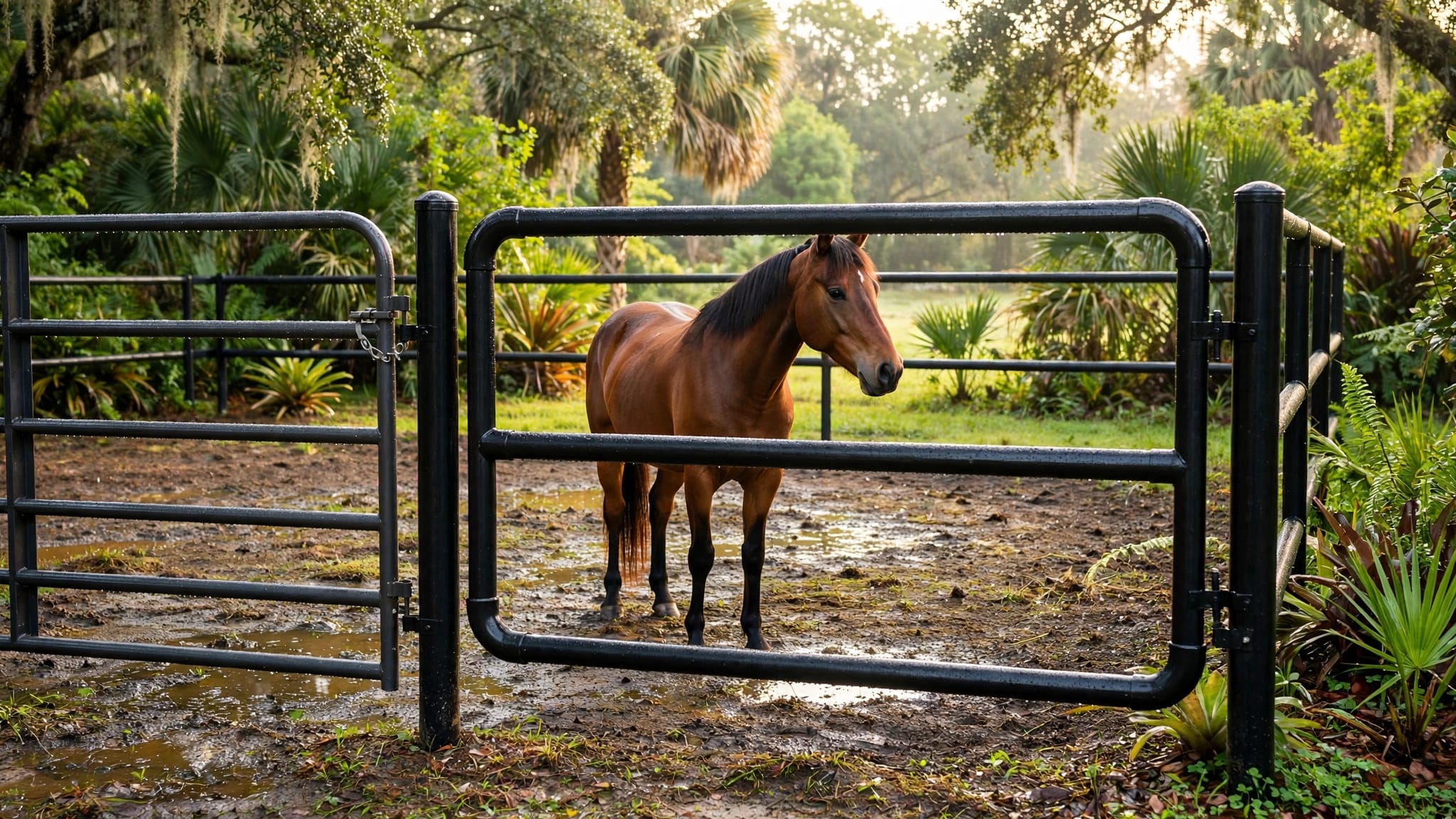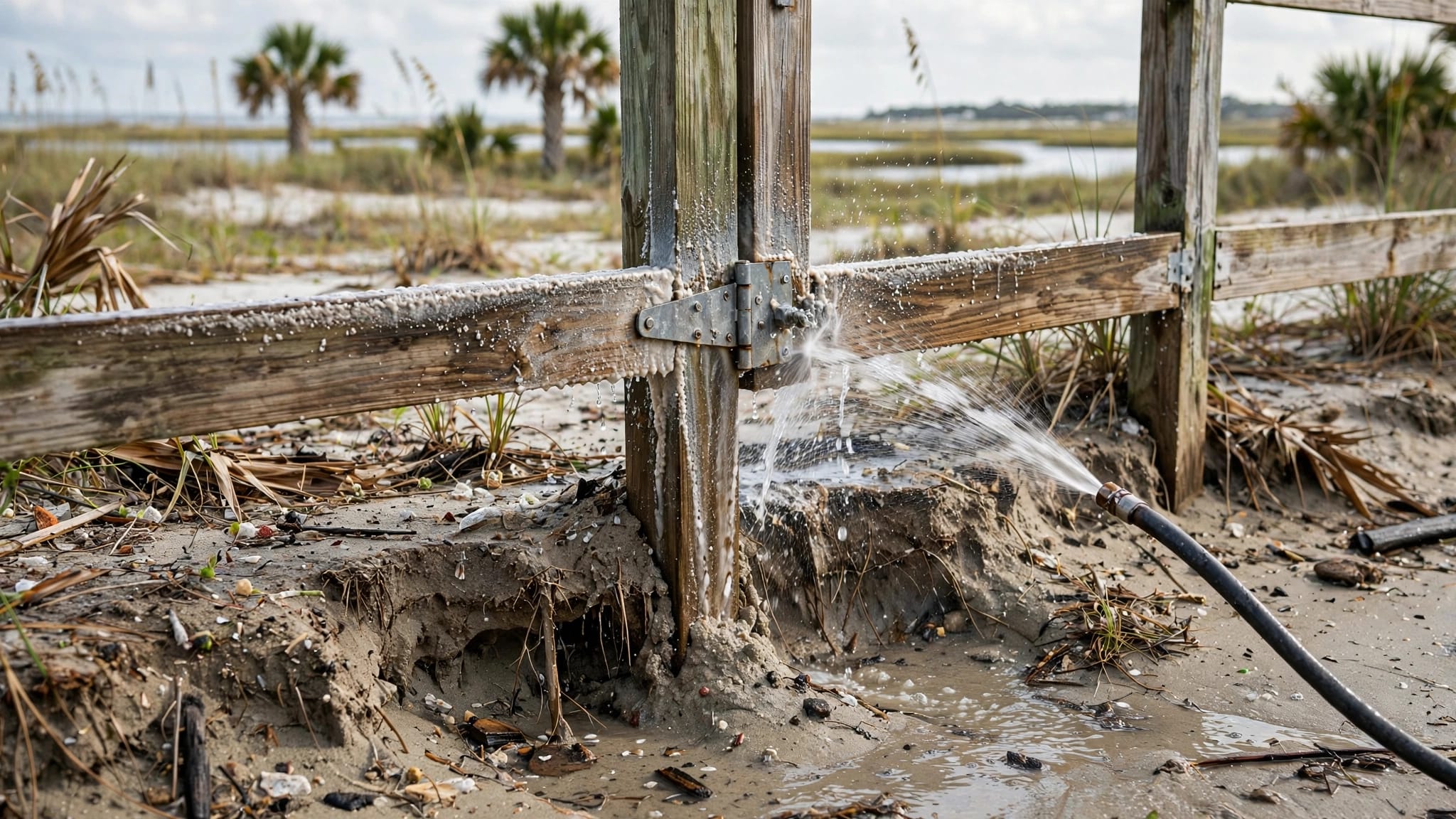
Installing a Fence Through Artificial Turf in Florida
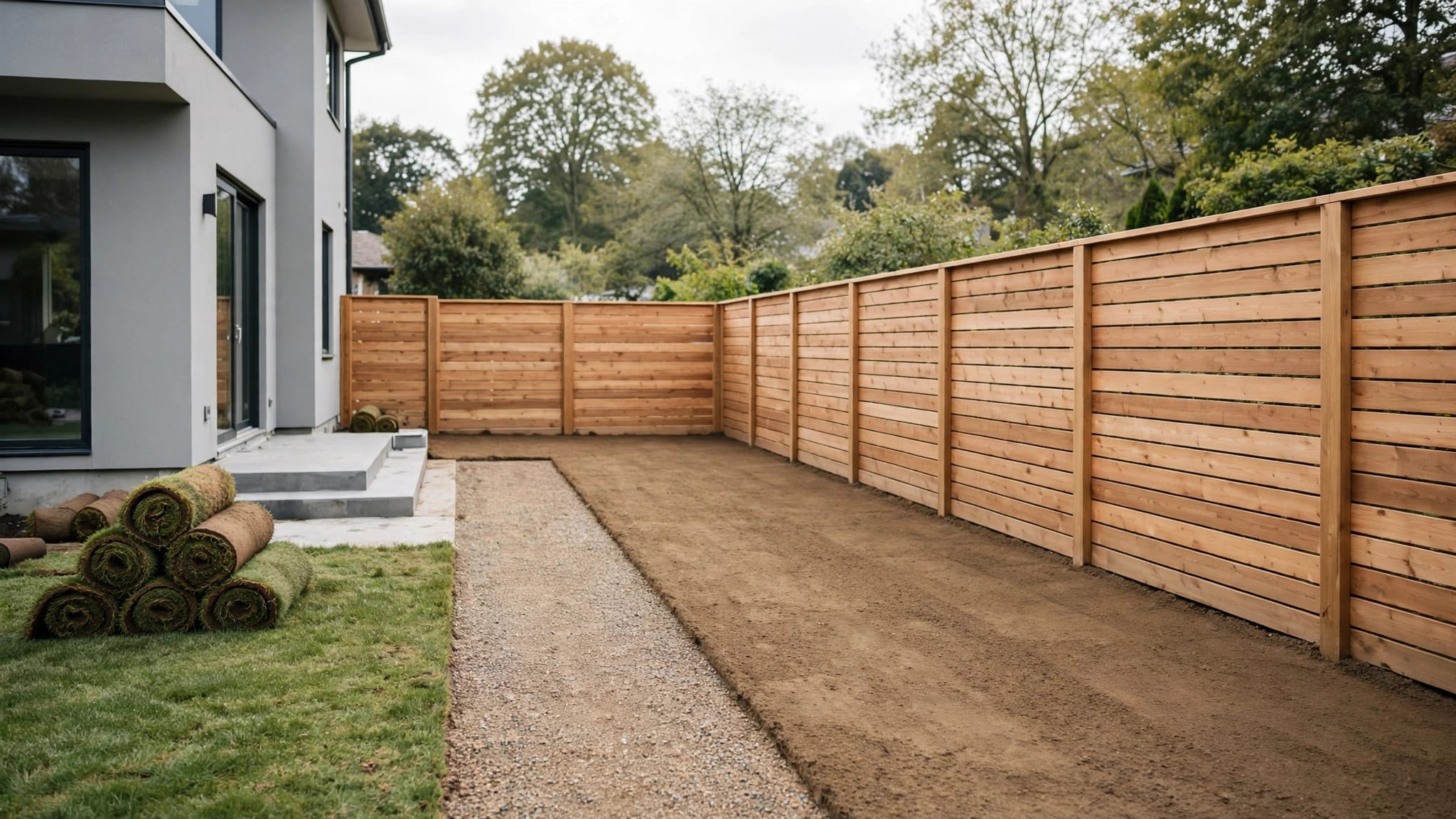
Yes, you can install a fence through existing artificial turf in Florida. However, the work requires more care than an ordinary yard installation. Each post can disturb turf backing, infill, irrigation, and the routes water takes during a hard rain.
A well-planned fence artificial turf installation protects those systems while giving you the privacy or security you want. Before setting a single post, confirm the rules for your address, your HOA, and underground services.
Planning a fence artificial turf installation before work begins
Plan the entire fence run before a blade touches the turf. Mark property boundaries, gates, sprinkler heads, valve boxes, swales, easements, and visible turf seams. This layout keeps post openings away from seams and prior repairs while leaving enough clearance for gates to swing freely.
Verify permits, easements, and HOA rules
Florida does not have one statewide fence permit or footing rule. State law limits blanket local prohibitions of compliant synthetic turf at single-family homes. Still, cities and counties can regulate fence placement, drainage, setbacks, and easements.
Lee County's fence and wall application asks applicants to identify property dimensions, nearby roads or waterbodies, easements, gates, and the proposed fence height. Your local building department may request different documents, so confirm the requirements before ordering materials. A Florida fence permit site plan guide can help you prepare a clear layout.
Your HOA may also control fence material, color, height, and gate placement. Get written approval before the crew cuts the turf or excavates post holes.
Account for pools, canals, and access
Pool barriers need compliant gates and hardware. Canal-front lots may have drainage easements, seawalls, or utility routes close to the planned fence line.
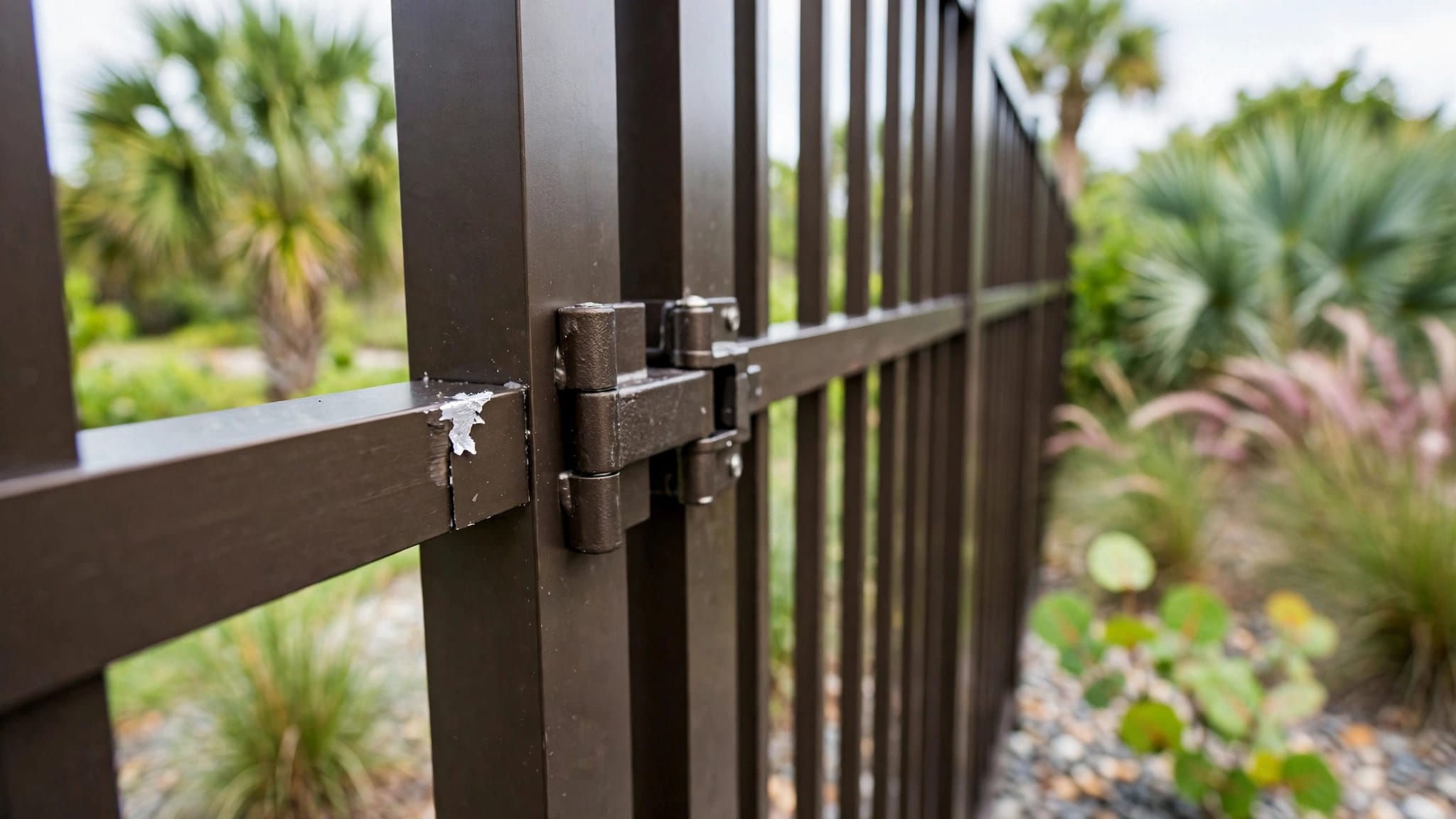
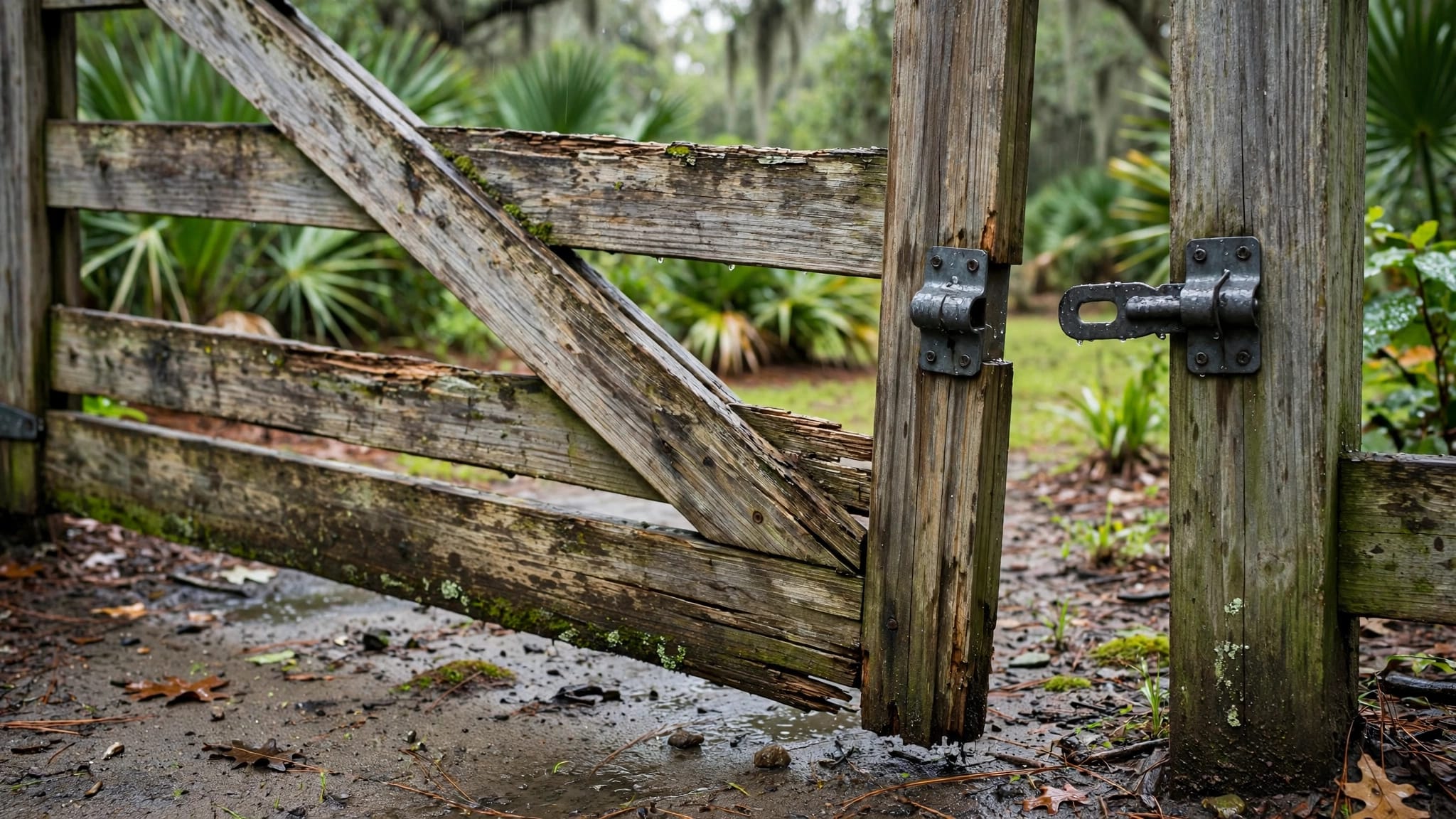
Measure gate swings before marking turf cuts. A gate that opens across a narrow side yard can damage the turf with repeated scraping, especially after sand or leaves collect near the bottom rail.
Protect the artificial turf during excavation
Ask the original turf installer for the product information, installation records, and warranty terms. Find out where the seams, infill, drainage layer, and base material sit along the fence line.
For fence artificial turf work, a careful installer makes controlled openings only where posts must go. Large, continuous cuts along the full fence run create more repair work and raise the chance of visible separation later.
Use clean cuts and protect the backing
The crew should move turf away from the digging area, keep spoil piles off the surface, and prevent wet concrete from touching the backing. If a footing uses concrete, protect the surrounding turf until the material has cured and the area is ready for repair.
Keep extra matching turf from the original installation if possible. Turf color, pile height, and infill can differ between product batches, even when the product name matches.
A turf warranty may limit coverage after cuts, base disturbance, or work near seams. Ask the manufacturer or original installer whether post openings need a particular repair method, then keep that answer with your project records.
Prevent sprinkler and drainage damage
Artificial turf can hide the warning signs of irrigation problems. A broken lateral line may not show itself until a zone loses pressure or water starts pooling around a post.
Mark utilities and private irrigation separately
Submit a Sunshine 811 request before excavation. Use this guide to calling 811 before digging fence posts to understand the marks and plan the route.
Sunshine 811 marks participating public utilities, not private sprinkler piping or every irrigation component in your yard.
Walk the proposed fence line with the irrigation contractor or homeowner's yard map. Flag sprinkler heads, valve boxes, drip lines, landscape lighting, and pool equipment runs. Then run each irrigation zone before work starts and photograph the coverage pattern.
Keep water moving where it already moves
Florida rain can expose a minor grading mistake fast. Keep footings and turf repairs from redirecting water into a swale, against the home, or toward a pool deck.
Do not use removed soil, loose infill, aggregate, or concrete washout to fill a drainage channel. After the installation, run the irrigation system and inspect the fence line after the next heavy rain.
If the project also adds or replaces a large turf area, local drainage documentation may apply. Confirm that question with the building department instead of assuming the fence permit covers every part of the job.
Set fence posts for Southwest Florida conditions
Artificial turf does not determine post depth. Sandy soil, fence height, wind exposure, panel style, gate weight, corner loads, and local permit requirements determine the post and footing design.
Let the fence design set the footing details
Florida Building Code structural provisions allow fences no more than 6 feet tall to use a 75 mph fastest-mile wind speed or a 115 mph 3-second-gust wind speed for design. That allowance does not make one hole depth right for every Florida yard.
Taller fences, exposed lots, solid privacy panels, and wide gates can require a stronger post system. Lee County calls for signed and sealed plans when a wall exceeds 6 feet, which shows why height matters during local review.
Request the post size, hole diameter, footing method, hardware, and spacing in writing. For local conditions, review this Cape Coral fence post-depth guidance before accepting a generic depth recommendation.
Give gates and corners extra attention
Gates pull on posts every time they open and close. Corners also carry more force than a straight fence run, particularly with solid vinyl, composite, or wood privacy panels.
A contractor should account for those loads before cutting the turf. Correct post placement prevents a future repair that would require reopening the same turf area.
A durable fence starts below the turf
Installing a fence through artificial turf is practical when the crew treats the turf, irrigation, drainage, and fence structure as connected parts of one yard. Careful planning protects the finished surface and helps the posts stay straight through Southwest Florida weather.
A fence artificial turf project deserves more than a fast row of holes. Verify local rules, mark every buried line, protect the turf system, and use a post design suited to your property.