How to Stop Grass Under Fence Lines in Florida
A neat fence can look neglected fast when turf pushes through the bottom rail. In Southwest Florida, heat, summer rain, and frequent irrigation can turn a narrow strip of grass under fence panels into a weekly trimming chore.
St. Augustine, Bermuda, and Zoysia all spread differently, yet each can creep into places a mower cannot reach. A lasting fix starts with a clean border that sheds water and leaves room for fence maintenance.
Why Grass Under Fence Lines Returns So Quickly
Florida turf grows most aggressively during the warm, wet months. Rain softens sandy soil, while irrigation keeps runners alive beside the fence. Bermuda spreads through above-ground stolons and underground rhizomes. St. Augustine sends thick runners across open soil. Zoysia grows more slowly, but its dense mat still expands into border beds.
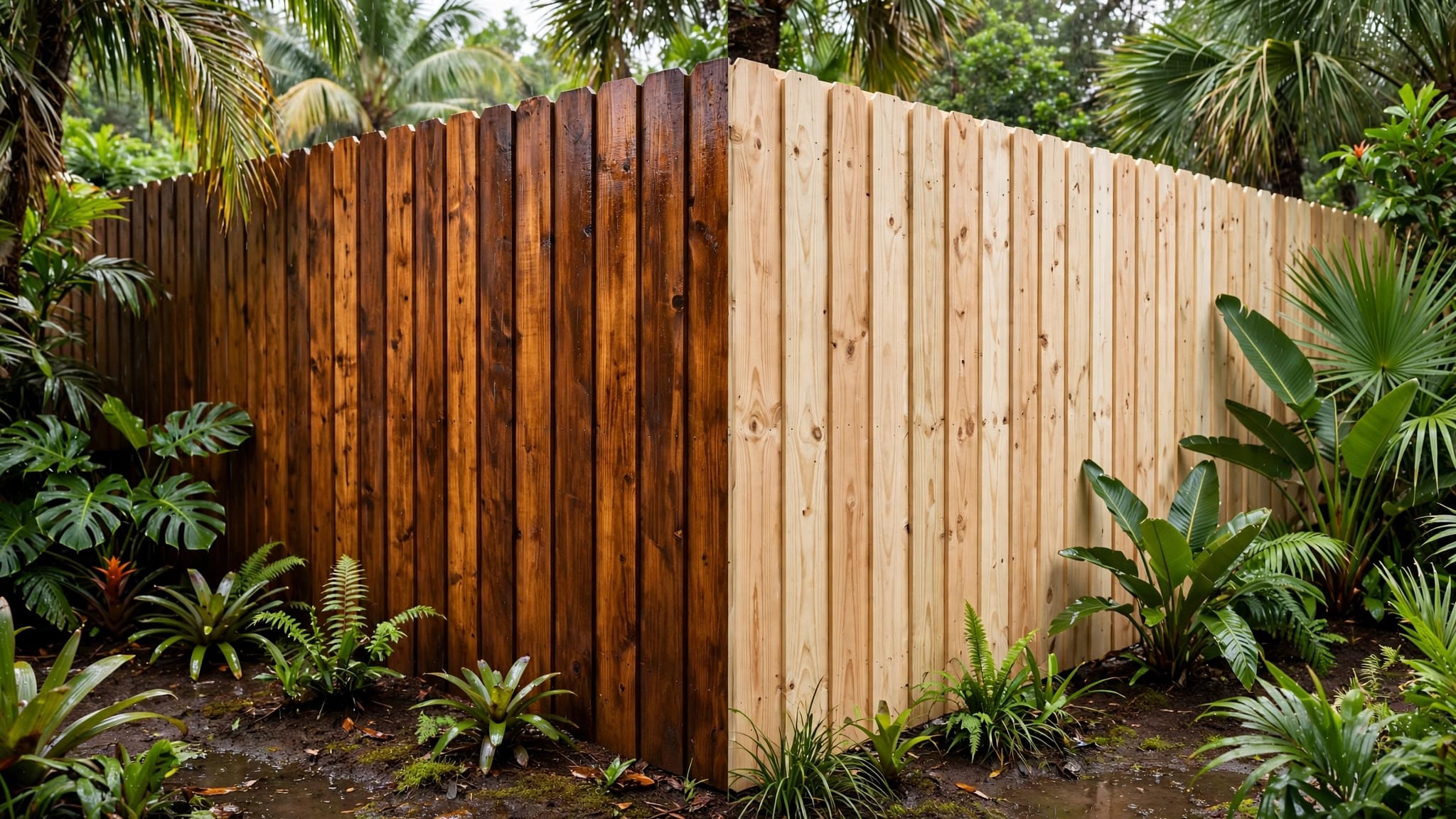
A fence creates shade and tight corners that make mowing difficult. Trimmers can reach the area, but repeated string-trimming may scar vinyl, chip powder-coated aluminum, and nick wood. It can also wear away soil around posts over time.
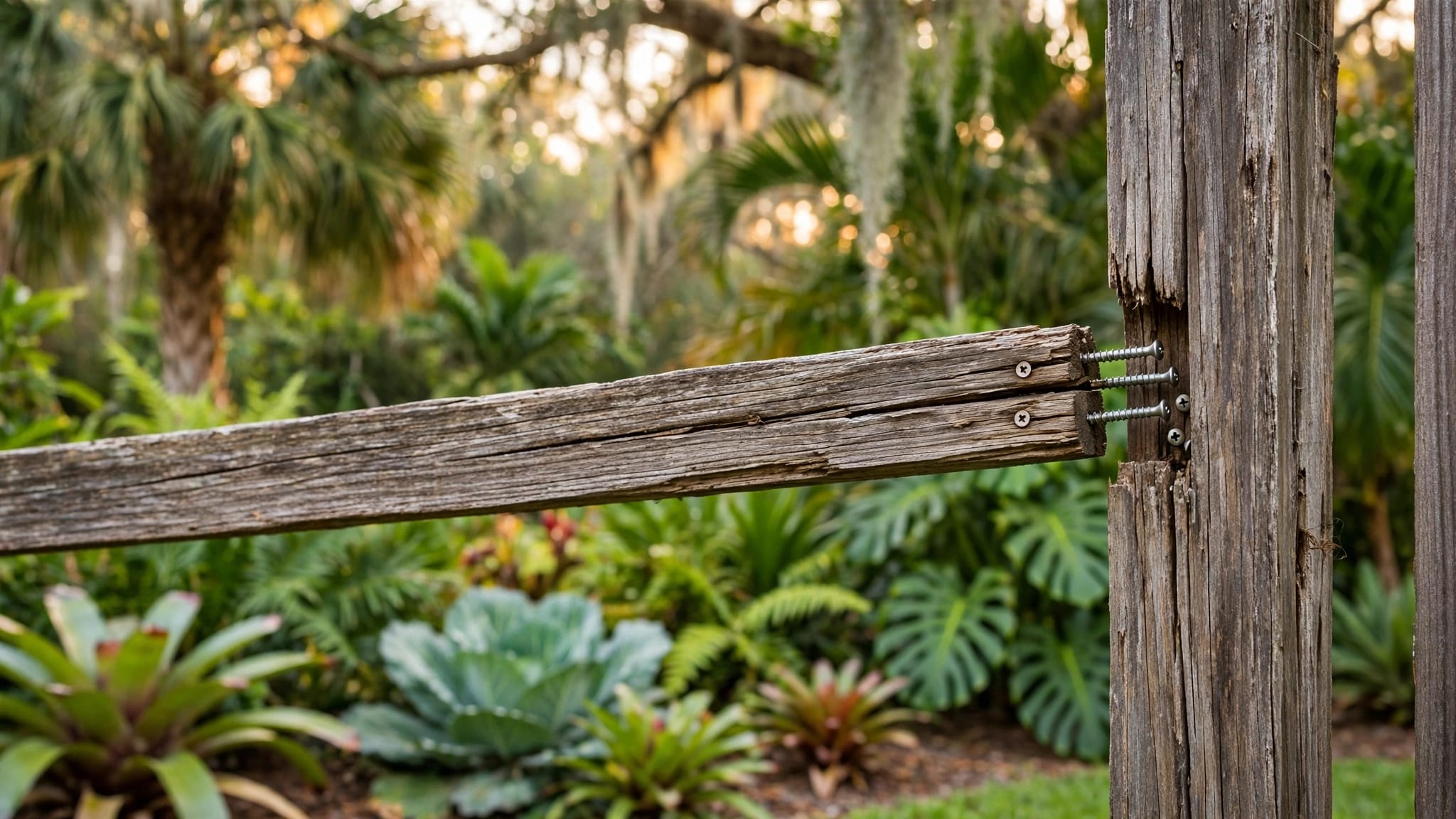
Keep soil and mulch below the bottom of the fence. Packed material against panels holds moisture, hides termites near wood, and can interfere with drainage.
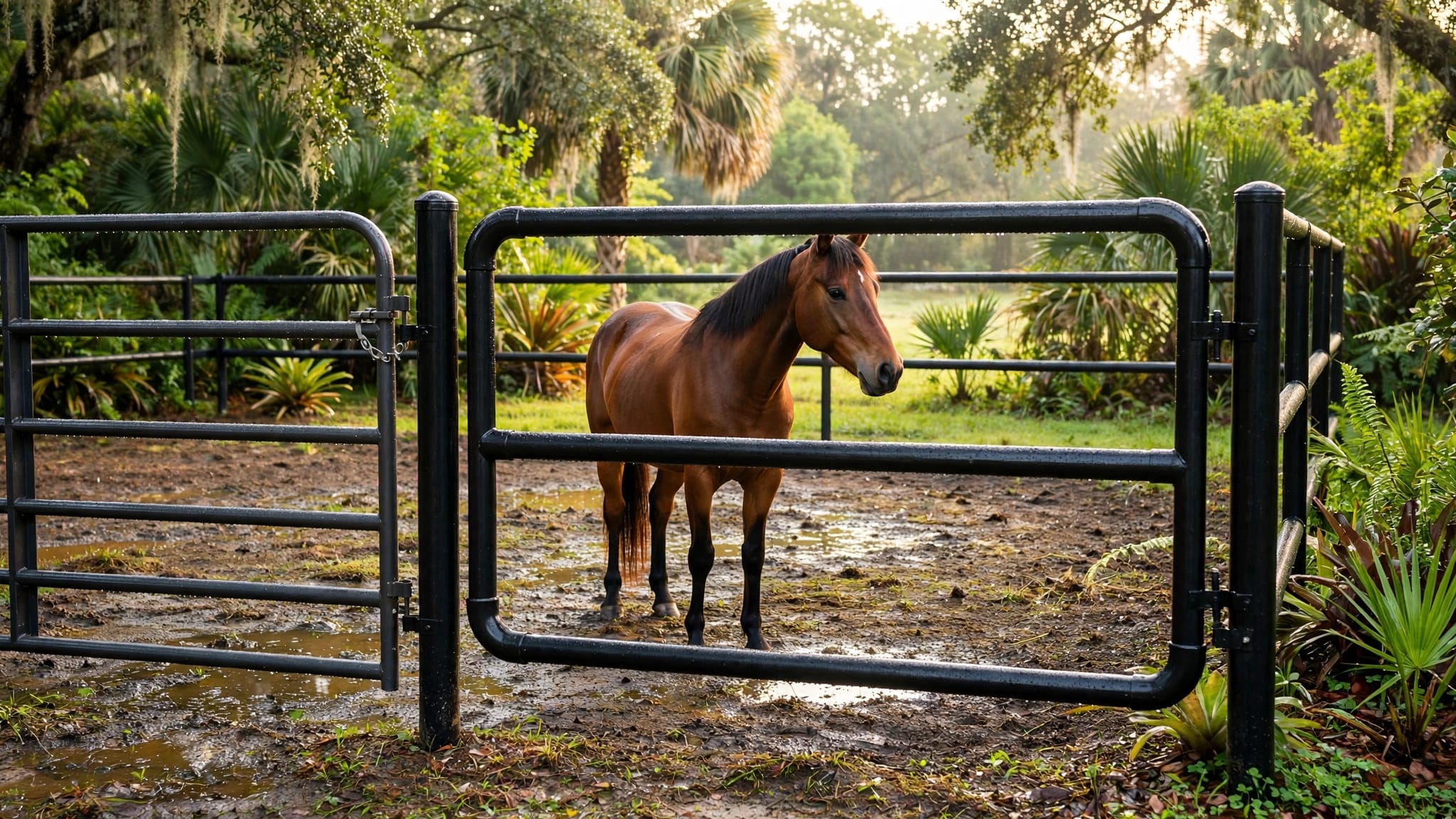
Before installing a border, find sprinkler heads and underground irrigation lines. Also inspect the fence after a heavy rain. Water should move away from the post holes and not collect along the property line.
Start With a Clear, Stable Fence Border
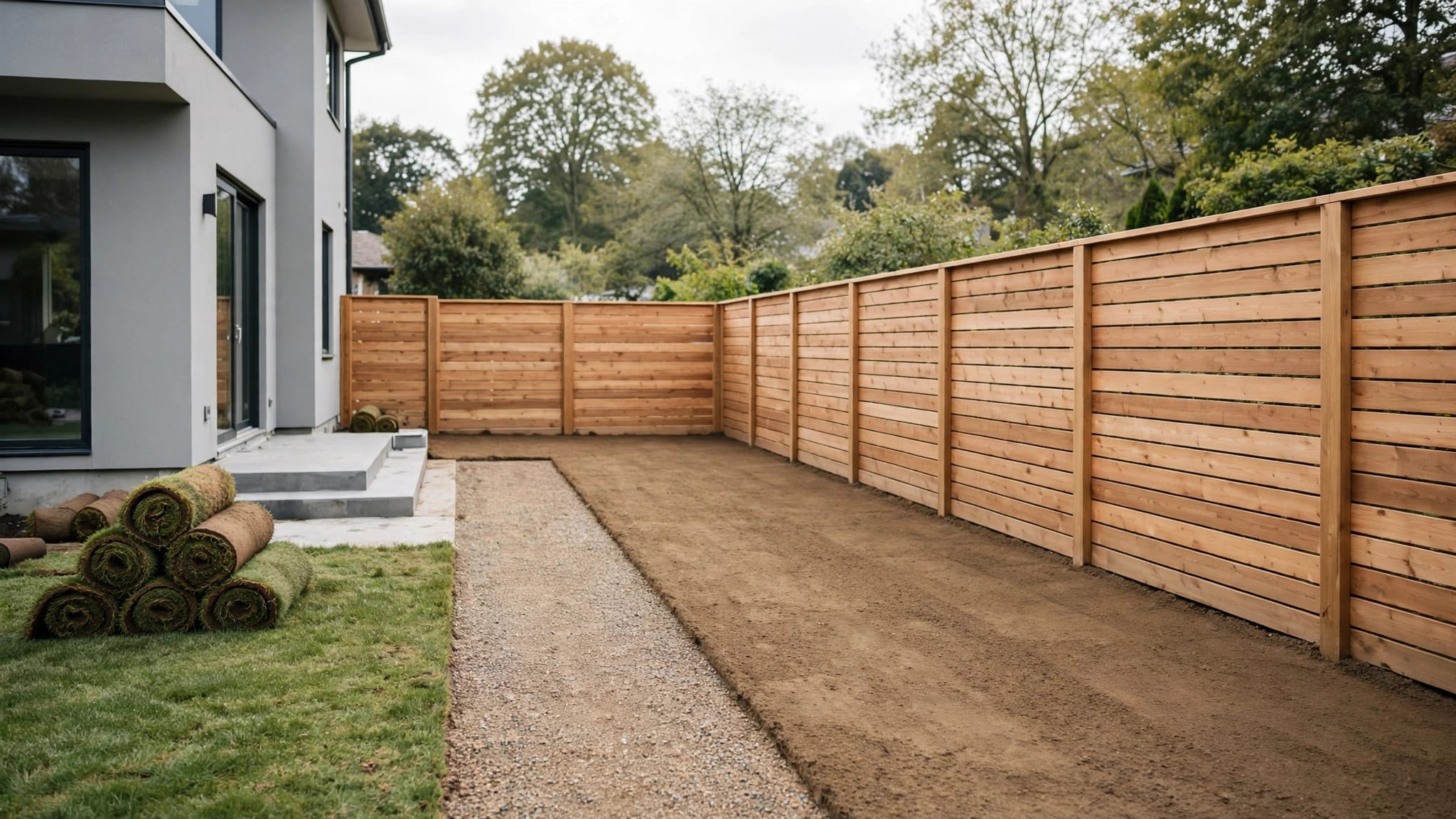
The most durable solutions begin by removing the existing turf in a strip beside the fence. A border 12 to 18 inches wide usually gives enough room for maintenance without consuming much yard space. Use a flat shovel or sod cutter to remove grass and runners, then rake the area level.
For a new project, prepare your yard for fence installation before crews arrive. Clearing sod, roots, decorations, and irrigation hazards helps installers set a straight line and stable posts.
Protect drainage and fence footings
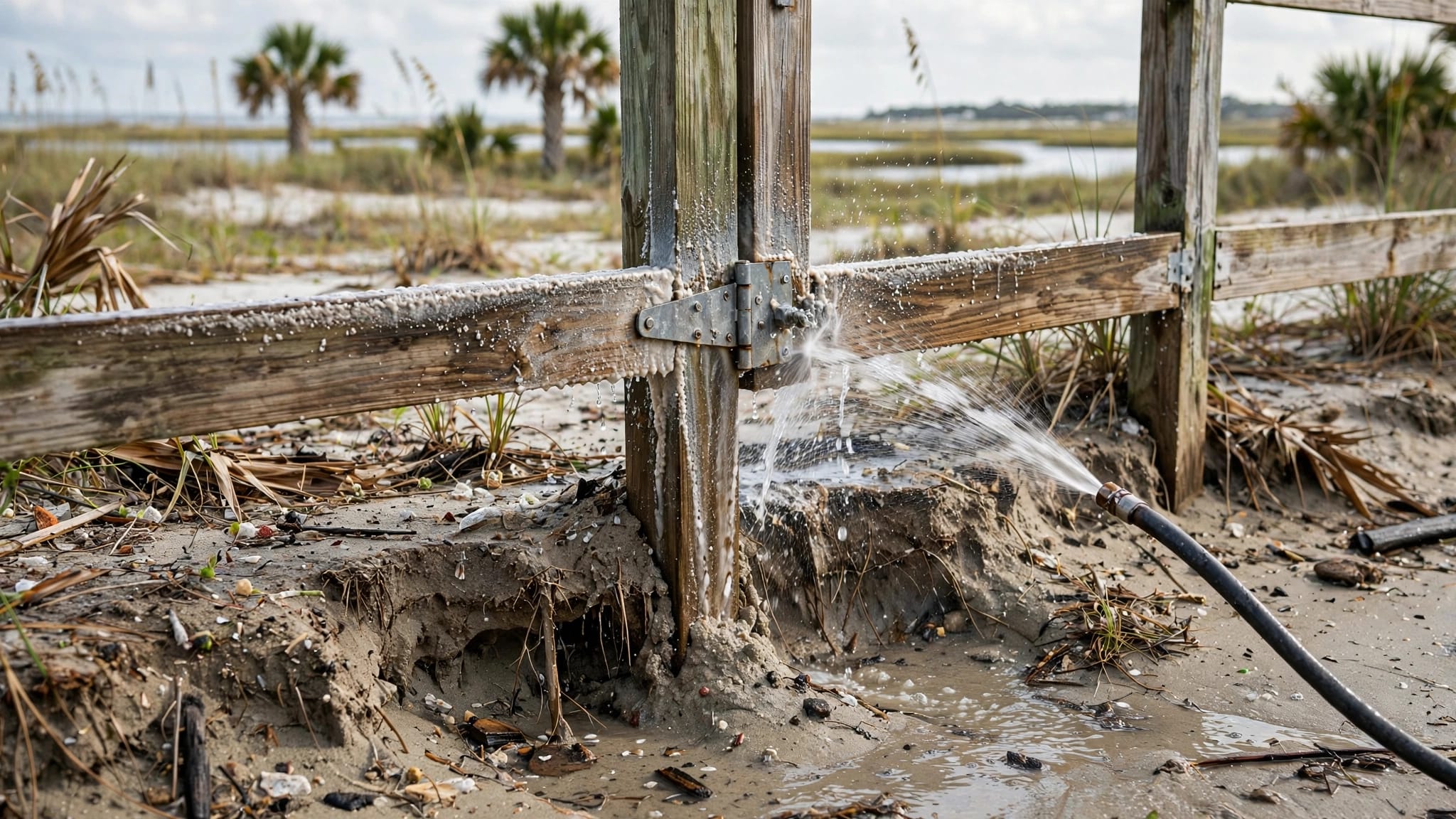
Don't dig deeply around established posts. Deep edging trenches can loosen soil around a fence footing, especially in loose sand or wet ground. Instead, keep excavation shallow and avoid piling soil against the fence.
Many Cape Coral fences need post holes at least 36 inches deep in sandy conditions. Taller privacy fences, gates, corners, and wind-exposed runs often need more depth. Review the fence post depth for sandy soil before changing grade near a fence line.
Use Mulch for a Low-Maintenance Grass Barrier
Mulch is often the simplest answer for grass under fence areas. After removing turf, lay commercial landscape fabric only if the soil is mostly level and you can secure the edges. Then cover it with 2 to 3 inches of pine bark, pine straw, melaleuca mulch, or a similar organic mulch.
Pine bark and pine straw suit Florida yards because they look natural and allow rain through. However, they decompose and need replenishing about once or twice a year. Heavy rain can also wash light mulch into neighboring yards or drainage swales.
Rock stays in place longer, but it has tradeoffs. Florida sun heats decorative stone, and leaves become difficult to remove. Rocks can also sink into sandy soil unless a proper base separates them. Avoid sharp stone where children or pets play.
Install edging to keep turf out
Edging turns mulch into a barrier instead of a temporary patch. Plastic or aluminum landscape edging works well for curved beds and costs less than pavers. Set it flush or slightly above grade so grass runners cannot easily cross.
Concrete curbing and pavers create a firmer edge, although they cost more and need careful grading. Leave a small gap between hard edging and fence posts. That gap allows water to drain and gives you access if a post needs repair.
Check the border monthly during the growing season. Pull new runners while they are small, then top off mulch when bare soil appears.
Consider Pavers or Artificial Turf for Permanent Access
A narrow paver strip can make sense beside gates, pool equipment, or side yards where you walk often. It creates a mow-free lane and keeps mud off shoes after a storm. Choose pavers with a compacted base and slope the surface away from the fence.
This option has a higher upfront cost than mulch. It also requires a stable base, edge restraints, and careful planning around roots and irrigation. Never bridge a drainage swale with pavers or fill a low area that carries stormwater.
Artificial turf can also replace a troublesome strip, particularly beside a pool or patio. It needs a permeable base and drainage plan, not simply turf laid over grass. Fence posts, infill, and irrigation lines need protection during the work. Homeowners considering installing a fence through artificial turf should plan the fence layout before the turf goes down.
Control Existing Growth Without Damaging the Yard
Hand removal and a border are the safest long-term combination. Still, herbicide may help when Bermuda rhizomes or St. Augustine runners keep returning. Use a product labeled for your target grass and follow its label exactly.
A non-selective herbicide can kill any green plant it touches. Keep spray off shrubs, flower beds, and desirable turf. Apply only on calm, dry days, and keep children and pets away until the label says the treated area is safe.
Avoid spraying near ponds, canals, storm drains, or exposed roots. Also don't treat grass immediately before a heavy rain, because runoff can carry the product away. Herbicide kills visible growth, but it doesn't create a physical barrier, so grass under fence lines may return without edging or mulch.
Match the Method to Your Florida Yard
The right solution depends on drainage, budget, and how much upkeep you accept.
- Mulch with edging costs the least, looks natural, and needs seasonal touch-ups.
- Pavers or curbing require more installation work but create a durable mowing strip.
- Artificial turf offers a clean finish with little mowing, although drainage and installation costs matter.
- Herbicide alone works as short-term control, but it needs repeat applications and careful handling.
For St. Augustine lawns, a mulch bed with firm edging usually controls broad surface runners. Bermuda may need more frequent checks because it spreads below ground. Zoysia grows slowly enough that regular hand-pulling and a defined edge can keep it contained.
A Cleaner Fence Line Starts Below the Panels
Grass under fence areas rarely disappears after one weekend of trimming. Remove the turf, preserve drainage, and install a border that matches how you use the yard. That approach protects the fence while reducing the work around it.
A narrow, well-maintained strip also keeps fence posts accessible after storms and makes future repairs easier. A dry, clear fence line looks better and gives Florida turf fewer places to take hold.