How To Compare Fence Quotes In Cape Coral
You've got three fence quotes in hand. One seems cheap. Another packs in details. The third leaves gaps. Now what? In Cape Coral, picking the right one saves headaches from storms, salt air, and sloppy work. Homeowners often chase low prices and regret it later.
Compare apples to apples first. Focus on scope, quality, and local rules. That way, you avoid surprises like shallow posts or skipped permits. Let's break it down step by step.
Match the Core Project Specs First
Start here because mismatched details skew everything. Ask each contractor to quote the same job: exact fence length, height, style, and location. A 150-foot, 6-foot vinyl privacy fence around your backyard differs from 4-foot pickets up front.
Line them up in a simple table. Note differences right away.
| Quote Item | Quote 1 | Quote 2 | Quote 3 |
|---|---|---|---|
| Total Length | 150 feet | 150 feet | 145 feet |
| Height | 6 feet | 5.5 feet | 6 feet |
| Material | Vinyl | Aluminum | Chain link |
Short lengths or heights cut costs unfairly. In Cape Coral, backyard fences hit 6 feet max without permits. Front yards cap at 4 feet. Confirm they match your plan. If not, get revised quotes.
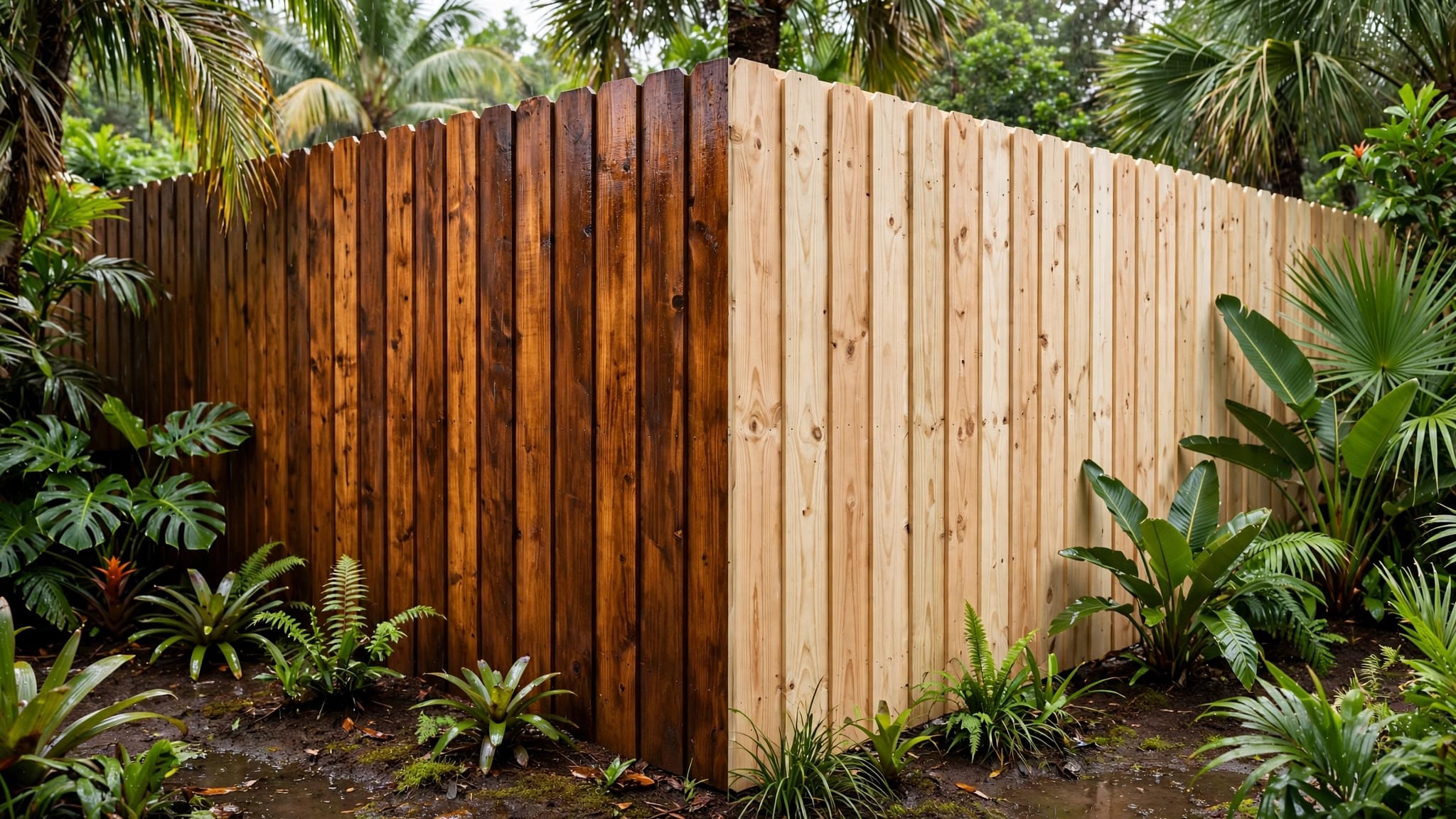
Materials matter too. Vinyl resists salt better than wood here. Chain link suits pets on budgets. Push for specifics like panel thickness or rail gauge. Similar specs mean fair pricing ahead.
Compare Materials and Hardware Quality
Cheap materials fail fast in Southwest Florida humidity. Look beyond the type. Check grade, thickness, and coatings.
Vinyl should list UV protection and impact ratings. Aluminum needs powder-coating for rust resistance near canals. Chain link? Ask for vinyl-coated over galvanized; it hides better and lasts.
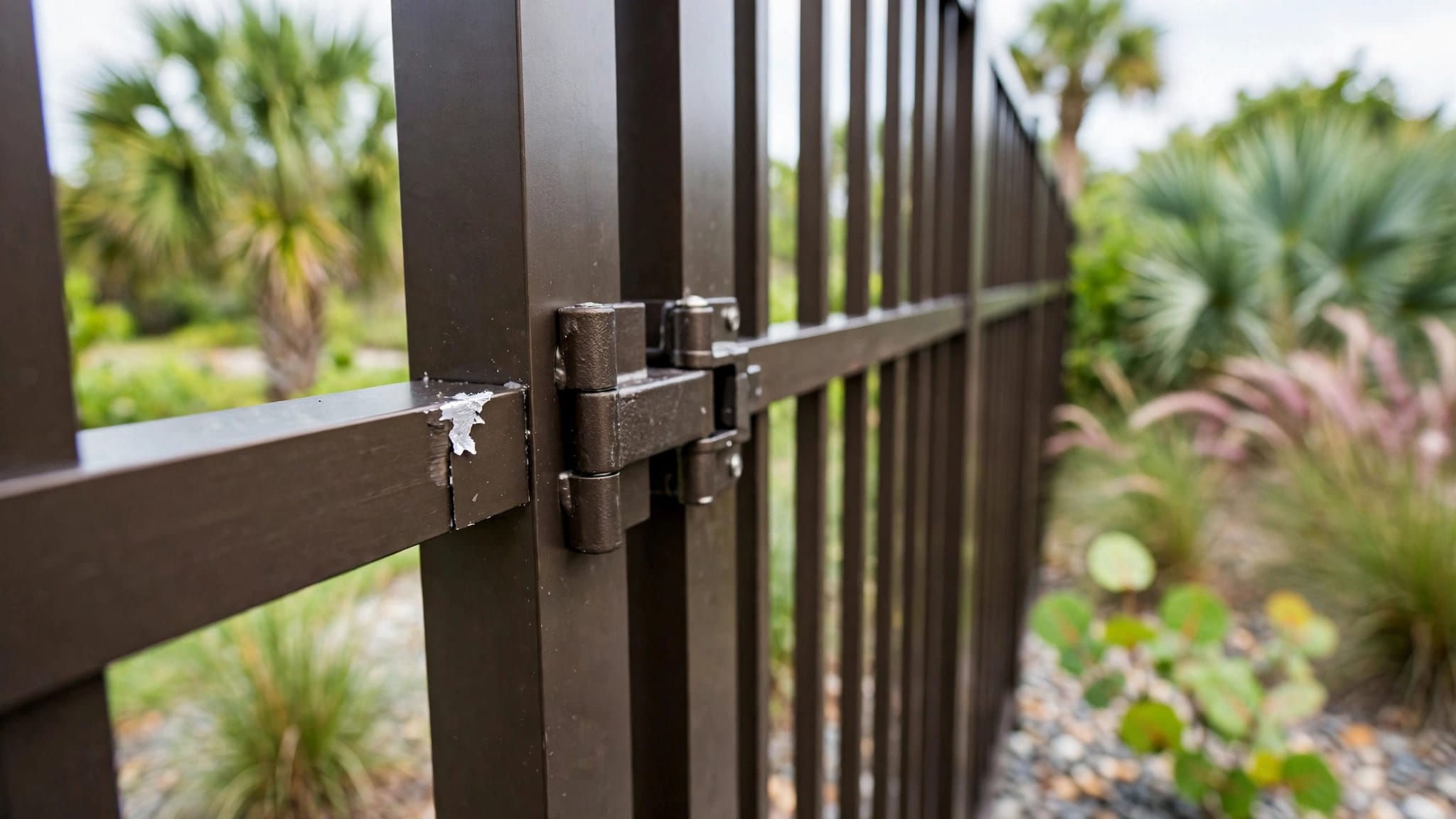
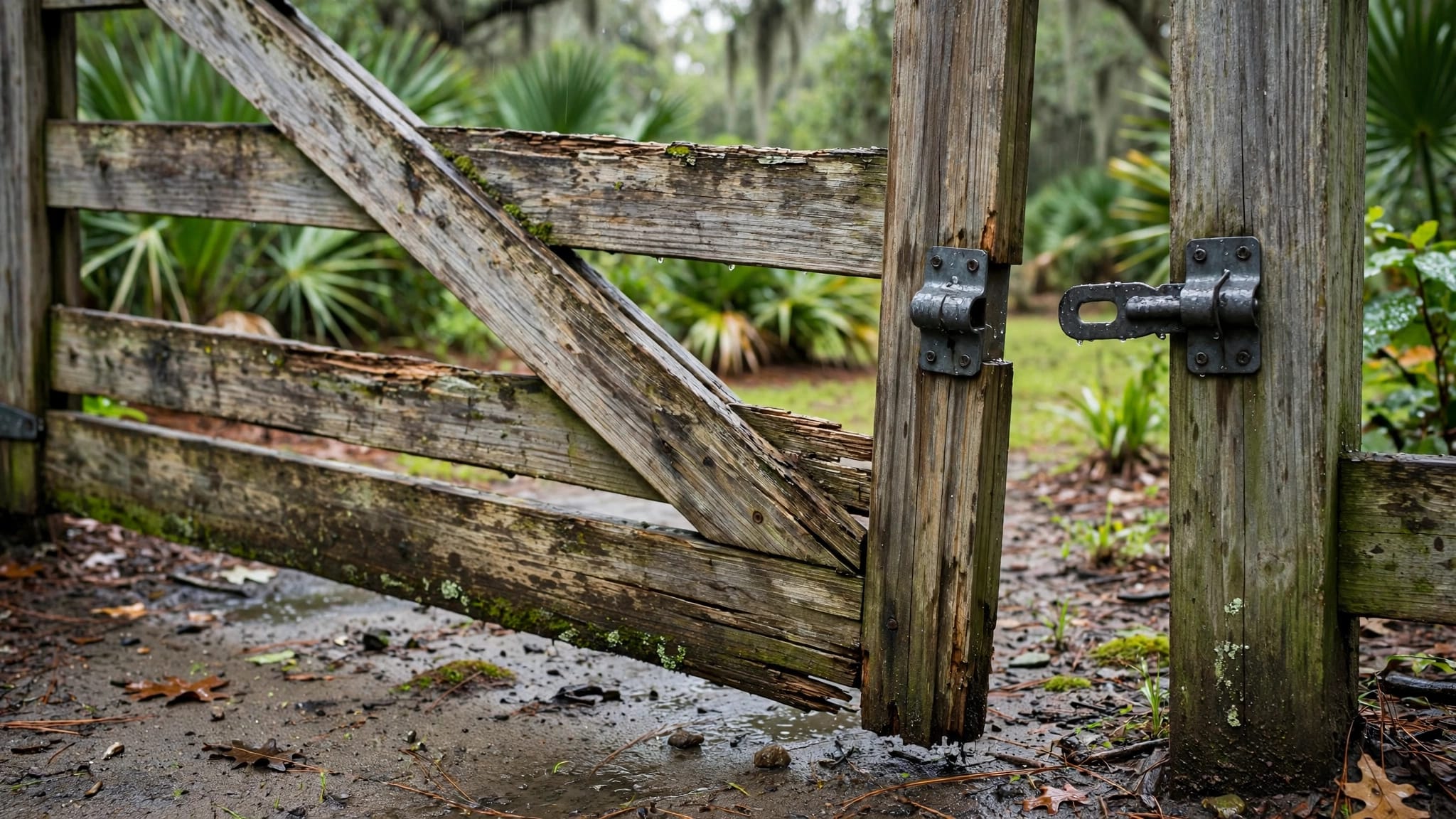
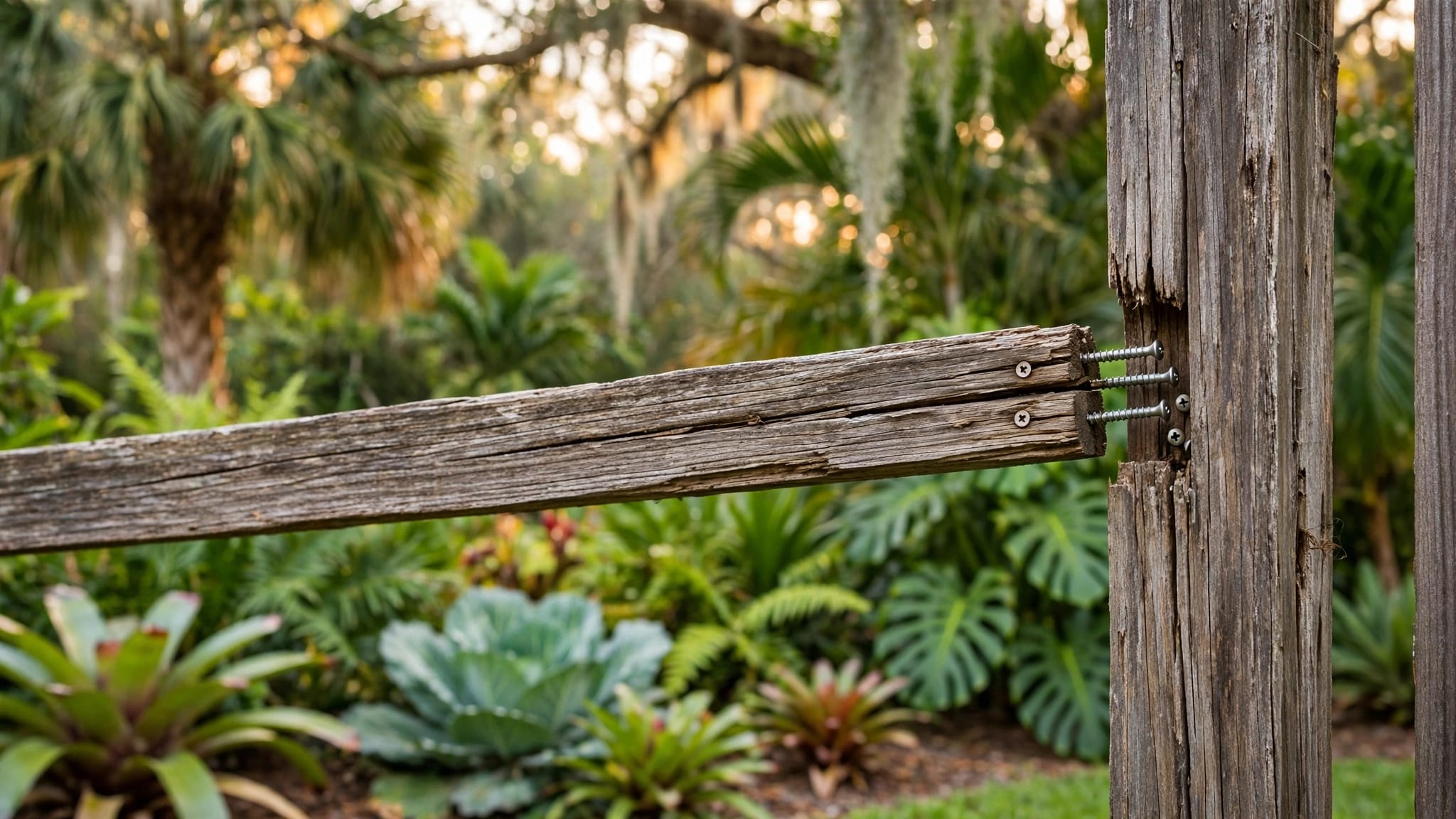
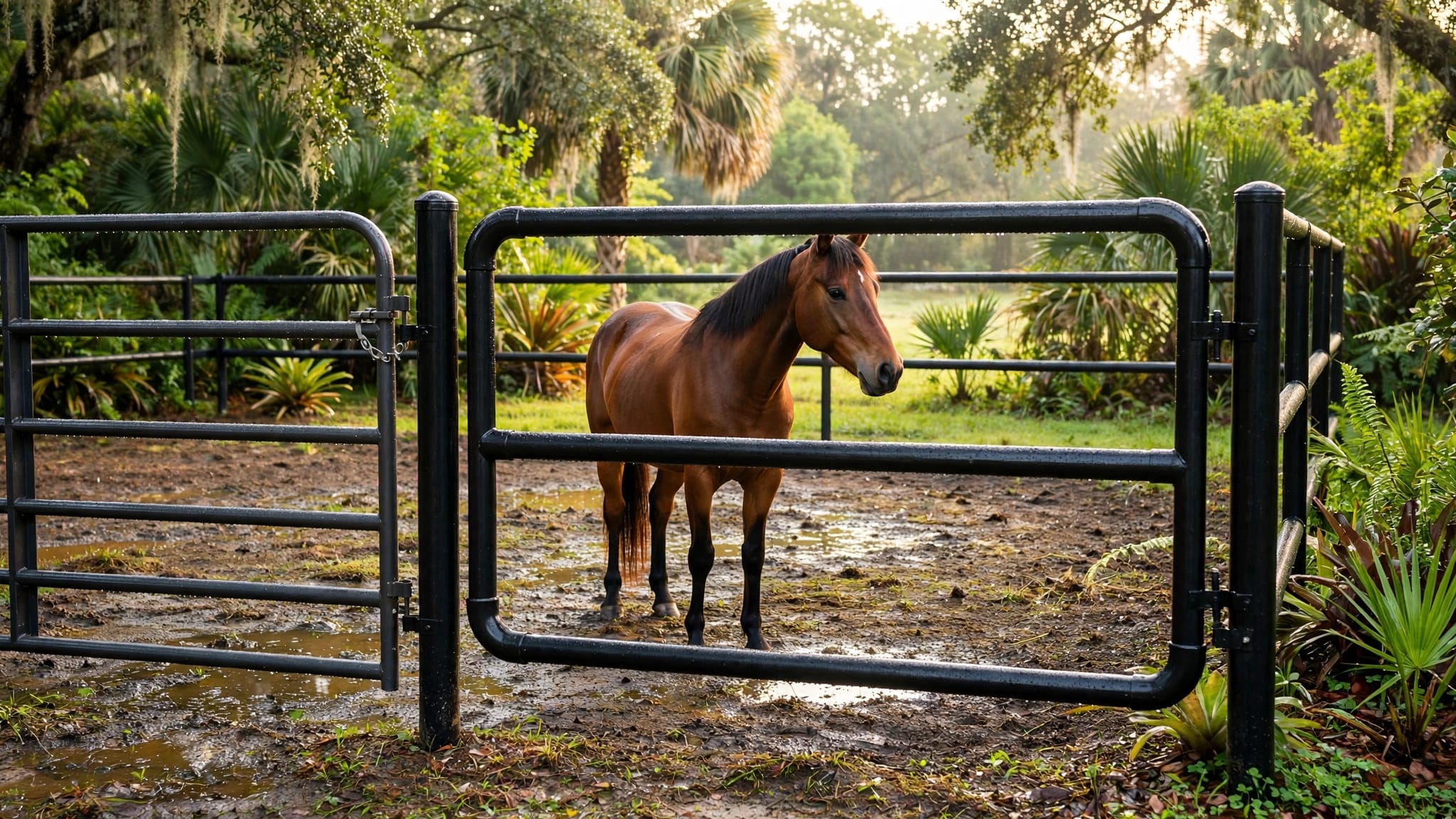
Hardware seals the deal. Hinges, latches, and screws face daily abuse. Standard quotes use basic steel. Better ones specify stainless or galvanized for salt air. Gates need self-closing models if pools are involved.
Questions to ask: "What post size and wall thickness?" "Any coastal hardware upgrades?" Write answers down. Low bids often skimp here, leading to sags by next summer.
For deeper info on styles that boost appeal, check this Cape Coral fence style guide for 2026. It shows how choices fit local lots.
Examine Installation and Labor Details
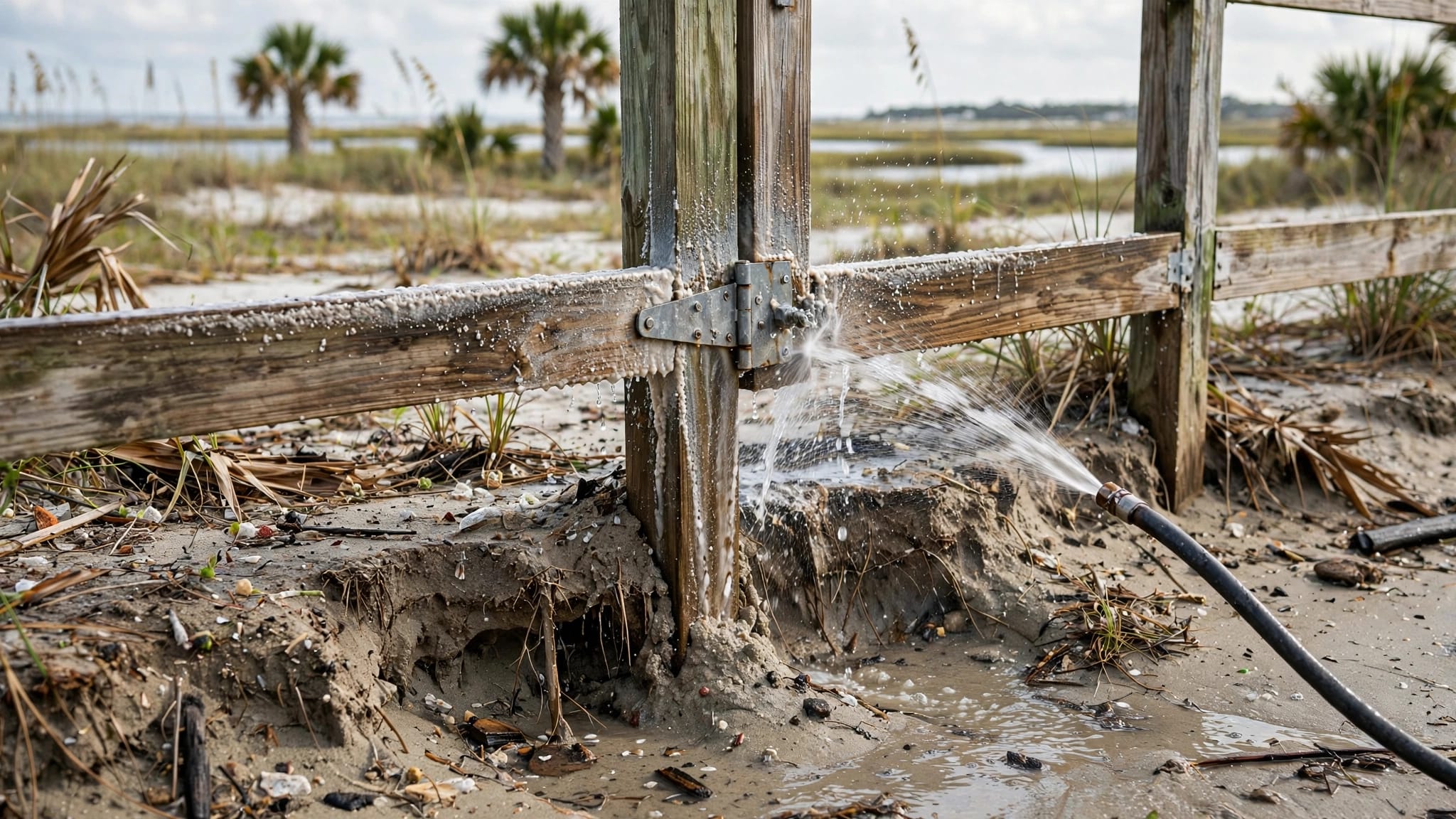
Quotes gloss over this, but it's where quality shows. Post depth keeps fences standing in storms. Cape Coral sandy soil needs 36 to 42 inches, concrete-filled.
Rails attach how? Clips or screws? Gates hang on heavy posts? Sloppy installs lean after wind.
Break it out:
- Post spacing: Every 8 feet max.
- Concrete volume: 1-2 bags per hole.
- Gate hardware: Adjustable hinges?
Labor warranties cover fixes from bad work. Most offer 1-5 years. Longer signals confidence.
Contractors handle gate alignment and tensioning. Ask for crew size and experience. Solo operators stretch timelines. Teams finish faster.
Red flag: Vague lines like "standard install." Demand line-item details.
Factor in Cape Coral Permits and Extras
Local rules change quotes big time. Backyard fences under 6 feet often skip permits. Front yards? 4 feet max, no street blocks. Pools demand 48-inch barriers, self-latching gates, gaps under 4 inches.
Setbacks run 12 inches from lines. Corners need visibility triangles clear. Call 811 for utilities first.
Who pulls permits? Good quotes include it, plus fees ($50-200). They supply site plans too.
Extras add up: Old fence removal, disposal, grading. One quote skips demo? It's lowballing. Storm prep like deeper posts costs more upfront, saves later.
Timeline matters. Dry season (now in April 2026) books fast. Rainy months delay. Aim for 1-2 weeks install.
Review Warranties, Pricing, and Payments
Warranties protect against defects. Labor covers install flaws. Materials handle manufacturer issues. Storms? Usually excluded.
Get terms in writing. Check exclusions like wind or salt corrosion. For Cape Coral specifics, see this Cape Coral fence warranty guide for 2026.
Pricing: $20-45 per foot installed. Vinyl mid-range, aluminum premium. Totals include 10-20% for gates, permits.
Payment: Deposits 30-50%, rest on completion. Avoid 100% upfront. Milestone pays work best: half start, half finish.
Add 10% contingency for changes. Total the true cost.
| Cost Factor | Typical Range |
|---|---|
| Base Install | $20-35/ft |
| Gates | $300-800 ea |
| Permits | $50-200 |
| Removal | $5-10/ft |
Lowest quote wins only if specs match.
Watch for Common Quote Traps
Uneven bids hide tricks. No site visit? Generic numbers flop on sloped yards. Verbal promises? Get them written.
License and insurance proof? Florida requires it. Check for complaints online.
Rush jobs cut corners. Balance speed and quality.
A solid fence adds security, maybe even home value in Cape Coral. Poor ones drain wallets.
Pick Smart and Get Started
Smart comparison boils down to matched specs, quality details, and local savvy. Line up quotes, question gaps, and trust written terms. You'll land a durable fence that fits Cape Coral life.
Ready for fair bids? Get a free fence quote in Cape Coral from licensed pros. Your yard deserves it. What's holding up your project?
(Word count: 982)