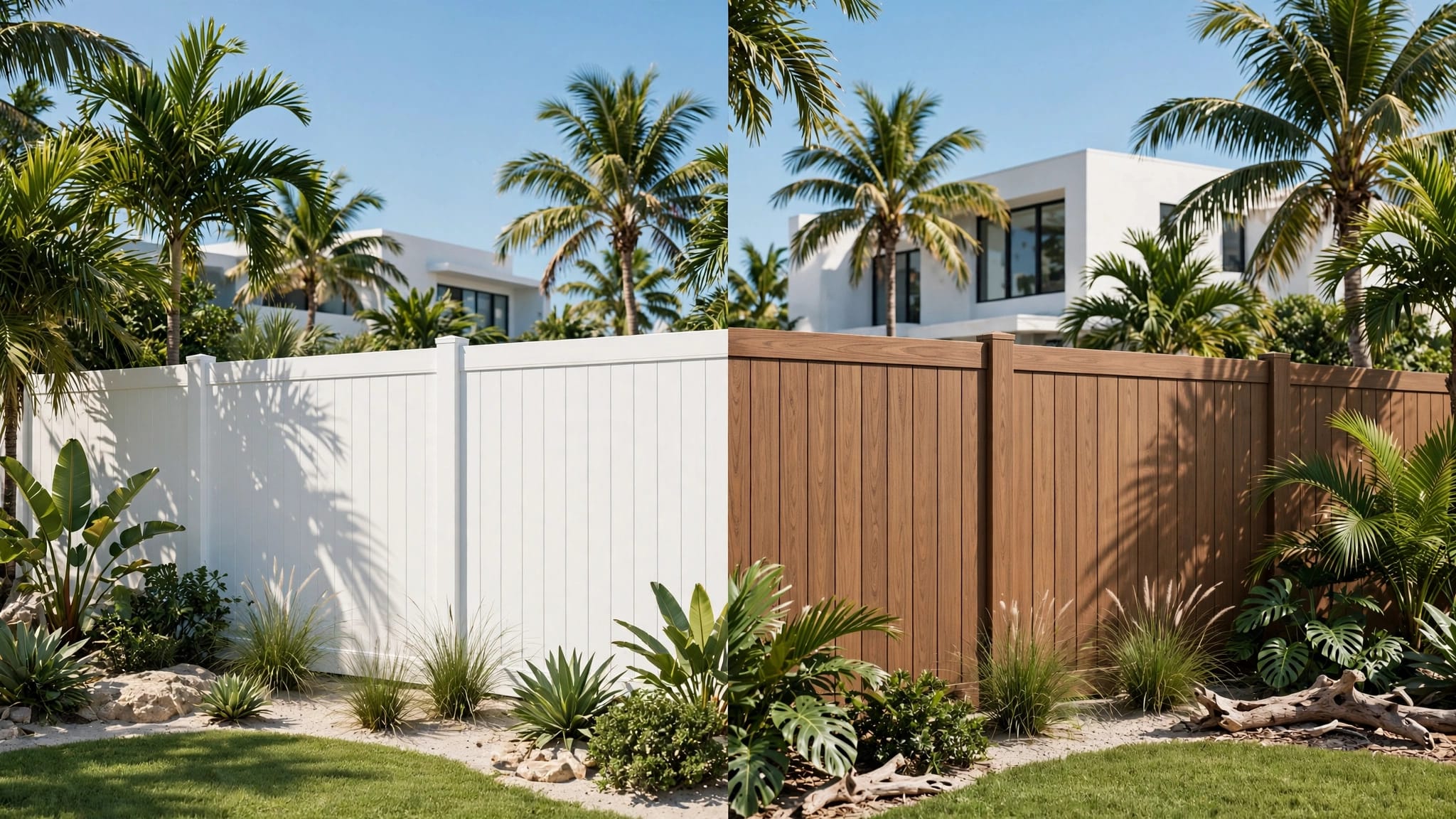
How to Fence a Backyard Garden in Southwest Florida
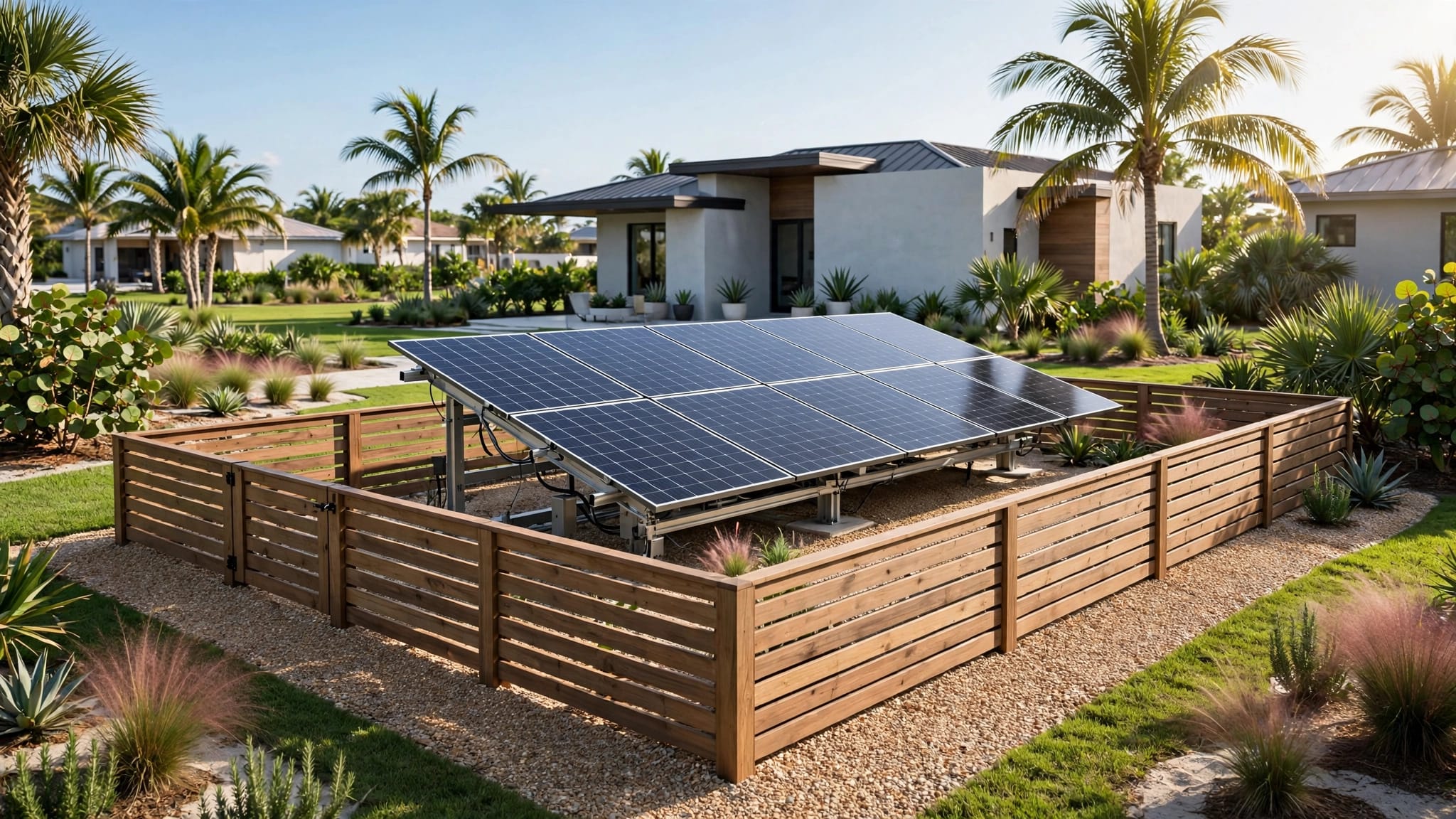
A backyard garden fence has to do more than mark the edge of your planting beds. In Southwest Florida, it must handle heavy rain, sandy soil, salt air, termites, intense heat, and strong storm winds.
The right garden fence for Southwest Florida homeowners should also fit local approval requirements, drainage patterns, utility locations, and HOA rules. Careful planning before installation helps prevent leaning posts, blocked swales, boundary disputes, and expensive changes later.
Key Takeaways
- Check local building requirements and HOA rules before ordering materials.
- Review your survey for property lines, easements, drainage areas, canals, and water features.
- Call Sunshine 811 at least two full business days before digging.
- Arrange a private utility locate for irrigation, pool, septic, well, lighting, and other customer-owned lines.
- Choose vinyl, aluminum, composite, or treated wood based on privacy, maintenance, wind exposure, and salt air.
- Use hot-dip galvanized or stainless steel hardware, especially for gates and post connections.
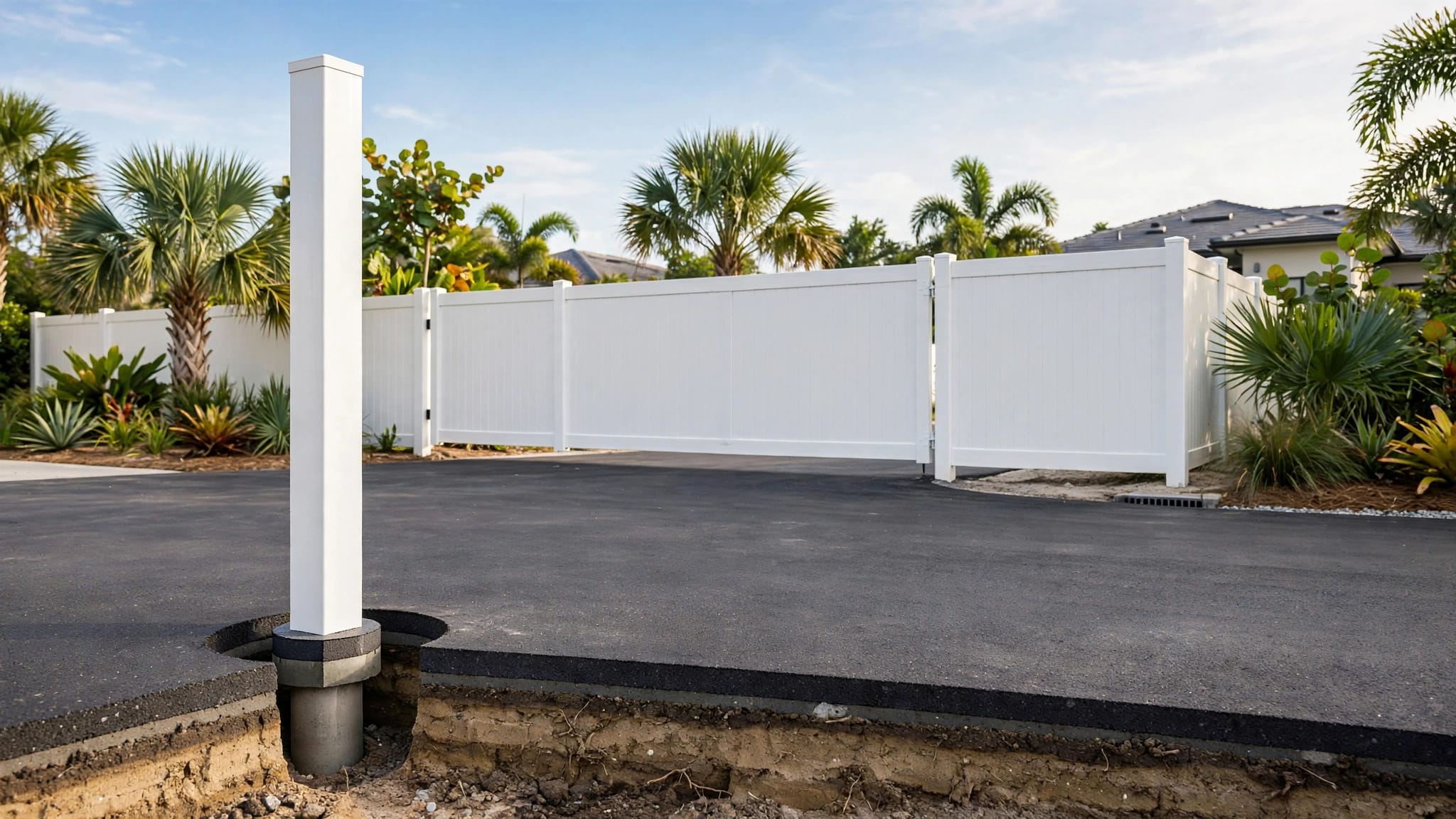
- Give posts extra attention in loose sand, saturated ground, or shell rock.
- Keep solid panels, gates, corners, and line terminals secure because these areas often experience the greatest wind stress.
- Have a licensed and insured contractor confirm the layout before installation begins.
Plan the Garden Fence Before You Dig
A successful fence starts with a clear site plan. Walk the proposed line and mark the garden, gates, sprinkler heads, valve boxes, swales, culverts, easements, and nearby structures. This layout helps you avoid placing posts where irrigation equipment, drainage features, or underground services already exist.
Keep the fence far enough from garden beds to allow weeding, mowing, pruning, and wheelbarrow access. A narrow strip between the fence and planting area can become difficult to maintain, especially when St. Augustine, Bermuda, or Zoysia grass spreads underneath the panels.
Check local and HOA requirements
Florida doesn't have one statewide fence permit or footing rule for every residential property. Cities and counties may regulate fence placement, drainage, setbacks, easements, corner-lot visibility, and access near roads or water.
Your HOA or architectural review committee may have separate rules for height, color, material, gate placement, and location. HOA approval doesn't replace a local permit, and a permit doesn't replace HOA approval. Review both before purchasing materials.
If the garden fence is near a canal, retention pond, pool, roadside ditch, or driveway culvert, ask the appropriate local office what restrictions apply. Some locations may require open fencing, drainage access, or additional clearance.
Use a survey and complete site plan
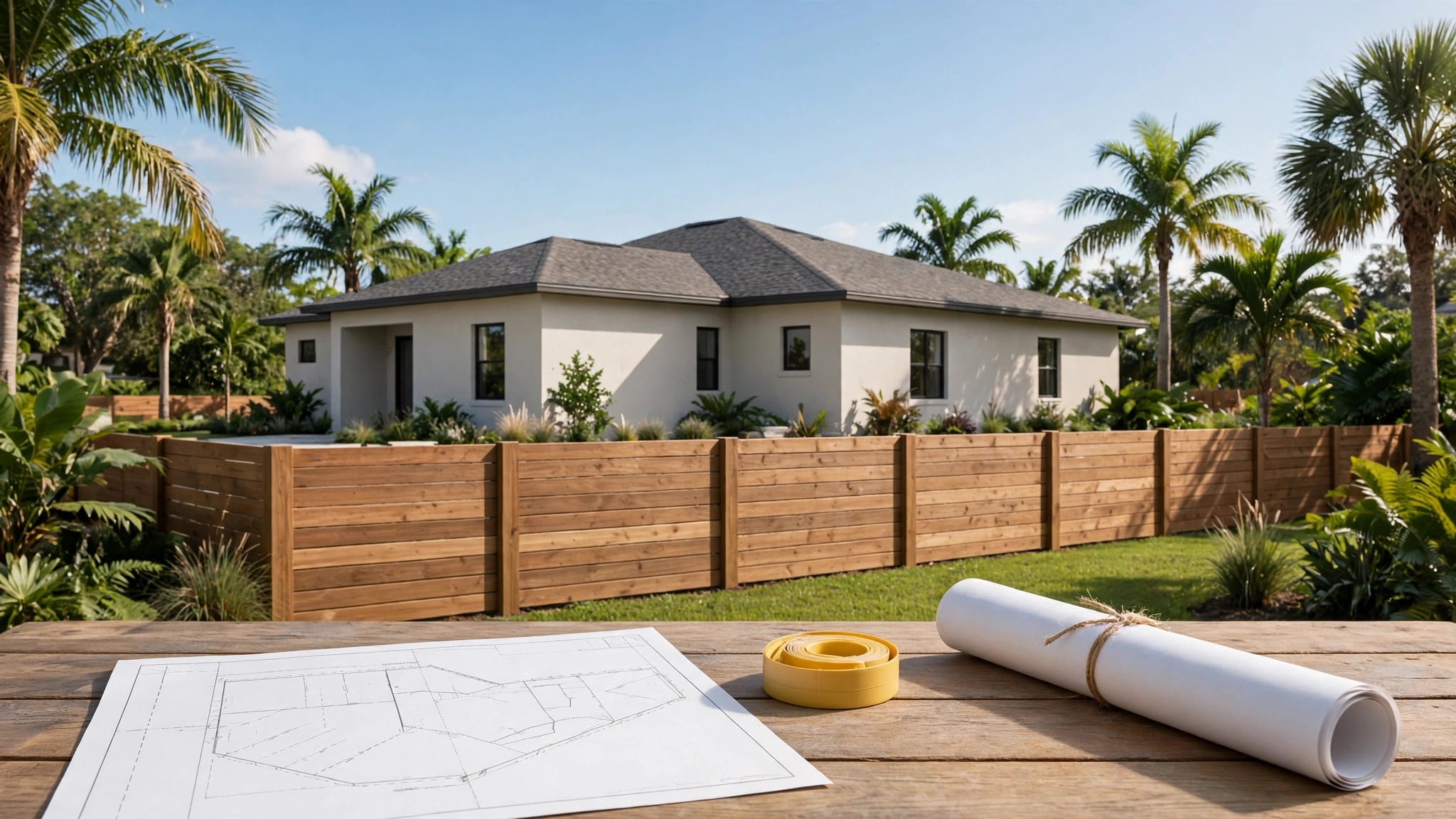
A current survey gives you a stronger starting point than measuring from an existing hedge, sidewalk, or neighbor's fence. Show the property dimensions, fence lines, gates, nearby roads, water bodies, easements, and proposed height on your site plan.
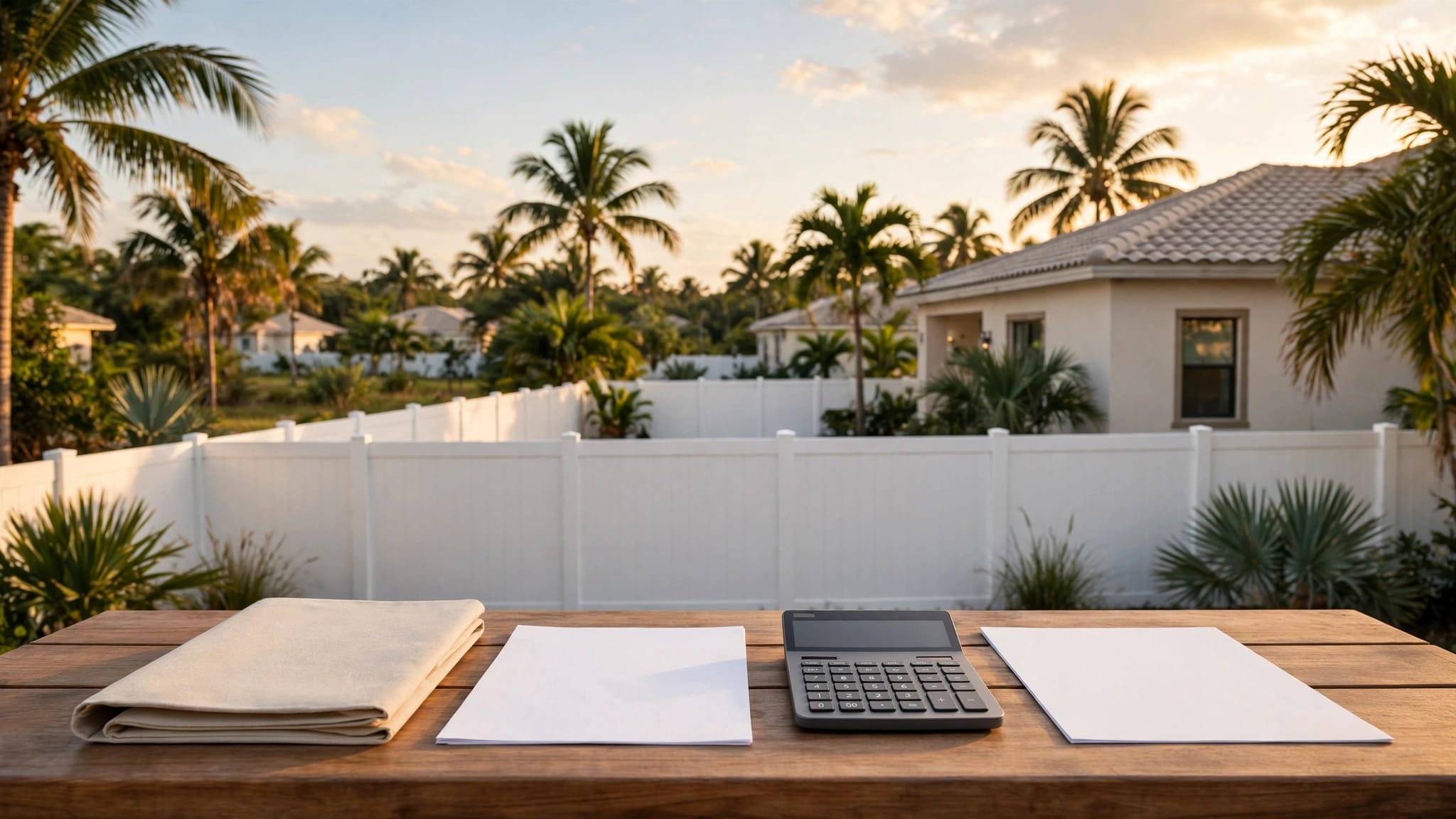
Local offices may request different documents. Possible items include a survey, site plan, utility easement agreement, HOA affidavit, or other property records. Confirm the current list with your building department.
Match the approved plan to the fence that gets built. Changing the location, height, gate, or material after approval can create delays or require another review.
Call Sunshine 811 Before Setting Posts
Fence posts require digging, even when the project looks small. Before breaking ground, submit a ticket through Sunshine 811 by calling 811 or using its online system.
Florida guidance commonly says to allow at least two full business days, or at least 48 hours excluding Saturdays, Sundays, and legal holidays. Wait for a Positive Response from every utility involved before digging.
Understand what public utility locating covers
Sunshine 811 can help identify participating utility lines connected to services such as electric, telephone, and cable. The markings show where those lines are believed to run, but they don't remove the need for careful digging.
Markings may need to be refreshed if the project is delayed. One Florida government reference describes utility marks as valid for 30 calendar days, so confirm the timing for your ticket before work begins.
Locate private lines separately
811 doesn't automatically mark every line on your property. Irrigation pipes, pool equipment lines, well systems, septic components, landscape lighting, and wiring to detached structures may be privately owned.
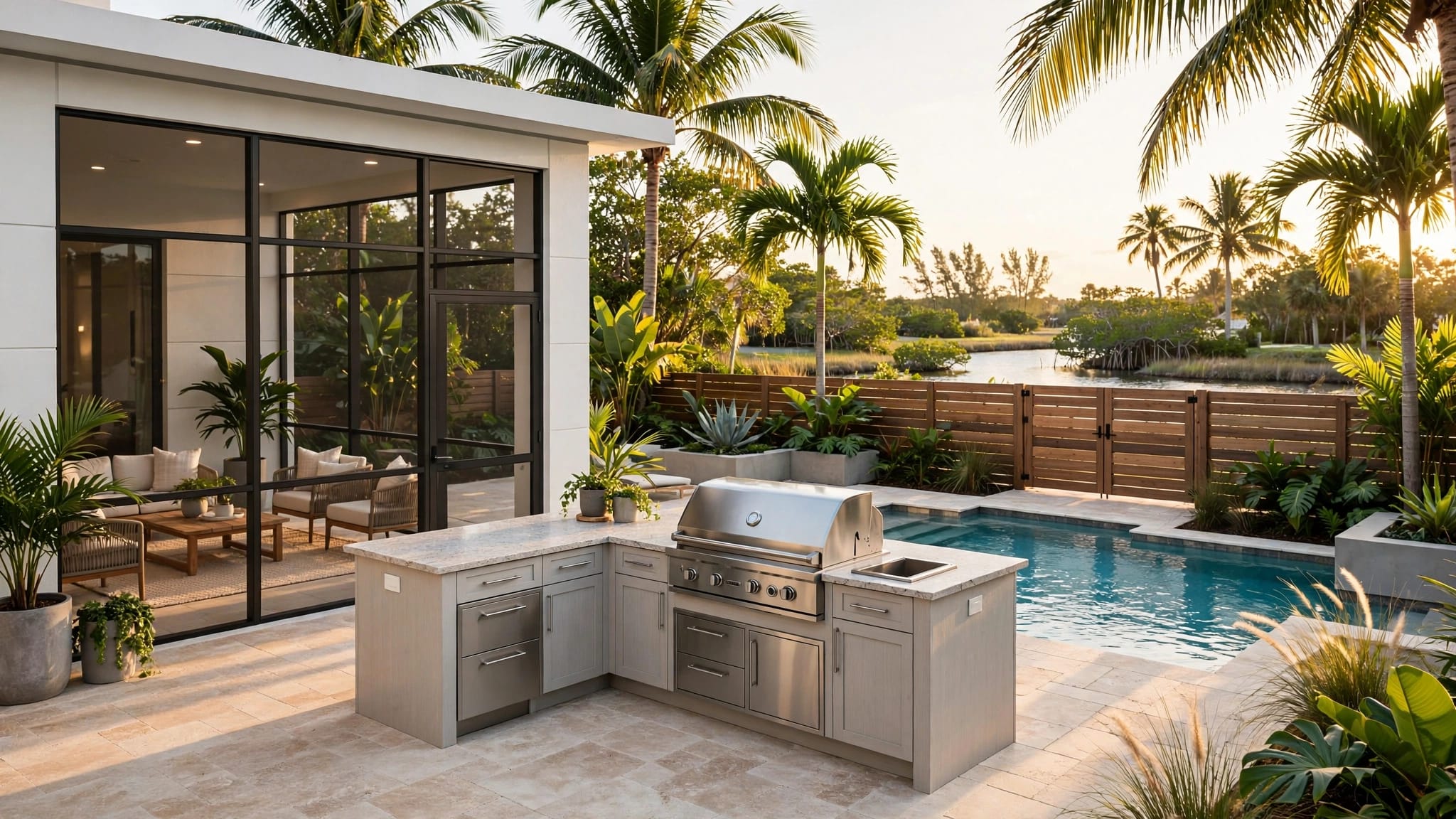
Ask your fence contractor to review the yard with you. A private utility locator may be needed before digging in areas with irrigation, a pool, an outdoor kitchen, a shed, or landscape lighting.
A fence post can miss a marked utility and still damage an unmarked private line. Treat irrigation and other private systems as a separate locating job.
Choose Materials for Southwest Florida Conditions
A garden fence Southwest Florida homeowners install should match the yard's exposure and the amount of maintenance they want to handle. Salt air and frequent rain can attack ordinary steel hardware, while heat and moisture can shorten the life of untreated wood.
| Material | Local strengths | Main concerns | Good fit |
|---|---|---|---|
| Vinyl or PVC | Resists moisture and cleans easily | Can expand, flex, or develop brittle spots | Low-maintenance garden enclosure |
| Powder-coated aluminum | Resists corrosion and keeps sightlines open | Provides less privacy than solid panels | Coastal yards, pool areas, and decorative borders |
| Composite | Handles moisture and reduces routine staining | Can weigh more and cost more than basic options | Semi-private garden fencing |
| Treated wood | Warm appearance and flexible design | Requires upkeep and faces rot, warping, and termites | Privacy gardens where maintenance is acceptable |
No material is maintenance-free in a humid Florida yard. Shade, sprinklers, mulch, and poor drainage can encourage mildew or moisture damage. Good spacing and regular cleaning help every fence type perform better.
Select hardware for humidity and salt air
Use hot-dip galvanized or stainless steel fasteners where possible. This matters most at hinges, latches, brackets, rails, and post connections.
Near the Gulf, a canal, or a bay, salt can corrode ordinary hardware faster than it would inland. Ask how the contractor will protect the gate frame and other moving components, since gates often show corrosion and looseness before the fence panels do.
Wood projects need treated lumber and a design that limits direct contact with soil. Keep the bottom of the fence clear enough to dry after rain, and inspect lower boards for decay or insect damage.
Design for Sand, Rain, Termites, and Wind
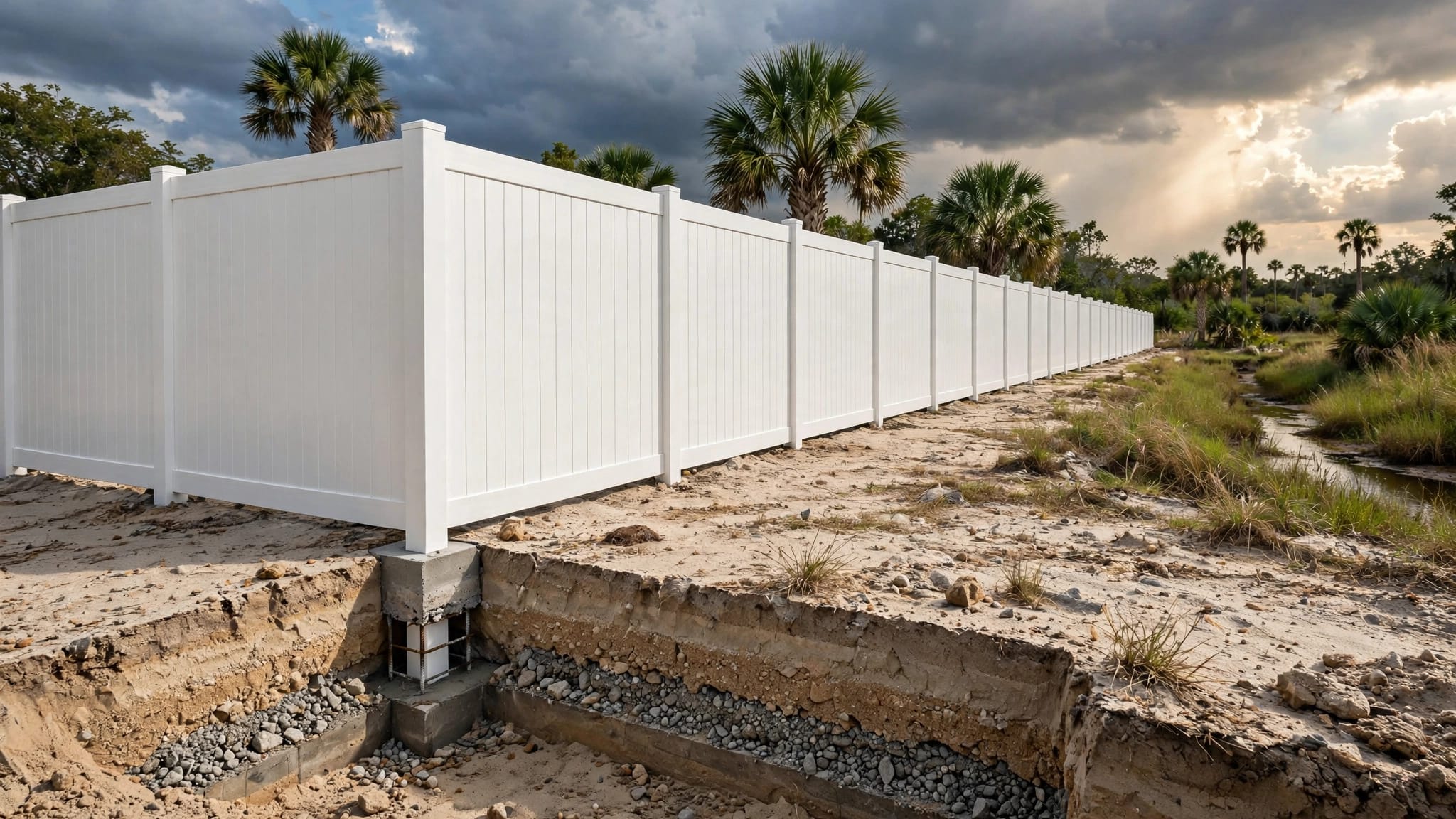
Southwest Florida soil conditions vary by property. Loose sand may be easy to dig but can provide less lateral support around a post. Shell rock can make digging slower and harder, while saturated ground after heavy rain can reduce stability.
A durable garden fence depends on post depth, footing design, spacing, drainage, and the fence's exposed surface area. Your contractor should review the actual site rather than relying on a standard installation method for every yard.
Give posts room to stay stable
Keep post holes away from swales, sprinkler boxes, culverts, and areas that collect runoff. Water that repeatedly flows against a post can wash out surrounding soil or leave the footing in saturated ground.
Where shell rock is present, an auger may drift off line or stop against hard material. The installation plan may need different equipment or a revised post location. Don't force the fence line through a drainage feature simply to preserve an original sketch.
Wood posts need special attention near soil lines and damp corners because termites and decay can attack those areas. Inspect treated wood regularly, especially where irrigation sprays the fence each morning.
Reduce wind pressure
Solid privacy panels catch more wind than pickets or slatted designs. That doesn't make solid fencing unsuitable, but it does increase the importance of sturdy posts, proper spacing, sound connections, and secure gates.
Wind damage often begins at corners, end posts, line terminals, and gate hardware. Use stronger support in exposed locations, and ask whether a semi-private design would provide enough screening with less surface area.
A garden fence Southwest Florida properties can keep through repeated storms needs more than attractive panels. The posts and connections must receive as much attention as the visible fence boards.
Build the Fence in a Controlled Sequence
After approvals, utility clearance, and material selection, walk the line with the installer before any holes are opened. Confirm the property boundary, gate swing, garden access, drainage paths, and relationship to existing hardscape.
If the fence is shared with a neighbor, put the agreement in writing. Include the location, style, maintenance duties, access rights, and payment responsibilities. This step can prevent disagreements after installation.
Set out posts and gates carefully
Use stakes and string to show the complete fence line. Check corners and gate openings from several angles. Gates need enough clearance to swing without hitting plants, irrigation boxes, pavers, or a sloped section of lawn.
Leave access for wheelbarrows, hoses, compost deliveries, and garden equipment. A narrow gate may look neat but become frustrating during planting season.
Inspect the installation before sign-off
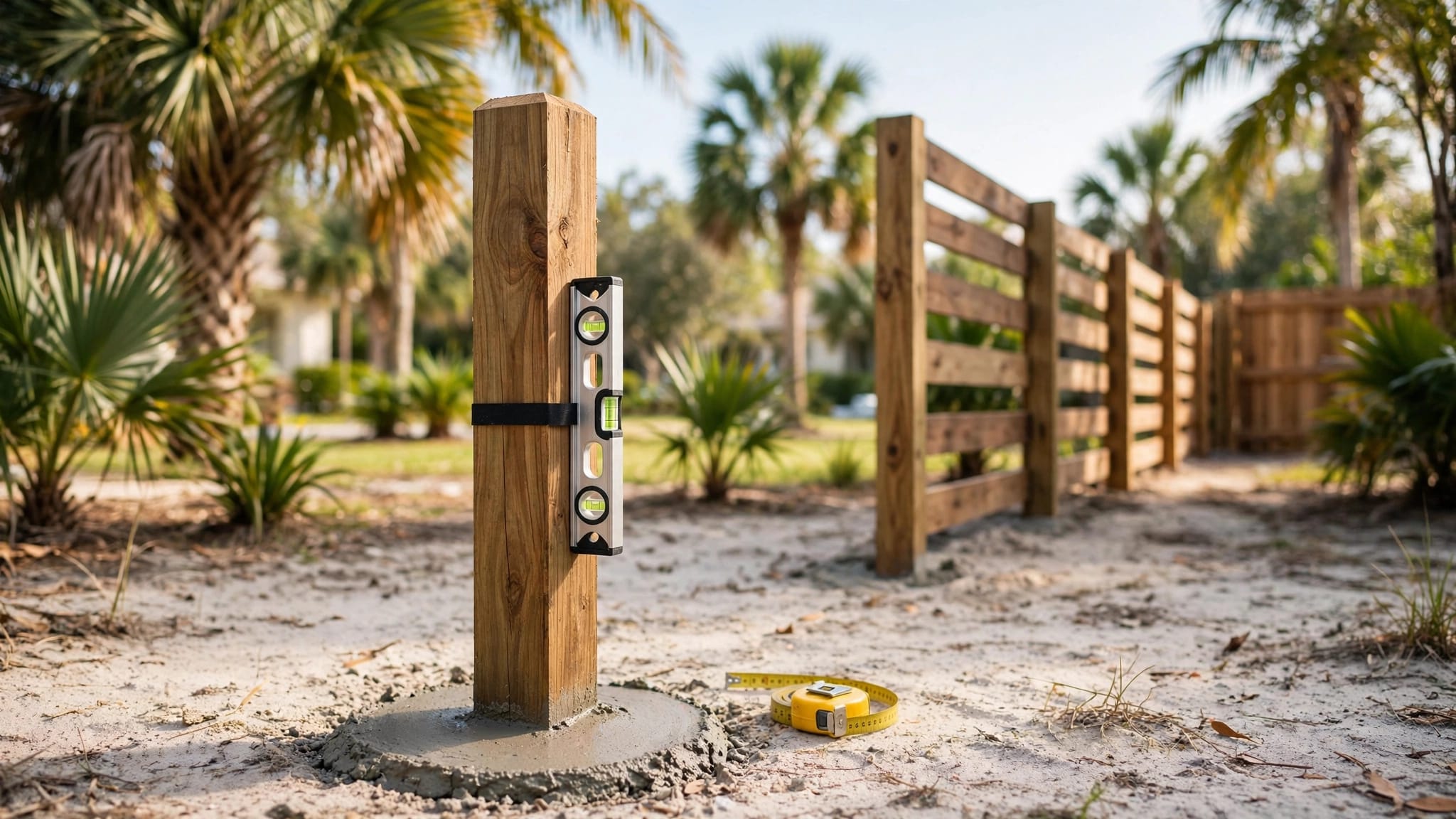
Check that posts are plumb, rails are secure, panels sit at a consistent height, and gates latch without dragging. Look for loose fasteners, sharp edges, gaps that allow pets to escape, and low spots where water can collect.
Keep permit records, approval documents, product information, and inspection results. If the project includes a pool or connects to an existing pool barrier, confirm that the completed fence still meets the applicable safety requirements.
Maintain the Fence Through the Wet Season
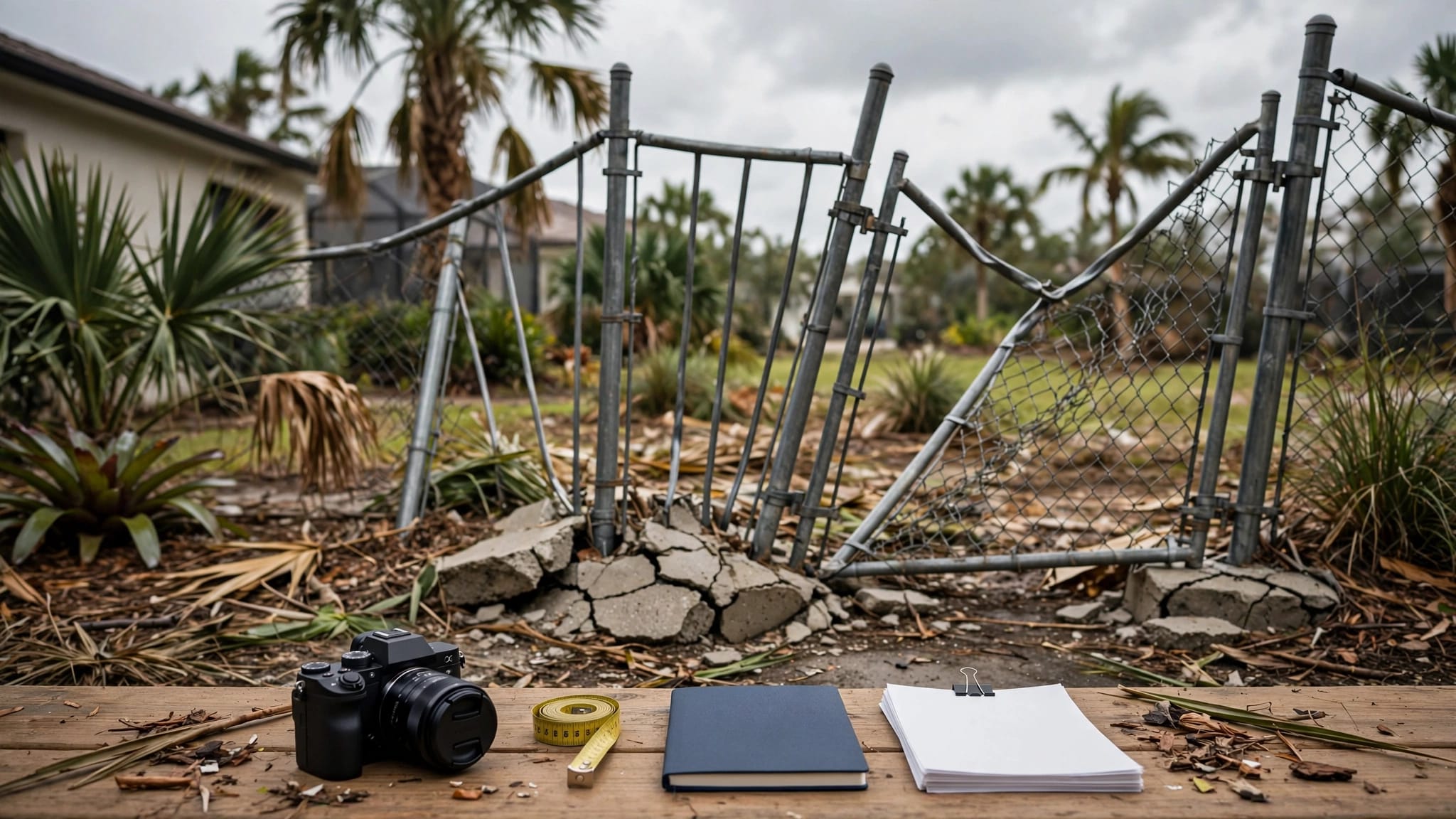
Southwest Florida fences benefit from short, regular inspections. Walk the line after periods of heavy rain and after strong wind. Look for leaning posts, loose gate hardware, rattling panels, washouts, rust stains, mildew, and termite activity.
Rinse salt and dirt from coastal fences with fresh water. Trim plants away from the panels so air can circulate and vines don't pull on rails or trap moisture. Redirect sprinkler heads that spray the fence every day.
Keep grass and weeds from pressing against the bottom rail. A narrow maintenance strip, careful trimming, or an approved barrier treatment can reduce repeated contact with damp turf.
Wood needs the most attention. Check for soft boards, cracked rails, peeling finish, and dark areas near the ground. Seal or refinish the wood according to its condition and the product instructions, preferably before the rainy season.
Frequently Asked Questions
What is the best garden fence material for Southwest Florida?
There isn't one best material for every property. Vinyl works well when you want moisture resistance and privacy with limited upkeep. Powder-coated aluminum suits open designs, coastal conditions, and locations where visibility matters. Composite can provide a heavier semi-private option, while treated wood offers a warm appearance when you're prepared for regular maintenance.
Your HOA rules, wind exposure, salt exposure, drainage, and budget should guide the final choice.
Do I need a permit for a backyard garden fence?
Permit requirements depend on the city or county, the fence location, the property type, and site conditions. Corner lots, waterfront properties, drainage features, easements, pool barriers, and unusual grades can change the review process.
Check with the local building department before ordering materials. Ask who will submit the application, which documents are required, whether inspections apply, and when installation may begin.
Does HOA approval replace a local permit?
No. HOA approval and local permitting are separate processes. An HOA may approve the color and style while the building department reviews placement, drainage, safety, or property conditions.
Get written HOA approval before ordering the fence, then submit the local application with the approved layout when required.
How far should a fence be from my property line?
Don't assume a standard distance applies throughout Southwest Florida. The answer can depend on local rules, easements, roads, canals, drainage areas, and your survey.
Have the line verified before installation. A licensed fence contractor can help coordinate the layout, but property-boundary questions may require a current survey or professional land surveyor.
Conclusion
The best garden fence Southwest Florida homeowners choose starts with the property, not the product catalog. Confirm the boundary, approvals, easements, drainage, and utility lines before selecting a material and setting posts.
Vinyl, aluminum, composite, and treated wood can all work when the design matches the site's heat, moisture, salt, termites, soil, and wind exposure. With a clear plan and careful installation, your fence can protect the garden while remaining easier to maintain through Florida's toughest weather.