How to Plan a Florida Rain Garden Fence
A rain garden can manage stormwater beautifully until a fence blocks the water, limits maintenance access, or creates a permit problem. Planning a Florida rain garden fence requires more than measuring the property line and choosing a material.
Southwest Florida homeowners need to account for heavy rain, sandy or poorly draining soil, mosquitoes, strong winds, drainage easements, floodplain rules, utilities, and HOA standards. Start with the rain garden's function, then design the fence around the site conditions and approved plans.
Start With the Rain Garden, Not the Fence
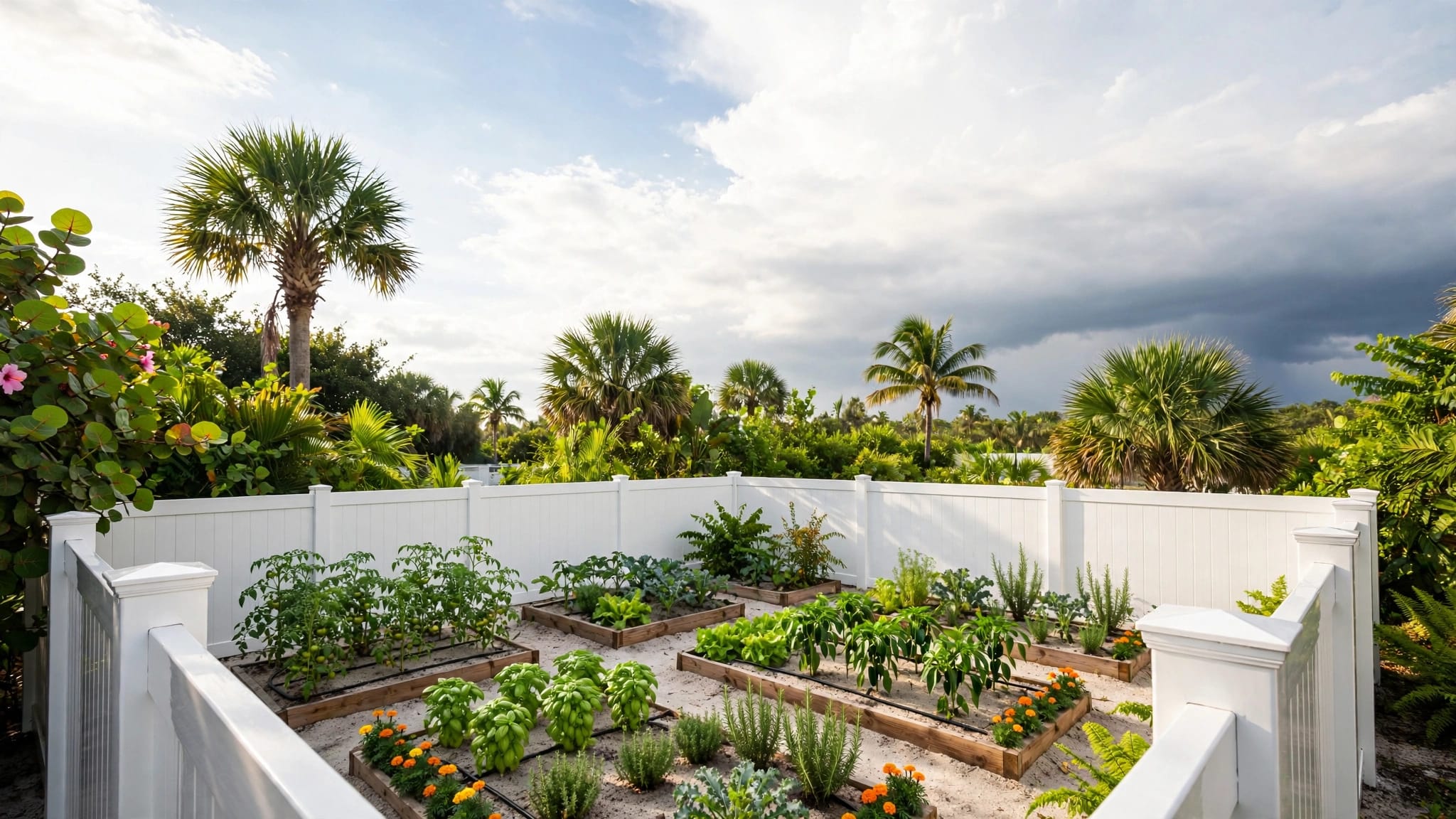
A rain garden needs a clear path for runoff and enough space for inspection, planting, mowing, and repairs. The fence should protect the area without changing how water enters or leaves it.
Confirm how quickly the garden drains
A functioning rain garden should drain soon after rainfall. The U.S. Environmental Protection Agency describes a typical rain garden as an area that shouldn't hold standing water for more than about a day, except after unusually large storms. Regional guidance often uses a three-day drainage target when discussing mosquito control.
These timeframes are useful planning references, not a single Florida-wide legal requirement. If water remains for several days after ordinary rain, investigate the soil and grading before installing a fence. Sandy soil may drain quickly, while compacted fill or poorly draining soil can keep the basin wet.
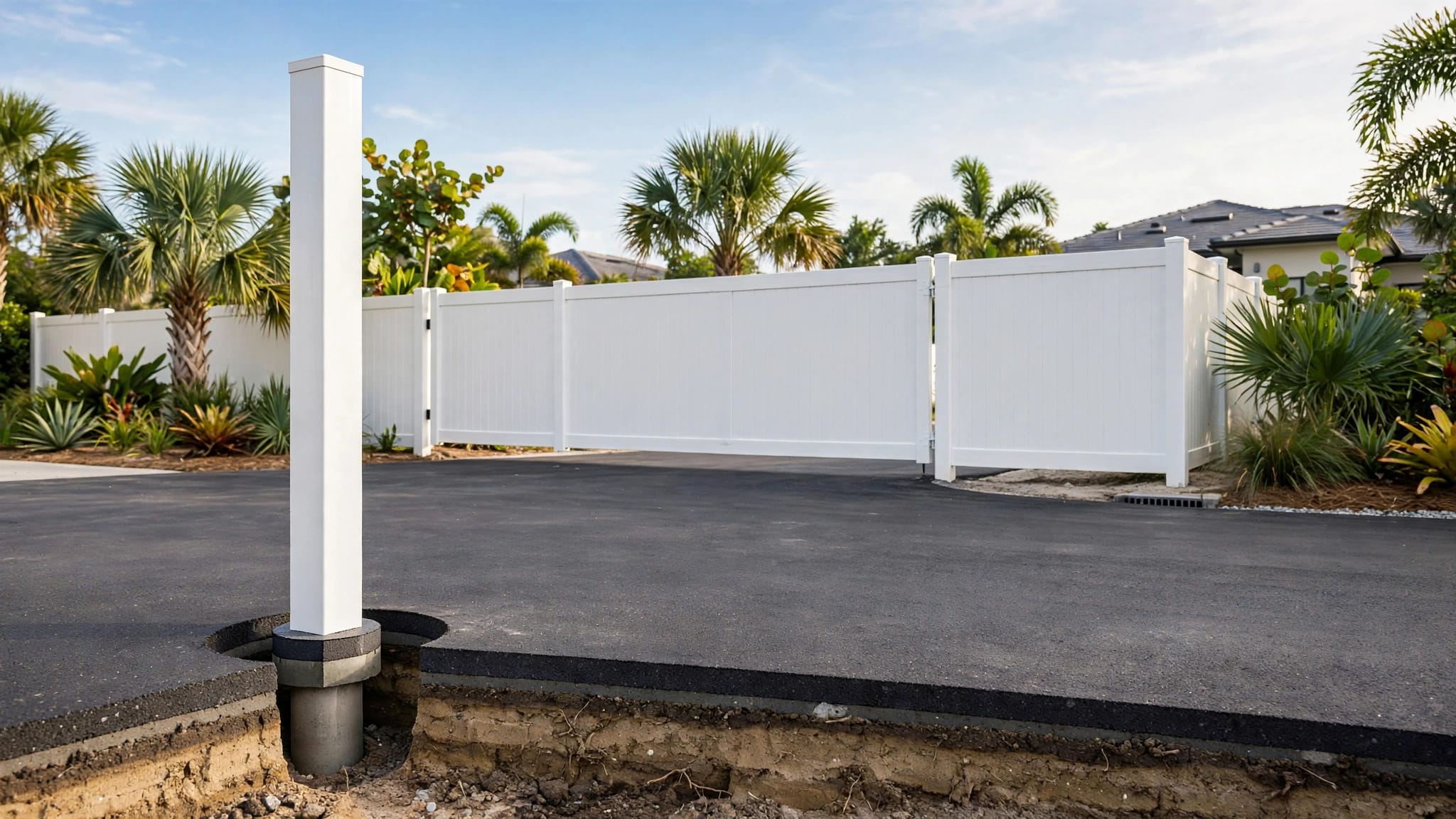
Keep fence posts, concrete footings, and compacted soil away from the garden's lowest area whenever possible. A post line placed across an inflow channel can redirect runoff toward a home, sidewalk, neighboring property, or pool deck.
Leave room for plants and maintenance
Choose plants suited to wet and periodically dry conditions. Florida-native options can include black-eyed Susan, blue-eyed grass, climbing aster, dotted horsemint, Fakahatchee grass, muhly grass, netted chain fern, rain lily, and white-topped sedge.
Avoid placing the fence so close to the planting bed that workers cannot remove debris, spread mulch, trim vegetation, or inspect the basin. EPA maintenance guidance includes removing debris and refreshing mulch as needed.
A small gate near the rain garden can help homeowners bring in tools without stepping into wet soil. If a neighborhood association or drainage provider needs access, the gate location may need to appear on the site plan.
A fence should protect the rain garden without turning routine maintenance into a removal project.
Map the Fence Against Water, Easements, and Utilities
The most reliable layout begins with a current survey, plat, or site plan. Mark the property lines before selecting the fence line, especially when the garden sits near a canal, swale, pond, ditch, or shared boundary.
Check boundaries, drainage paths, and utilities
Mark these features on the working plan:
- Property lines and corners
- The rain garden basin, overflow route, and inflow points
- Drainage, utility, access, and conservation easements
- Sprinkler heads, irrigation valves, cleanouts, and utility boxes
- Sidewalks, driveways, canals, ponds, swales, and roadside ditches
- Gate locations and the direction of gate swings
A fence can sit entirely inside the property and still interfere with an easement or drainage function. Retention areas often need room for mowing equipment, inspections, and repairs. Review these Florida fence rules near retention ponds before placing posts beside a pond or drainage feature.
Call 811 before digging as a prudent safety step, and confirm other utility-marking requirements with the local authority and contractor. Utility markings may not identify every private irrigation line, drainage pipe, or low-voltage cable, so include those features in the site review.
Review floodplain and floodway limits
Floodplain requirements can change the design. A fence in or near a floodway may obstruct water, collect debris, redirect flow, or contribute to higher flood levels. Lee County flood rules restrict fences in floodways unless the required analysis and documentation show that the installation won't increase the base flood elevation.
Check the FEMA flood map and ask the local floodplain manager which rules apply to your parcel. A rain garden near a canal or retention area deserves extra attention because the fence may affect both everyday drainage and stormwater movement during a major event.
Open-style fencing may create fewer flow concerns than a solid barrier in some locations, but material choice does not replace code review. The approved placement and flood requirements control the project.
Choose a Florida Rain Garden Fence That Fits the Site
Fence material affects airflow, maintenance, storm exposure, and the amount of space needed for gates and posts. The right choice depends on the lot, the drainage feature, local rules, and the level of privacy you want.
Compare solid and open designs
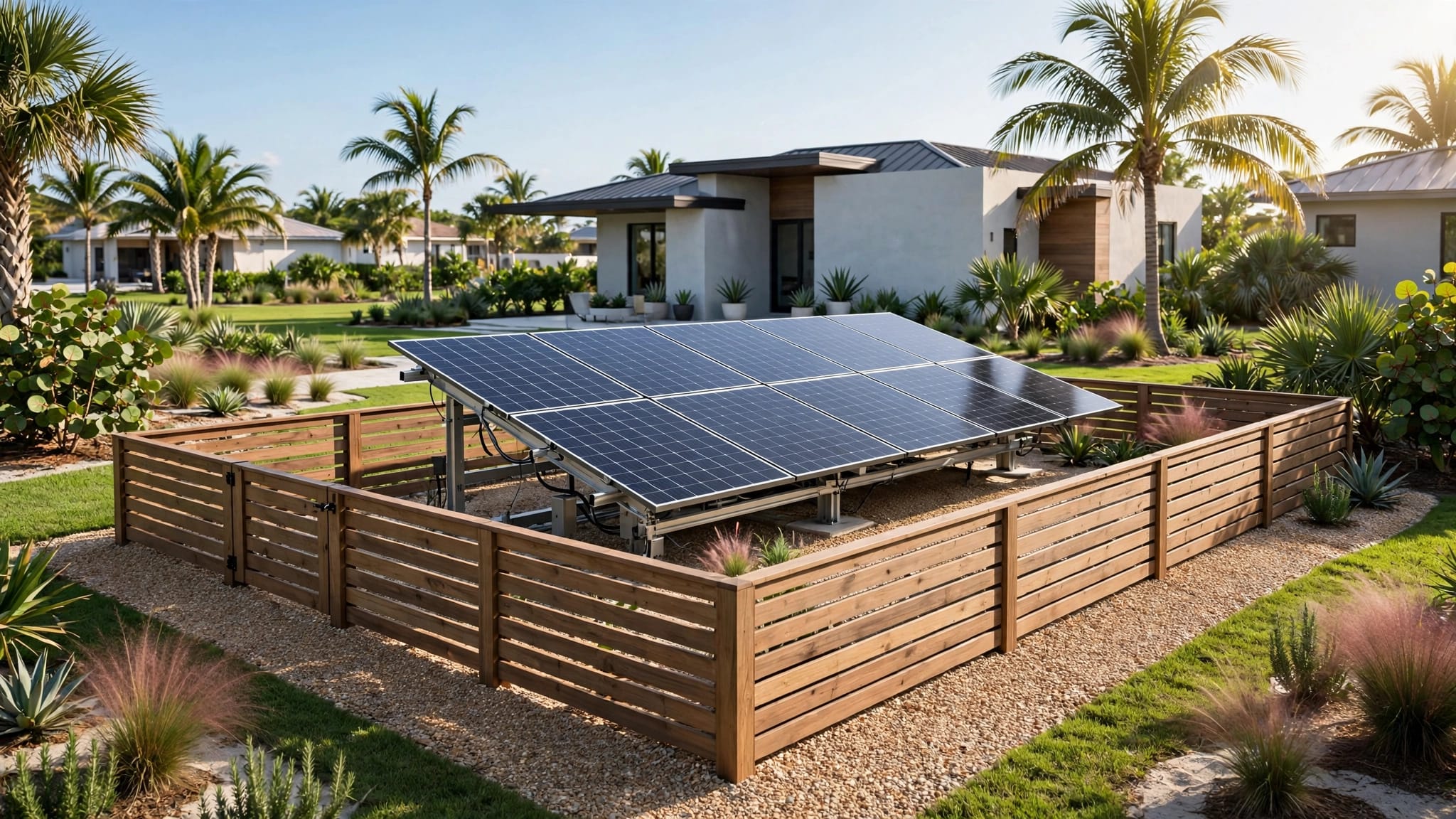
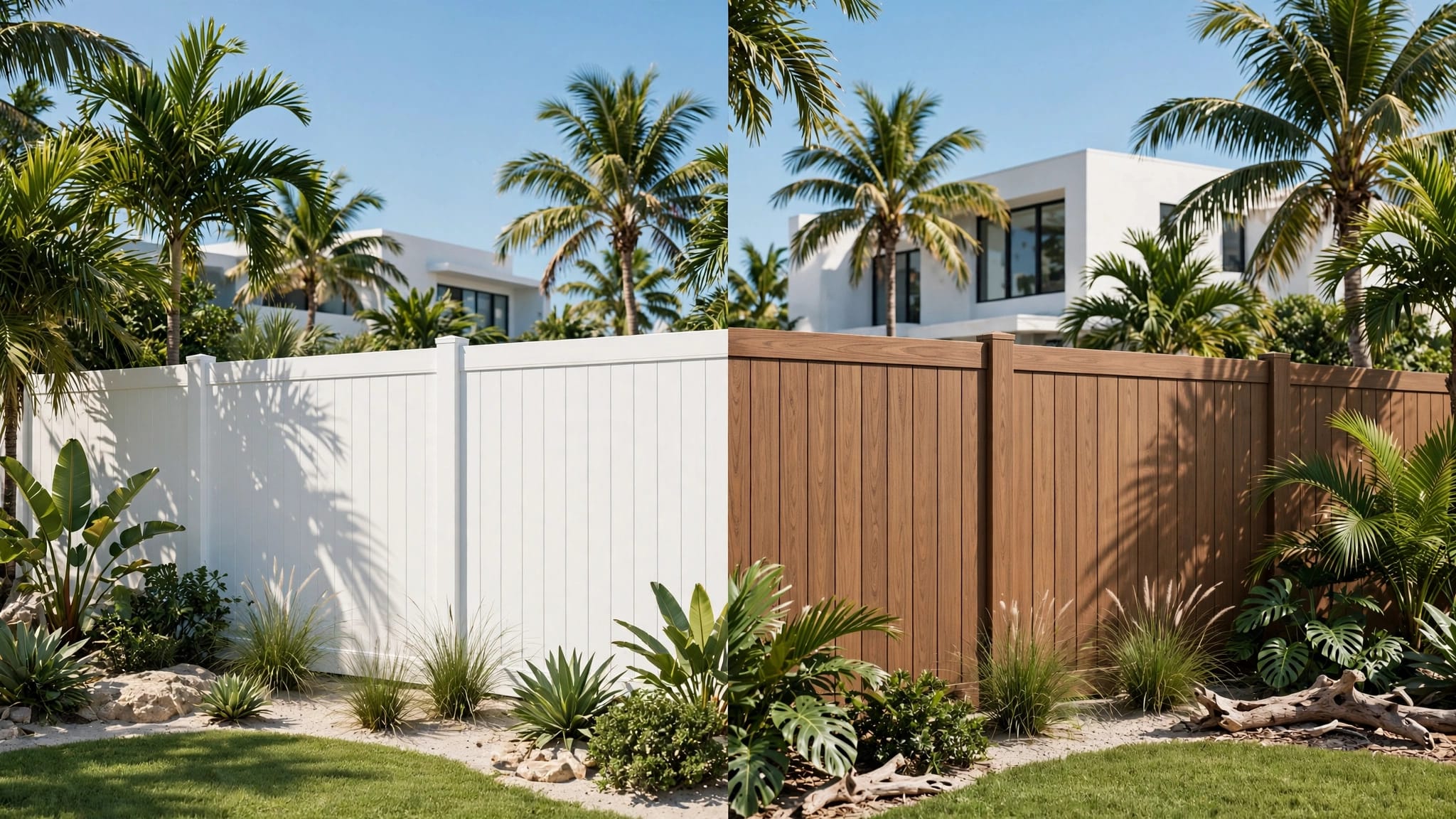
Vinyl can provide privacy and resist routine moisture exposure, but broad solid panels catch more wind than open fencing. Aluminum and open mesh allow visibility and airflow, which may be useful near a rain garden, canal, or flood-sensitive area. Wood can complement native planting, although it needs regular attention in Florida's humid conditions.
Chain link uses an open design and can preserve visibility around the basin. However, some HOAs restrict chain link or require specific colors, slats, or screening. A black open-style fence may fit one community while violating another's design standards.
For a garden beside a sidewalk or street, visibility may matter more than privacy. A lower or open fence can help drivers, pedestrians, and maintenance crews see the drainage area. For a backyard rain garden, a taller design may work if it meets height, setback, drainage, and HOA requirements.
Plan for wind, rain, and saturated soil
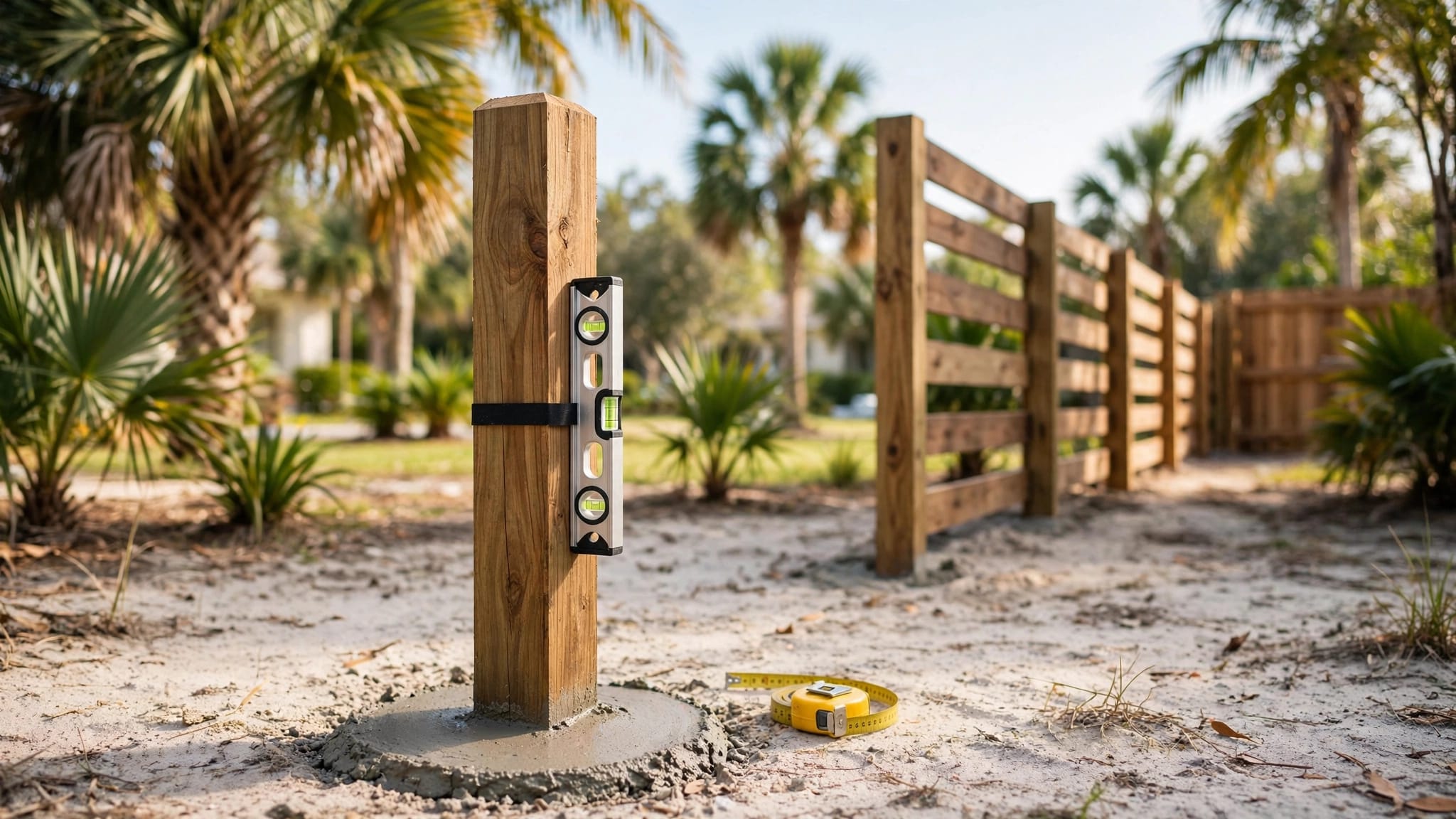
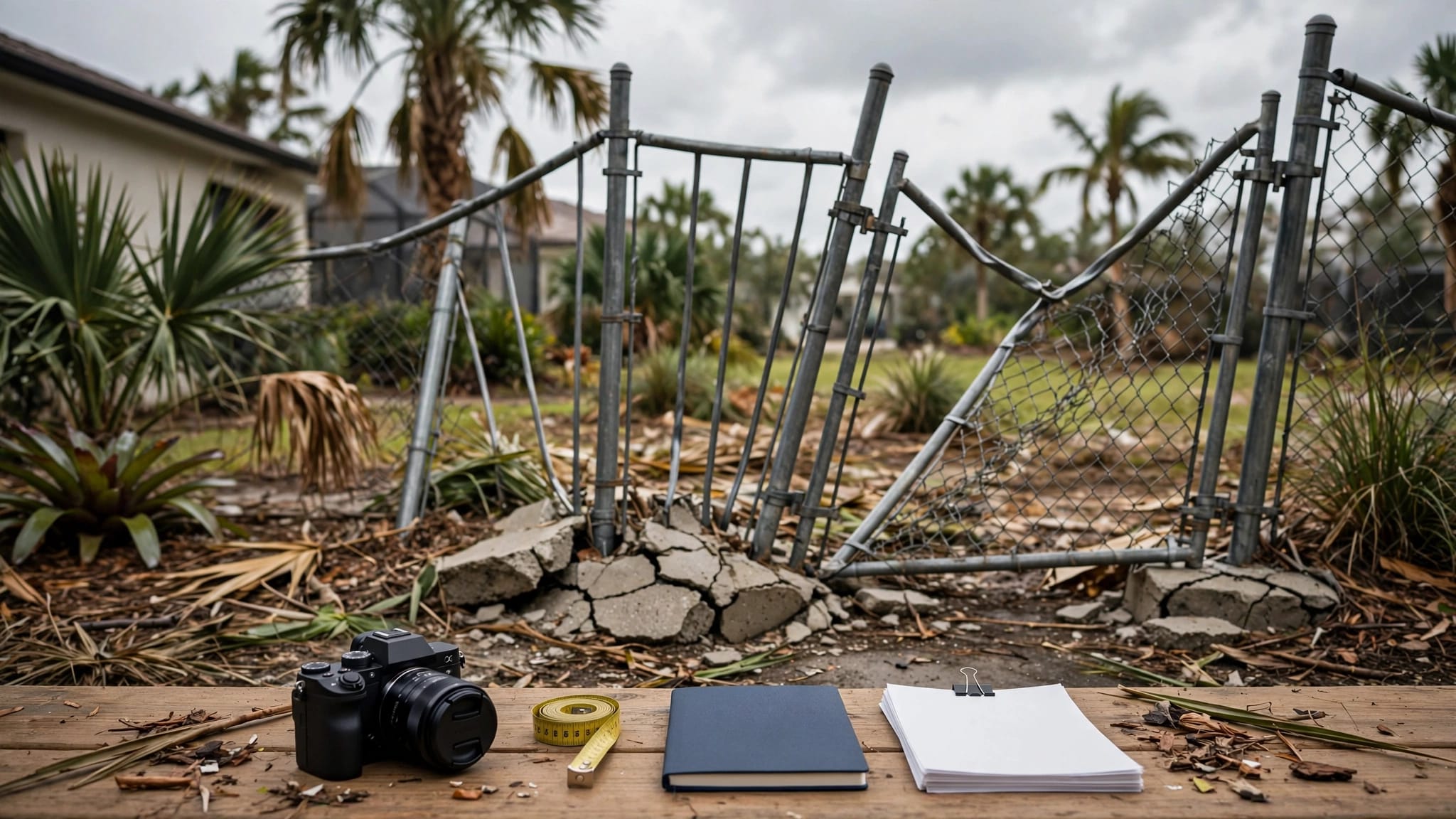
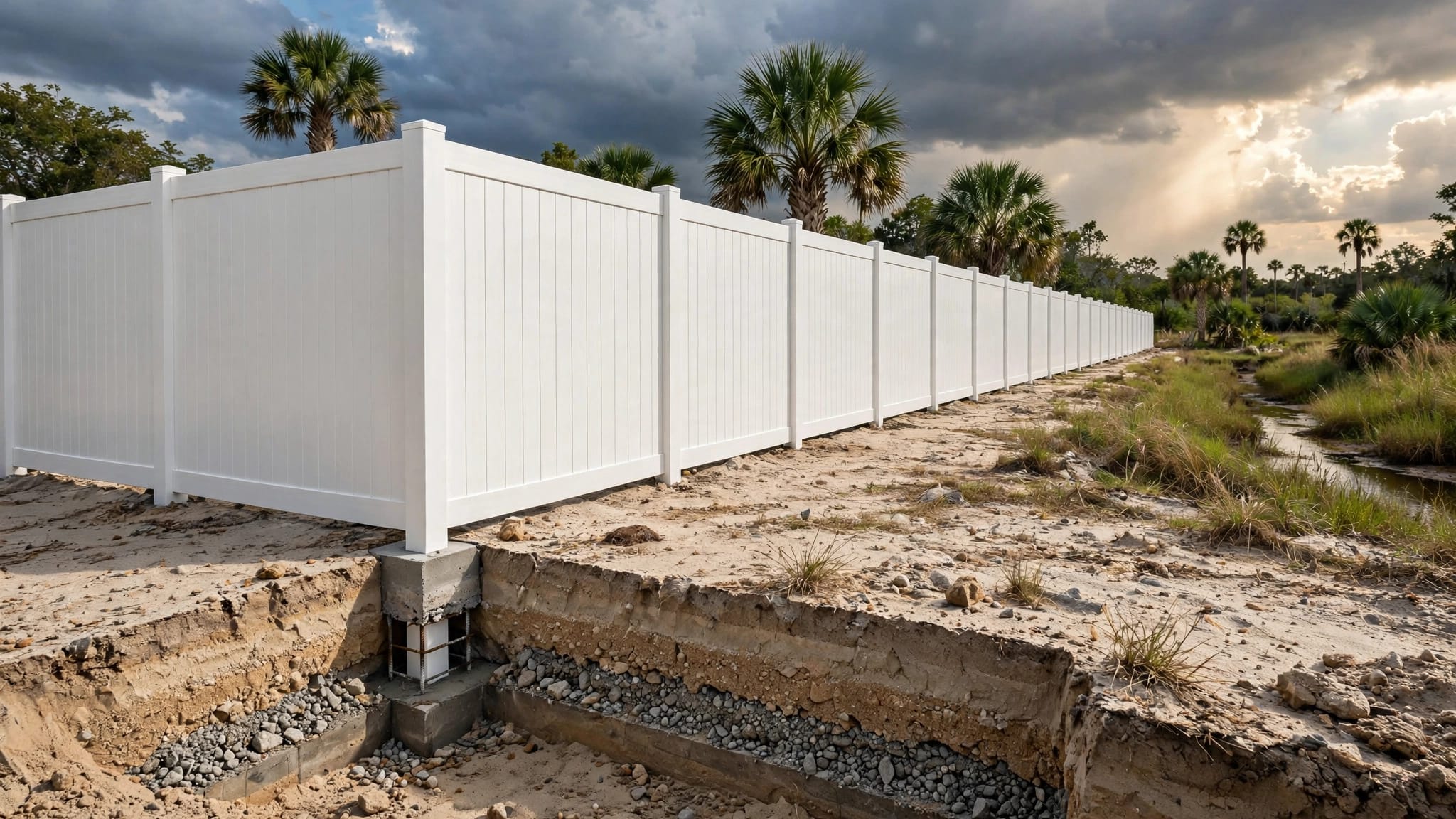
Southwest Florida fences face strong gusts, intense rainfall, saturated ground, and salt air in coastal areas. A rain garden can also leave nearby soil soft after a storm. Ask the contractor how the proposed post locations, footing method, spacing, and gate hardware fit those conditions.
Keep posts out of the basin whenever practical. If the fence must cross a shallow drainage path, the plan should show how water will pass without eroding soil or collecting debris. Avoid filling the garden simply to create a level fence line unless the drainage design has been reviewed.
Storm resilience also depends on gates. A gate that swings into the rain garden can damage plants and become difficult to operate when the ground is wet. Set the swing toward stable ground, and leave enough clearance for inspection and cleanup.
Understand Cape Coral and Lee County Rules
Florida has no single statewide fence height, setback, or permit rule for every residential property. Requirements change by city, unincorporated county area, zoning district, flood status, easement, lot type, and HOA.
Cape Coral properties need an address-specific review
Cape Coral residential fence materials include a six-foot maximum for many residential fences. An eight-foot fence may be allowed when a residential property abuts commercial property. Separate provisions apply near waterways. In the rear 20 feet of a rear property abutting a waterway, fences above three feet must be open mesh.
Cape Coral provisions also address front setbacks and lower front-yard height limits. These rules apply in different site contexts, so don't combine them into one rule for every side of the lot. A corner lot, canal property, or property beside a drainage feature may need additional review.
Before ordering materials, review the Cape Coral fence setback rules and confirm the current requirements for your address.
Unincorporated Lee County uses its own process
If the property is outside an incorporated city, Lee County may control the permit. The county's fence application asks for property dimensions, nearby streets or water bodies, easements, the proposed fence location, height, and setback information.
The residential fence guide also requests FEMA flood-map information for properties in regulatory floodways or V Zones. A complete site plan should show the rain garden and any drainage route, not only the fence line.
Use the Lee County fence permit rules as a starting point, then confirm current forms and requirements with the county. Fort Myers, Cape Coral, Bonita Springs, and unincorporated Lee County can apply different rules to similar-looking properties.
Coordinate HOA Approval With the Public Permit
HOA approval and local permitting are separate processes. One does not replace the other. A city or county may approve the location while the HOA rejects the material, color, height, finished side, gate style, or screening.
Submit a clear drawing that matches the proposed installation. Include the fence height, material, color, gate locations, property-line relationship, and distance from the rain garden. If the HOA requires an open design near a canal or drainage feature, show that detail rather than describing it generally.
Some associations also regulate landscaping. They may require a certain appearance around the fence or restrict changes to drainage areas. Get written approval before ordering panels and give the contractor the exact approved specifications.
Review the Cape Coral HOA fence rules if you live in a Cape Coral community. The same principle applies throughout Southwest Florida, even when the HOA's documents use different terms.
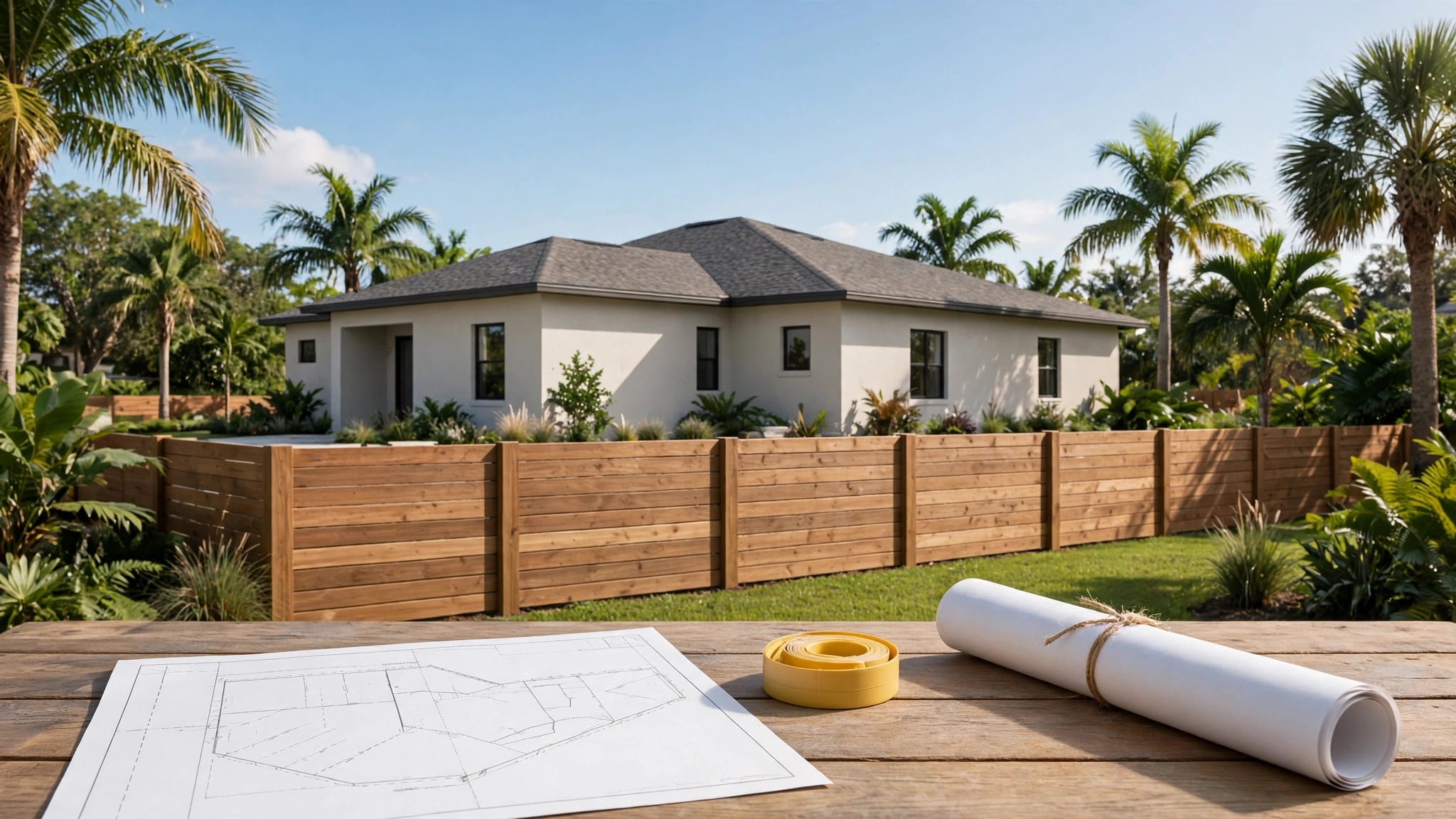
Build a Complete Site Plan Before Applying
A strong site plan connects the rain garden, fence, gates, property lines, drainage features, and required clearances in one document. It also gives the contractor a clear installation reference.
Include:
- The property address and drawing orientation
- Property lines, dimensions, and nearby streets or waterways
- The rain garden basin, overflow path, and planted area
- Existing and proposed fences, including height and material
- Gates, gate swings, and maintenance access
- Easements, setbacks, utility features, and drainage structures
- Flood zone or floodway information when applicable
- HOA approval details, if required
The approved plan should match the fence that gets built. Changing the height, material, gate position, or fence line after approval can create inspection or compliance problems. A contractor should also know who will pull the permit, which inspections apply, and how changes will be handled.
For Cape Coral homeowners, a Cape Coral fence permit checklist can help organize common submittal documents. A licensed and insured Southwest Florida contractor can review the layout, identify obvious conflicts, and coordinate the installation plan with the approved design.
Key Takeaways
- Design the fence around the rain garden's water flow, planting, and maintenance needs.
- Confirm how quickly the basin drains after ordinary rainfall.
- Keep posts away from inflow points, overflow routes, drainage easements, and utility lines.
- Check FEMA flood information and local floodway requirements before choosing a solid fence.
- Treat city or county approval and HOA approval as separate requirements.
- Use a current survey or accurate site plan, and make sure the approved plan matches construction.
- Select materials and gates that suit heavy rain, strong wind, wet soil, and the desired visibility.
FAQ About Fences Around Florida Rain Gardens
How far should a fence be from a rain garden?
Florida doesn't have one statewide distance that applies to every rain garden. The proper clearance depends on the basin's size, overflow path, property lines, easements, utilities, maintenance needs, and local rules.
Leave enough room to inspect the garden, remove debris, refresh mulch, trim plants, and repair the fence. A contractor or drainage professional can help identify a practical fence line after reviewing the site.
Will a rain garden attract mosquitoes?
A rain garden can create mosquito concerns if it holds water for too long. Proper grading, suitable soil, healthy plants, and regular maintenance help reduce that risk.
Use the drainage timing as a warning sign. If ordinary rain leaves standing water for several days, correct the drainage problem before surrounding the basin with a fence. Don't rely on fencing to solve a water-retention issue.
Is an open fence better near a drainage area?
An open fence can preserve airflow and visibility and may reduce the chance of catching floating debris during heavy rain. However, it isn't automatically approved or suitable for every property.
The local code, floodplain requirements, easements, HOA standards, and actual drainage pattern determine the appropriate design. Open mesh may also be required in certain waterfront sections of Cape Coral.
Do I need a permit for a Florida rain garden fence?
Possibly. Permit requirements depend on the city or county, fence design, property location, flood status, easements, and other site conditions. Florida doesn't use one statewide rule for all fence projects.
Confirm the jurisdiction before construction. If the property is in an HOA, obtain written association approval as a separate step. Don't assume a small fence or a replacement fence is exempt without written confirmation from the applicable office.
Can fence posts go inside the rain garden?
Posts can interfere with soil infiltration, plant roots, mowing, and water movement. Concrete footings may also create hard spots that redirect runoff.
Keep the fence outside the basin when the site allows. If the line must cross or border the garden, show the posts, footings, drainage path, and access route on the plan before installation.
Give the Water a Clear Path
A well-planned Florida rain garden fence protects the yard without blocking the system that manages stormwater. Start with drainage, then confirm boundaries, utilities, floodplain conditions, local code, HOA standards, and maintenance access.
When the site plan, approvals, and finished fence all match, the project is far less likely to create a drainage, boundary, or inspection problem after the next Southwest Florida storm.