Punta Gorda Fence Permit Guide for 2026 Homeowners
A fence looks simple from the street. Then the permit office asks for a survey, a site plan, and proof you are not building in an easement.
For 2026, the safe approach is to assume a Punta Gorda fence permit review is part of the job. The only twist is that some homes follow City of Punta Gorda rules, while others fall under Charlotte County. On top of that, your HOA can still add stricter limits.
This guide breaks down the city, county, and HOA layers in plain English, so you can plan the fence before you pay for materials.
Start by confirming who controls your address
The first step is not picking vinyl or wood. It is finding out who has jurisdiction over your lot.
A Punta Gorda mailing address does not always mean City of Punta Gorda rules apply.
If your property sits inside city limits, follow the City of Punta Gorda fence and zoning standards. If your home is outside the city but still in the Punta Gorda area, Charlotte County usually handles the permit. Then, if you live in an HOA, that association may control style, color, height, or gate placement too.
Here is the quick version:
| Rule layer | Who it applies to | What it usually controls |
|---|---|---|
| City of Punta Gorda | Homes inside city limits | Height, placement, allowed materials, street-facing limits |
| Charlotte County | Unincorporated Punta Gorda area | Permit need, zoning review, setbacks, easements, inspections |
| HOA or deed restrictions | Homes in managed communities | Color, style, "good side," gate type, neighborhood approval |
That table matters because each layer does a different job. The city or county decides what is legal to build. The HOA decides what it will allow in the neighborhood. One approval does not replace the other.
Before you draw the fence line, pull out your survey. If you do not have one, budget for one. A property appraiser map is helpful for orientation, but it is not the same as a legal boundary survey. That mistake causes more fence headaches than almost anything else.
If your lot is outside city limits, this Charlotte County fence permit guide for 2026 gives a useful county-level overview. Even then, confirm your exact parcel with the local office, because a line on a map can change the whole permit path.
What Punta Gorda and Charlotte County usually look for first
As of March 2026, City of Punta Gorda public guidance points homeowners to a strict baseline. In many single-family areas, fences are limited to 4 feet in side and rear yards , and front yard fences are not allowed under the standard rule. The city's Special Residential Overlay guidance follows that same 4-foot side and rear yard limit.
At the same time, the city also references some taller fence or wall situations, including certain 6-foot conditions with added setbacks from the primary street. That is why corner lots, unusual lot shapes, and custom layouts need a direct check with the city before you order panels.
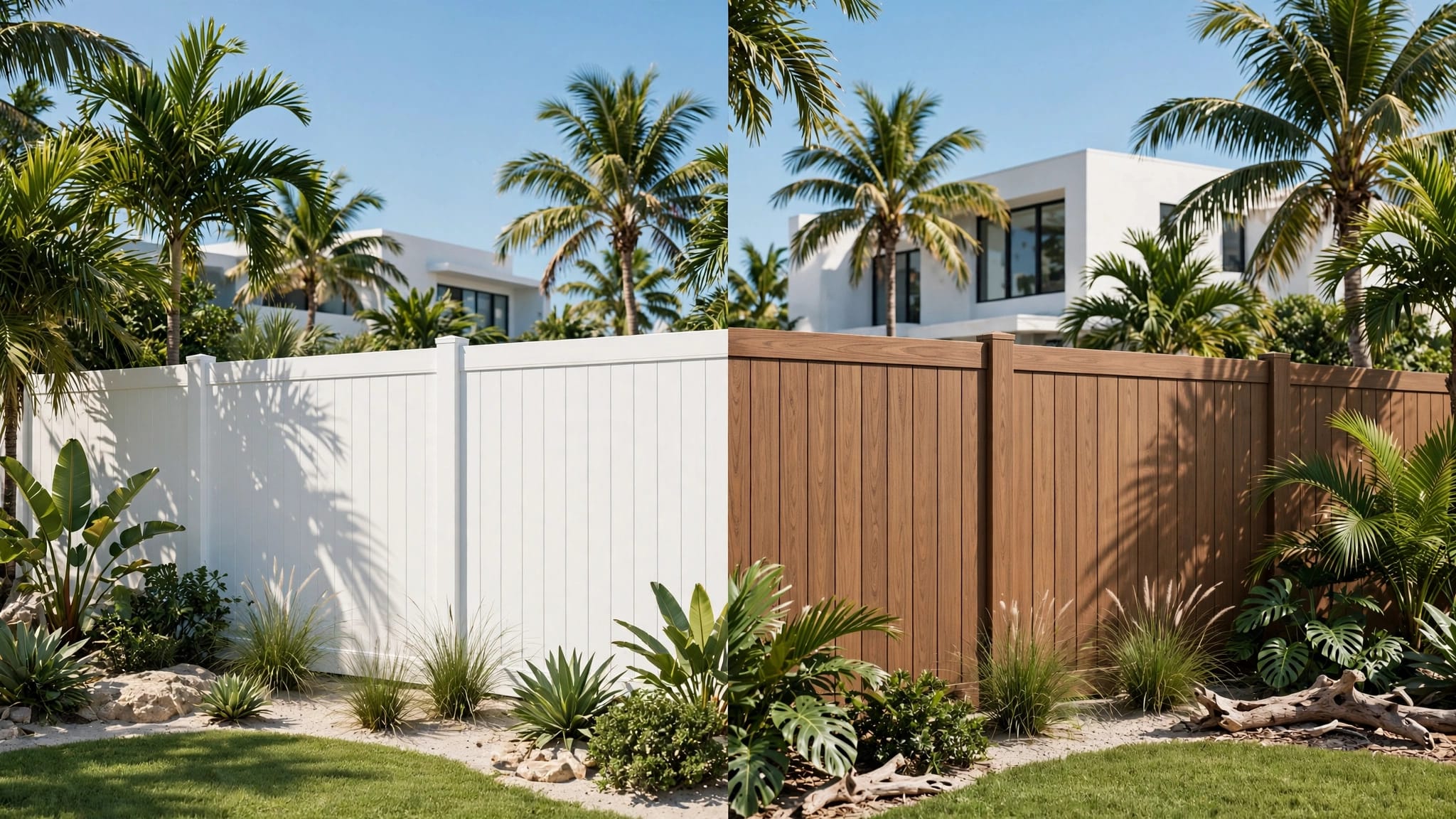
Material choice matters too. City guidance lists common options such as vinyl-coated chain link, aluminum, vinyl, finished wood picket, and wrought iron picket. Wood fences usually need new decay-resistant or pressure-treated lumber, and the finish should be paint, stain, or clear coat. The support side is generally expected to face inward, while the finished side faces the neighbor or street.
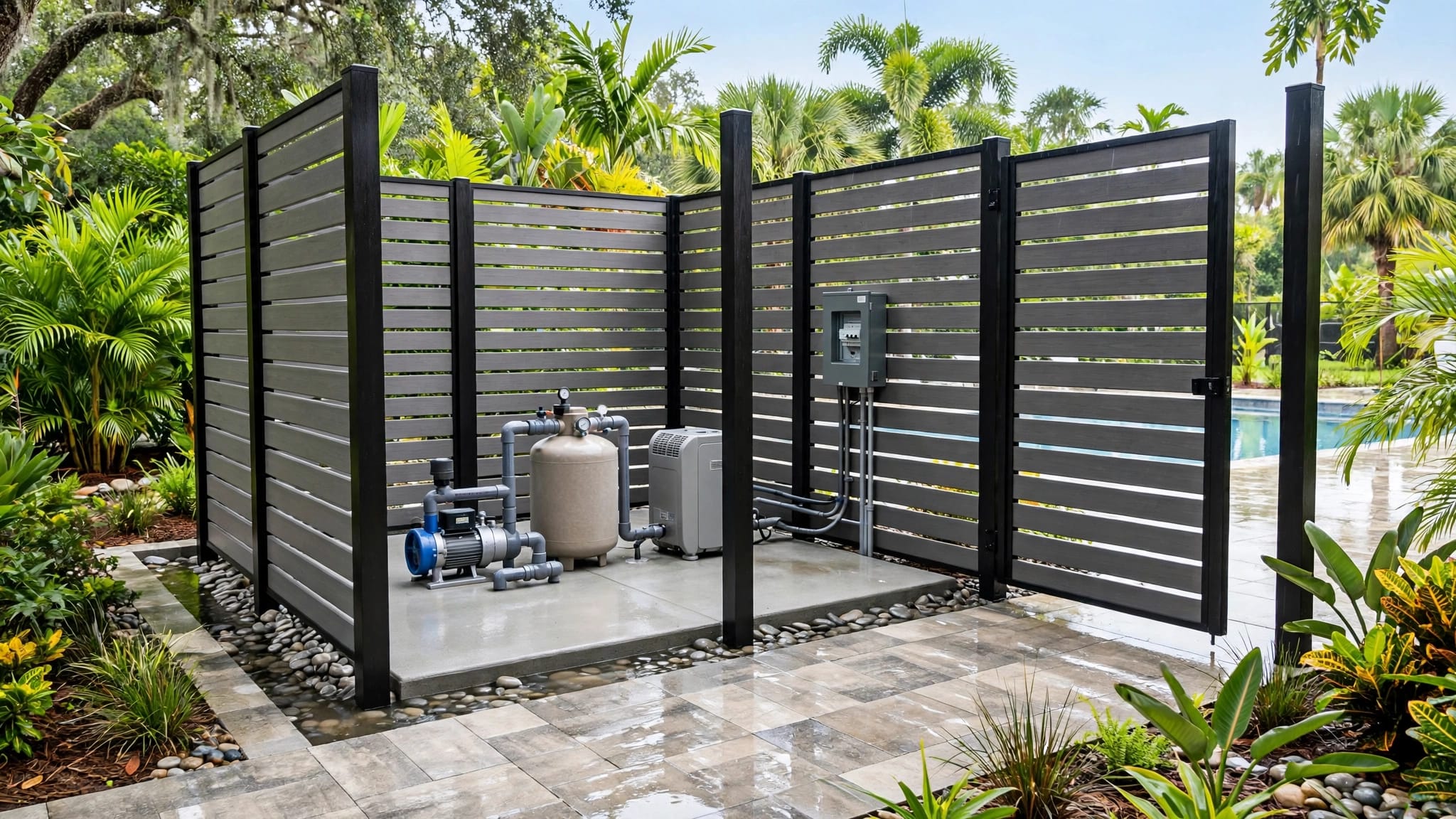
Charlotte County works a little differently. In unincorporated areas, most full residential fences need a permit. The county allows a narrow exception for some small trash or equipment enclosures, but that does not cover a normal yard fence. Height limits can vary by zoning, and fences over 6 feet may need engineered plans.
Both the city and county pay close attention to the same problem spots:
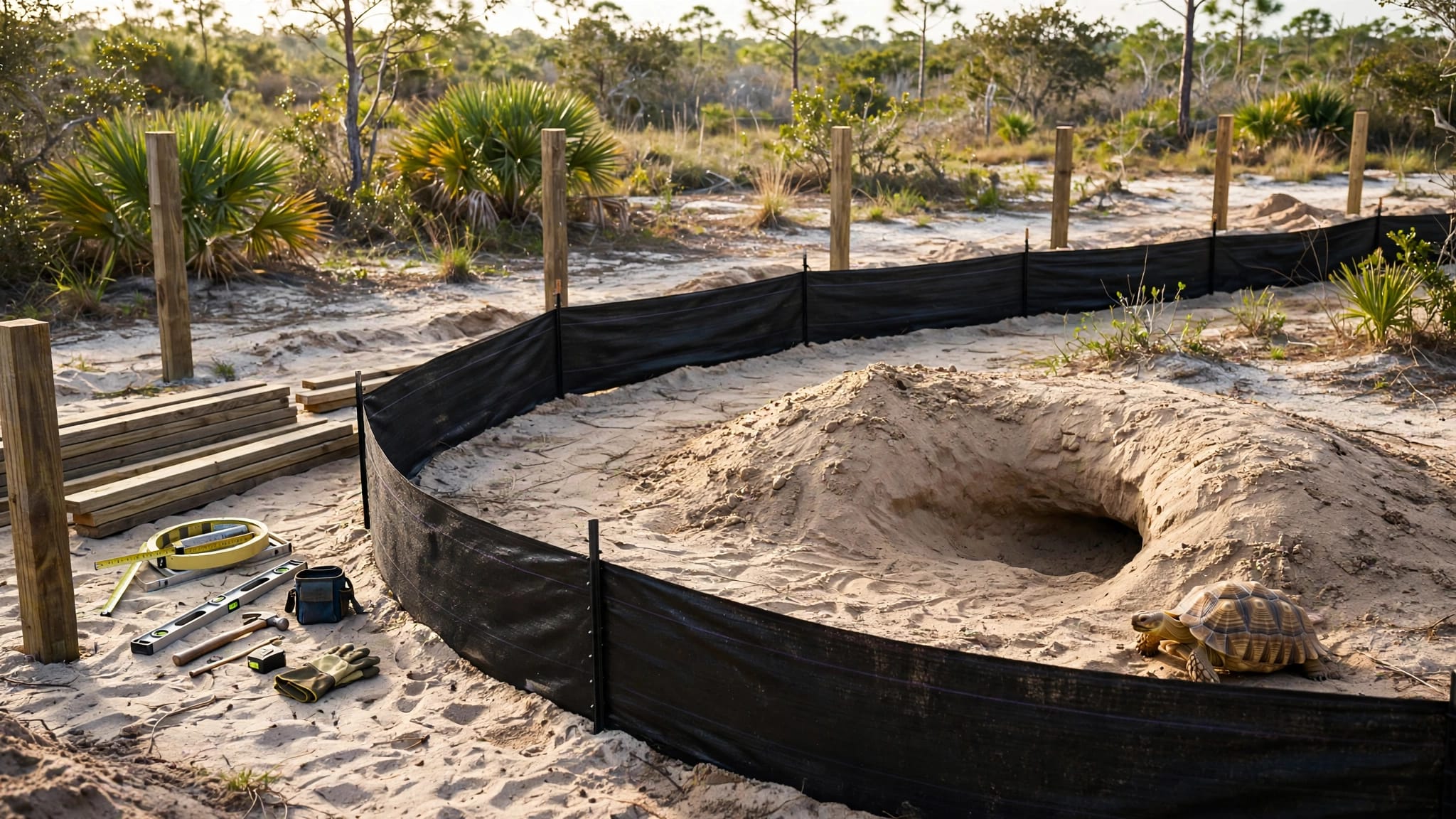
- Easements : Utility and drainage easements can block fence placement, even in areas that feel like "your yard."
- Right-of-way : The strip near the street may not be buildable.
- Corner visibility : A tall fence can block drivers' sight lines.
- Waterfront lots : Canal and water-edge conditions may trigger extra limits.
If the fence will sit on or near a shared boundary, review Florida shared fence law basics before you split costs with a neighbor. A friendly verbal agreement can turn into a real mess when the survey says the line is somewhere else.
How the permit process usually works, and where delays happen
Most fence delays come from missing paperwork, not bad installation. In other words, the permit packet matters just as much as the posts.
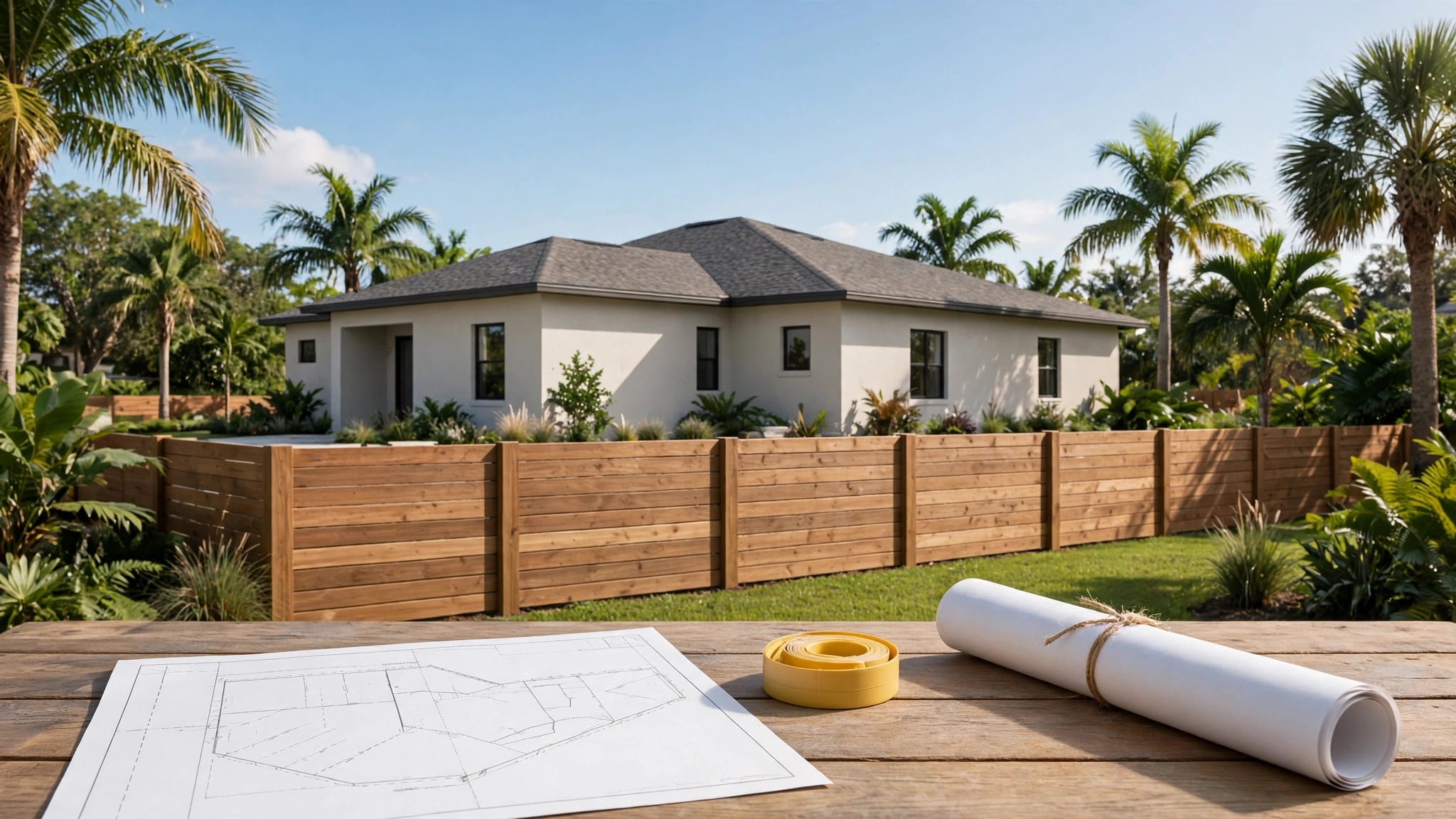
For a typical residential fence, expect to need a permit application, a site plan, and boundary information that shows the fence line clearly. Many homeowners also need a survey that shows property lines and easements. If you hire a contractor, ask one direct question early: who is pulling the permit? Get that answer in writing.
Charlotte County still points homeowners to its online permit tools, including the Citizen Access Portal and Digital Plan Room. Inside the city, the best starting points are the City of Punta Gorda Building Division, the city zoning fence page, and the city code-compliance page for hedges, fences, and privacy walls. Those official pages are worth checking because forms, fees, and review steps can change.
A clean site plan should show the house footprint, streets, property lines, fence height, fence material, gate locations, and any easements. If the lot is a corner lot, draw both street sides. If the yard backs up to water, note that too.
Fees usually depend on project value and current local schedules. Because rates can change, call before you assume your neighbor's 2025 fee is still the right number. Timing can shift as well. Some local permits may expire if work does not start within about 180 days, so do not pull the permit too early.
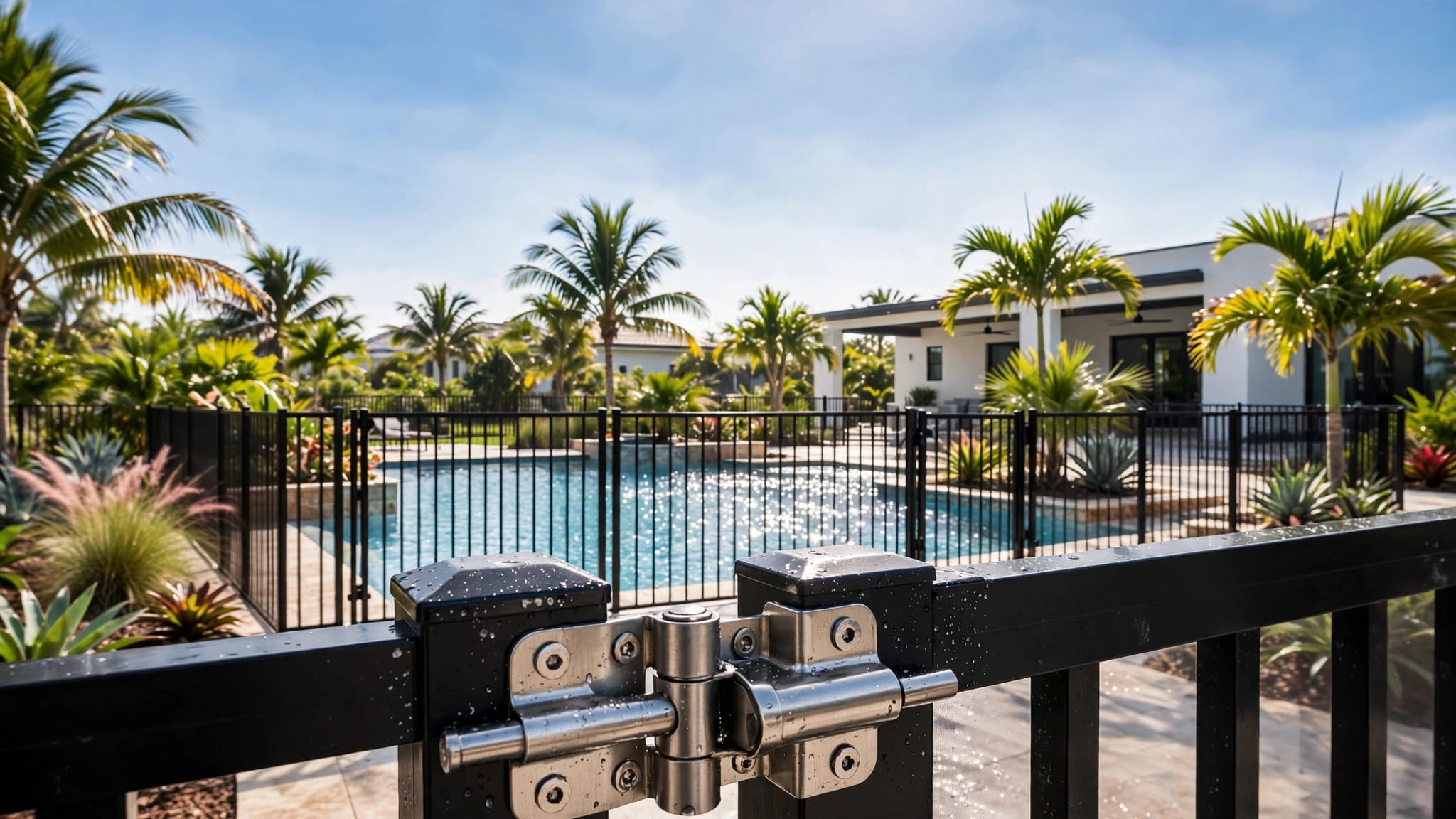
One more warning applies to a lot of Punta Gorda homes: pool barriers are a different category. If the fence will serve as a pool barrier, ask about Florida Building Code requirements for height, gates, self-closing hardware, and latch placement before you install anything.
Finally, keep HOA approval separate in your mind. A county or city permit does not cancel HOA rules. Get that approval in writing first, because HOA disputes often hit after the permit is paid and the materials are already on site.
Build once, not twice
A fence should make life easier, not drag you into rework. The smart path in 2026 is simple: confirm whether your lot falls under the city or county, check HOA rules early, and submit a clear site plan before anyone digs. When in doubt, verify the current rule with the local permitting office, because small layout mistakes are what turn a simple fence into an expensive do-over.