How to Plan Self-Storage Fencing in Florida
Effective self-storage fencing starts with the site plan, not the fence catalog. The layout must protect the property while leaving room for customer traffic, drainage, landscaping, and required screening.
In Southwest Florida, salt exposure and storm winds also affect the materials and connections you choose. Start with the parcel boundaries and local requirements before settling on a fence style.
Map the Property Before Choosing a Fence
A perimeter plan should show more than the line where posts will go. It also needs to account for everything that crosses or sits beside that line.
Locate Boundaries and Easements
Use a current survey to identify property lines, access easements, drainage areas, and utility corridors. An existing fence or hedge doesn't establish the legal boundary. If the survey leaves a boundary in doubt, a licensed surveyor can resolve it before the fence layout moves forward.
Our guide to reading a Florida property survey explains the markings that affect fence placement.
Fit the Fence Around Daily Operations
Show buildings, driveways, loading areas, fire access, utility equipment, and proposed gates on the same plan. Include room for a contractor to reach both sides of the fence for repairs.
Pay attention to corners where trucks turn and areas where tenants unload. A fence that fits on a drawing can still interfere with a wide vehicle or an open storage-unit door.
Account for Local Screening Requirements
A security fence and a required screening wall can have different jobs. The fence controls access; a zoning rule may also require the facility to shield storage areas from view.
Plan for Cape Coral's Self-Storage Rules
A Cape Coral code record updated January 5, 2025, describes self-storage screening requirements in the Industrial, Commercial, and Commercial Corridor districts. It calls for screening along property lines using a freestanding wall, a building wall, or a combination. A freestanding screening wall must be 8 feet high , measured from grade.
The listed wall materials include stucco-coated or textured concrete block, stone, brick, and formed, decorative, or precast concrete. Chain link shouldn't be treated as a substitute for that required wall.
The Cape Coral code record also describes an exception for multistory facilities with no visible exterior doors providing access to individual storage units. Those facilities must still meet the applicable nonresidential design standards.
Reserve Room for Landscaping
The same code record calls for a landscaped perimeter area at least 10 feet wide. For every 100 feet, it lists three canopy trees, three accent trees, and 33 shrubs. Palms don't count toward those tree requirements.
Allow that space early in the site layout. A late change can affect the fence line, drainage design, parking, and the amount of usable area beside the buildings.
Place Gates Around Real Traffic Patterns
Gate placement affects security, but it also determines how comfortably customers and service vehicles move through the facility.
Allow Space for Vehicles to Queue and Turn
Position the entrance so vehicles can wait without backing into a public road or blocking the exit. Consider moving trucks, trailers, delivery vehicles, and vehicles approaching the keypad from the driver's side.
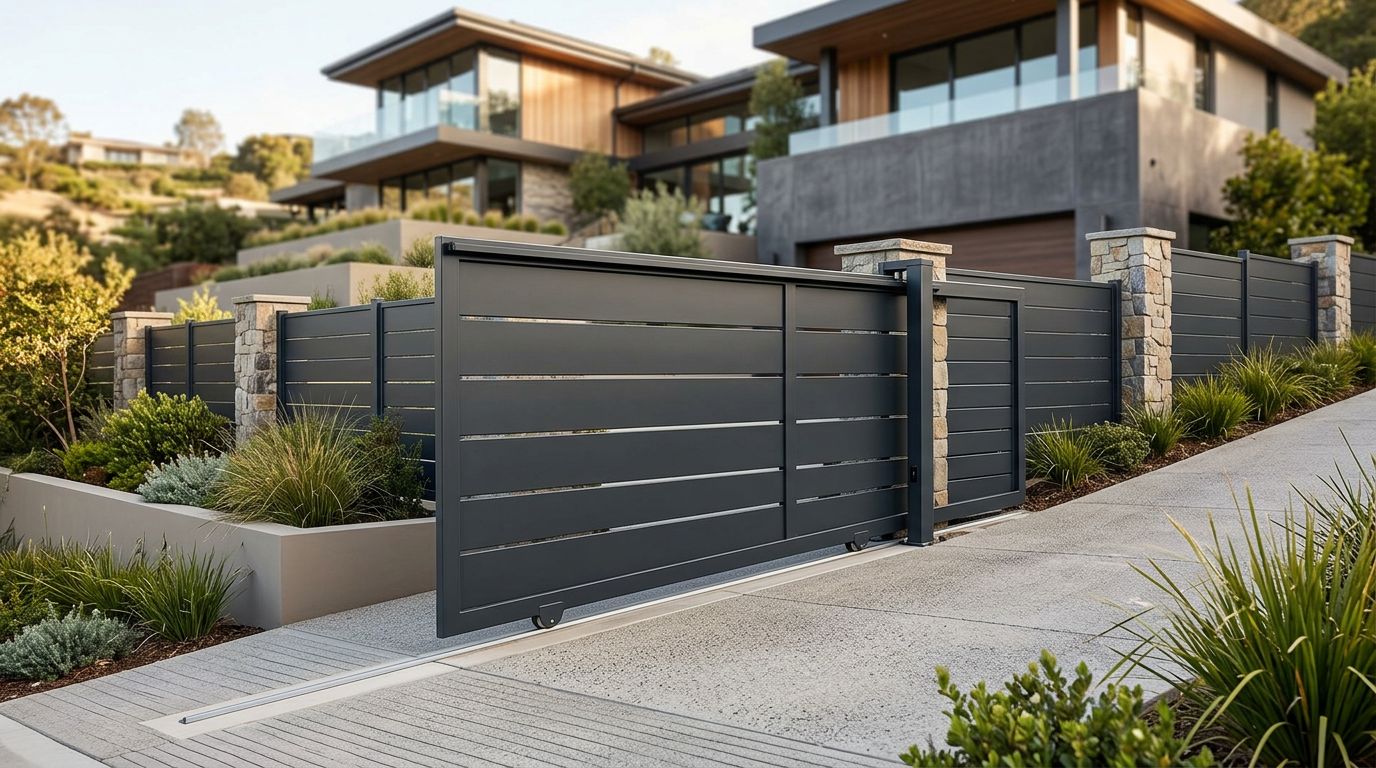
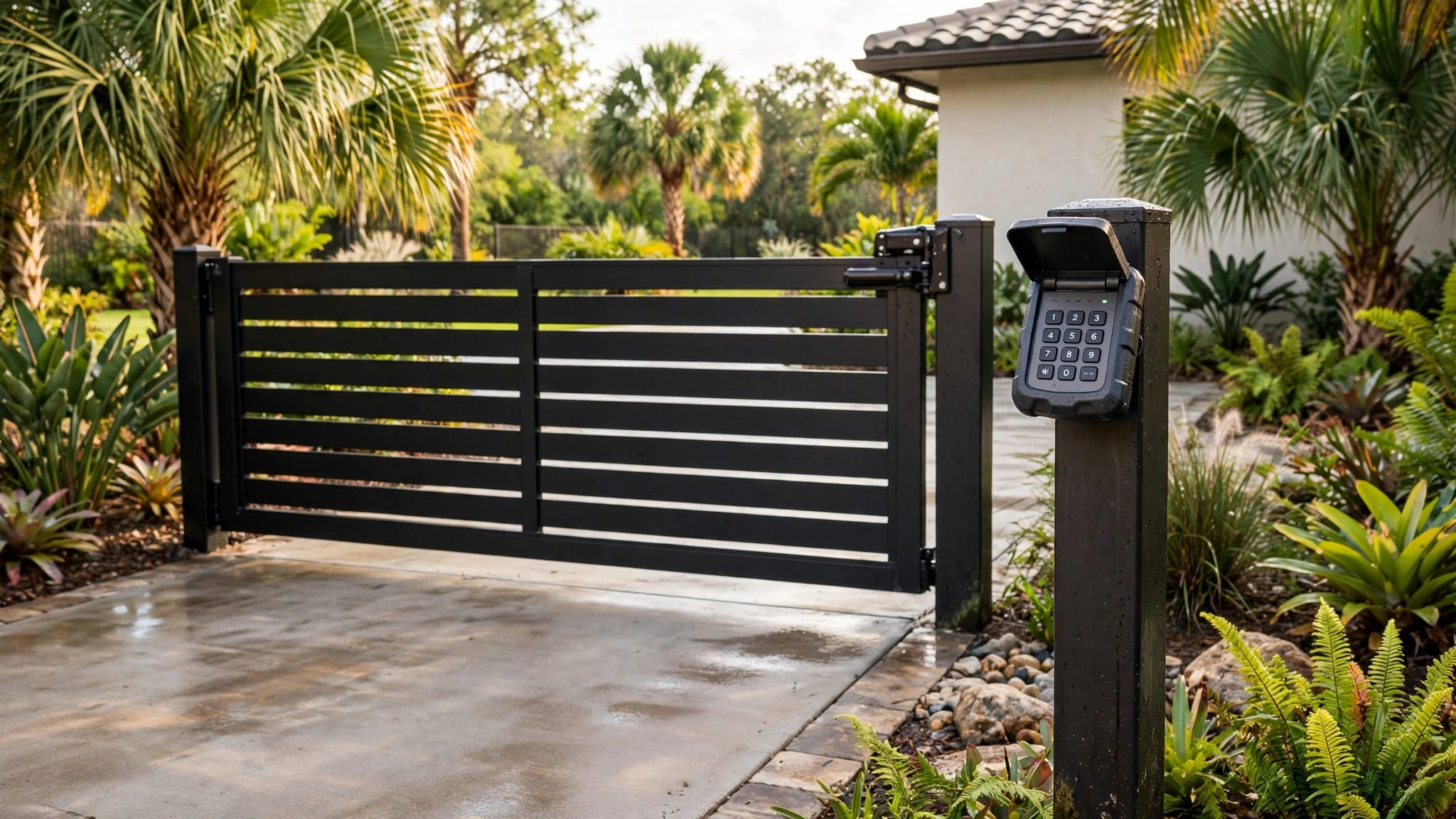
Show the full swing of a hinged gate or the travel path of a sliding gate on the site plan. Sliding gates also need unobstructed space beside the opening. Separate pedestrian access can reduce conflicts between people on foot and vehicles, provided it connects to an accessible route.
Choose Access Controls That Fit the Operation
A keypad, card reader, or other credential system can limit entry to authorized users. Place the reader where drivers can reach it without opening a vehicle door into traffic or pulling too close to the moving gate.
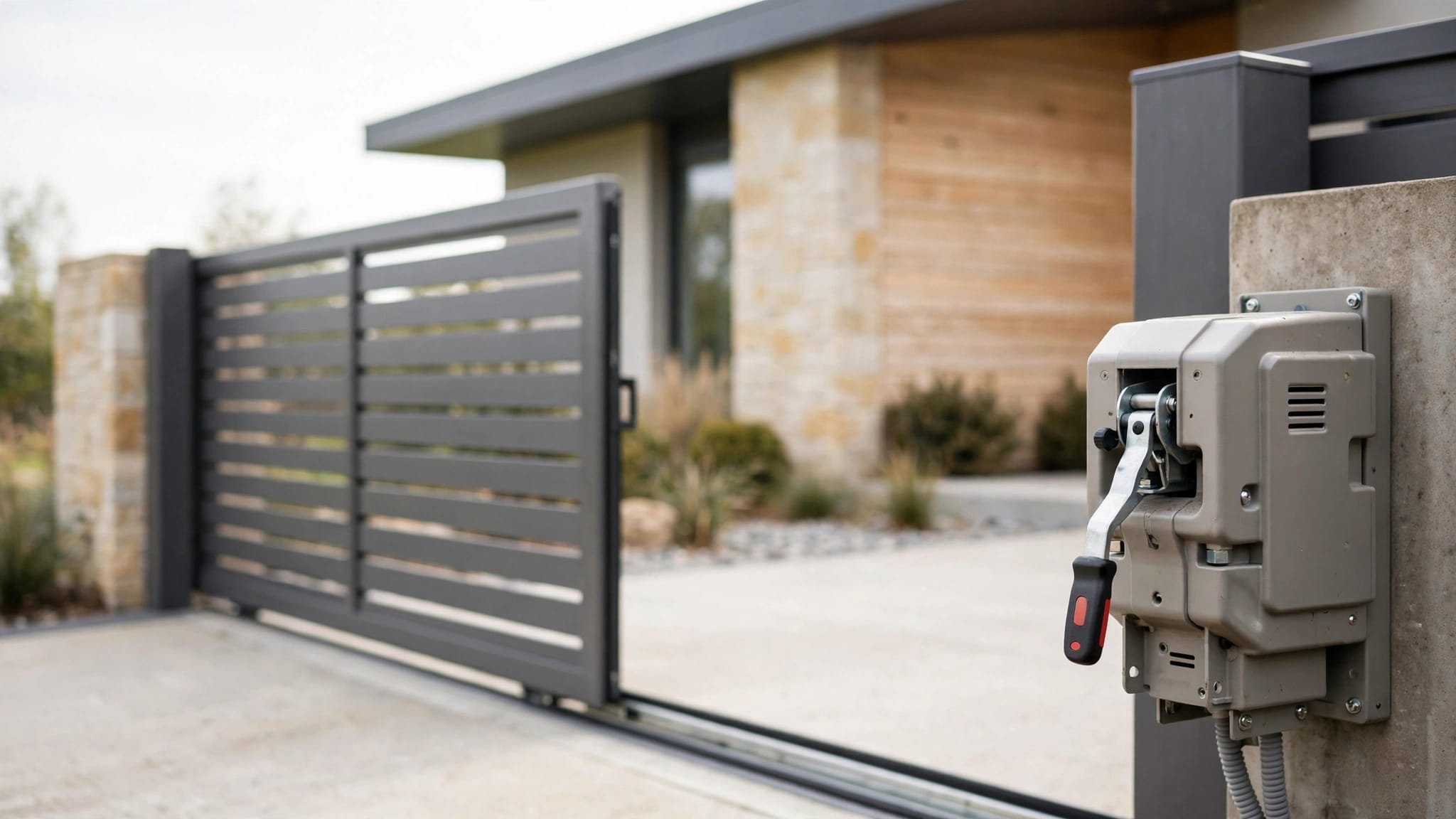
Decide how staff will manage credentials, deliveries, emergency access, and power failures. An automated gate also needs properly designed safety devices and professional installation. Entrapment hazards require attention wherever a moving gate passes a post, wall, or fence panel.
Balance Visibility With Security
Good self-storage fencing makes unauthorized entry harder without creating places where activity is difficult to see. Walk the proposed perimeter with camera and lighting locations in mind.
Open fence sections can help staff see activity near drive aisles and gates where local rules allow them. Aim cameras at entrances and other access points, and keep signs, shrubs, and equipment from blocking the view. Lighting should make those areas visible after dark without creating glare for drivers or neighboring properties.
Look closely at the bottom of the fence as well as the top. Uneven ground, drainage crossings, and changes in grade can leave openings. Plan a suitable transition at those locations rather than relying on a straight fence run to fit every contour.
A fence also needs to connect securely to walls and gate posts. A strong panel offers less protection if someone can reach around its end or move through an unprotected opening beside it.
Choose Materials for Southwest Florida Conditions
Heat, humidity, rain, and salt air affect the entire fence assembly. Compare posts, rails, mesh, coatings, and gate hardware together instead of judging the panel alone.
Compare Open Fence Options
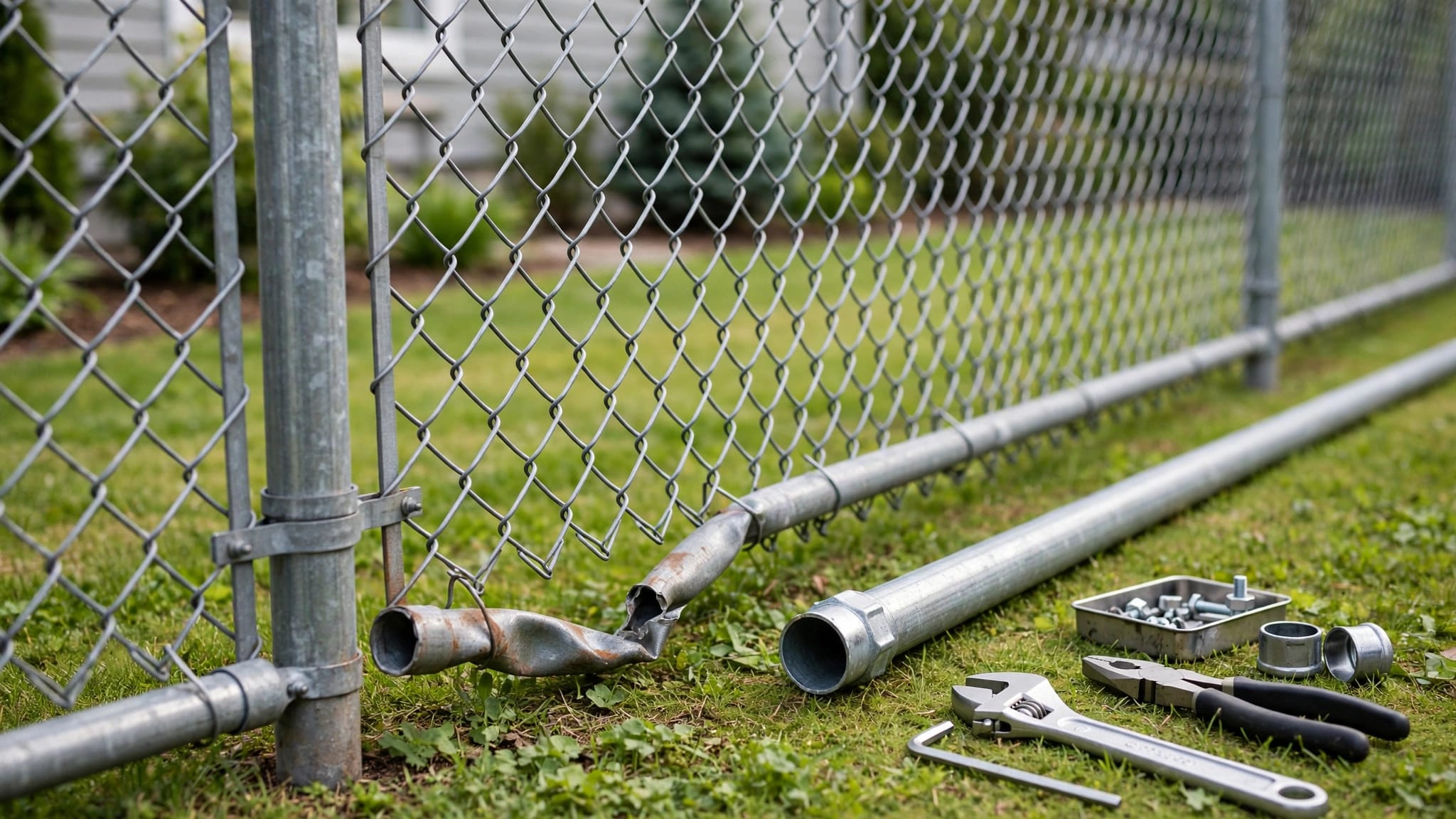
Galvanized chain link provides an open view and is practical for long security runs where the site design permits it. Coated chain link adds another protective finish and can change the appearance of the fence. Our chain-link fence installation options include different heights and coatings.
Aluminum fencing also maintains visibility and resists rust. Its posts, pickets, and connections still need to suit the site's security and structural design. Neither material eliminates the need to address a separately required masonry screening wall.
Specify Coastal Hardware
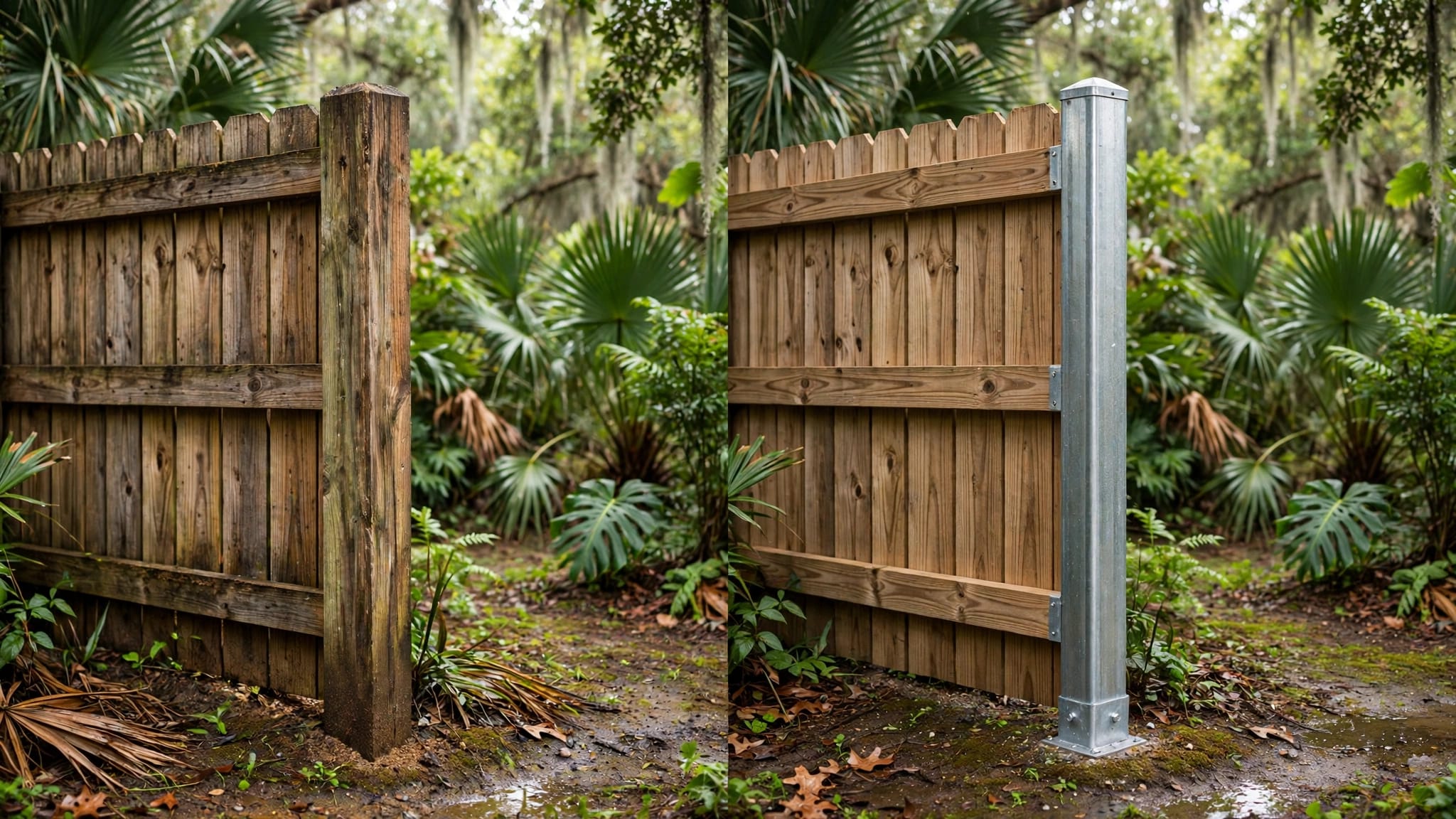
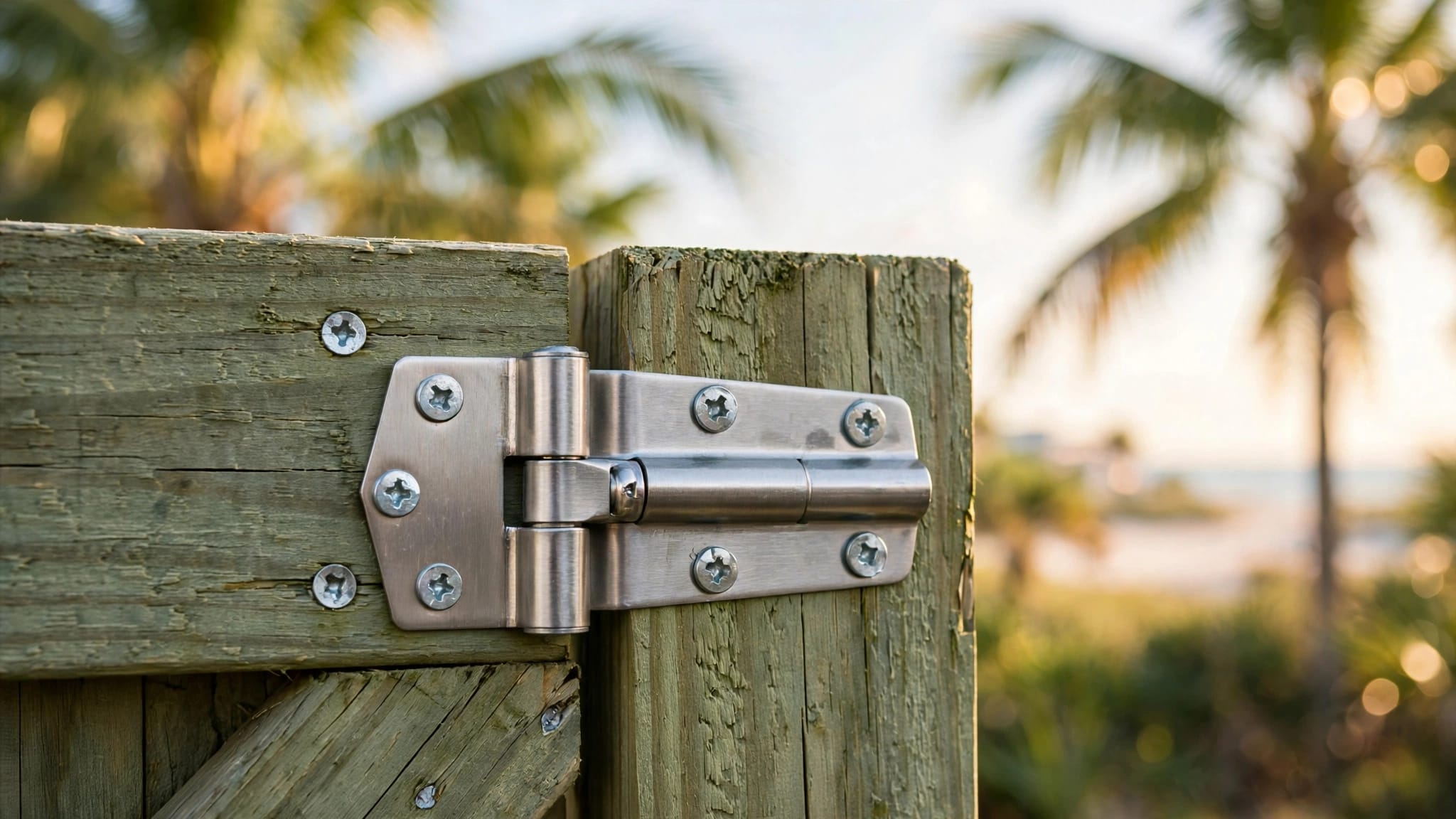
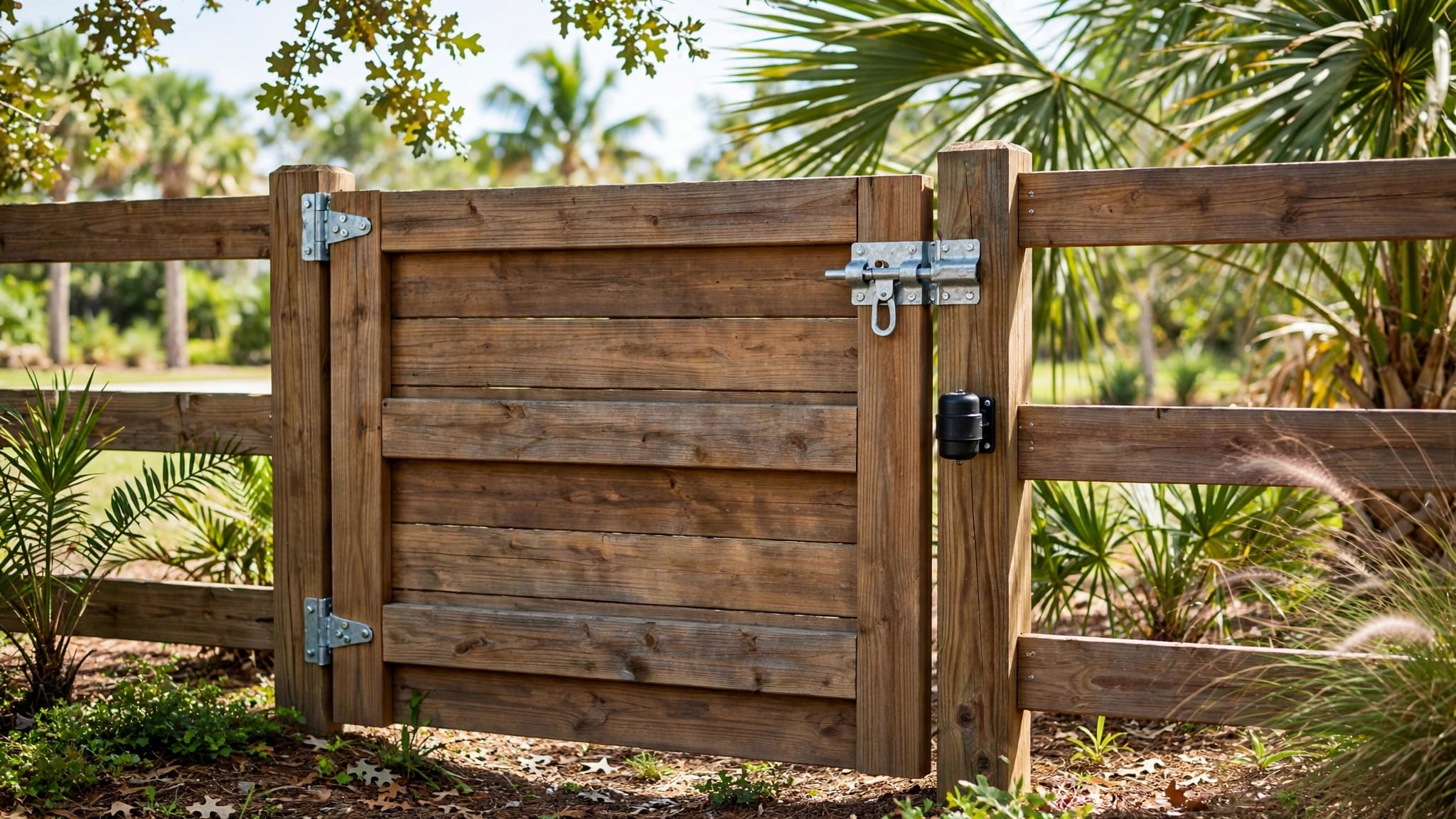
Near the Gulf, bays, and canals, salt can attack hinges and fasteners before larger fence components show obvious damage. Hot-dip galvanized or suitable stainless steel hardware can help, depending on the application.
The parts must also be compatible. Dissimilar metals in damp or salty conditions can encourage galvanic corrosion. Our guide to coastal fence hardware covers hinges, fasteners, and protective finishes.
Design the Assembly for Storm Loads
A Florida perimeter needs more than a sturdy-looking panel. Wind forces travel through the fence fabric or panels into the rails, connections, posts, and foundations. Gates add moving parts and concentrated loads at their supports.
Open chain link generally presents less surface to wind than a solid panel. However, privacy slats or screening can change that exposure. Plan for those additions before construction rather than assuming the original posts and footings will handle them.
The Florida Building Code, 8th Edition (2023) took effect on December 31, 2023, and references ASCE 7-22 for wind criteria. The project design must address the proposed assembly and site conditions.
For tall walls, large gates, or other assemblies requiring structural design, involve a qualified design professional. The plans should address post spacing, connections, foundations, and the actual gate configuration. A gate is part of the system, not an accessory to add after the fence is built.
Protect Drainage and Leave Room for Plants
Heavy rain can expose problems that aren't obvious on a dry site. Place the fence with the site's grading and drainage plan in view, particularly near swales, culverts, and low areas.
Keep Water Routes Open
Posts and walls shouldn't obstruct the intended flow of stormwater. Solid barriers can collect leaves and debris, especially where water concentrates. Near a flood-prone area, the design may need additional review by the appropriate local officials.
Where a fence crosses changing ground, detail the transition so it maintains security without blocking drainage. Don't fill a swale merely to create a level fence line.
Give Landscaping Space to Grow
Trees and shrubs need room away from gates, cameras, and fence connections. Crowded vegetation can hide damage, hold moisture against hardware, and make routine repairs harder.
Direct irrigation away from gates and metal fittings where practical. Regular wetting adds moisture to components already exposed to humid air. Also leave enough space for crews to trim vegetation without damaging coatings or loosening the fence.
Prepare a Complete Permit Package
Fence and wall requirements depend on the jurisdiction and the project. In Cape Coral, the published commercial fence permit guidelines call for an application, an Owl Affidavit, and four copies of the plans and site plan.
The site plan is to show property lines, setbacks, linear footage on each side, and gates. The guidelines also request the fence type, height, location, and dimensions. For galvanized steel panel fences, they call for four copies of the manufacturer's specification sheet.
Coordinate the fence package with the broader facility plans. Screening, landscaping, gate access, and drainage need to fit together before materials are ordered. That coordination matters especially when a wall and a separate security fence share a narrow perimeter area.
Budget for Maintenance as Well as Installation
A useful proposal identifies more than the price of the fence line. It should describe materials, coatings, posts, gates, hardware, and the work needed to prepare the site.
Compare Complete Scopes
Account for demolition and disposal if an old fence must come out. Gate operators, access controls, electrical work, screening walls, and landscaping may be separate parts of a larger project.
When comparing bids, look at the specifications as well as the total. Two fences with similar-looking mesh can differ in their posts, fittings, gate construction, and corrosion protection.
Plan Inspections and Repairs
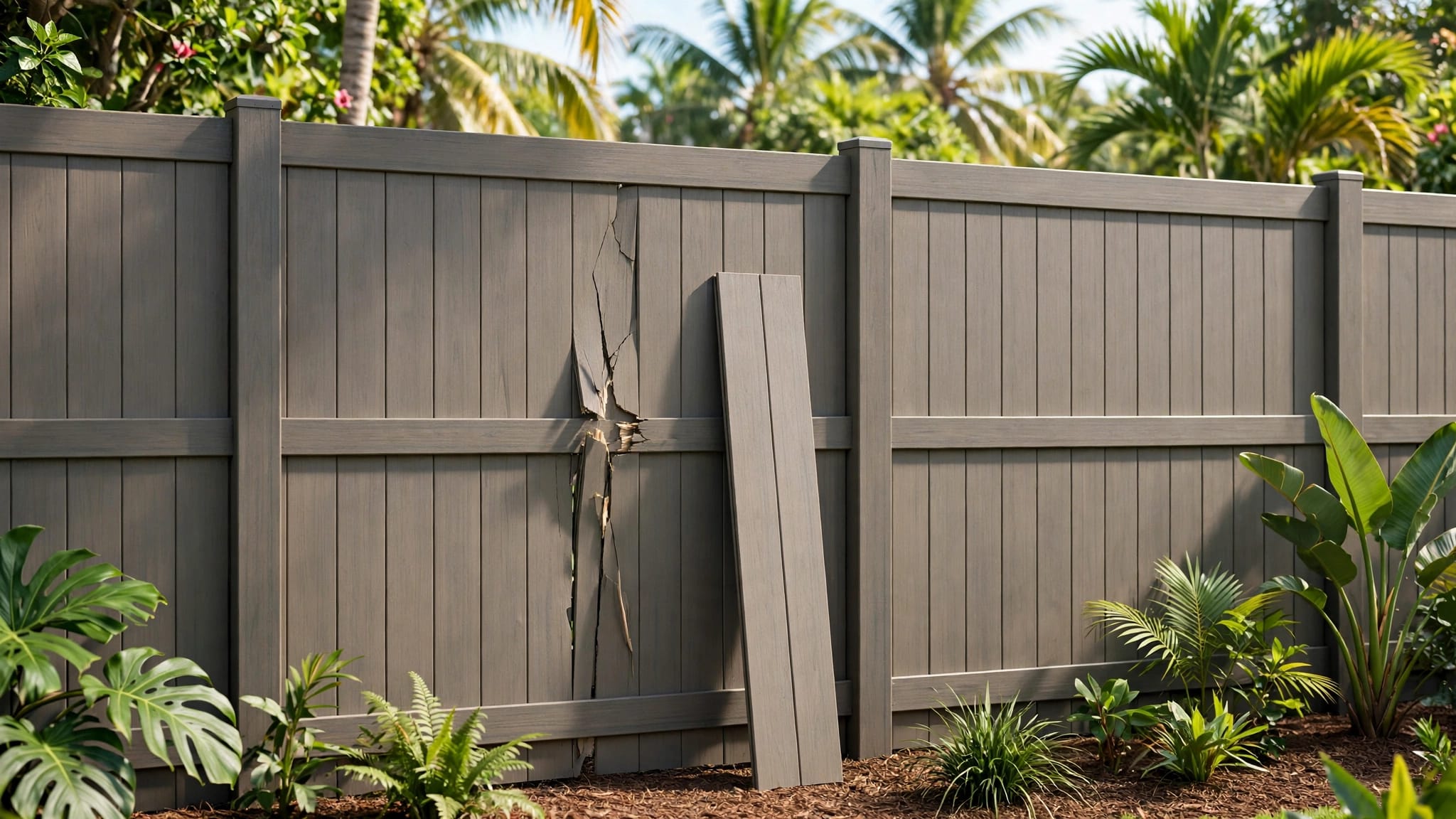
Inspect the perimeter before storm season and after significant storms. Look for leaning posts, loose ties, damaged coatings, rust around connections, and gates that drag or no longer latch properly.
Rinse salt and dirt from exposed components as appropriate, and trim plants back so the fence can dry. Our Southwest Florida fence maintenance schedule offers material-specific care guidance. Keep the installation specifications on file so damaged parts can be replaced with compatible components.
Build the Perimeter Around the Whole Facility
A well-planned self-storage perimeter brings security, traffic flow, screening, and drainage into the same design. In Southwest Florida, durable hardware and a storm-ready structure also deserve attention before installation.
At Supreme Fence of SWFL, we install and repair fencing for customers throughout the region. Start with the site plan and the facility's operating needs, then choose the fence and gates that fit them.