Driveway Gate Manual Releases: A Homeowner's Guide
A driveway gate manual release disengages the operator's drive mechanism so the gate can be moved by hand when automatic operation isn't available. It can be useful during an outage or malfunction, but a heavy gate may move unexpectedly once released.
The safest approach is to learn about your specific equipment before you need access. If the gate is damaged or you don't understand its release procedure, leave it to a qualified gate technician.
Key Takeaways
- A manual release allows hand movement; it doesn't repair the problem that stopped the gate.
- Swing and sliding gates have different travel areas, but both can create pinch and crush hazards.
- Wind, slopes, and damaged hardware can make a released gate difficult to control.
- A qualified technician can identify your release, demonstrate its use, and address problems before the gate returns to service.
What a Driveway Gate Manual Release Does
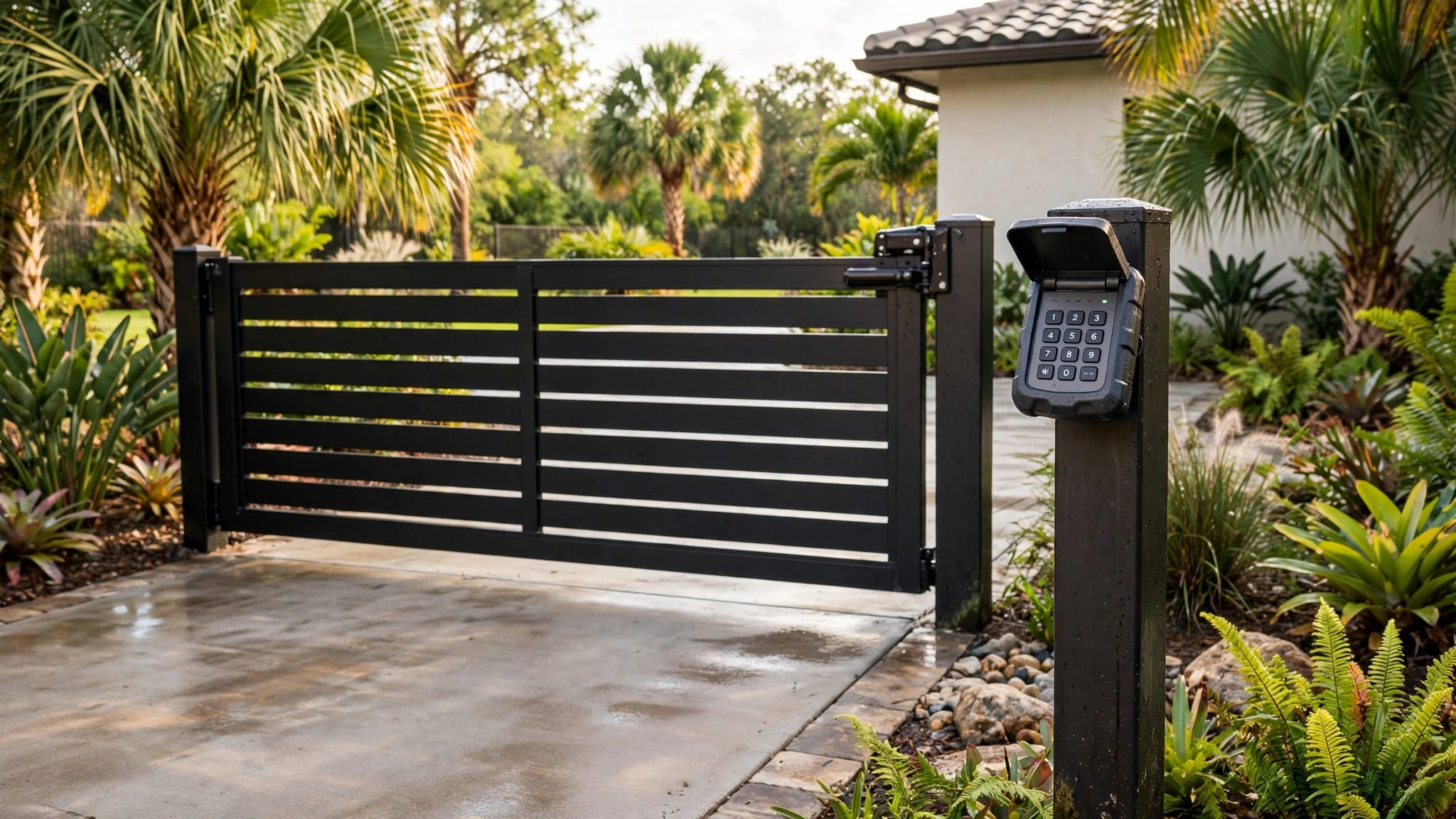
An automatic gate operator normally controls the gate's movement. The manual release disengages its drive mechanism, allowing the gate to move without the operator driving it.
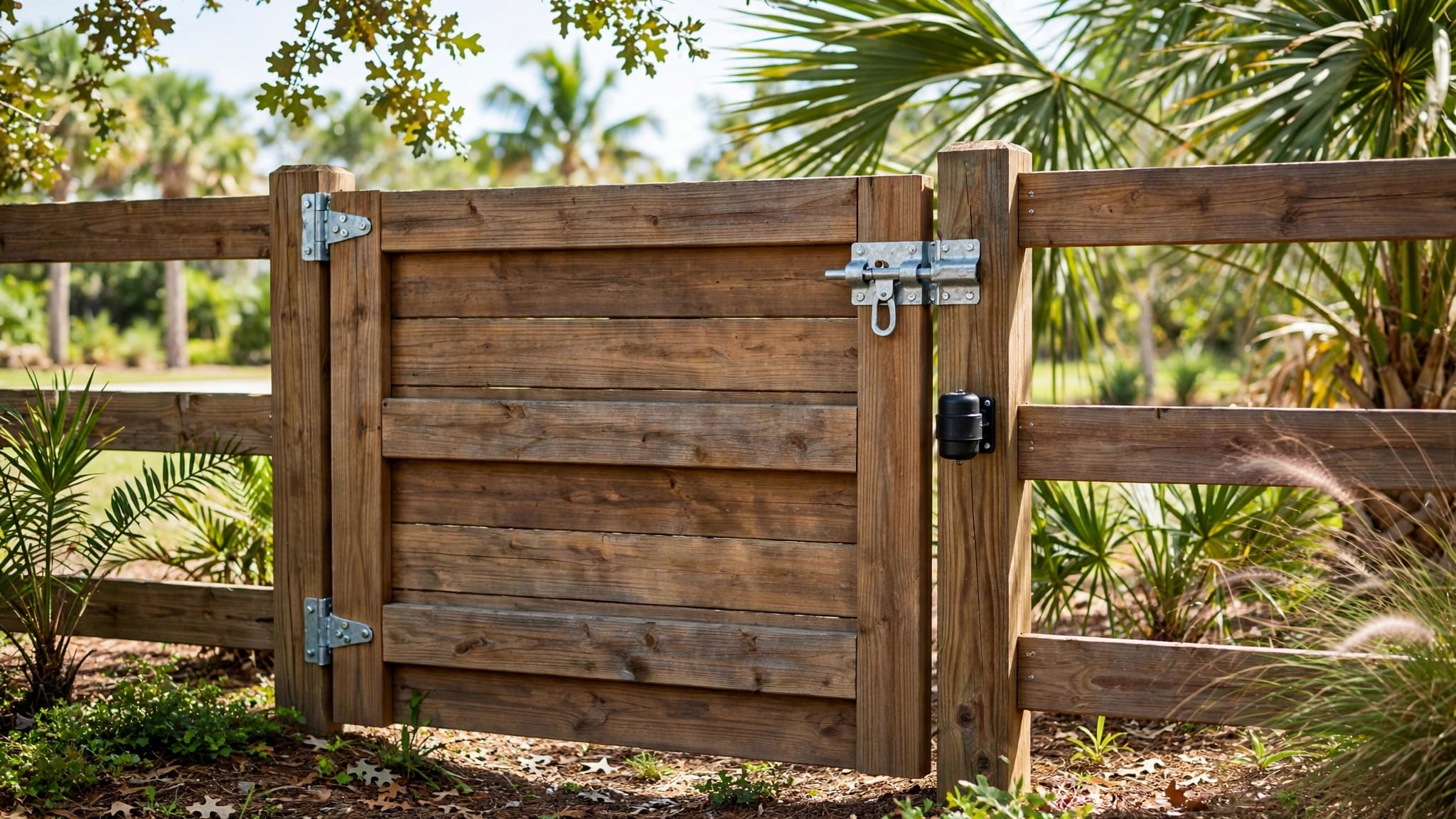
That's different from unlocking an ordinary gate latch. A latch may keep a gate closed, while the operator release changes how the powered mechanism connects to the gate. Some properties have both, and each has a separate purpose.
Manual operation also requires more than enough strength to push a panel. The gate needs a clear path and hardware that supports smooth, controlled movement. A gate that drags, leans, or shifts may remain difficult or unsafe to move after the operator is disengaged.
The release is an access feature, not a diagnosis. If the gate stopped because of a damaged hinge or another fault, disengaging the drive won't fix that underlying condition.
When Homeowners Might Need a Manual Release
A power outage is one reason to consider manual access. If the gate stops and blocks the driveway, a release may provide a way to move it without powered operation.
A malfunction is another possibility. The operator may stop responding to a control, or the gate may stop partway through its travel. Before considering manual movement, look for visible damage from a safe position and keep everyone clear of the opening.
After a storm, fallen branches, shifted soil, standing water, or damaged gate components can change the situation. Don't assume the gate will move freely because it worked before the weather changed.
If someone is trapped or injured, call 911 rather than trying an unfamiliar release procedure. For other access problems, a qualified technician can assess the gate and the operator.
How to Identify Your Gate's Release
The release arrangement depends on the operator installed at your property. A qualified automatic gate technician can identify it and demonstrate its use on your equipment.
Plan that conversation before an outage. Ask the technician to explain what the gate will do when disengaged, how to control its movement, and what conditions would make manual operation unsafe. Everyone responsible for access should understand the property's plan.
It's also useful to know the gate operator's manufacturer and model. Keep that information with the equipment documentation, along with contact details for a qualified service provider. If you recently bought the home, include the gate in your inspection and ask for available maintenance records.
For the physical structure, our guide to inspecting driveway gate hardware covers visible components such as posts, hinges, rollers, and tracks.
Swing and Sliding Gates Need Different Clearances
Both gate styles can have manual-release arrangements, but they move through different spaces. Knowing the gate's path helps you recognize obstacles before anyone approaches it.
Swing Gates Move Through an Arc
A swing gate may have one leaf or two. Each leaf needs room to travel without striking a vehicle, fence, planting bed, or walkway. On a double gate, assess the space around both leaves rather than assuming they will behave alike.
Sloped driveways deserve attention. A leaf may scrape as it moves across rising ground, and a released gate on a slope can move unexpectedly. Wind can also push a broad gate leaf.
Look for sagging, uneven gaps, and visible changes around the hinge posts. Don't loosen hinges or attempt to lift a dragging leaf. Those parts support the gate's weight.
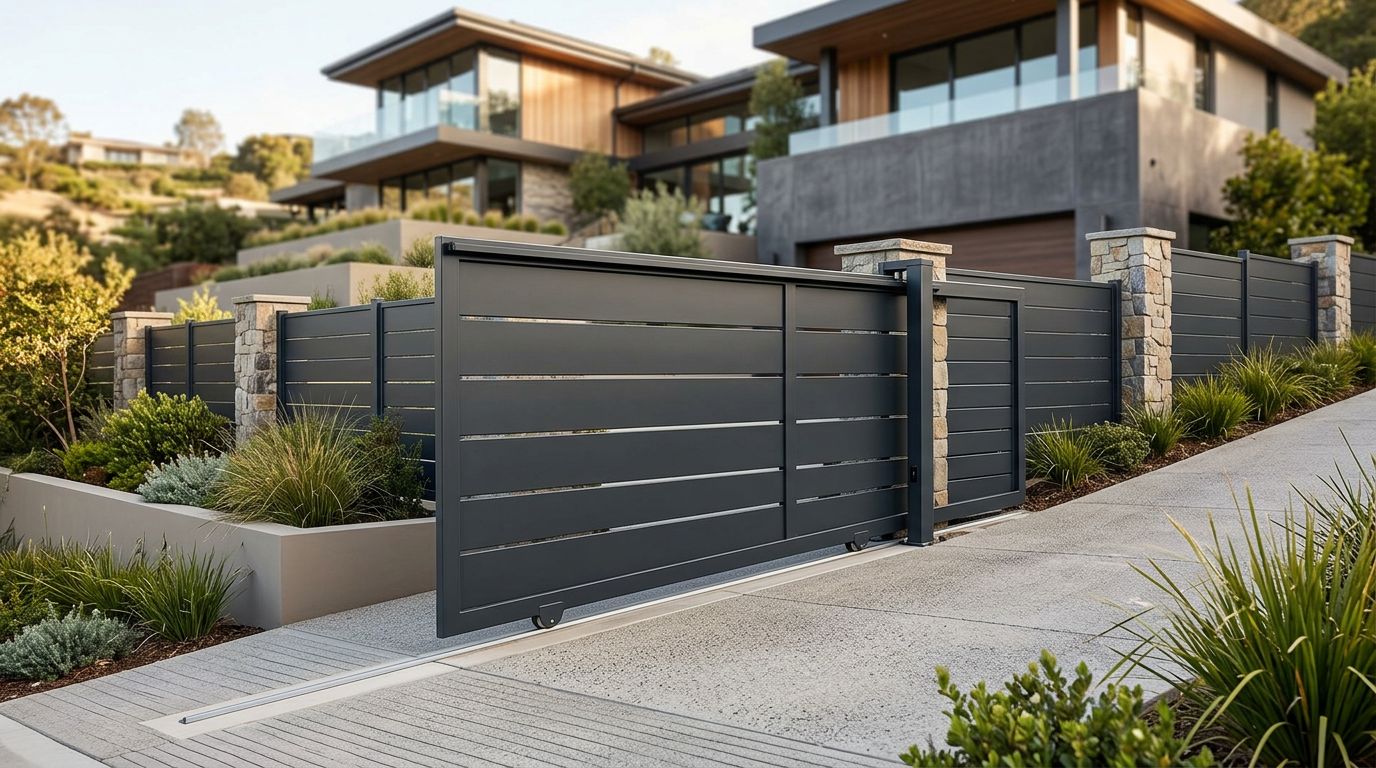
Sliding Gates Need a Clear Side Run
A sliding gate moves alongside the fence line, so it needs open space beyond the driveway opening. Landscaping, stored items, or storm debris in that side run can obstruct its path.
Some sliding gates use a ground track, while cantilever designs don't rely on one. For a tracked gate, sand, leaves, and pooling water around the track are conditions worth noting.
Keep away from rollers and other pinch points. Our comparison of swing and sliding driveway gates covers how clearance and drainage affect each style in Southwest Florida.
Safety Comes Before Manual Movement
A stopped gate can still move unexpectedly. Keep children, pets, and vehicles outside its travel area, and don't keep pressing the control to see whether it starts again.
Assess the Gate From a Safe Distance
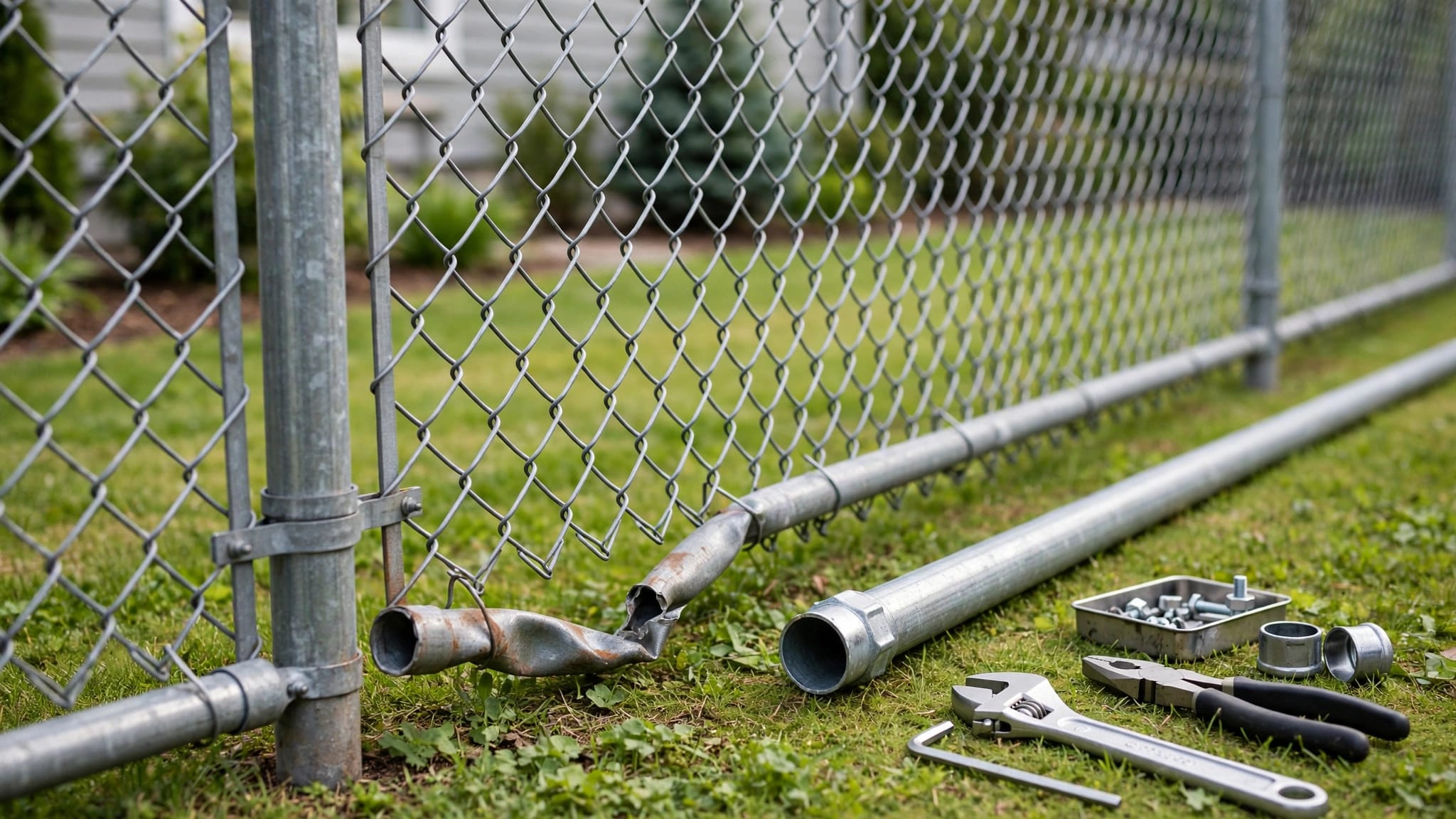
Look for a leaning post, a bent frame, a damaged hinge, or a gate resting against an obstruction. Scraping marks and uneven gaps can also indicate that something has shifted.
If you see damage, leave the gate inactive and arrange professional evaluation. Don't force an engaged gate, reach between pickets, or put your hands near hinges and rollers. Never open electrical equipment or bypass a safety device.
Strong wind and sloped ground add another concern: a gate may be difficult to hold once the drive is disengaged. A technician can assess those conditions before attempting manual access.
Keep the Opening Clear
A driveway gate is heavy enough to injure someone even when it moves slowly. Make sure no person or vehicle is in its path, and don't rely on automatic safety devices to stop a gate being moved by hand.
Consider what happens after access is restored, too. An unsecured gate leaf or sliding panel may move in wind or on a slope. Your access plan should account for keeping the gate stable without creating another hazard.
Returning the Gate to Automatic Operation
Returning a gate to powered use involves the operator and the gate's physical condition. A qualified automatic gate technician can handle the return to service, particularly when a malfunction or storm damage prompted the release.
Tell the technician what happened before the gate stopped. Note whether it was opening or closing, where it stopped, and whether you heard scraping. For a double gate, record whether one leaf or both leaves stopped.
These details help describe the problem without repeated attempts to operate the gate. Our guide to driveway gates that stop mid-cycle explains what to observe and when to leave the system inactive.
A gate that moves once after an interruption hasn't necessarily returned to reliable operation. Repeated stopping or visible structural damage calls for an evaluation before normal use.
Maintenance Tips for Southwest Florida Gates
Heat, rain, sand, and coastal salt can affect the gate and its surroundings. A regular look at accessible parts can help you notice changes before they interfere with access.
Make a Monthly Visual Inspection
From outside the gate's movement area, look for fresh rubbing, rust stains, loose-looking connections, vegetation, and changes around the posts. Check the ground near a sliding gate for sand or debris, and notice whether water collects around the track area.
Photographs taken from the same safe position can help you spot a gap that changes over time. Don't push on a suspect post or adjust a heavy gate to investigate movement.
Clean accessible exterior surfaces as the equipment manufacturer recommends. Keep water away from electrical equipment, and don't pressure-wash sealed mechanisms.
Schedule Service for Moving Parts
Arrange inspection and cleaning of moving hardware and safety devices as the equipment requires. Annual professional service is a useful routine, with additional attention after damage or recurring problems.
Use only the recommended lubricant in the specified locations. Spraying every moving part can create problems rather than solve them. If cleaning requires reaching into a pinch point or handling a heavy component, leave it to a technician.
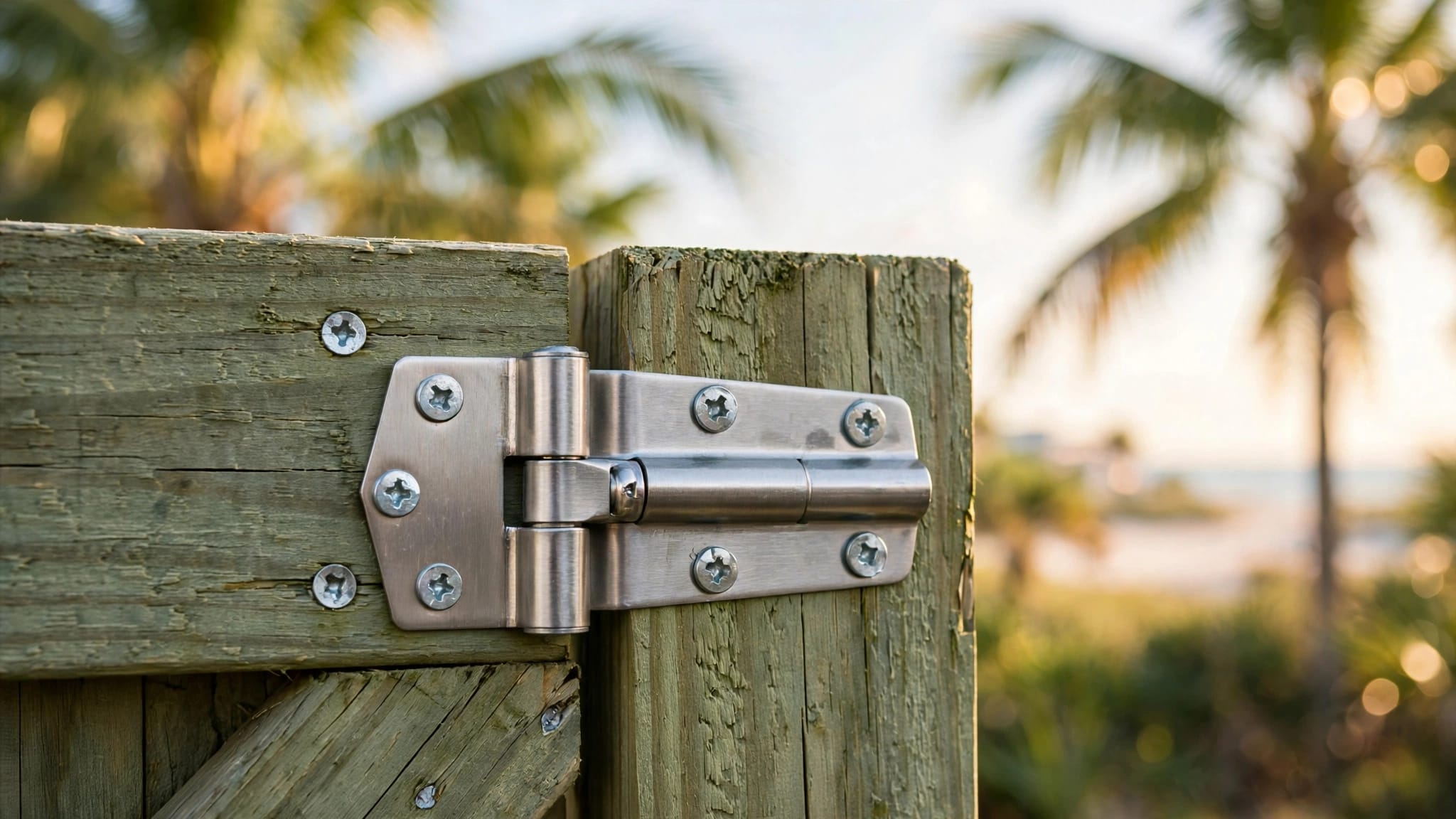
Near the coast, corrosion-resistant gate hardware can help protect hinges, fasteners, and other exposed parts. Hardware selection still needs to suit the gate's weight and design.
When to Call a Gate Technician or Fence Contractor
Call a qualified automatic gate technician when the operator stops repeatedly, the controls behave unpredictably, or you need help identifying the release. Electrical diagnosis and safety-device work belong with someone trained on the equipment.
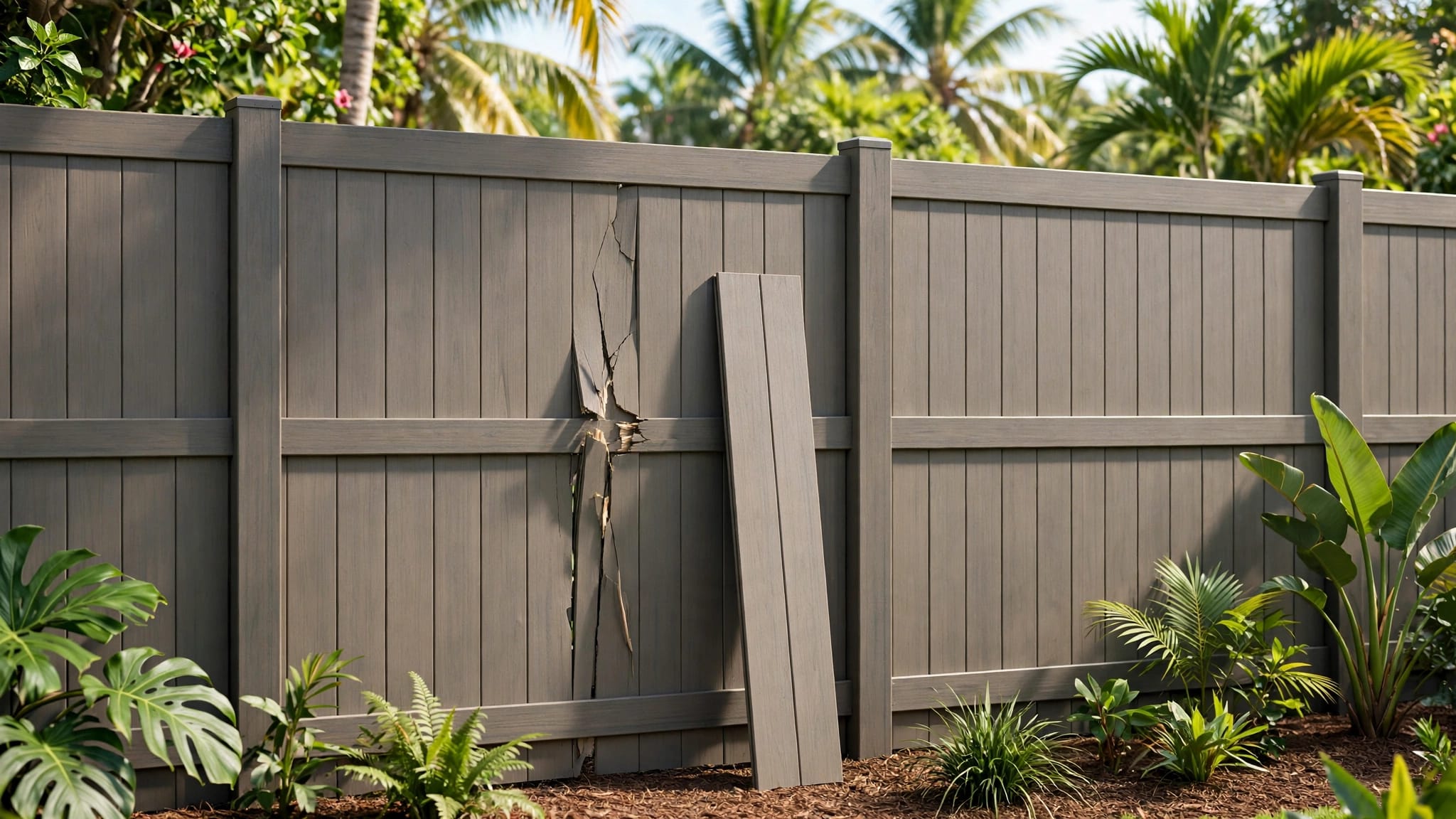
A fence contractor can assess physical issues such as a sagging frame, a loose post, a damaged hinge, or a gate that rubs against its surroundings. Some problems involve both the structure and the operator, so more than one trade may be needed.
At Supreme Fence of SWFL, we provide fence installation and repair in Cape Coral and surrounding Southwest Florida communities. If the gate structure or supporting fence needs attention, we can discuss the visible condition and the repair work needed.
Frequently Asked Questions
Can I Push an Automatic Gate Open?
Don't force a gate while its operator is engaged. A manual release may allow hand movement, but only use it when you understand the equipment's procedure and can follow its safety instructions. Otherwise, call a qualified technician.
Does a Manual Release Fix a Gate That Stopped?
No. It provides a way to disengage the drive mechanism; it doesn't correct a fault in the gate or operator. Repeated interruptions and visible damage need professional attention.
Should I Keep Trying the Remote?
Stop sending commands if the gate has stalled, scraped, or moved out of alignment. Keep the travel area clear and record what happened. Repeated attempts can cause further damage or unexpected movement.
Prepare Before You Need Access
A manual release can help you regain driveway access, but the gate must be stable and its path clear. Knowing the release arrangement in advance makes that decision easier.
Arrange a demonstration with a qualified technician before an outage or malfunction. A practical plan gives your household a safer way to respond when the gate stops.