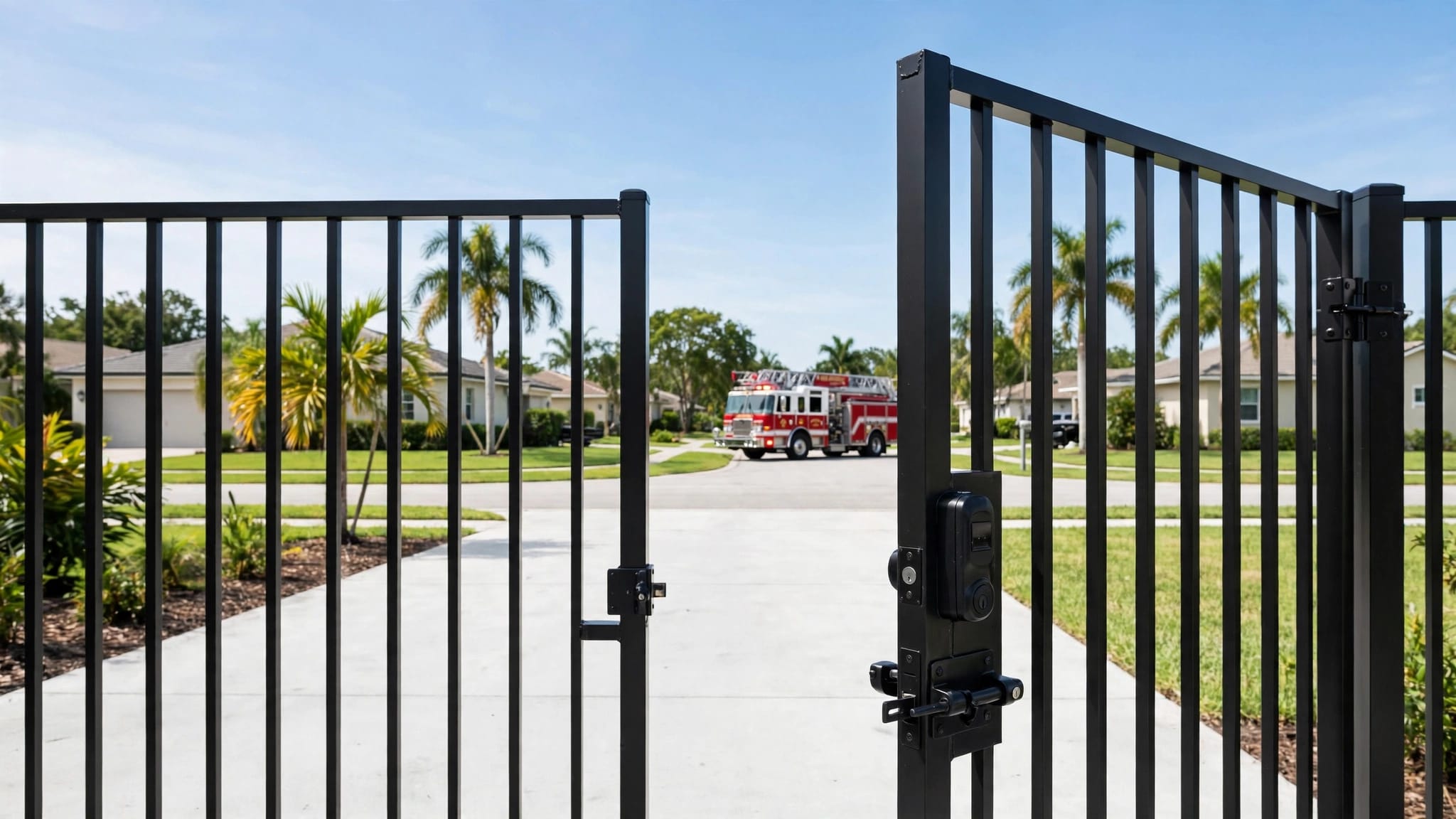
Can You Add Privacy Panels to an Aluminum Fence?
An aluminum fence gives you clean lines and open views, but that openness can feel exposed. If your yard faces a street, a pool, or close neighbors, aluminum fence privacy panels can sound like an easy fix.
The short answer is yes, sometimes. The better answer is that the right solution depends on your fence style, its age, and how much privacy you want.
Some add-ons fit well. Others put too much stress on the fence and create new problems. A smart choice starts with the frame, not the look.
What an aluminum fence can handle
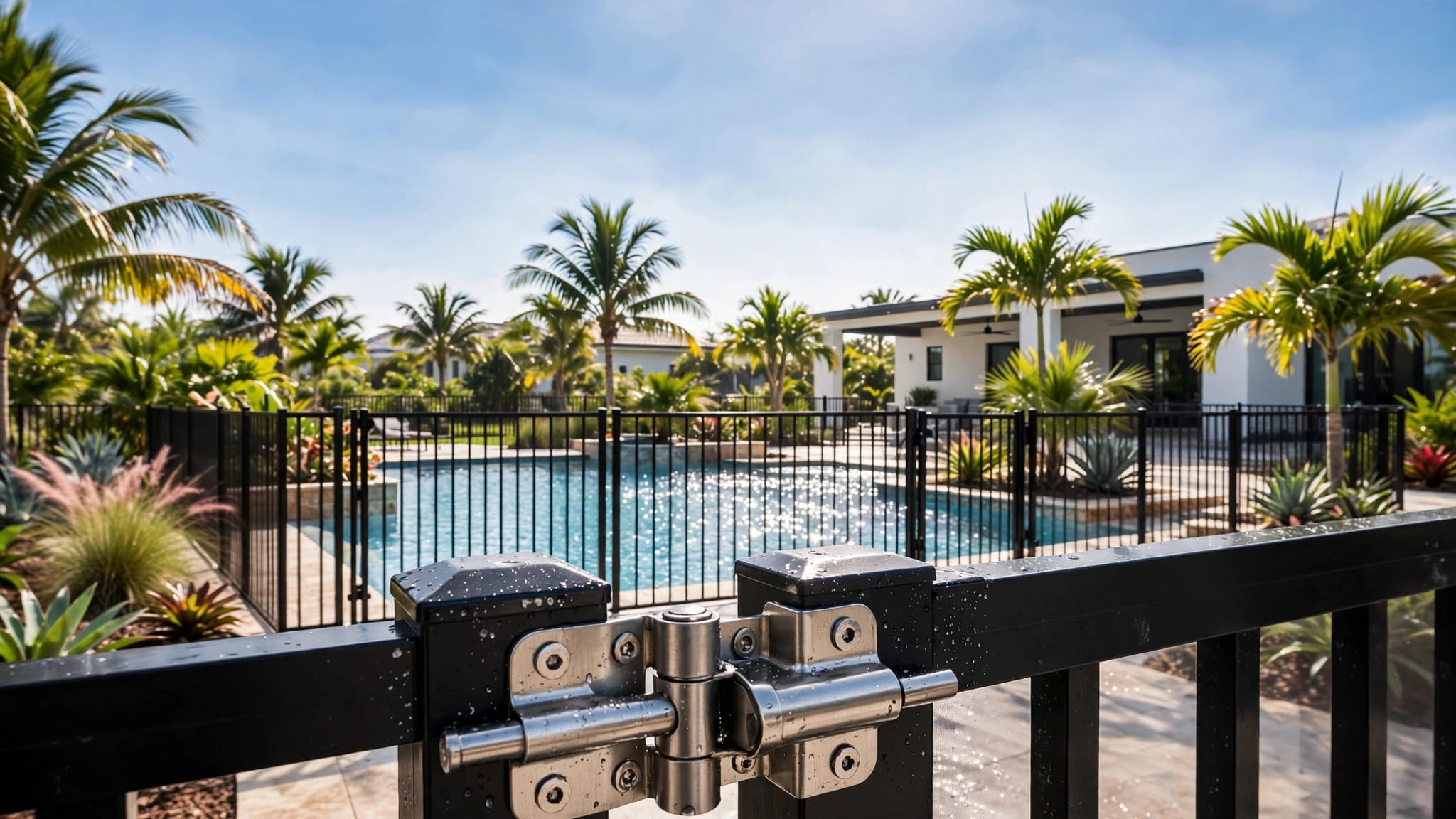
Aluminum fencing is popular because it stays light, resists rust, and handles Florida weather better than many metals. That same light build is why privacy add-ons need a careful approach.
The open picket design lets wind pass through. That matters more than many people think. Once you cover those openings, the fence starts catching wind like a sail. On a strong day, that extra pressure can loosen fasteners, bend rails, or strain posts.
Condition matters too. A newer fence with solid posts and tight hardware can handle more than an older one. A fence that already leans, rattles, or has loose gates should not carry a heavy add-on.
Before you buy anything, check these points:
- post spacing and depth
- rail strength
- picket layout and gap width
- gate condition
- signs of corrosion around hardware
If you're unsure, a local pro can inspect the fence in person. professional aluminum fence installers in Cape Coral can tell you whether your fence is ready for a retrofit or needs repairs first.
Retrofit options that give you more privacy
Not every privacy option works the same way. Some give you a soft screen. Others block more of the view but add more weight and wind load.
Here is a simple comparison of common options.
| Option | Privacy Level | Wind Load | Best Use | Main Limitation |
|---|---|---|---|---|
| Privacy slats or inserts | Low to medium | Low | Small visibility gaps | Limited on open picket styles |
| Mesh or screen fabric | Medium | Medium to high | Short-term screening | Needs firm fastening |
| Custom mounted panels | High | High | Selected sections only | Can strain older fences |
| Landscaping with panels | Medium | None on fence | Long-term curb appeal | Takes space and time |
Privacy slats and insert strips work best when the fence design leaves room for them. They can soften the view without turning the whole fence into a wall. That makes them a good choice for side yards or short stretches.
Mesh screens and fabric panels block more sight lines, but they also catch more wind. In Southwest Florida, that tradeoff matters. A screen that looks fine on a calm day can become a problem during storm season.
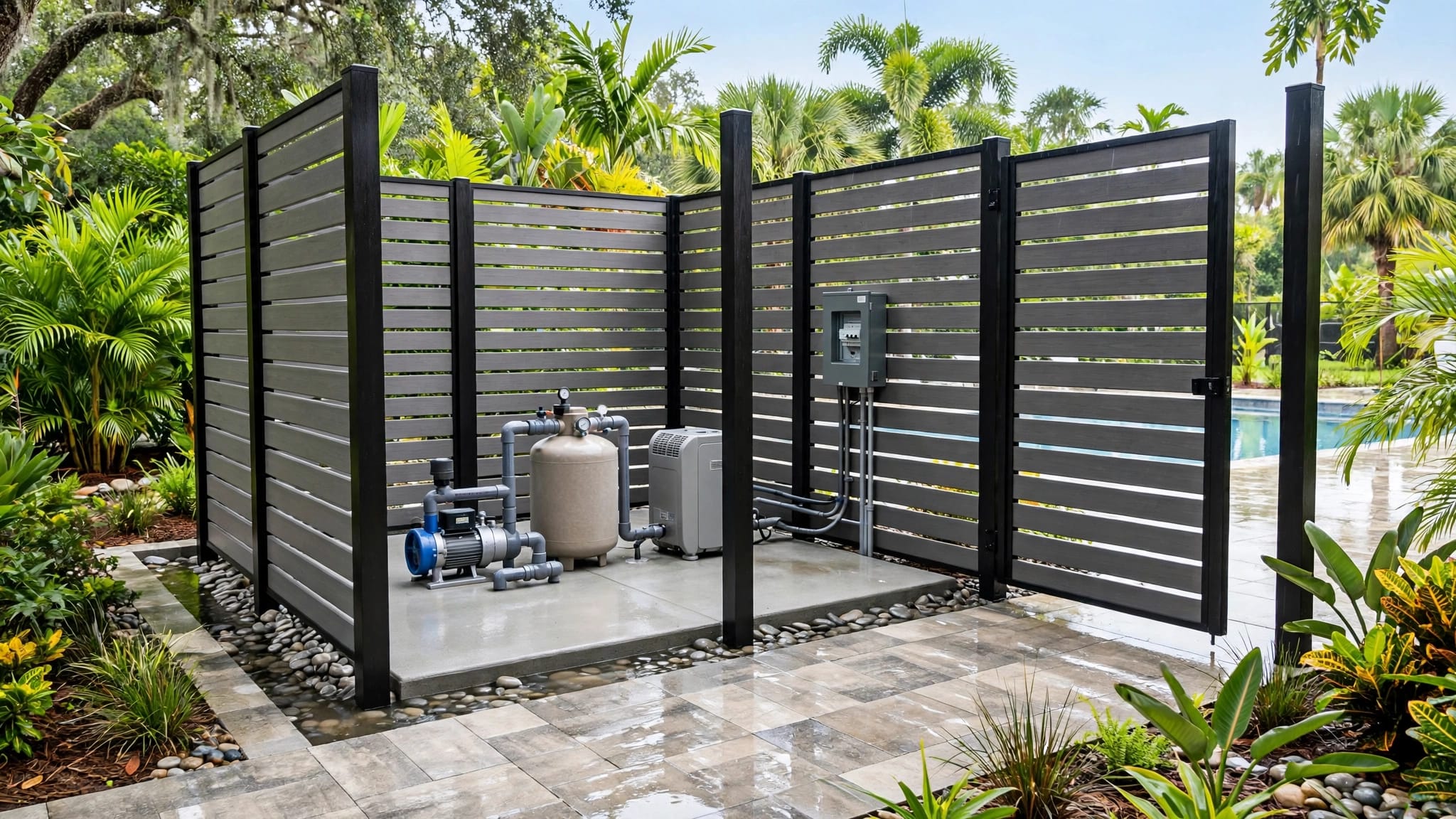
Custom mounted privacy panels give you the most coverage. Still, they should be limited to strong sections of fence, and they need solid attachment points. A pro installation matters here because the hardware has to match the fence, not fight it.
If you want a cleaner look without loading the fence, shrubs, hedges, or a narrow landscape bed can help. That approach keeps the fence working the way it was built.
If a privacy add-on blocks wind too well, it can create more trouble than the view it solves.
Limits to watch before you install anything
Florida weather should shape your decision. Heat, rain, salt air, and strong gusts all affect how long a retrofit lasts.
Fasteners are a common weak point. Screws, brackets, and clips need to resist corrosion. If the hardware fails, the panel starts to rattle or pull away. That damage can spread to the fence rails and posts.
HOA rules and local code can also matter. Some neighborhoods limit fence height, color changes, or front-yard screening. A property near a pool may have separate safety rules too. It pays to check before you attach anything permanent.
Appearance is another issue. A good retrofit should look intentional. Panels that sag, bow, or clash with the fence color can lower curb appeal fast. Worse, they can make a clean aluminum fence look patched together.
Maintenance should stay on your list as well. After storms, check for loose clips, bent rails, and trapped debris. A quick inspection can prevent a small problem from turning into a bigger repair.
When a full replacement makes more sense
Sometimes the right answer is not to add anything at all. If the fence is already near the end of its life, a privacy upgrade may not be worth the effort.
Replacement makes more sense when you see repeated repairs, loose posts, warped sections, or heavy corrosion at the hardware. It also makes sense when you want privacy across most of the property, not just a few small sections.
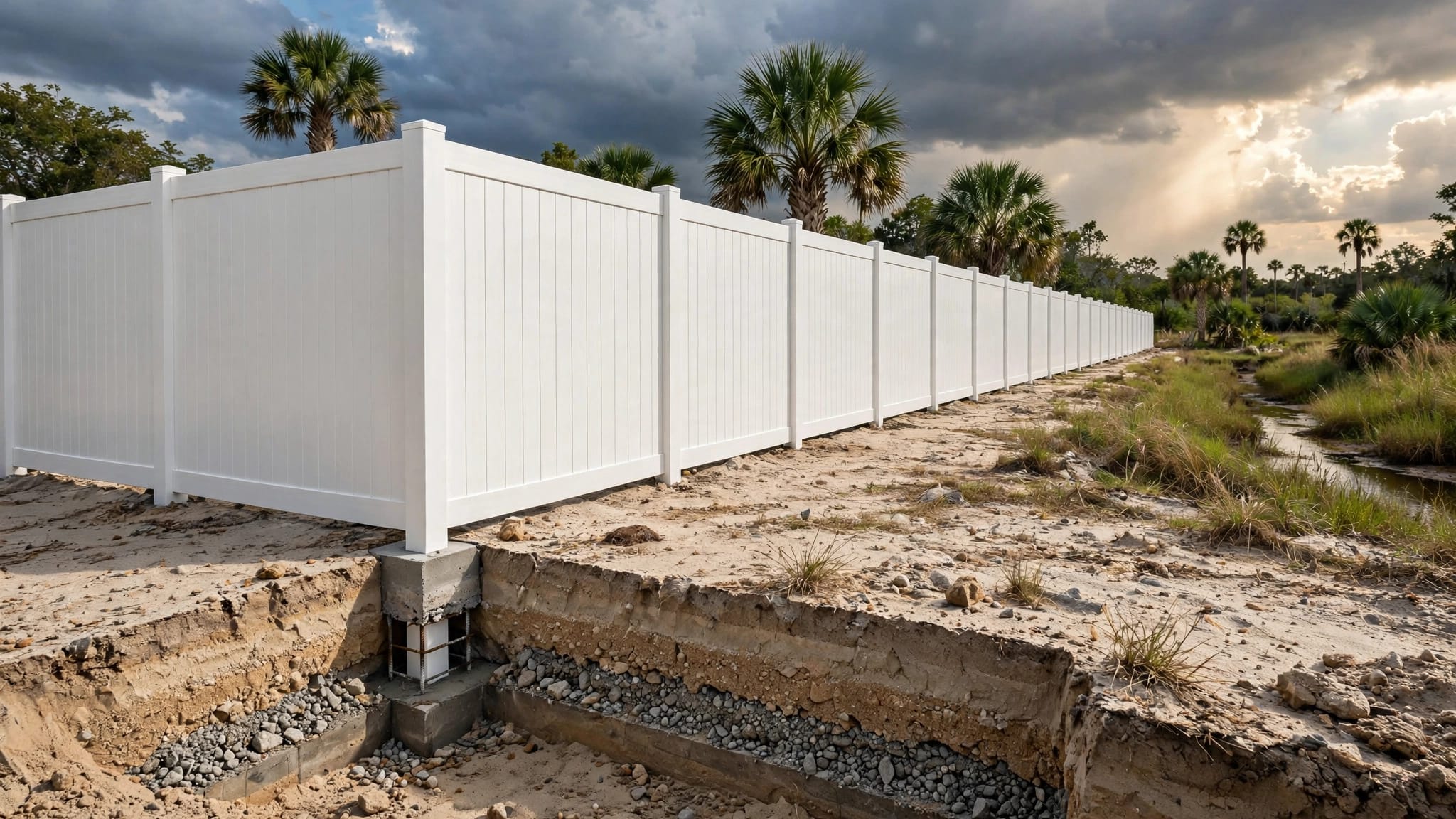
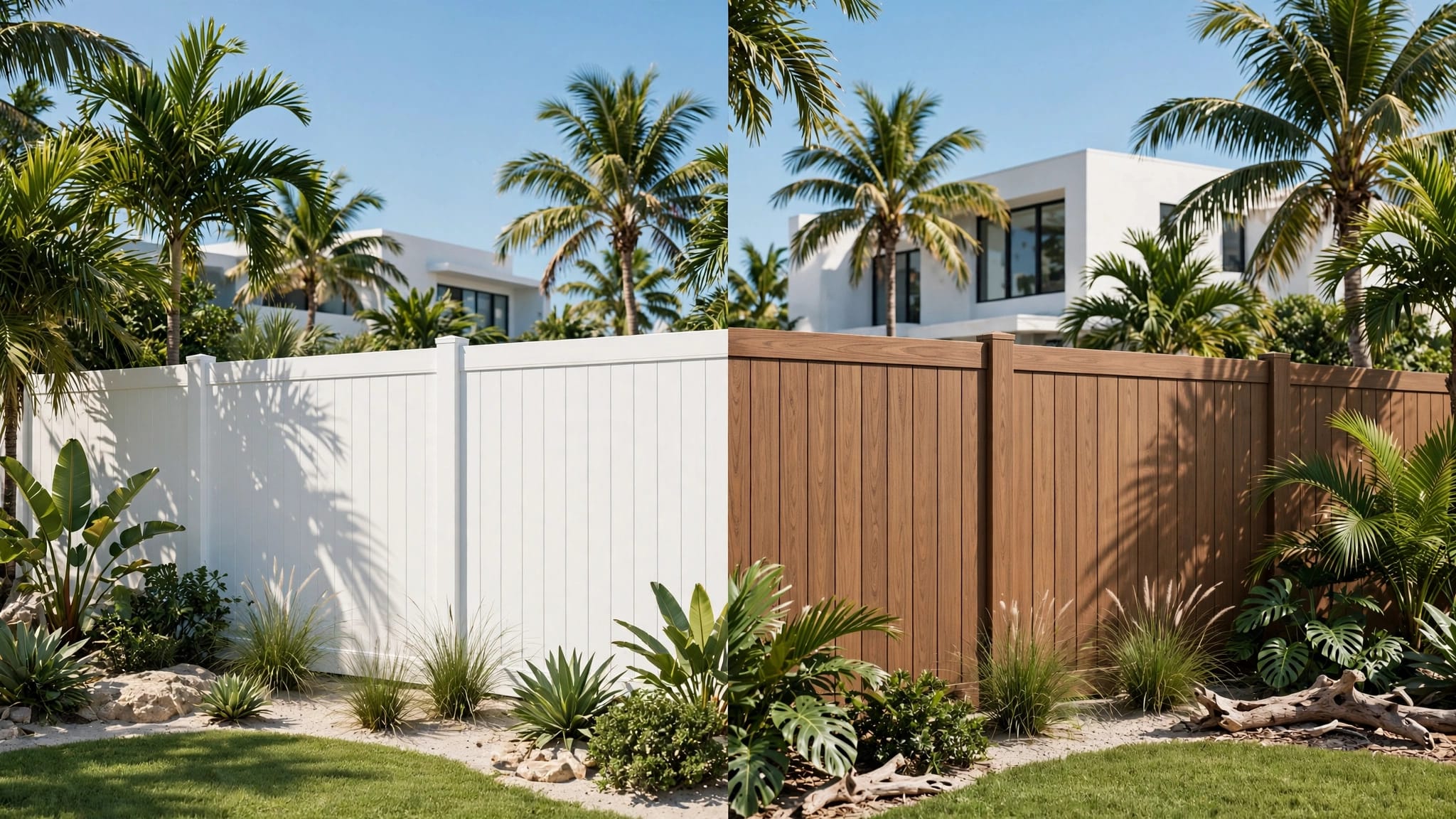
In that case, a different fence style may fit better. Vinyl and wood privacy fences are built for coverage. They give you a solid barrier without asking the fence to do something outside its design.
Cost matters, but so does lifespan. A fence that still has many good years left can justify a retrofit. A fence that needs constant attention may not. aluminum fence durability in coastal climates is a useful guide when you're weighing repair against replacement in Southwest Florida.
A replacement also gives you a chance to rethink the whole yard. You can place privacy where you need it most, then keep open fencing where airflow and views matter.
Conclusion
Yes, you can add privacy panels to an existing aluminum fence, but the fence has to support the weight and wind load first. The best option is often a lighter retrofit, not a solid wall of panels.
If your fence is in good shape, a screen, insert strip, or custom partial panel may work well. If the posts are weak or the fence is aging, replacement may save money and headaches later.
A strong result starts with the fence you already have, then matches the privacy solution to its structure. That keeps the yard private without asking the fence to do more than it should.