Best RV and Boat Parking Fence Options for Southwest Florida Homes
Parking a boat, RV, or trailer at home sounds simple, until the fence starts getting in the way. In Southwest Florida, a fence around a parking area has to do more than mark a boundary. It needs to stand up to heat, heavy rain, salt air, and storm season, while still giving you enough room to pull in and out without a headache.
The right RV boat parking fence gives you security, cleaner sightlines, and less worry about weather wear. Just as important, it should stay easy to use on a busy weekday, not only on install day.
What an RV and boat parking fence needs in SWFL
A parking fence in SWFL has a tougher job than a simple backyard fence. Your gate opening has to work for a large vehicle, not just a person or lawn mower. That means wide access, strong hinges, and room to turn without clipping a post.
Climate matters just as much. Salt in the air can wear down cheap hardware fast, especially near canals and the coast. If your home sits in a higher-exposure area, the same lessons behind salt air and wind-resistant waterfront fencing apply here too. Materials and fasteners need to resist corrosion, and the fence design should let wind pass instead of fighting it.
Privacy is another big choice. Some homeowners want to hide the boat from the street and HOA eyes. Others care more about airflow, lower cost, and an open look. A solid panel gives privacy, but it can also act like a sail in a summer storm. An open design feels lighter and often handles wind better.
For RV and boat parking, the gate matters as much as the fence itself.
Also think about daily use. Can you back the trailer through the opening in one smooth move? Will the gate drag after heavy rain? Does the fence line leave enough room for mirrors, trailer tongues, and uneven ground? Those details often decide whether a fence feels helpful or frustrating.
Comparing the best fence materials for RV and boat parking
Each fence type solves a different problem. This quick comparison makes the choice easier.
| Fence option | Best use case | Main pros | Main watch-outs |
|---|---|---|---|
| Chain link | Budget-friendly parking areas | Low upkeep, wind-friendly, strong, open visibility | Less privacy, some HOAs dislike the look |
| Aluminum | Homes that want curb appeal and corrosion resistance | Rust-resistant, clean look, low maintenance | Higher cost, little privacy |
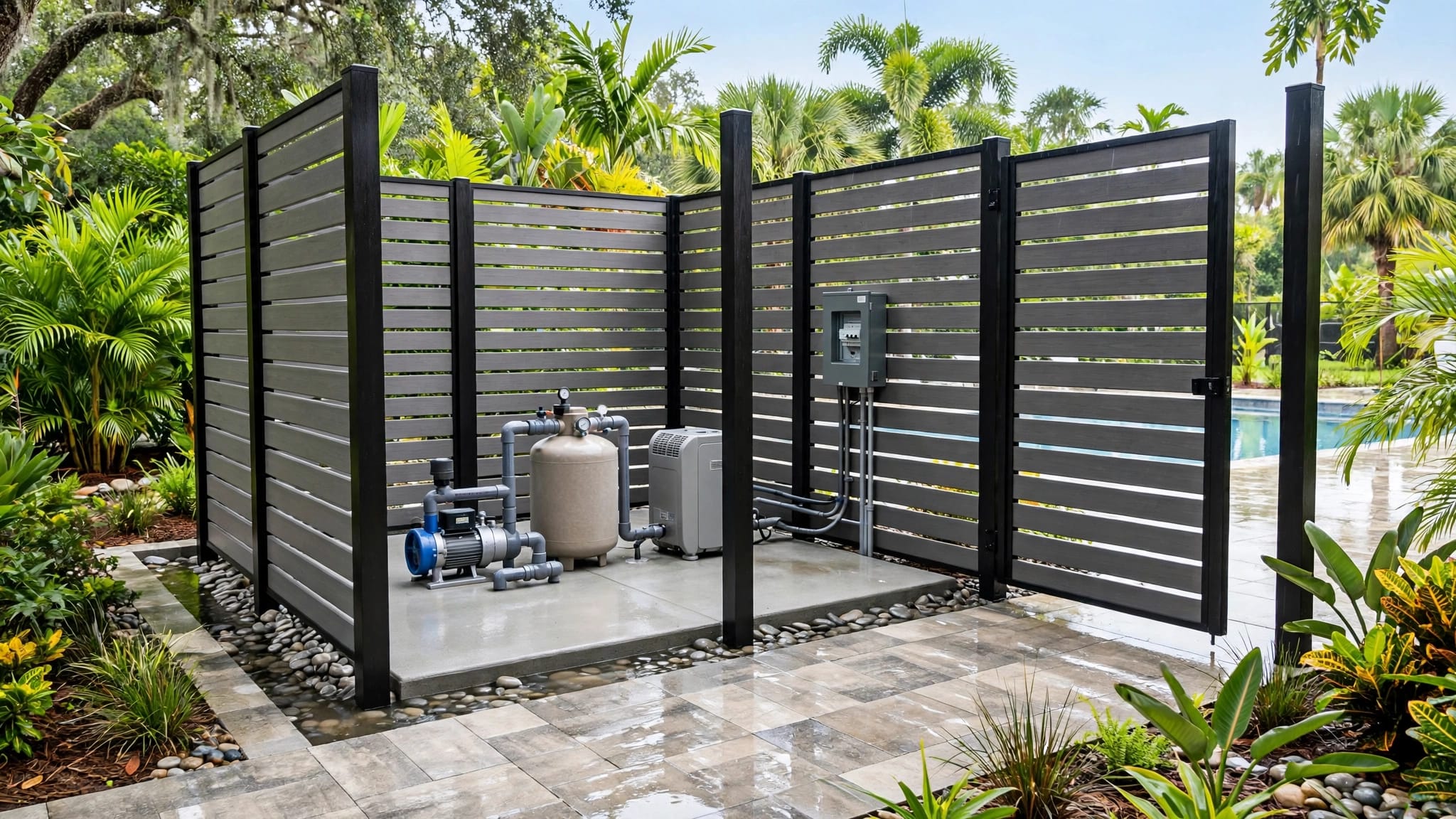
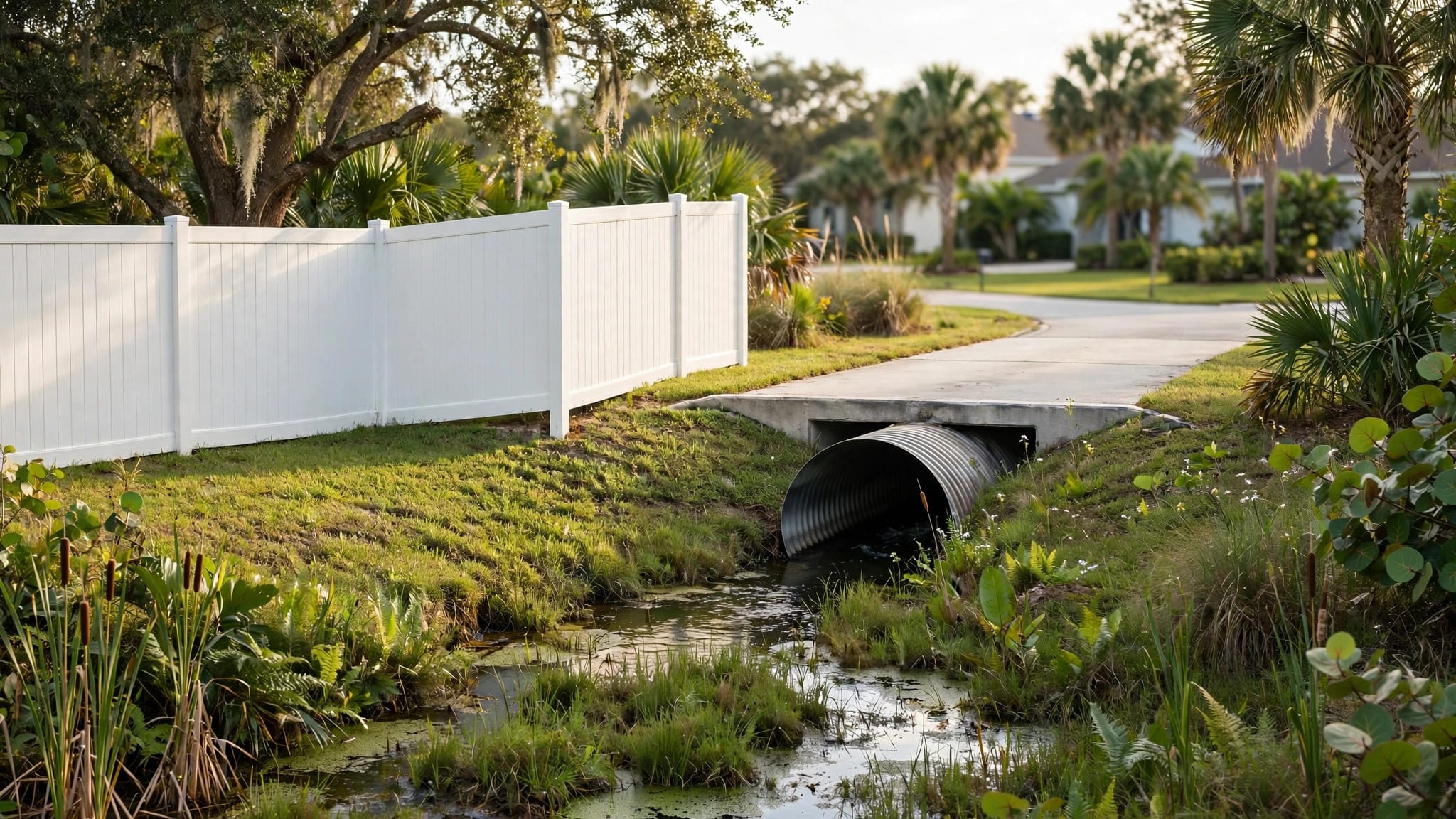
| Vinyl | Side-yard parking that needs privacy | Hides equipment, easy to clean, no rust | Solid panels catch more wind, gate framing matters |
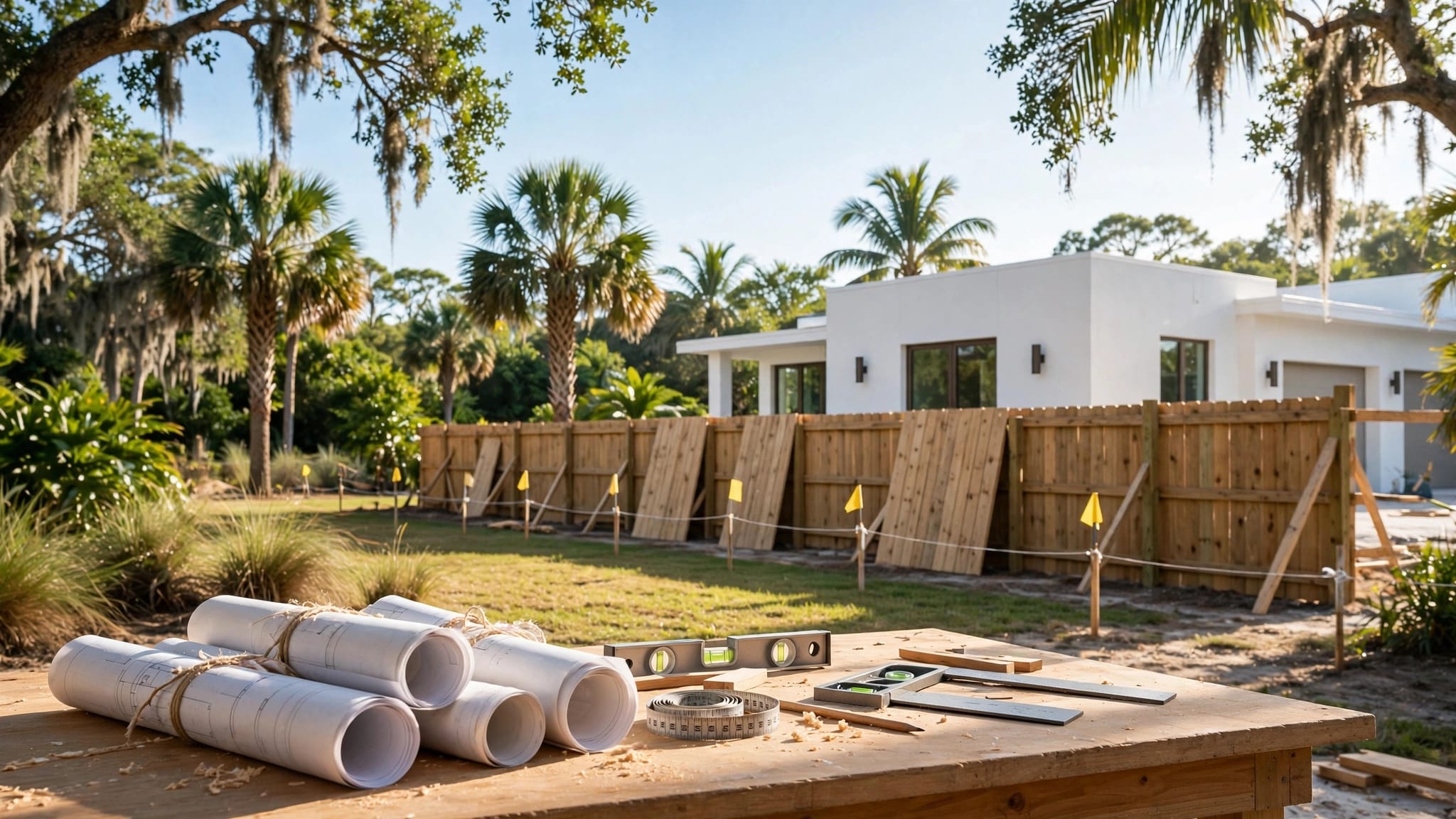
| Wood | Homes wanting a classic look | Warm appearance, good privacy | Highest upkeep, shorter life in wet heat |
For many SWFL homeowners, chain link and aluminum are the best all-around choices. Vinyl works well when privacy comes first. Wood can work, but it usually asks for more care.
Chain link works well when function comes first
Chain link is often the practical pick for RV and boat parking. It handles wind well, keeps costs lower, and usually needs less upkeep than wood. A black-coated system can also look cleaner and less industrial than many people expect. If you want a closer look at the pros, this guide to durable chain link for SWFL properties is a helpful starting point.
This option makes sense for side yards, rear storage areas, and homes where access matters more than privacy.
Aluminum is a strong fit for long-term value
Aluminum is a great match for Southwest Florida because it resists rust, looks sharp, and stays low-maintenance. Its open picket design also reduces wind pressure, which is a real benefit during storm season. For homeowners who want a cleaner look from the street, rust-resistant aluminum fences Florida can be one of the smartest upgrades.
The tradeoff is privacy. If you want to screen an RV completely, aluminum alone may not do it.
Vinyl gives you the most privacy
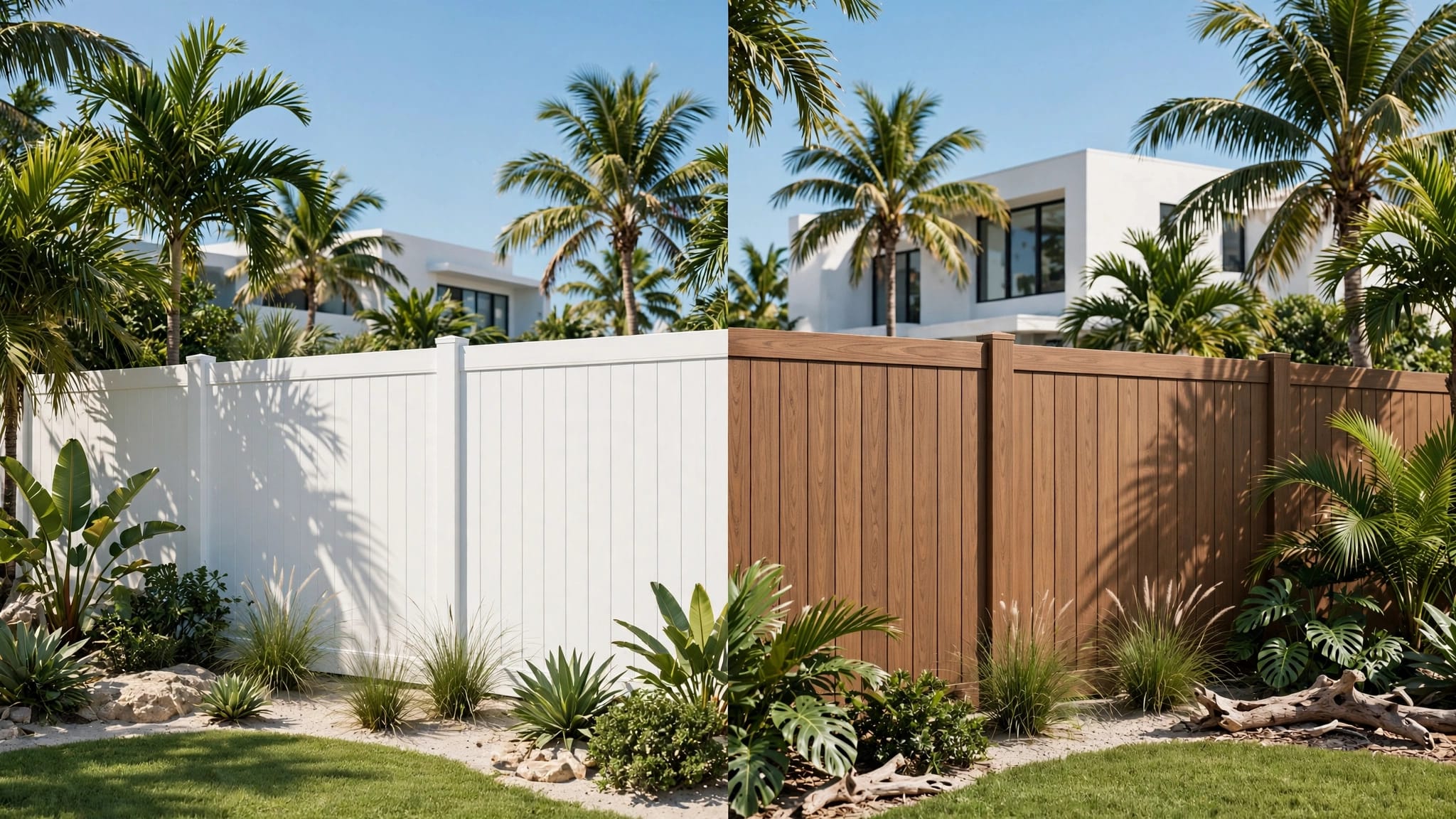
Vinyl is popular because it hides stored equipment well and doesn't rot or rust. A rinse now and then is often enough to keep it looking good. That said, not every vinyl style is ideal for an exposed parking area. Full privacy panels can take more wind load, so post strength and gate support matter a lot. On breezy lots, a semi-private or picket-style vinyl fence may be the better call.
Vinyl fits best when the goal is to block views from the street or neighbors.
Wood looks nice, but it asks more from you
Wood still appeals to homeowners who want a natural look, but SWFL weather is hard on it. Heat, rain, termites, and wet soil can shorten its life, especially around gates and posts. If you're considering it, this breakdown of wood fence lifespan Southwest Florida explains the upkeep side clearly.
Wood makes more sense for inland homes with lower exposure and owners who don't mind regular sealing or repairs.
Gate layout, storm readiness, and local rules matter too
Even the best material won't help if the layout is wrong. A beautiful fence becomes a daily nuisance when the gate is too narrow, the swing path is blocked, or the trailer needs a three-point turn every time you park.
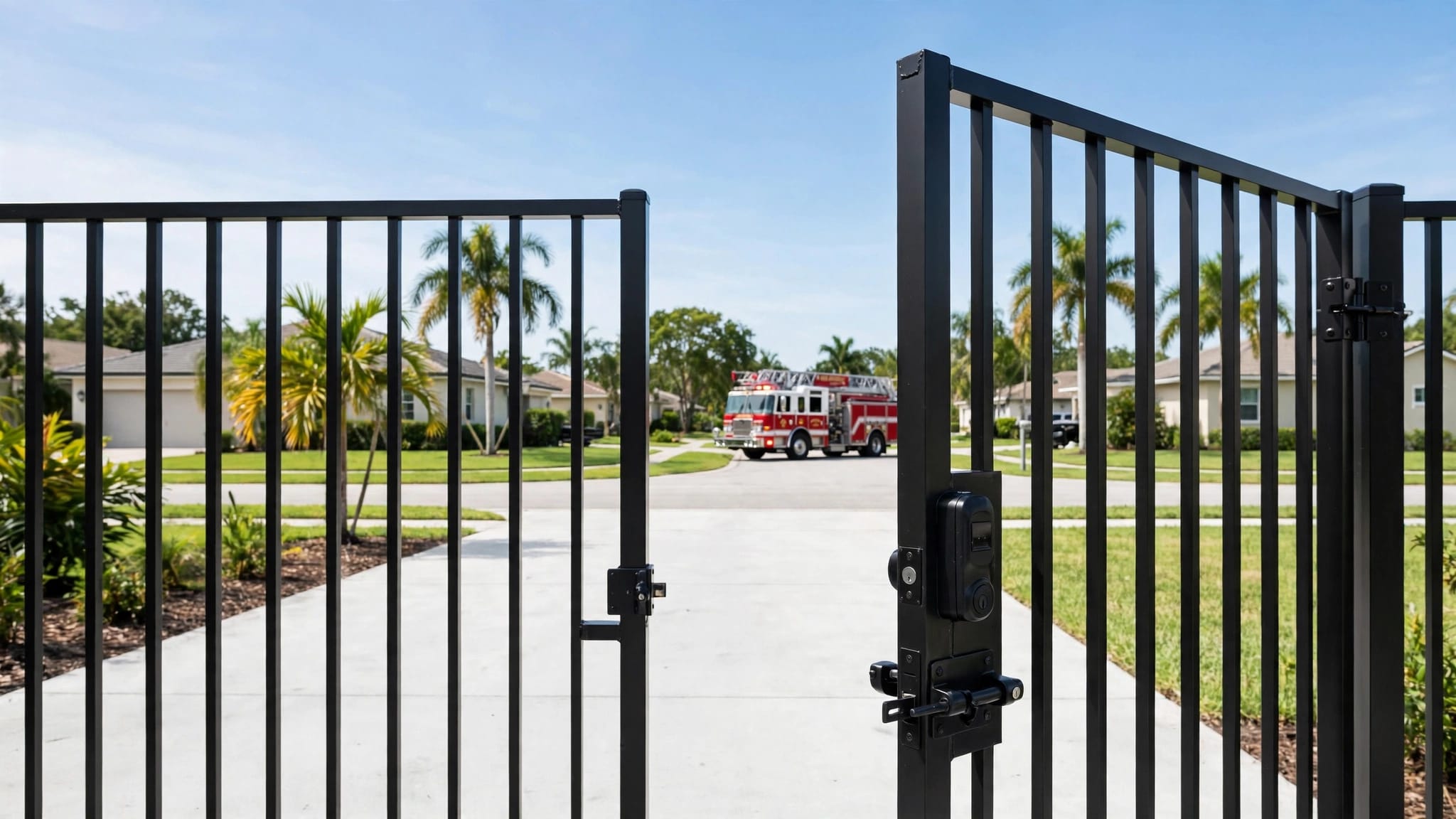
Start with the route, not the panel style. Look at the full approach into the parking space. Account for mirrors, trailer length, and how sharply you need to turn. Many homes need a wide double gate instead of a standard side gate. Strong posts matter here because large gates put extra stress on hinges and latches.
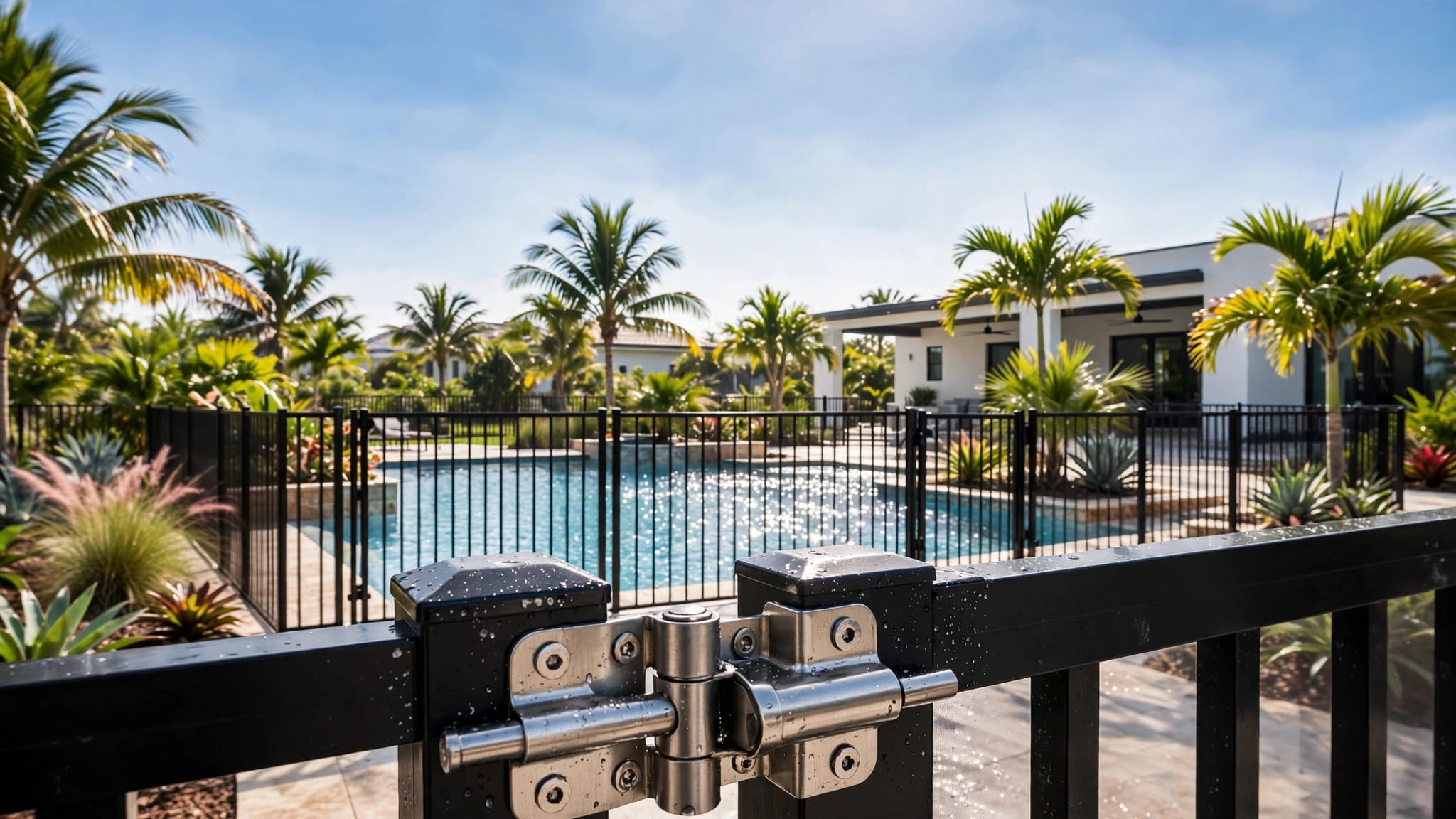
Storm readiness should stay on the checklist too. In SWFL, wide gates see more strain during high winds. Corrosion-resistant hardware, solid post support, and a fence design that doesn't trap too much wind all help the system last longer.
Then there are local rules. Requirements can vary by county, city, neighborhood, and HOA. Lee County, Collier County, Charlotte County, Sarasota-area communities, and cities like Cape Coral or Fort Myers may all have different rules on height, setbacks, permit needs, and where you can place a fence beside a driveway or side yard. If the fence runs near a property line, it's also smart to review Florida shared fence laws before the project starts.
If your parking area connects to a pool barrier or sits in a front-yard zone, rules may get tighter. Always verify current local and HOA requirements before installation.
Final thoughts
The best RV boat parking fence for a Southwest Florida home is the one that fits your space, your weather exposure, and the way you actually park. Chain link and aluminum are often the easiest long-term choices, vinyl is strong for privacy, and wood works best when appearance matters more than maintenance. Before you build, measure the gate path carefully, think through storm season, and confirm today's local rules.