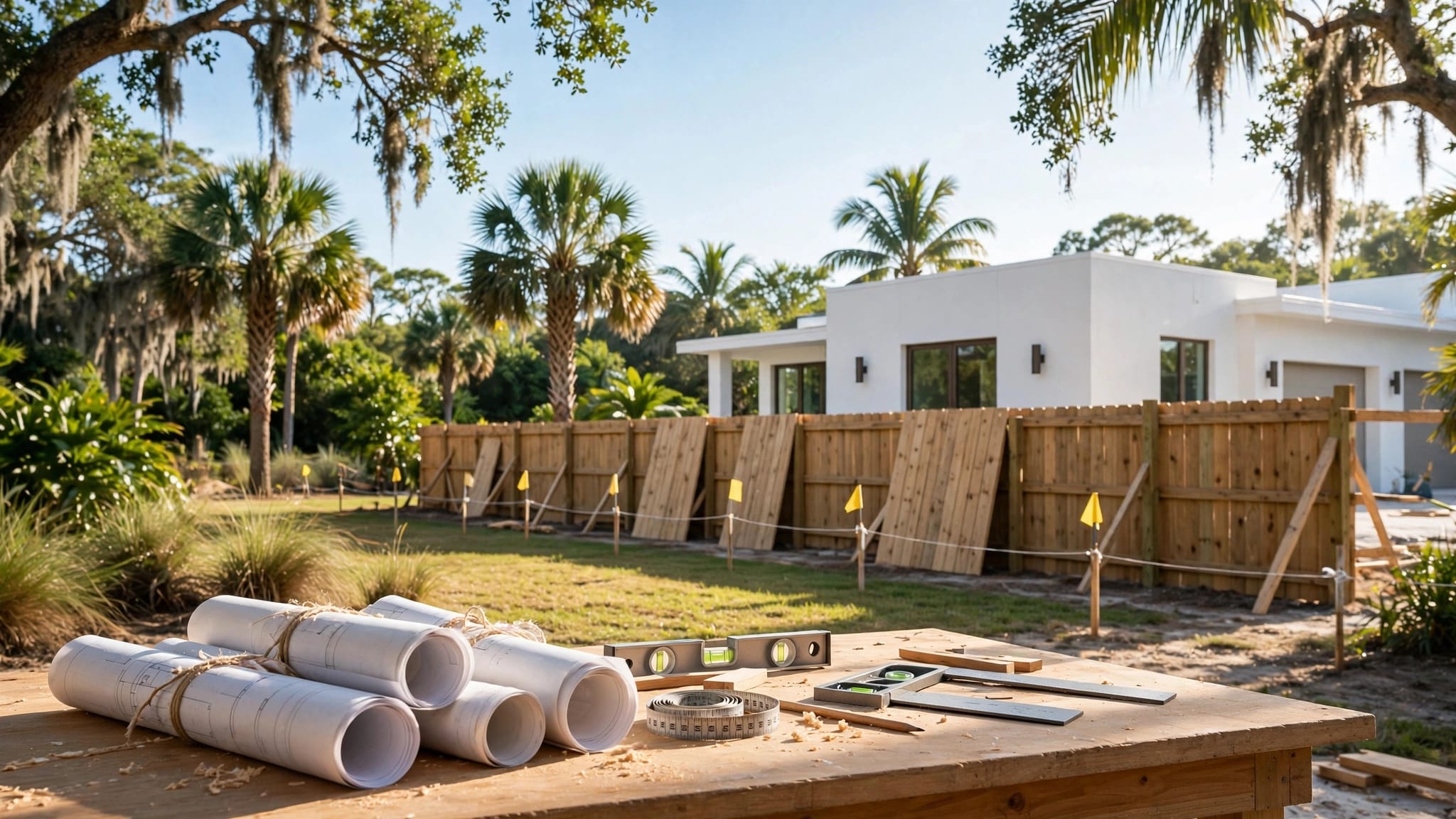
Palmetto Fence Permit Guide for 2026 Homeowners
A Palmetto fence permit can affect your project before you choose a material, schedule installation, or order panels. In the City of Palmetto, homeowners generally need a building permit before erecting a fence or wall.
Requirements change when a property sits outside city limits. The city, county, zoning district, lot location, easements, flood conditions, and HOA rules can all affect approval. Start by confirming your jurisdiction and proposed fence location with the correct permitting authority.
Key Takeaways for Palmetto Homeowners
- The City of Palmetto requires a building permit before a fence or wall is erected.
- A city application generally needs a fence sketch, material description, proposed height, and survey showing the fence location.
- City guidance generally allows fences up to 6 feet in side and rear yards and about 4 feet in front yards, measured by the applicable local standard.
- A fence cannot extend beyond your parcel, occupy a public right-of-way, or block required utility easement access.
- Unincorporated Manatee County may have a limited permit exemption for certain nonstructural wood, chain-link, and vinyl fences, but homeowners must confirm current requirements.
- HOA approval and government permit approval are separate processes.
- Pool barriers, corner lots, flood hazard areas, drainage features, and shared property lines need additional review.
Start With the Correct Palmetto-Area Jurisdiction
Your mailing address does not always tell you which office controls the fence project. A Palmetto address may fall inside the City of Palmetto, while another nearby property may sit in unincorporated Manatee County.
City of Palmetto or unincorporated Manatee County?
Properties inside the city follow the City of Palmetto's building and zoning requirements. Properties outside city limits may fall under Manatee County Development Services instead. Those authorities can use different permit rules, height standards, application forms, and fee schedules.
The safest first step is to provide your full property address to the permitting office and ask which jurisdiction applies. You can also review this guide to Florida fence permit requirements for new homes for a broader explanation of how city and county boundaries affect fence projects.
HOA approval is a separate requirement
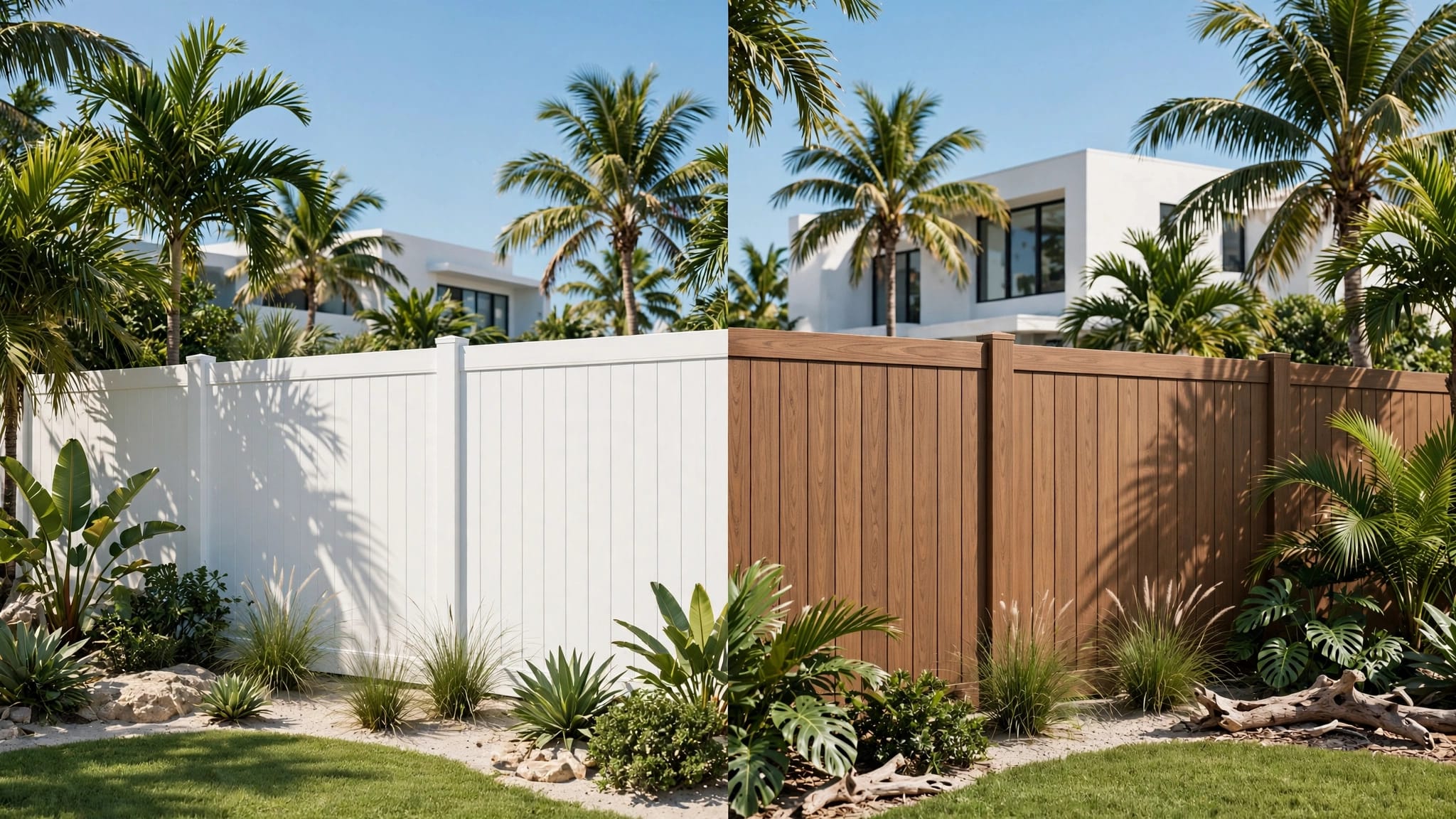
If your property belongs to a homeowners association, you may need written architectural approval before installation. An HOA can regulate material, color, height, finished-side orientation, gate style, or placement.
That approval does not replace a Palmetto fence permit. A city reviewer focuses on public safety, zoning, property placement, and code requirements. An HOA focuses on private community standards. You need both approvals when both apply.
A fence can satisfy the HOA and still violate a city setback or easement rule. It can also satisfy the city and still fail the HOA's design requirements.
What a Palmetto Fence Permit Requires
The City of Palmetto's published application guidance identifies several items homeowners should prepare before applying. The city lists fence-specific resources for "Fence - Chain Link" and "Fence - Wood and Vinyl," so the required details may depend on the material and project type.
Prepare a complete application package
The city guidance calls for:
- A sketch or design showing the proposed fence
- The fence material
- The proposed height
- A survey showing where the fence will sit on the property
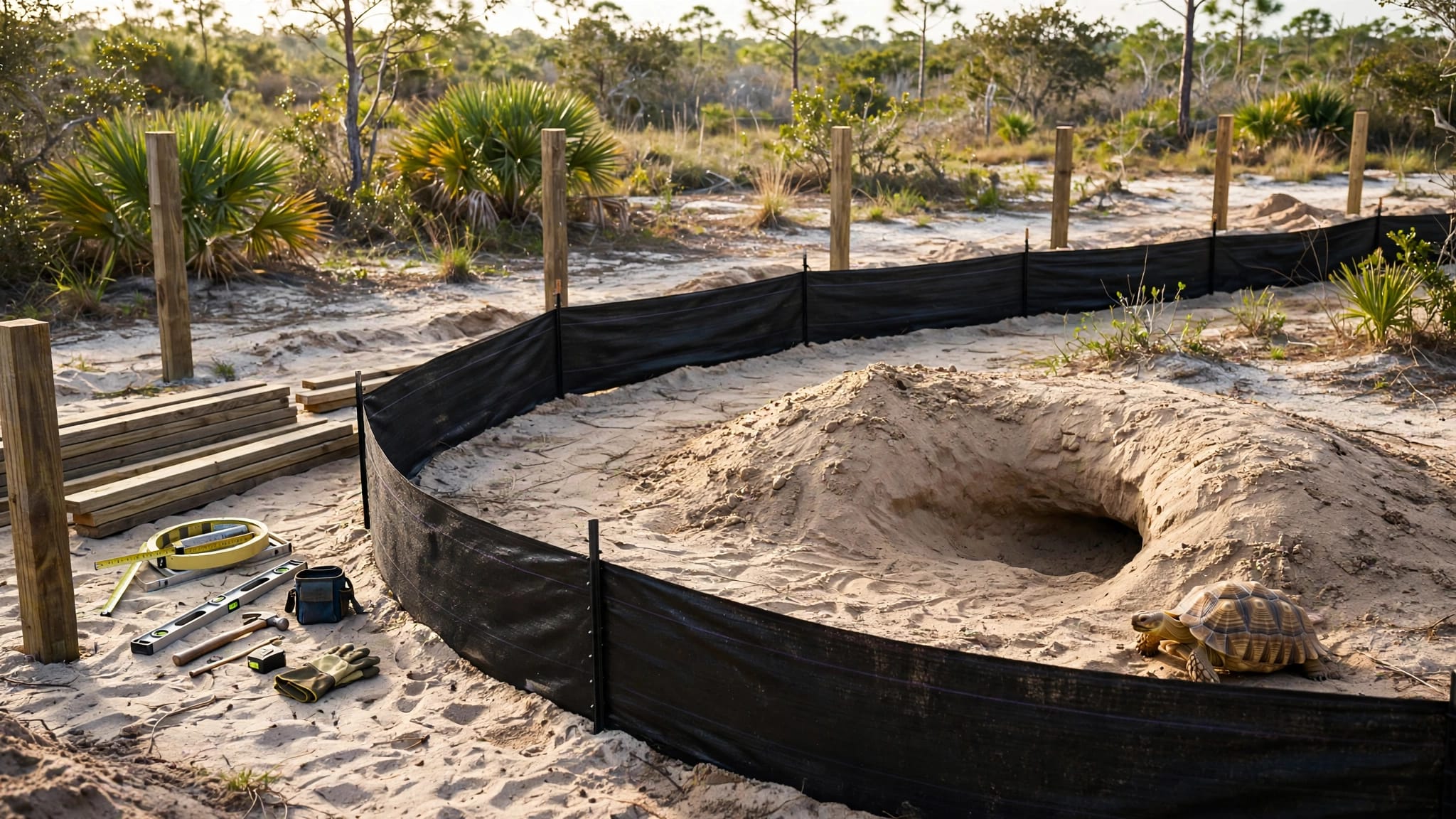
Your sketch should show every fence run, gate location, and the relationship between the fence and the house. Mark nearby driveways, sidewalks, roads, canals, drainage areas, and visible easements when they affect the layout.
A clean drawing can prevent correction requests. If the property line is uncertain, use a current survey instead of relying on an old fence, neighbor measurements, or remembered boundary markers.
Check the height by yard location
City guidance generally permits fences up to 6 feet in side and rear yards . Front-yard fences are generally limited to an overall average height of 4 feet .
These limits do not automatically approve every six-foot privacy fence. The location of the fence, the way the city measures height, the lot configuration, and any special zoning conditions can affect the review.
A sloped yard may also create a measurement issue. Ask the permitting office how height should be measured when the grade changes along the fence line. Select the material and height only after confirming the location shown on your plan.
Review boundaries, rights-of-way, and easements
A fence must remain within your parcel boundaries. City guidance also restricts fences from extending into a street or road right-of-way. Utility easements require special care because the fence may interfere with permanent access.
Before installation, compare the proposed fence line with your survey. Mark utility, drainage, access, and other recorded easements. If a fence must cross or sit within an easement, ask the permitting authority what access must remain available.
Corner lots deserve extra attention. The city's six-foot side and rear-yard allowance includes yards that do not abut the street providing primary access to the property. That does not mean every street-side fence can automatically reach six feet. Confirm the applicable corner-lot placement and visibility rules before ordering materials.
How to Apply for a Palmetto Fence Permit
The City of Palmetto provides permit information through its Building Department and online resources. The city's permits page was updated June 16, 2026, and its Online Portal page was updated March 19, 2026. Use the current forms and instructions rather than relying on an older application packet.
Start by assembling the survey, fence sketch, material description, height, and gate information. Then submit through the city's online portal or follow the current submission instructions provided by the Building Department.
For questions about whether a permit is required, the City of Palmetto lists the Building Department phone number as (941) 721-2166 . Ask the staff member to review your exact address and project description.
A contractor may submit the application, but confirm that arrangement in writing. Ask whether the permit will be pulled under the contractor's information or the homeowner's name, who responds to correction notices, and who schedules the final inspection.
Fence Rules in Unincorporated Manatee County
A property outside Palmetto city limits may follow Manatee County rules instead. The county process can differ, so do not apply the city's height limits or permit assumptions to an unincorporated property without confirmation.
A limited exemption may apply
Surfaced Manatee County guidance indicates that a nonstructural wood, chain-link, or vinyl fence on a one- or two-family residential lot outside a flood hazard area may not require a building permit.
That statement has important conditions. The exemption does not automatically apply to every fence, every property, or every material. Current county confirmation is especially important if the project involves a flood hazard area, unusual lot conditions, a taller fence, or a fence connected to another structure.
Masonry and special construction need review
The same guidance indicates that masonry fences, walls, and columns require a permit. A project that includes concrete columns, block sections, structural walls, or similar features should be reviewed before work begins.
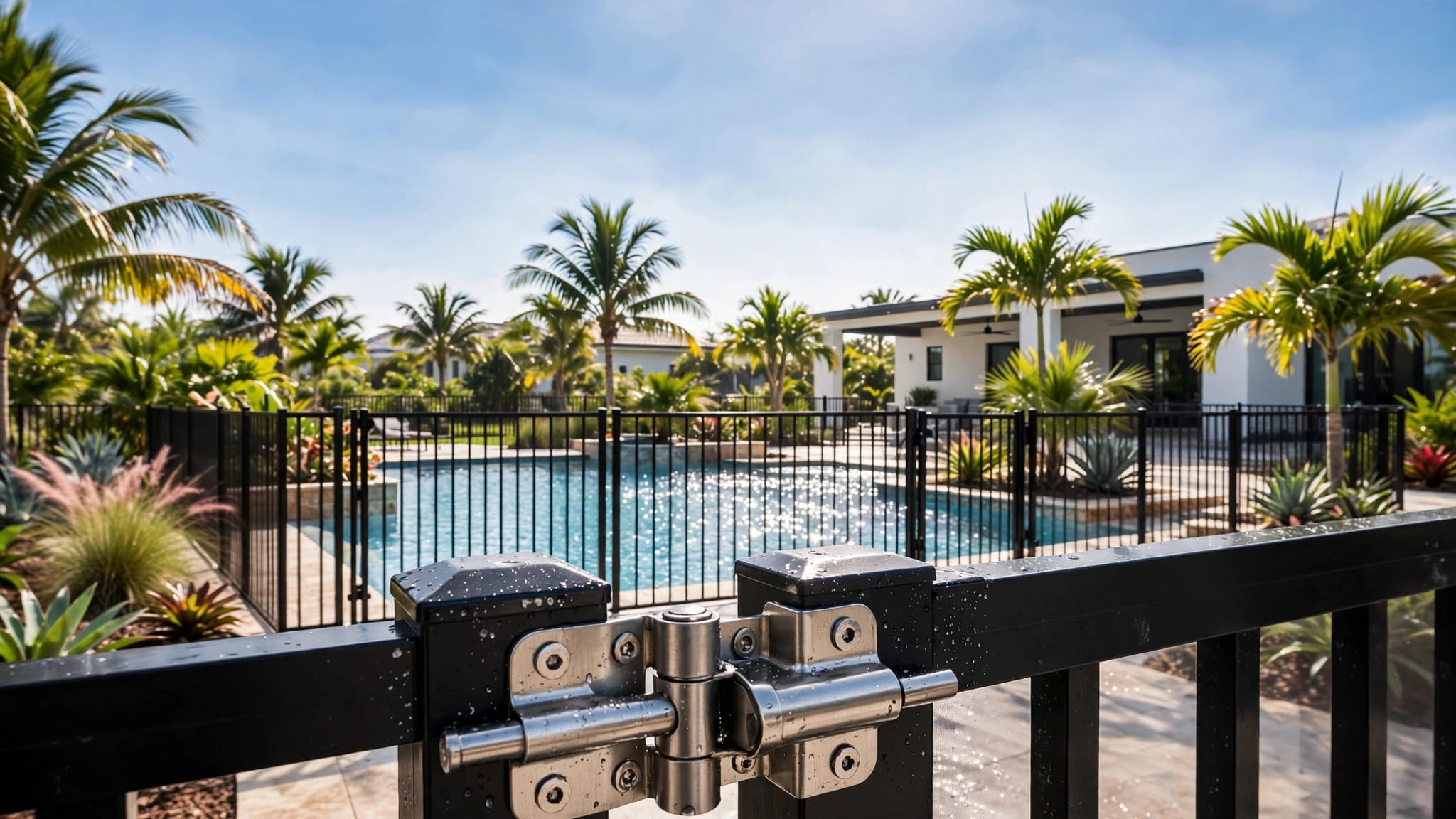
Pool enclosures also need separate attention. A fence that functions as a swimming pool barrier must meet applicable Florida Building Code and local safety requirements. Ordinary residential fence rules do not replace those barrier standards.
Confirm county rules before relying on an exemption
The current county requirements for height, setbacks, corner lots, sight visibility, pool barriers, applications, and fees should be confirmed with Manatee County Development Services. Do not treat a neighbor's permit history as proof that your project qualifies for an exemption.
The property may also be affected by drainage, wetlands, flood conditions, a road right-of-way, or a recorded easement. Those conditions can change the answer even when the fence material appears to qualify.
Special Conditions That Can Change the Review
Some fence projects look ordinary but need more planning because of their location or purpose. These conditions are common across Southwest Florida and should be discussed before installation.
Pools, canals, drainage, and flood areas
A pool fence must preserve the required barrier function. Gate swing, latching, self-closing features, openings, and height may receive separate review. Keep the pool barrier intact while an existing fence is removed or replaced.
Canal and drainage lots may have access or placement restrictions. A fence that blocks maintenance access or sits across a drainage feature can create problems even when the posts are inside the apparent yard area.
Flood hazard status matters as well. A property may look dry and still fall within a mapped flood area. Confirm the flood designation before relying on a county permit exemption.
Shared boundaries and old fences
An existing fence does not prove the property line. It may have been installed in the wrong location, moved over time, or placed under older rules. Use a survey when the fence is near the boundary or when you share the line with a neighbor.
For a shared fence, put the agreement in writing. Address the location, design, access for maintenance, replacement responsibility, and payment. Also call 811 before digging to help identify underground utility lines.
Palmetto Fence Permit Checklist and Questions
Use this short checklist before buying materials or scheduling installation:
- Confirm whether the property is inside the City of Palmetto or in unincorporated Manatee County.
- Contact the correct permitting office with the full property address.
- Review HOA documents and obtain written approval when required.
- Locate a current survey or reliable plot plan.
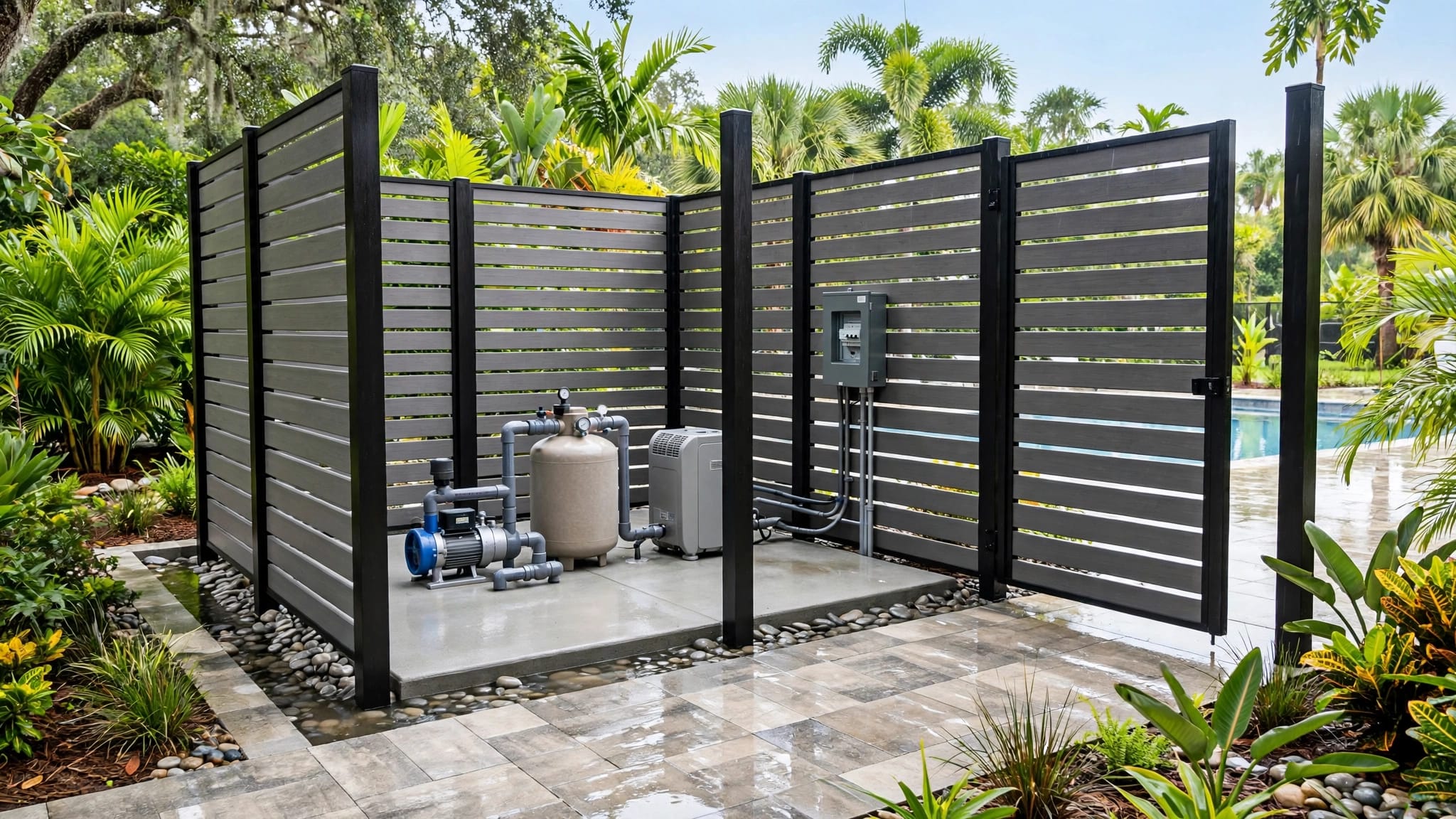
- Mark property lines, easements, rights-of-way, drainage areas, gates, and pool equipment.
- Confirm the allowed height for each yard section.
- Identify whether the fence is part of a pool barrier.
- Select the material and style after checking local and HOA rules.
- Ask who will apply for the permit and handle inspections.
- Wait for required approvals before installation begins.
Before signing a contract, ask:
- Who is the permitting authority for my address?
- Does this project require a building permit, zoning review, or both?
- What documents should be submitted with the application?
- How will the city or county measure fence height?
- Does my property have an easement, right-of-way, flood condition, or corner-lot restriction?
- Does the HOA require design approval?
- Is the fence part of a pool barrier?
- What inspection applies, and who schedules it?
- What is included in the estimate for permit handling, survey work, and revisions?
- What current fee will the permitting office charge?
The City of Palmetto has a general Building Permit Fee Schedule, but the retrieved city information does not provide a verified 2026 fence-specific price. Ask the permitting office for the current amount before submitting payment.
A contractor familiar with Southwest Florida conditions can help organize the survey, layout, permit package, and installation schedule. These questions to ask a Southwest Florida fence contractor can help you compare permit responsibility and project preparation.
Palmetto Fence Permit FAQ
Do I need a permit for a fence inside the City of Palmetto?
Yes. The City of Palmetto states that a building permit is required before erecting a fence or wall. Confirm the current application process and documents with the Building Department before work begins.
What documents are commonly required?
The city identifies a fence sketch or design, material description, proposed height, and survey showing the fence location. Extra information may be needed for corner lots, easements, pool barriers, or unusual property conditions.
How tall can my Palmetto fence be?
City guidance generally allows up to 6 feet in side and rear yards. Front-yard fences are generally limited to an overall average of 4 feet. Confirm how the city applies the measurement to your specific lot and fence layout.
Does an HOA approval replace the permit?
No. HOA approval and government permitting are separate. Obtain written HOA approval when required, then complete the city or county permitting process that applies to your property.
Can I install a fence without a permit in unincorporated Manatee County?
Possibly, but only under limited conditions described in surfaced county guidance. The potential exemption applies to certain nonstructural wood, chain-link, or vinyl fences on one- or two-family lots outside flood hazard areas. Confirm the current rule with Manatee County before relying on it.
How much does a Palmetto fence permit cost?
No verified 2026 fence-specific fee was available in the reviewed city information. Ask the City of Palmetto Building Department for the current fee based on your application and project details.
Conclusion
A successful Palmetto fence project starts with jurisdiction, not material selection. Confirm whether the property falls under the city or county, check the survey and easements, separate HOA approval from permit approval, and verify height limits before ordering materials.
For City of Palmetto properties, plan on a building permit, a clear fence sketch, material and height details, and a survey showing the proposed location. When conditions are unusual, direct confirmation protects your budget and keeps a simple fence project from becoming an expensive correction.