Fence Post Cure Time Before Panels in Florida
The right fence post cure time depends on the concrete mix, weather, soil, post size, and the panels you plan to install. In Florida, a practical range is usually 24 to 72 hours , but heavier privacy panels and gates often justify the longer end.
Fast-setting concrete may allow work after several hours, while standard concrete generally needs at least a day or two before you attach panels. A post that feels firm at the surface may still shift under wind, panel weight, or gate movement, so the installation schedule should follow the product instructions and actual site conditions.
Fence Post Cure Time: The Short Answer
Most homeowners want a simple number, but no single wait applies to every fence. The safest schedule separates standard mixes from fast-setting products and light fence sections from heavy, solid panels.
Standard concrete usually needs 24 to 48 hours
For standard concrete, many fence installation recommendations allow 24 to 48 hours before attaching rails, boards, or panels. This assumes reasonable conditions, stable soil, proper post alignment, and a footing designed for the fence.
In Southwest Florida, waiting 48 to 72 hours is often the more cautious choice when the ground is wet, rain is expected, or the fence has large privacy panels. Vinyl privacy sections, wood panels, and gates place more stress on posts than a light open picket section.
The post should remain plumb and firm during the wait. Avoid using the post as a handhold, leaning materials against it, or attaching temporary bracing that pulls it out of alignment.
Fast-setting concrete changes the schedule
Products such as Sakrete Fast-Setting Concrete Mix and Quikrete Fast-Setting Concrete Mix can harden much sooner than standard mixes. Some fast-setting products become firm within roughly 20 to 40 minutes , but that does not mean the post is ready for a heavy fence panel.
Installation guidance often allows four to six hours before attaching fencing when the product instructions approve it. That shorter schedule only applies when the mix, temperature, water amount, footing, and site conditions all support it.
A fast-setting label describes the product's setting behavior. It does not automatically guarantee that a post can carry a gate or solid privacy panel the same day.
Why Southwest Florida Can Require a Longer Wait
Florida heat may help concrete set faster, but high humidity, heavy rain, standing water, and wet soil can complicate the installation. Concrete and the surrounding ground both need consideration before the fence begins carrying a load.
Humidity and rain affect the working schedule
Fresh concrete needs protection from washout and standing water. A strong rain shortly after placement can damage the surface or change the water balance in the mix. Even when the footing looks intact, saturated soil around the hole can reduce support while the post is still gaining strength.
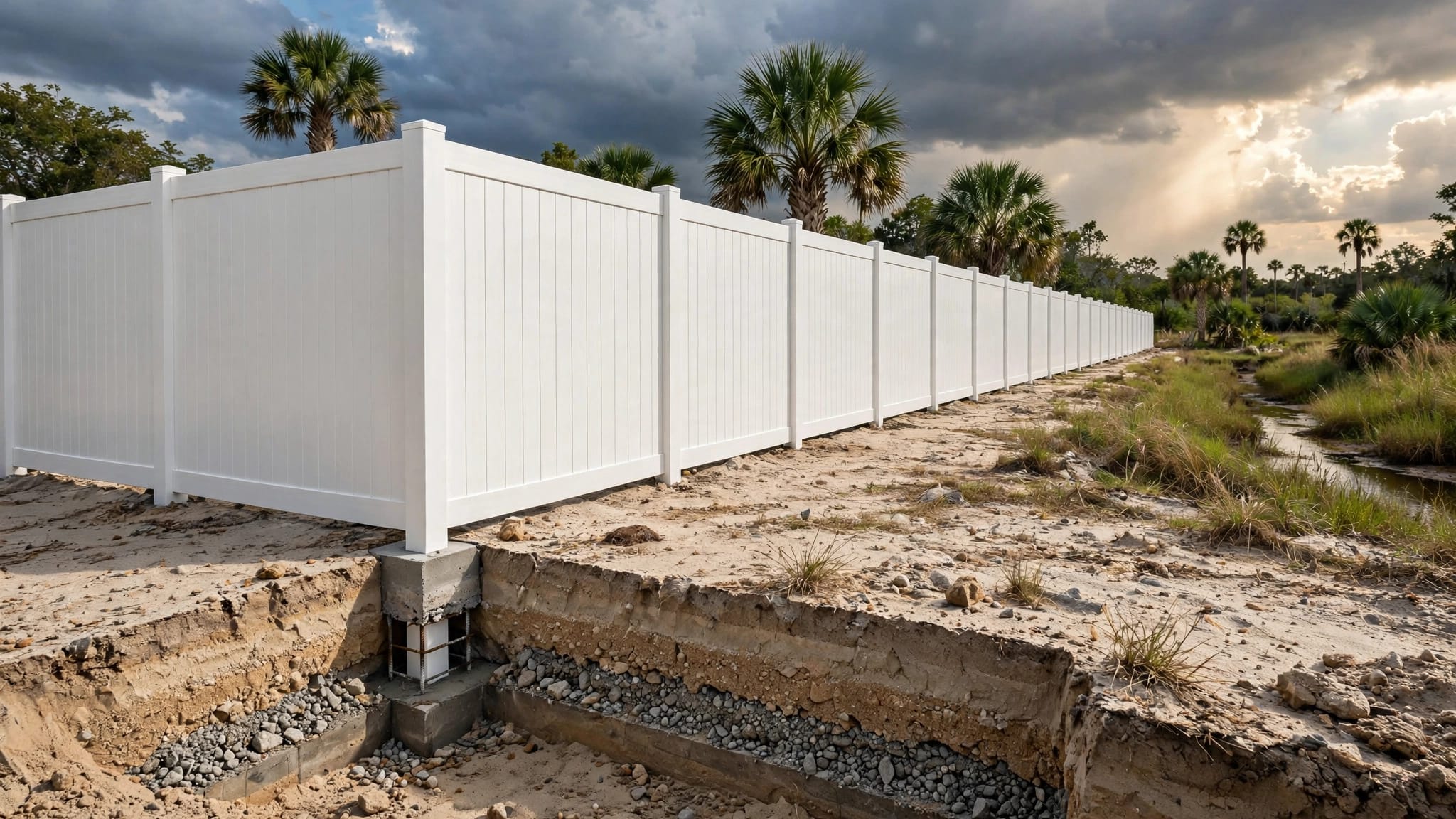
Southwest Florida yards can contain loose sand, compacted fill, high groundwater, or areas that stay wet after storms. Review the available Southwest Florida fence footing options before choosing a footing method based only on a standard timeline.
If rain enters an open footing, water collects around the post, or the hole wall collapses, the contractor may need to correct the installation before continuing. Delaying panels is safer than loading a footing that has lost its shape.
Heat does not create one guaranteed cure time
Warm weather can shorten initial setting, yet Florida's humidity and frequent rain can extend the practical waiting period. Direct sun can also dry the exposed surface while the concrete below remains less developed.
A contractor should check the product label, mix temperature, weather forecast, and footing condition. The manufacturer's instructions take priority over a general internet estimate, especially when the product is designed for fast setting or the installation involves a large gate.
Panel Weight and Fence Design Change the Risk
Concrete cure time is only part of the decision. The post must also support the fence design after panels, rails, hardware, and wind pressure are added.
Solid panels create more wind load
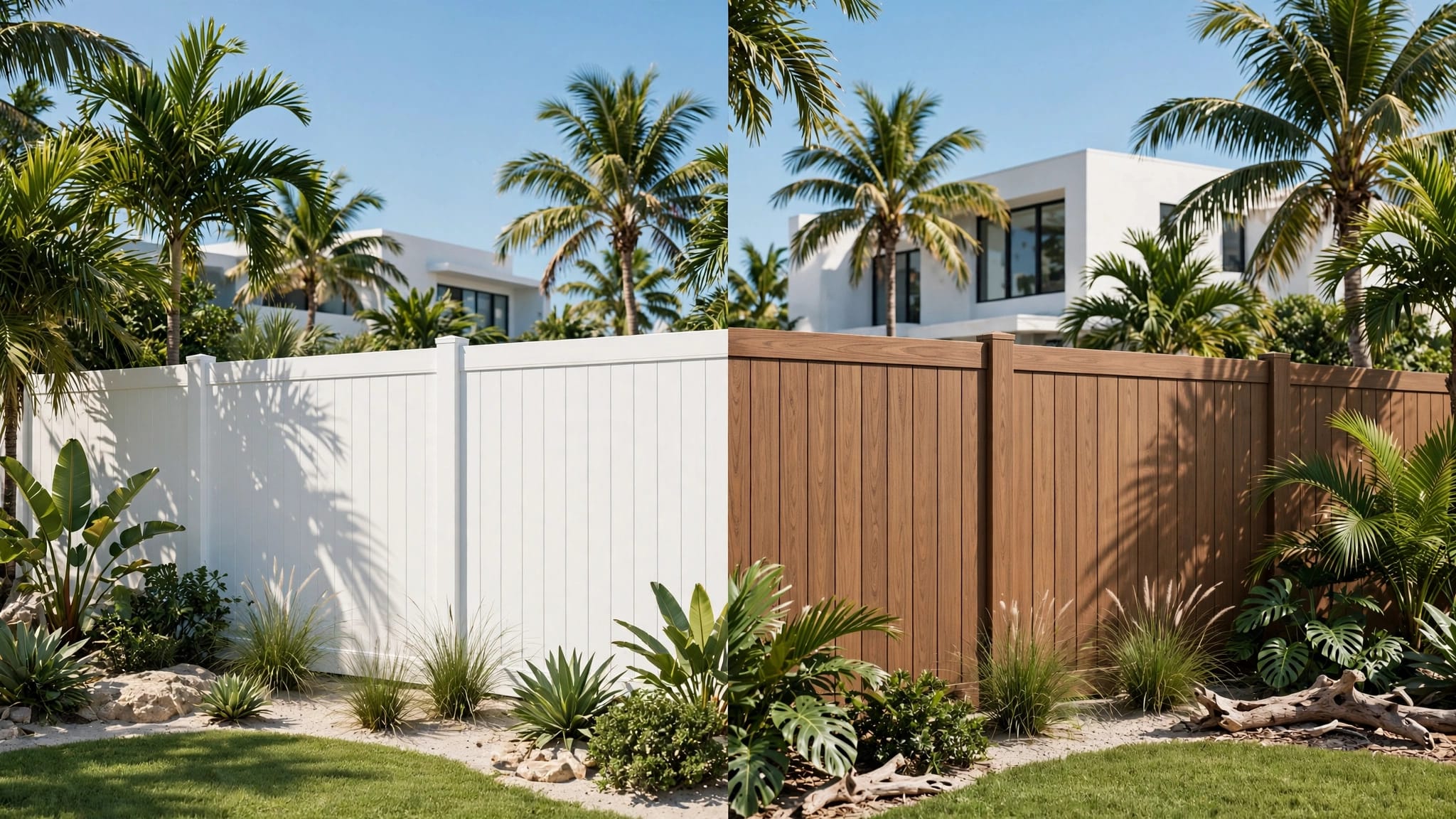
A six-foot vinyl or wood privacy panel catches much more wind than an open aluminum picket fence. Chain link without privacy slats allows more air through, while windscreens, fabric, and privacy inserts increase the surface area.
Post size, footing diameter, embedment depth, panel width, and spacing all affect stability. They do not produce a universal cure-time formula, but they do affect how cautious the installation schedule should be. A Cape Coral fence post depth guide can help homeowners understand why sandy soil and taller fences may require different footing designs.
End posts and corner posts carry more force than ordinary line posts. A solid panel run also transfers wind pressure through rails and connections, so the entire line needs to be stable before loading begins.
Gates need extra patience
Gate posts experience repeated movement from opening, closing, latching, and wind. A wide or heavy gate can shift a post even when nearby line posts appear firm.
For that reason, a contractor may wait longer before hanging gates than before installing lightweight fence sections. Gate-post size and footing design should match the gate system, not the smaller line posts. The same principle applies to corners, changes in direction, and long solid runs.
The guidance on fence post spacing for Southwest Florida wind explains why layout and exposure matter along with the concrete itself.
A Practical Timeline for Setting Posts and Hanging Panels
Use this schedule as a planning guide, then adjust it to the mix manufacturer's instructions and the conditions at your property.
| Installation condition | Typical waiting guidance before panels |
|---|---|
| Standard concrete, dry conditions, light sections | At least 24 to 48 hours |
| Standard concrete, wet soil or humid weather | About 48 to 72 hours |
| Fast-setting mix approved for fence work | Often 4 to 6 hours |
| Heavy privacy panels or gates | Use the longer product and site recommendation |
| Full strength or later-stage curing | Common guidance ranges from 7 to 28 days, with some instructions extending to 30 days |
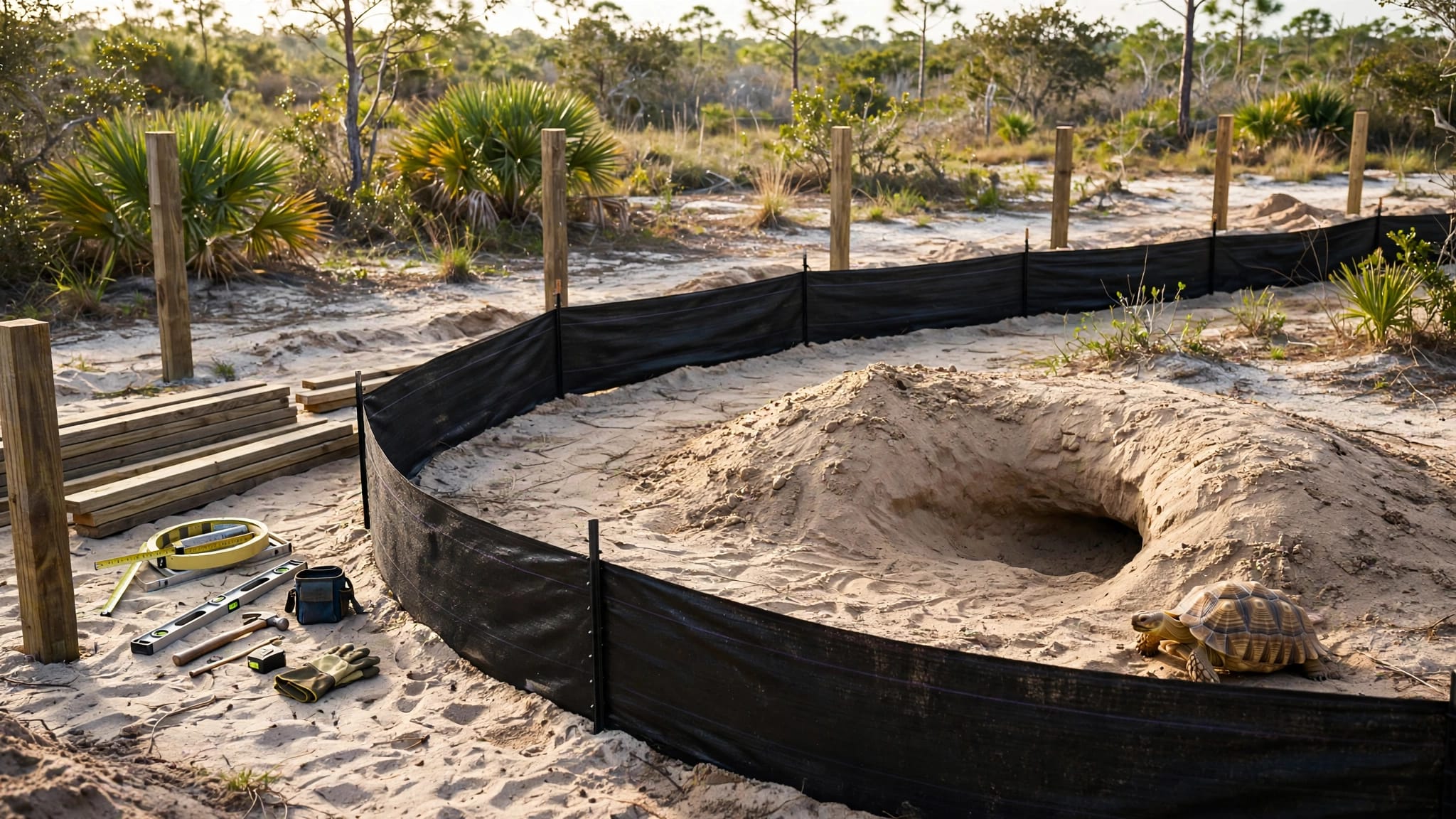
On the first day, the installer sets the posts plumb, aligns the line, places the concrete, and protects the footing from disturbance. The post should not carry panel weight during this stage.
After the initial wait, the installer checks alignment and movement before attaching rails or panels. If the concrete remains soft, the footing has cracked, or the post shifts under light pressure, the work should stop.
A seven-day margin may be appropriate for some vinyl installation specifications or heavier early loads. That is different from saying every fence must wait seven days. The correct schedule belongs to the selected product and fence system.
The Cape Coral fence wind rating guide is also useful when solid panels, exposed yards, or storm conditions make wind load a major concern.
Warning Signs the Concrete Is Not Ready
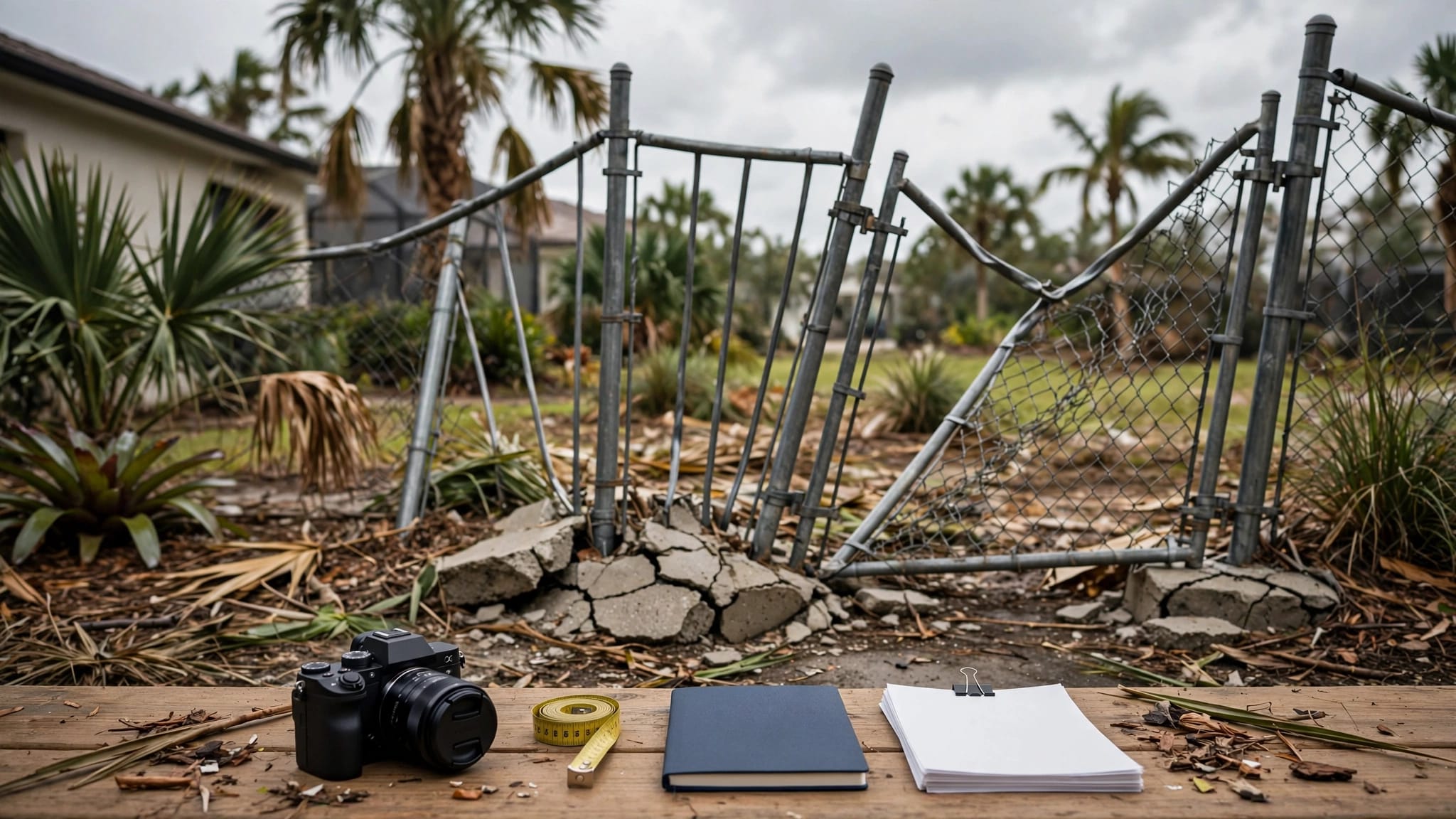
A post can look acceptable and still lack the support needed for panels. Check for warning signs before loading the fence:
- The post moves when you apply light hand pressure.
- The post leans away from the string line or no longer sits plumb.
- The concrete surface remains soft, crumbly, or wet below the top layer.
- Cracks extend around the post or the footing has pulled away from the soil.
- Rainwater has pooled in the hole or washed soil away from the footing.
- The hole wall collapsed before the concrete fully filled the footing.
- The post twists when the installer checks its alignment.
- The surrounding soil is saturated, loose, or visibly settling.
Do not climb on a temporary fence or try to straighten a post by force. Keep children and pets away from unstable sections, especially when a post has been freshly set or a gate has not yet been hung.
If a post moves after the recommended wait, adding more concrete around the top may not solve the problem. The footing may be too shallow, too narrow, poorly shaped, or affected by unstable soil. A contractor should inspect the post before the panels conceal the problem.
How to Plan the Installation With Your Contractor
A clear installation plan prevents disagreements about when the fence should be loaded and what happens if weather delays the work.
Confirm the mix and loading schedule
Ask which concrete product the crew will use and whether it is standard or fast-setting. The written plan should state when line panels, rails, gates, and tensioned fabric will be installed.
Panel material also matters. Vinyl, wood, aluminum, chain link, and composite systems have different weights and connection methods. A six-foot privacy fence should not follow the same loading schedule as a short open picket fence.
Ask how the installer will protect fresh footings from rain and how the crew will handle a delay caused by saturated soil. These details belong in a Southwest Florida fence contract checklist, along with post size, spacing, hardware, materials, and warranty terms.
Inspect before panels and gates go up
Before installation continues, the crew should confirm that posts remain straight, evenly spaced, and secure. Gate posts deserve a separate check because small alignment errors can cause binding, sagging, or latch problems later.
The fence line should also match the yard's grade without forcing panels into wet soil or creating abrupt height changes. Near the coast, fasteners and brackets should suit salt-air exposure. Proper post depth and footing shape still matter after the concrete has cured.
A professional installer should delay the next phase when the concrete or soil has not met the required condition. Saving one day rarely compensates for a leaning panel, misaligned gate, or failed footing.
Key Takeaways
- Standard concrete commonly needs 24 to 48 hours before light panel installation.
- Florida's rain, humidity, wet soil, and storm exposure can make 48 to 72 hours more appropriate.
- Fast-setting mixes may allow work after four to six hours , but only when the product instructions permit it.
- Solid privacy panels and gates place more stress on posts than open fencing.
- Movement, soft concrete, cracks, standing water, or soil washout indicate that the post is not ready.
- Initial set is not the same as final strength. Concrete may continue curing for weeks.
FAQ About Fence Post Cure Time in Florida
Can panels go up the same day concrete is poured?
Usually, same-day installation is not the safe default. Fast-setting products may allow panels after several hours, but the label must approve that use and the footing must remain stable. Standard concrete generally needs at least 24 hours, with longer waits for heavy panels, gates, wet weather, or unstable soil.
Is 48 hours enough for a vinyl privacy fence?
It may be enough under favorable conditions, but 48 hours is not a guarantee. A tall vinyl privacy fence catches wind, and some vinyl installation guidance recommends 48 to 72 hours before attaching rails. The contractor should also verify post movement, concrete condition, and manufacturer requirements.
Does hot Florida weather make concrete cure faster?
Heat can speed initial setting, but it does not remove the effects of humidity, rain, or wet soil. The surface may harden while the footing below still needs time. Protecting fresh concrete and checking the actual post condition matter more than relying on air temperature alone.
How long should I wait before hanging a heavy gate?
Use the longer recommendation for the product and site, and consider waiting beyond the minimum panel schedule when the gate is wide or heavy. Gate posts carry repeated movement and should have the correct post size and footing. If the post shifts under light pressure, the gate is not ready.
Conclusion
The best fence post cure time for a Florida project is the shortest period that still matches the concrete product, weather, soil, post design, and panel load. For many installations, that means at least 24 to 48 hours, with 48 to 72 hours providing a more cautious schedule in wet Southwest Florida conditions.
Solid privacy panels and gates deserve extra care because wind and repeated movement expose weak footings quickly. Waiting for stable posts before loading the fence helps protect the alignment, hardware, and investment long after the concrete stops looking fresh.