Can Fence Posts Be Installed in Florida's Rainy Season?
Florida rain can turn a clean yard into saturated sand in less than an hour. Still, homeowners don't have to put a fence project on hold for months when summer storms roll through.
A fence posts rainy season plan needs daily site checks, not a blanket yes or no. Installation can continue after a passing shower when soil is stable, while lightning, pooling water, or failing hole walls call for a pause. Footing method, ground conditions, weather timing, and safe work practices decide the day.
Fence Posts Rainy Season: Conditions That Allow Work
In Southwest Florida, the wet season often brings hard afternoon storms, although a slow-moving system can soak a property for days. Therefore, a reliable crew assesses the ground on installation day instead of trusting a clear morning forecast.
A wet yard is not always a stop sign
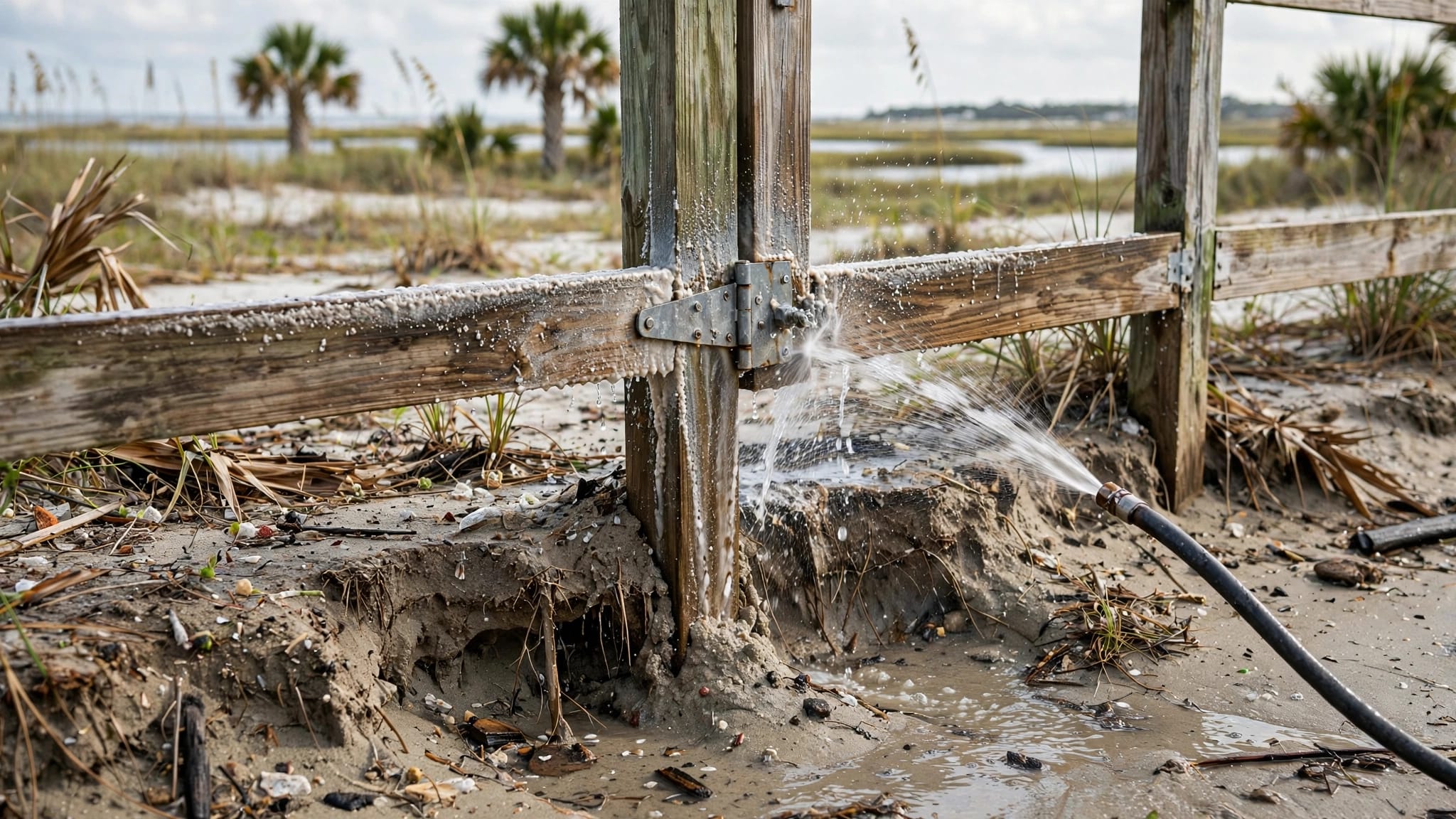
Damp soil can still be firm enough to support properly excavated post holes. A contractor may pump out limited water, clean loose soil from the hole, then check that the bottom and sidewalls remain solid.
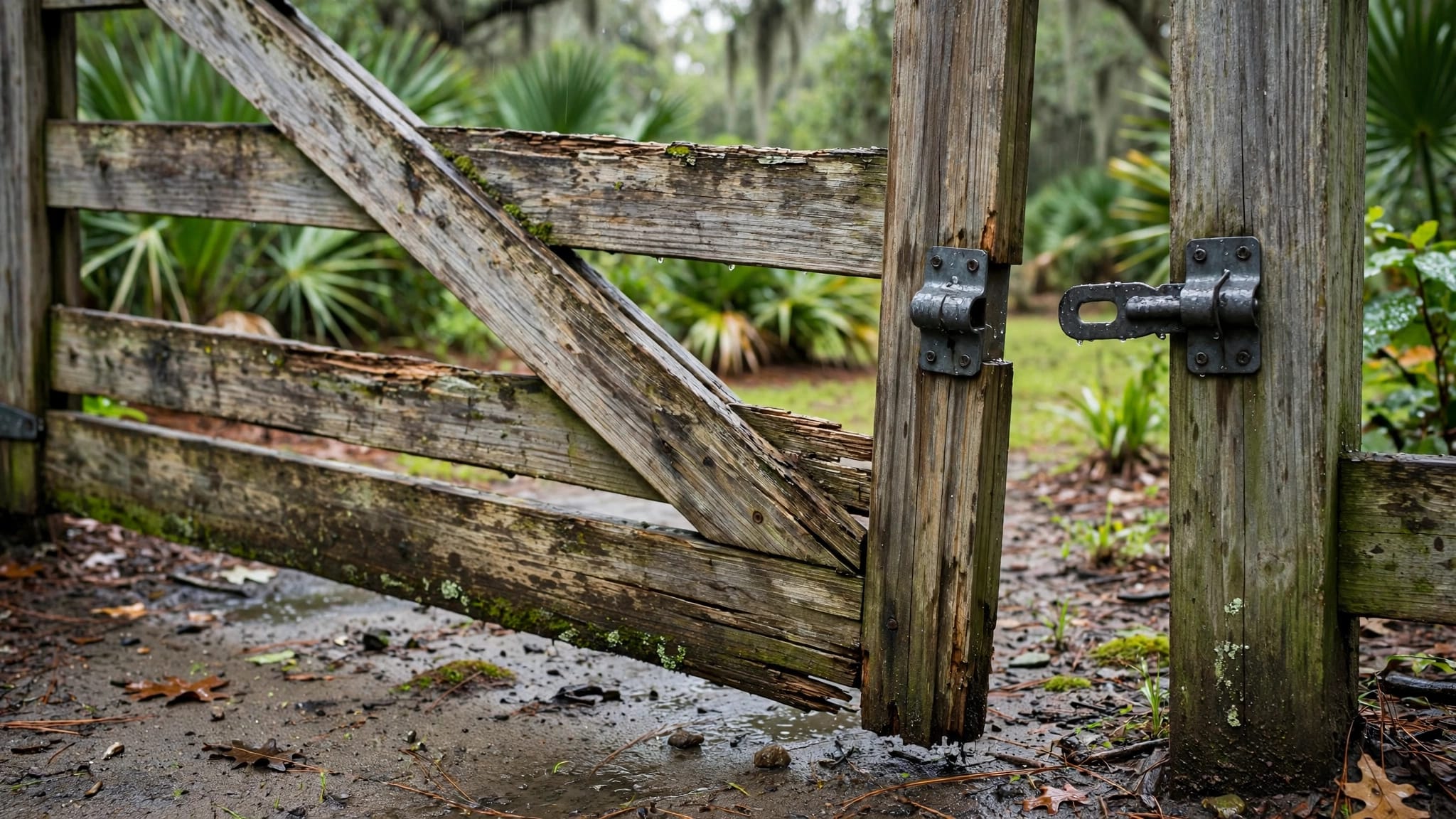
However, saturated sand can fall back into an open hole. In low-lying yards or areas with a high water table, water may return faster than it can be managed. When the hole won't hold its shape, postponing the set protects the fence from a weak start.
A crew shouldn't set a post in a hole that has lost its shape, even if the panels are already on site.
Stable Footings Matter More Than a Dry Forecast
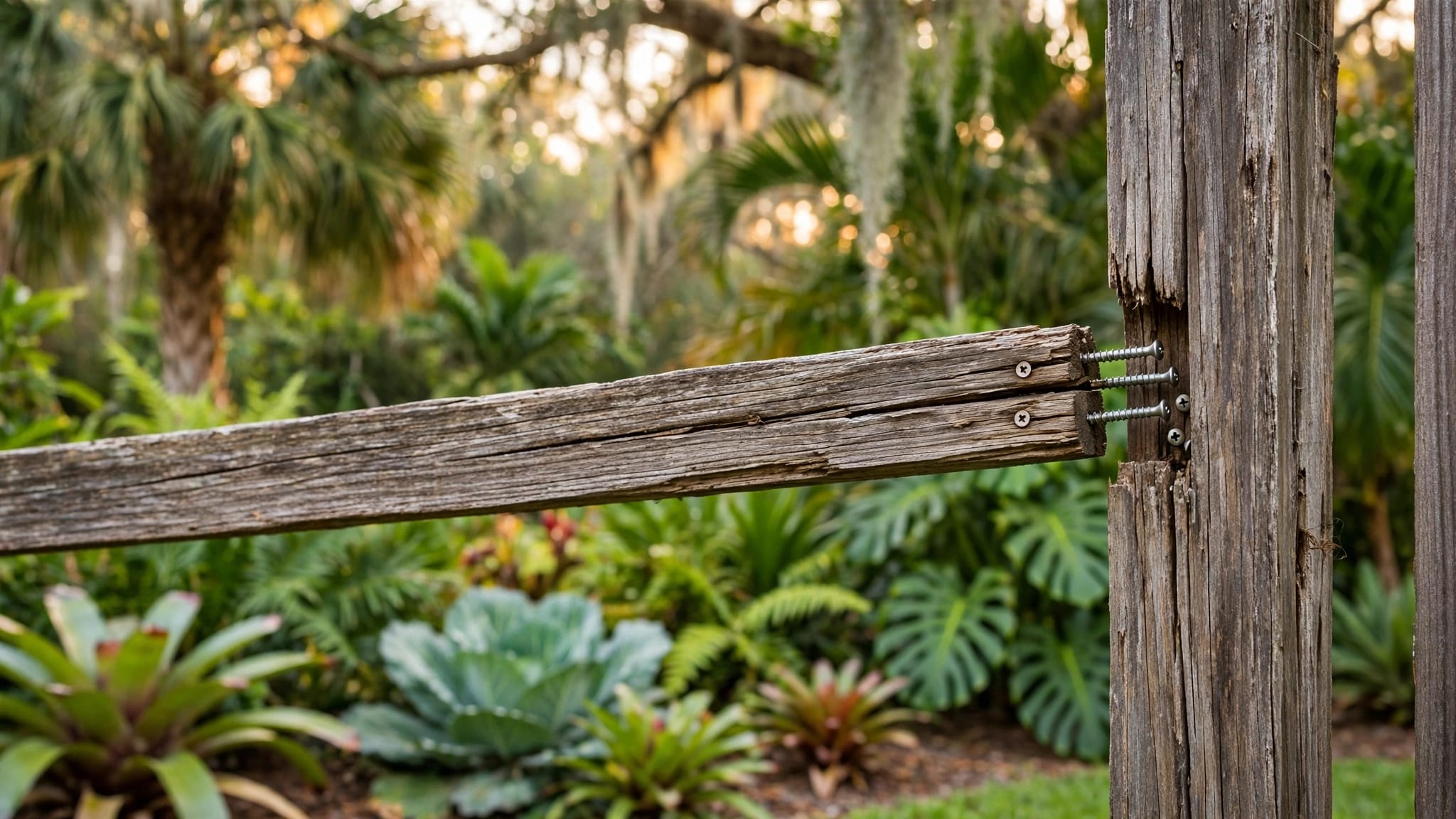
A fence can shift after downpours if posts lack proper support. Gates and long solid privacy sections face higher force in wind, so they need careful footing preparation.
Each hole needs a fresh inspection
Rain doesn't affect every part of a property equally. Soil beside a driveway may be firm, while a backyard swale stays soft. Before setting posts, crews should confirm:
- Hole walls are firm and don't cave in.
- Water is controlled enough to prepare the bottom correctly.
- The post sits plumb at the planned depth.
- Backfill or concrete can be placed without loose soil mixing into the footing material.
Match the fill to the site
Concrete suits many fence projects, but it isn't an automatic answer to wet ground. Depending on soil, fence type, drainage, and local conditions, a contractor may recommend concrete or compacted crushed stone installed in layers. These Southwest Florida fence footing options compare methods for wet ground.
The method must keep the post stable and let water drain predictably around it. Proper installation means aligning posts before the material locks in place, then checking stability before sections or gates add load.
Rain Affects Schedule More Than Installation Standards
For fence posts rainy season work, crews often use dry windows before or after storms. A brief delay can be the responsible choice, especially when rain is paired with lightning or gusty wind. It may move the project to the next workable day, but it doesn't make the job less thorough.
When a contractor should pause
Active lightning stops outdoor work, and a thunderstorm can make power tools and open excavations unsafe. Heavy runoff can also wash loose material into prepared holes. In addition, crews should wait if saturated soil won't support equipment without rutting the yard or damaging irrigation.
Don't let an installer rush to finish because the posts have been delivered. Cape Coral fence installation timelines show how weather, permitting, and inspections can affect the order of a project. Communication matters most when a weather delay changes the plan.
Prepare Your Property Before the Weather Clears
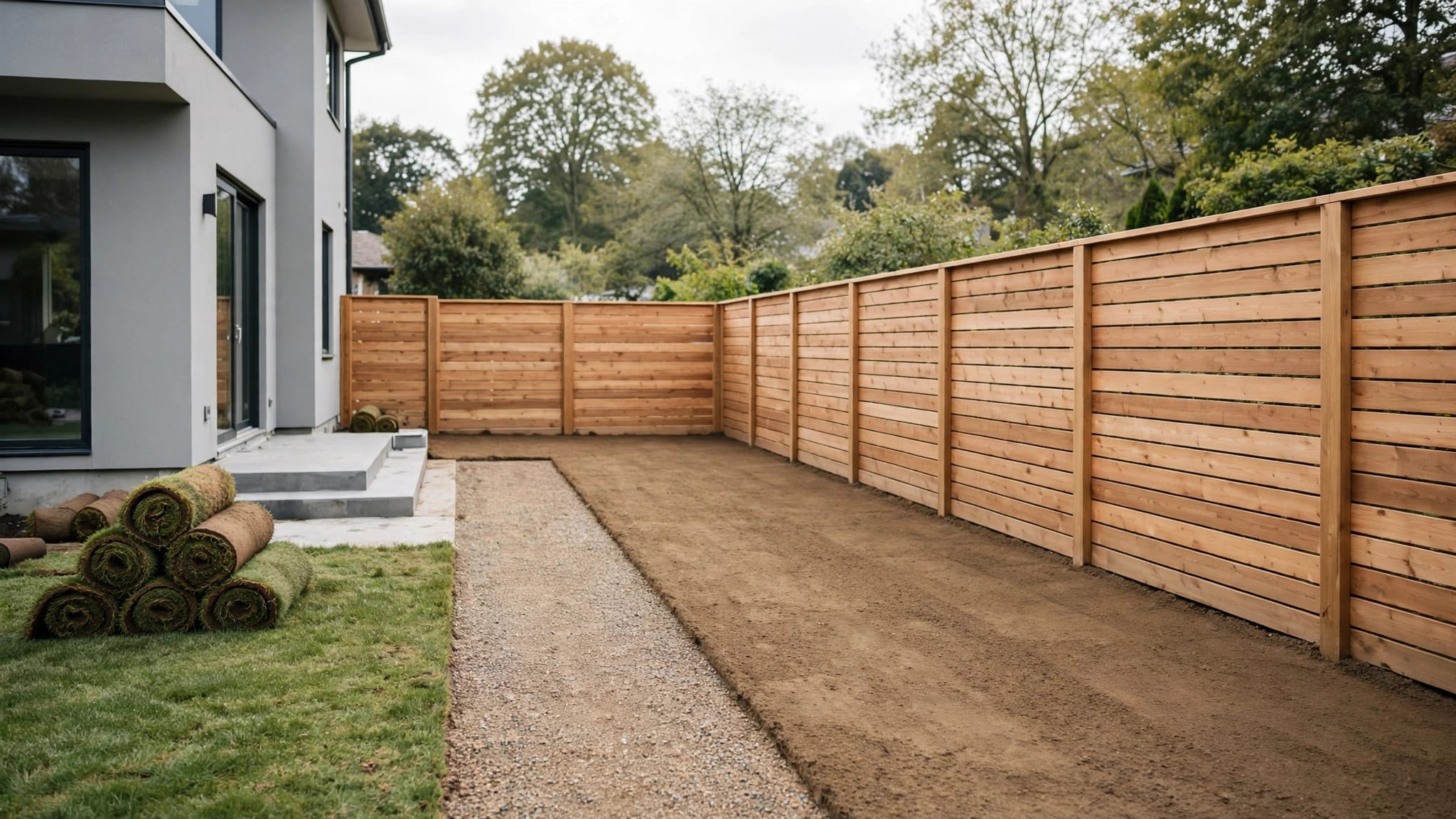
Weather is only one source of delay. A clear property line, access, utility markings, and approved plans let a crew work promptly when conditions improve.
Finish approvals and layout first
Fence rules vary by municipality, county, and HOA. Check height limits, gate placement, setbacks, and easements before materials arrive. If a permit or site drawing is required, it should show the proposed fence line, gates, nearby structures, and the distance to property boundaries.
A contractor can also review the plan for practical issues. For instance, a gate placed in a low spot may need extra drainage attention, while a fence near a canal or drainage easement may face added restrictions.
Protect access and underground utilities
Before digging, request utility locates through the applicable 811 service. Clear toys, planters, and movable furniture from the fence path. Also tell the crew about irrigation lines, landscape lighting, septic equipment, or drainage pipes that aren't part of public utility markings.
These steps don't stop Florida rain. They prevent avoidable discoveries after the ground is ready to work.
Fence Material and Gate Design Still Matter
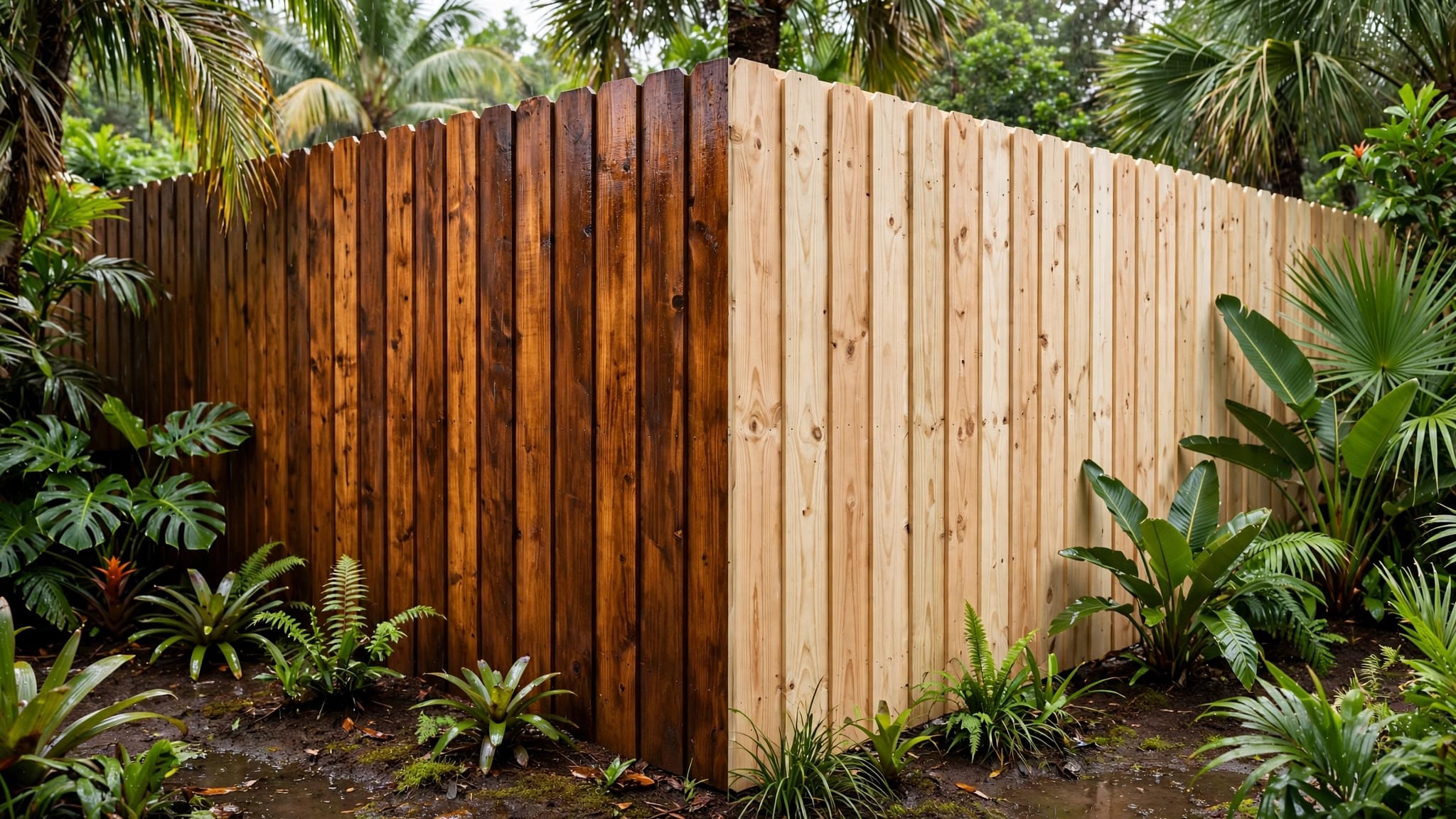
Rainy-season installation works with vinyl, wood, chain link, aluminum, composite, and metal fencing. The right choice depends on privacy goals, maintenance expectations, property style, and local requirements. Your soil and fence design determine post and footing details, not the material name alone.
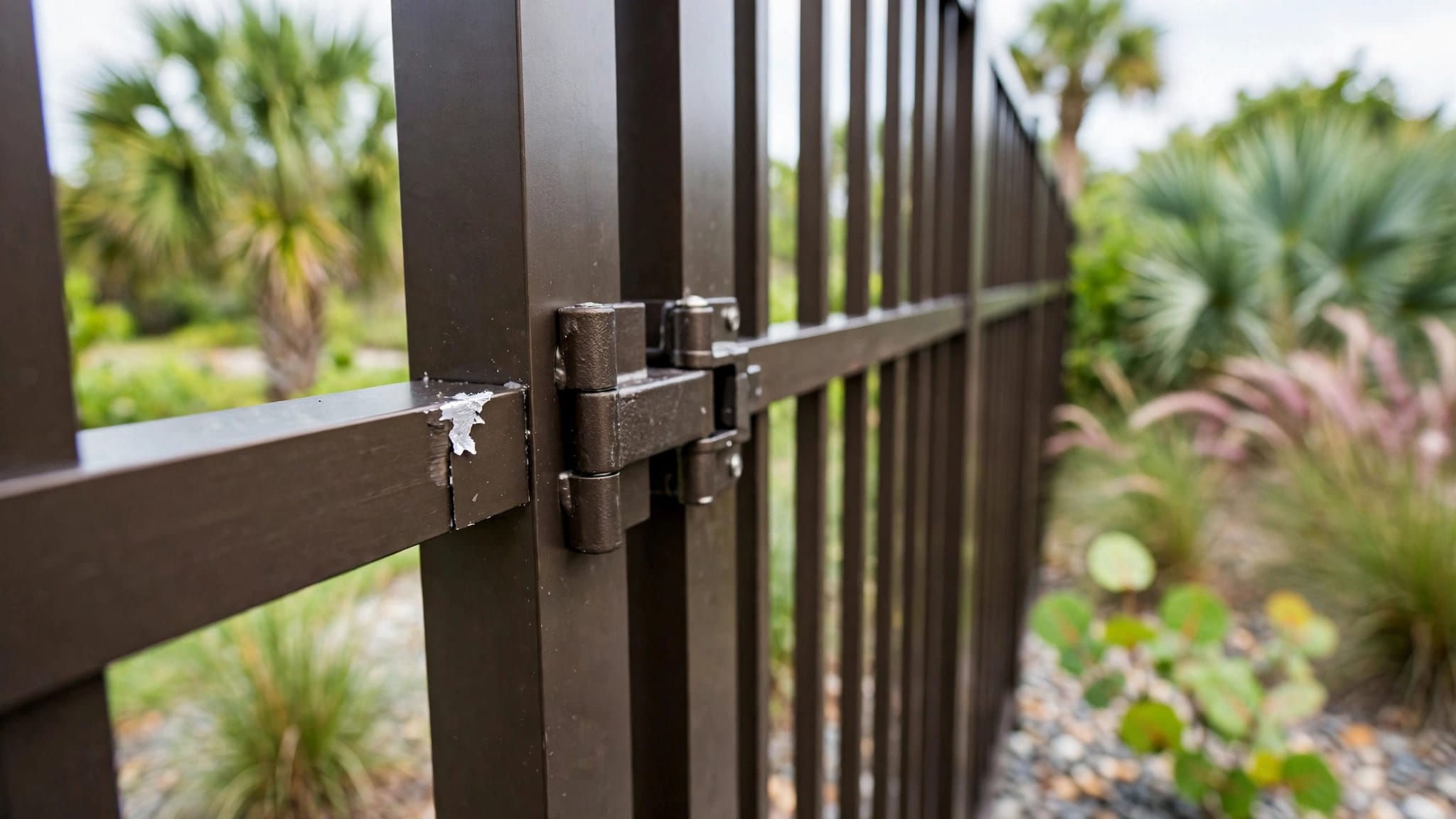
Give gates and solid sections extra support
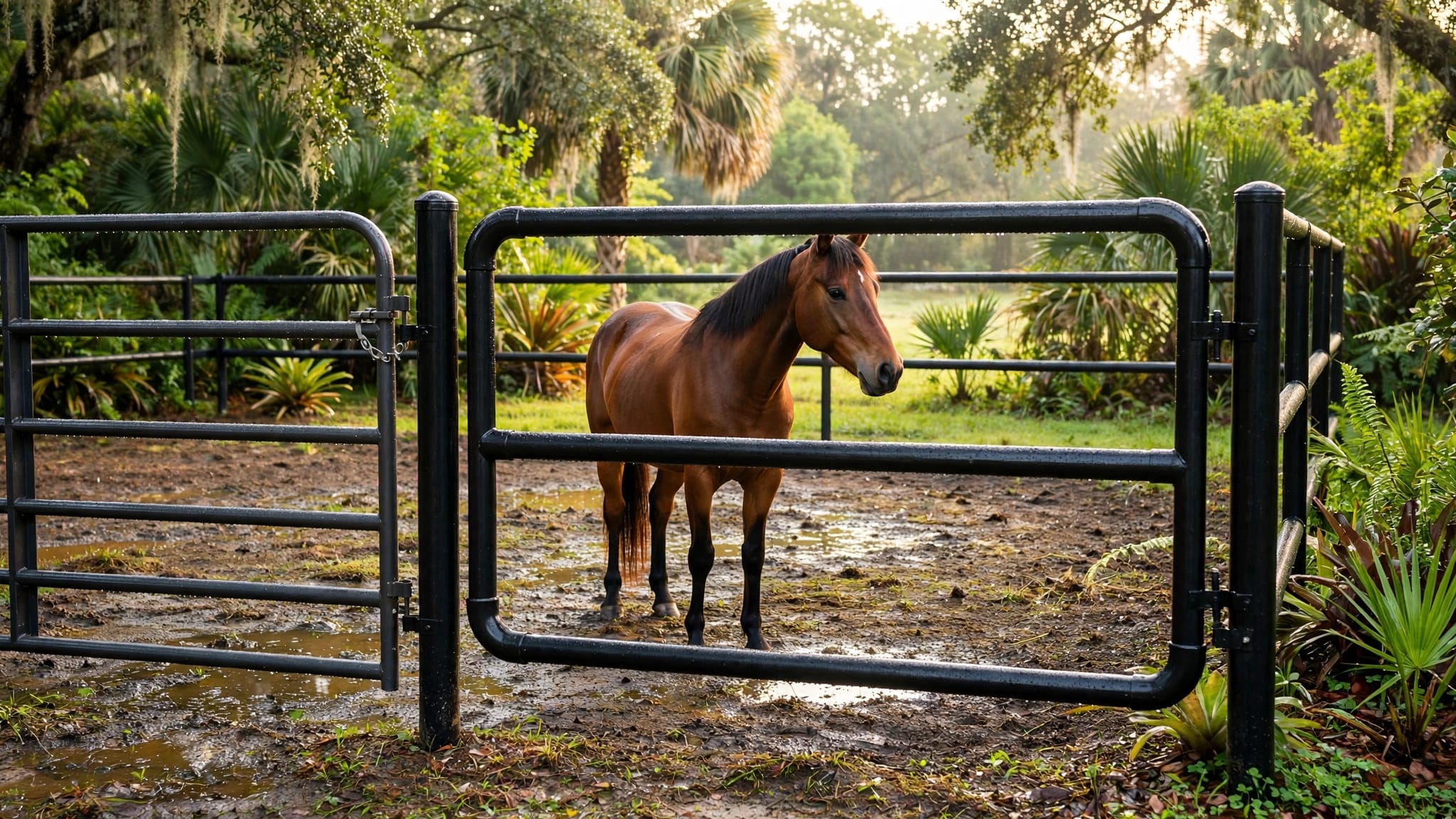
Gates put repeated force on hinge posts, while solid privacy panels catch more wind than open aluminum or chain link. As a result, installers need a post layout that matches the fence height, panel style, and gate width. A wind-resistant fence post layout accounts for spacing considerations in Southwest Florida conditions.
Final Thoughts
Rain doesn't automatically stop a quality installation. Successful fence posts rainy season work depends on safe weather windows, stable holes, and sound footing preparation.
That patience gives each post the support it needs before panels and gates add weight and wind load. Stable posts are the starting point for a fence that looks right and performs as intended.