How to Install a Fence Through Asphalt in Southwest Florida
Installing a fence across a paved driveway or asphalt side yard takes more than cutting a few holes. To install fence through asphalt correctly, you need a stable footing below the pavement, a clean repair around each post, and a plan for Southwest Florida's rain, wind, soil, and drainage.
Asphalt is only the finished surface. It doesn't provide enough support for a fence post, especially when saturated soil and hurricane winds put extra pressure on the fence. The safest approach is to plan the fence line, confirm local requirements, locate utilities, cut the pavement cleanly, build proper footings, and restore the driveway after the posts are secure.
Why Asphalt Requires a Different Fence Plan
Asphalt is a surface, not a footing
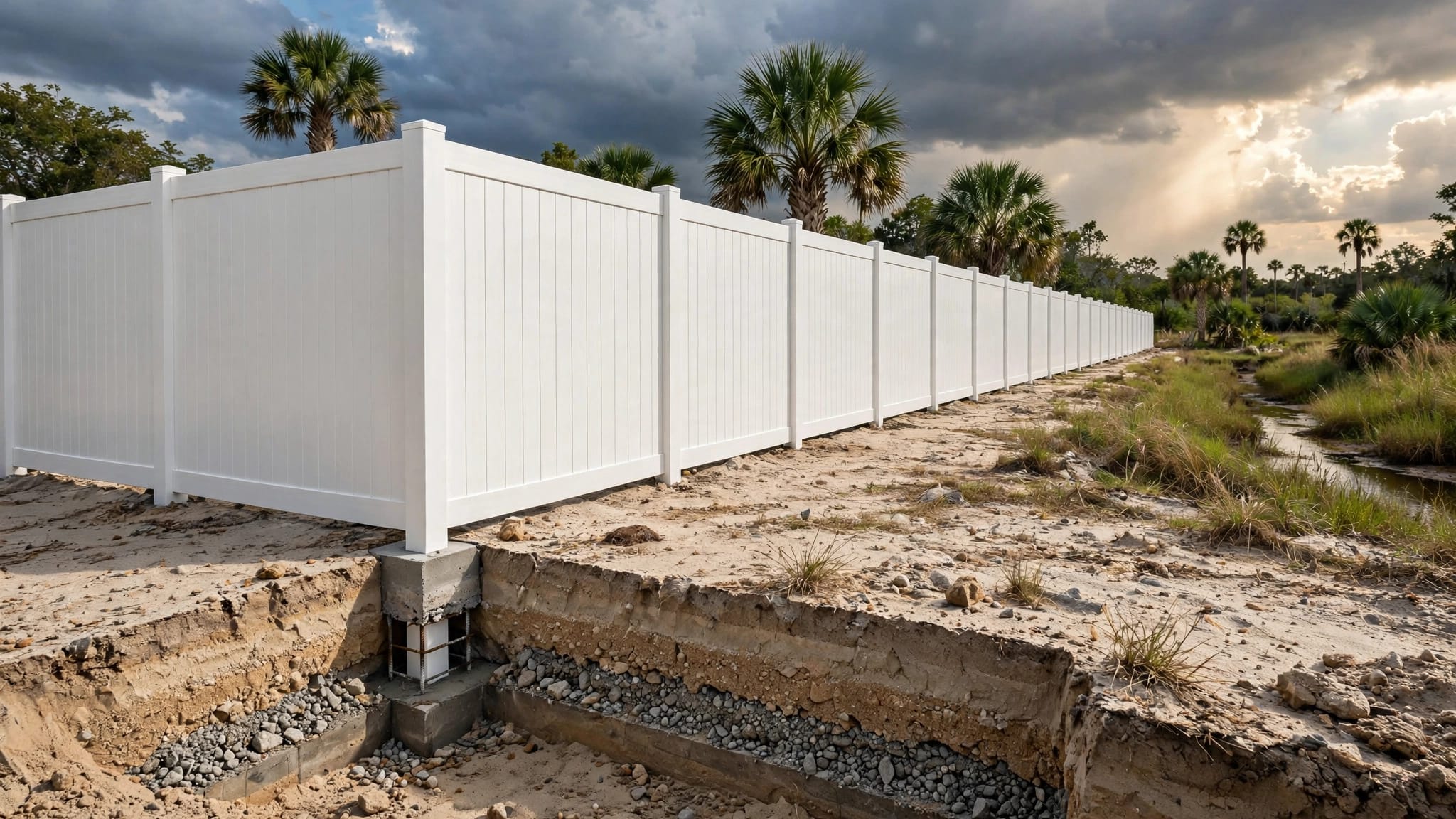
A fence post should transfer wind and gate loads into concrete and stable soil, not into the asphalt layer. Asphalt can crack, shift, soften in intense heat, or separate from the surrounding driveway when a post moves.
The fence layout also affects the pavement work. A straight run with evenly spaced posts is easier to cut and repair than a line that crosses a driveway at an angle. Gates need stronger posts and more room for hinges, latches, and swing clearance.
A fence installed through a paved area has similar planning concerns to fence installation on concrete slabs, although asphalt is removed and restored differently.
The driveway may include drainage or easements
Many Southwest Florida properties have swales, drainage paths, utility easements, or driveway culverts near the pavement. A fence that blocks water flow can create standing water against the driveway or send runoff toward a garage, lanai, or neighboring property.
Before cutting, confirm the property line and check whether the asphalt is entirely on private property. Work inside a private driveway is different from work in a county roadway or right-of-way. Lee County may require approval before backfilling, replacing the base, or paving for applicable right-of-way work.
Check Permits and Site Conditions First
Review local fence requirements
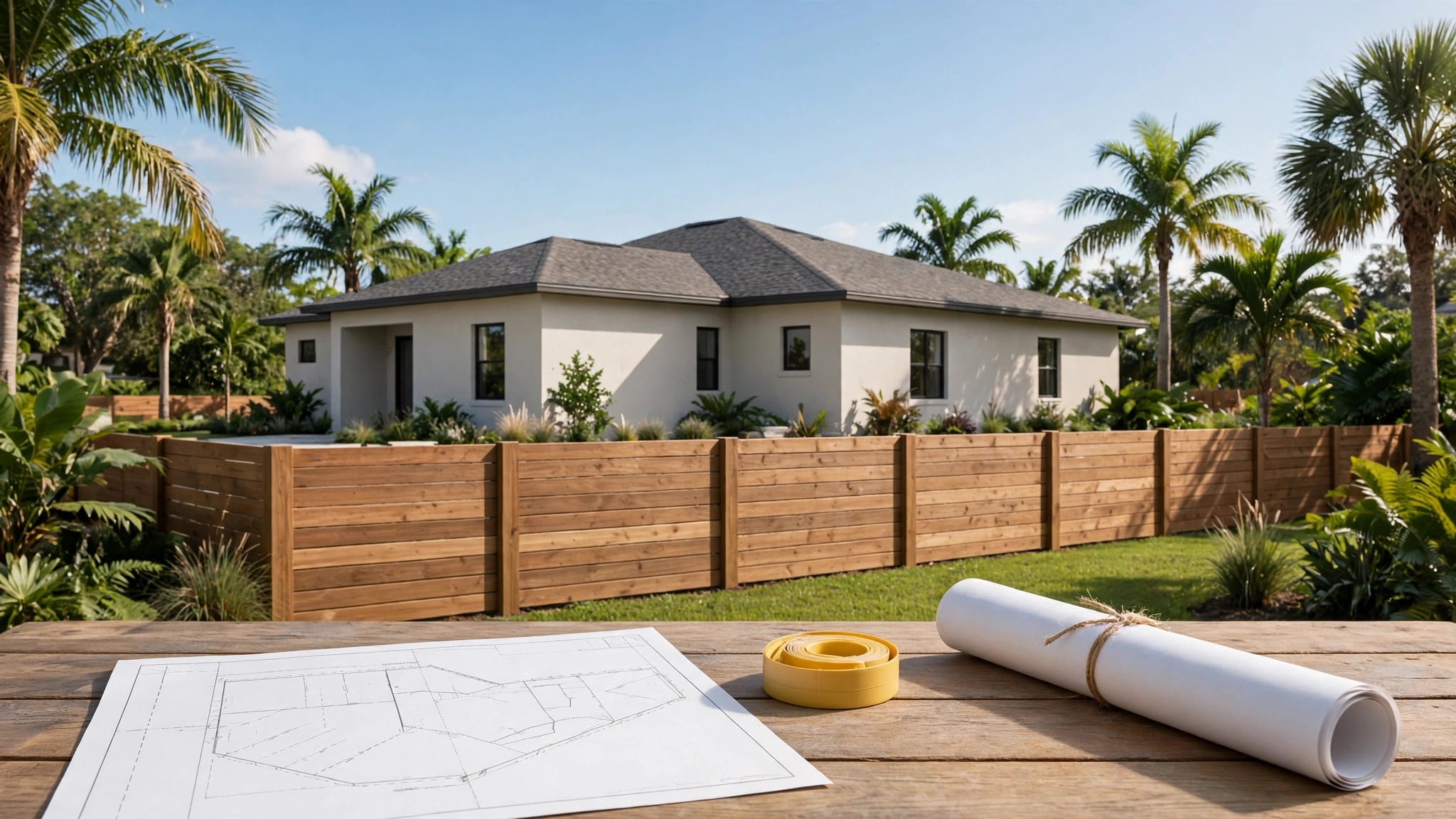
A paved surface doesn't make a fence exempt from permitting. Lee County requires a residential fence or wall permit for fence installation or replacement. The site plan should show property lines, streets or water bodies, buildings, easements, the proposed fence, gates, and key dimensions. Review the current Lee County fence permit requirements before scheduling the work.
Collier County's application also asks for fence location, height, materials, and gate swing when applicable. Its requirements reference a five-foot separation from septic components under Florida Administrative Code 62-6.005(2).
Cape Coral, Fort Myers, Charlotte County, Sarasota County, and other jurisdictions may have different submittal requirements. An HOA can also control fence height, style, placement, and materials. A current Florida fence permit guide can help you organize the site plan, but confirm the final rules with the authority having jurisdiction.
Check the soil, drainage, and utilities
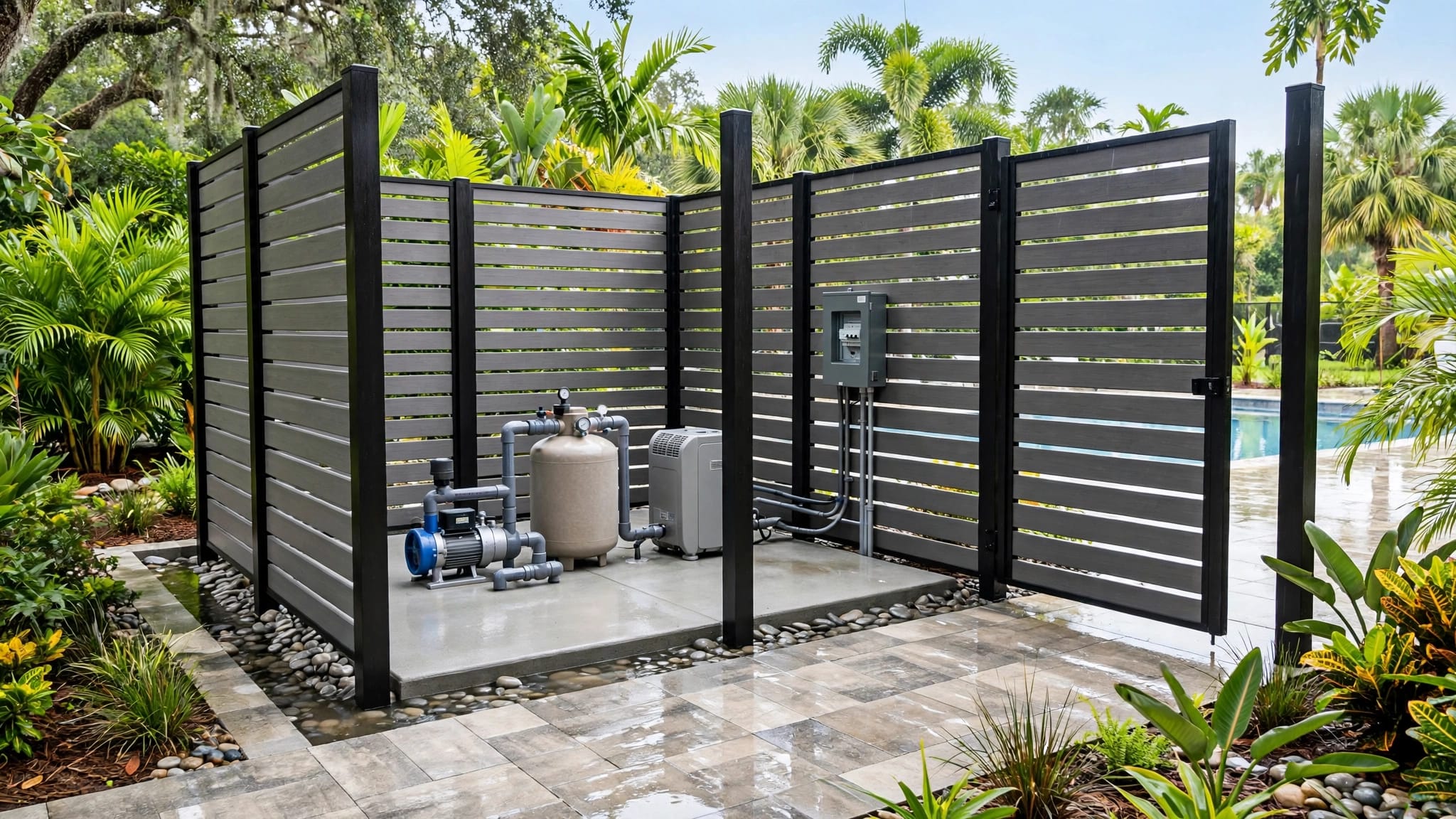
Call Sunshine 811 before excavation. Utility marks may not show every private line, such as irrigation, pool equipment wiring, landscape lighting, or a private sewer connection. Ask for private utility locating when those lines may cross the fence route.
Inspect the pavement for cracks, previous patches, low spots, and areas that hold water. Probe the soil after removing a small section if necessary. Cape Coral and other coastal areas can have loose sand, shell, fill, or variable layers that settle differently. Post depth and footing size must match the fence design and actual soil conditions.
Tools and Materials for the Job
A contractor typically needs a string line, stakes, marking paint, tape measure, level, post layout tools, and a laser or other method for checking alignment. Asphalt work may require an asphalt saw, demolition hammer, pry bars, shovels, and a wheelbarrow. Excavation tools depend on access and soil conditions.
The fence materials usually include posts, panels or rails, gates, concrete, aggregate base material, and asphalt repair material. A plate compactor helps rebuild the base around each footing. Clean gravel or approved base material is important because loose soil under a patch can lead to settlement.
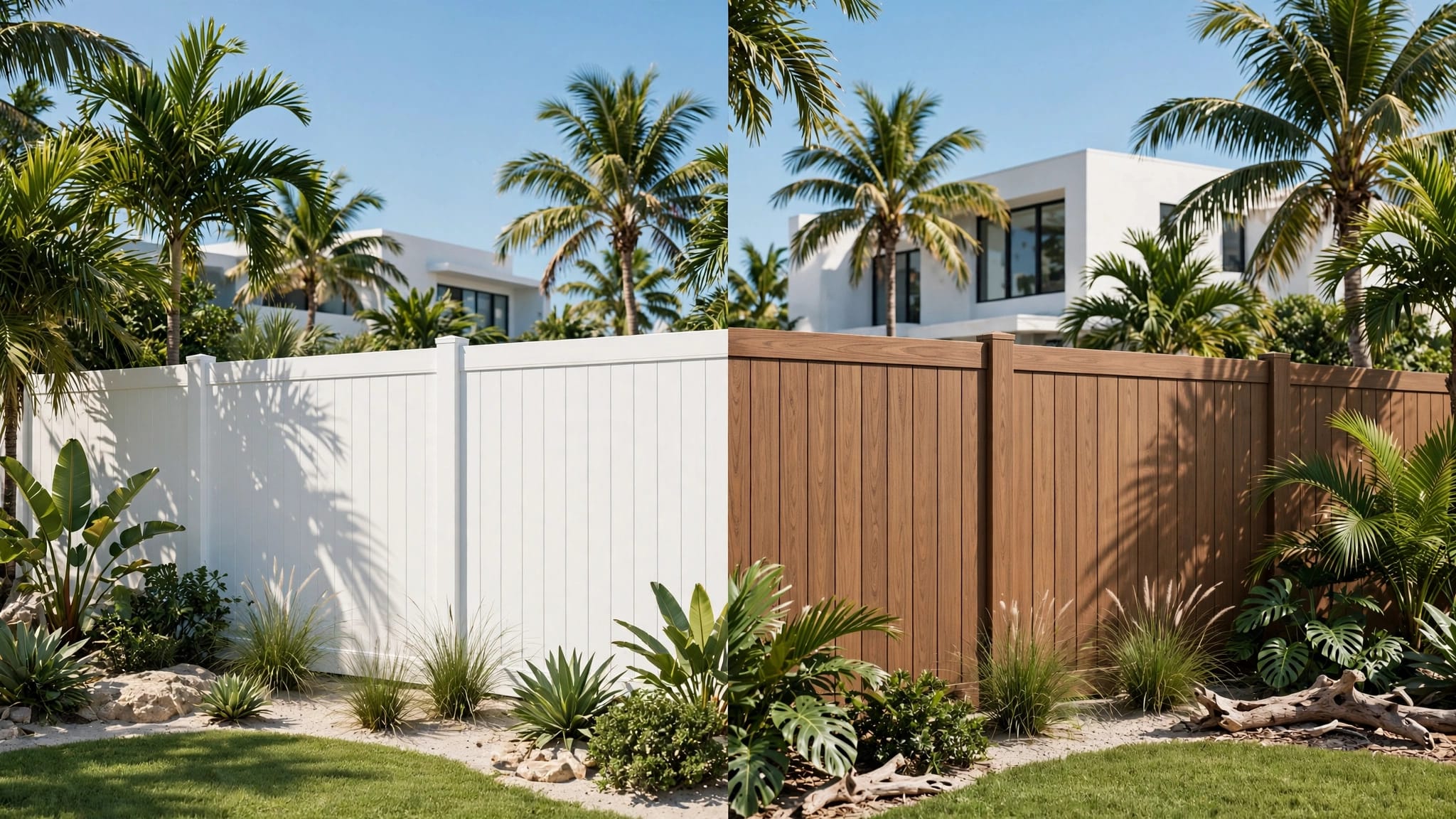
Choose hardware for the location. Stainless steel or hot-dip galvanized fasteners can reduce corrosion near the coast. Aluminum fencing, vinyl, composite, chain link, wood, and steel each handle heat, sun, moisture, and wind differently. Gate hinges and latches deserve special attention because they receive frequent movement and high wind loads.
Wear eye protection, hearing protection, gloves, steel-toe footwear, and a dust mask or respirator rated for the work. Asphalt cutting creates dust and debris, while demolition tools can throw sharp pieces. Keep children, pets, and vehicles away from the cutting area.
How to Install a Fence Through Asphalt
Mark the fence line and cut the pavement
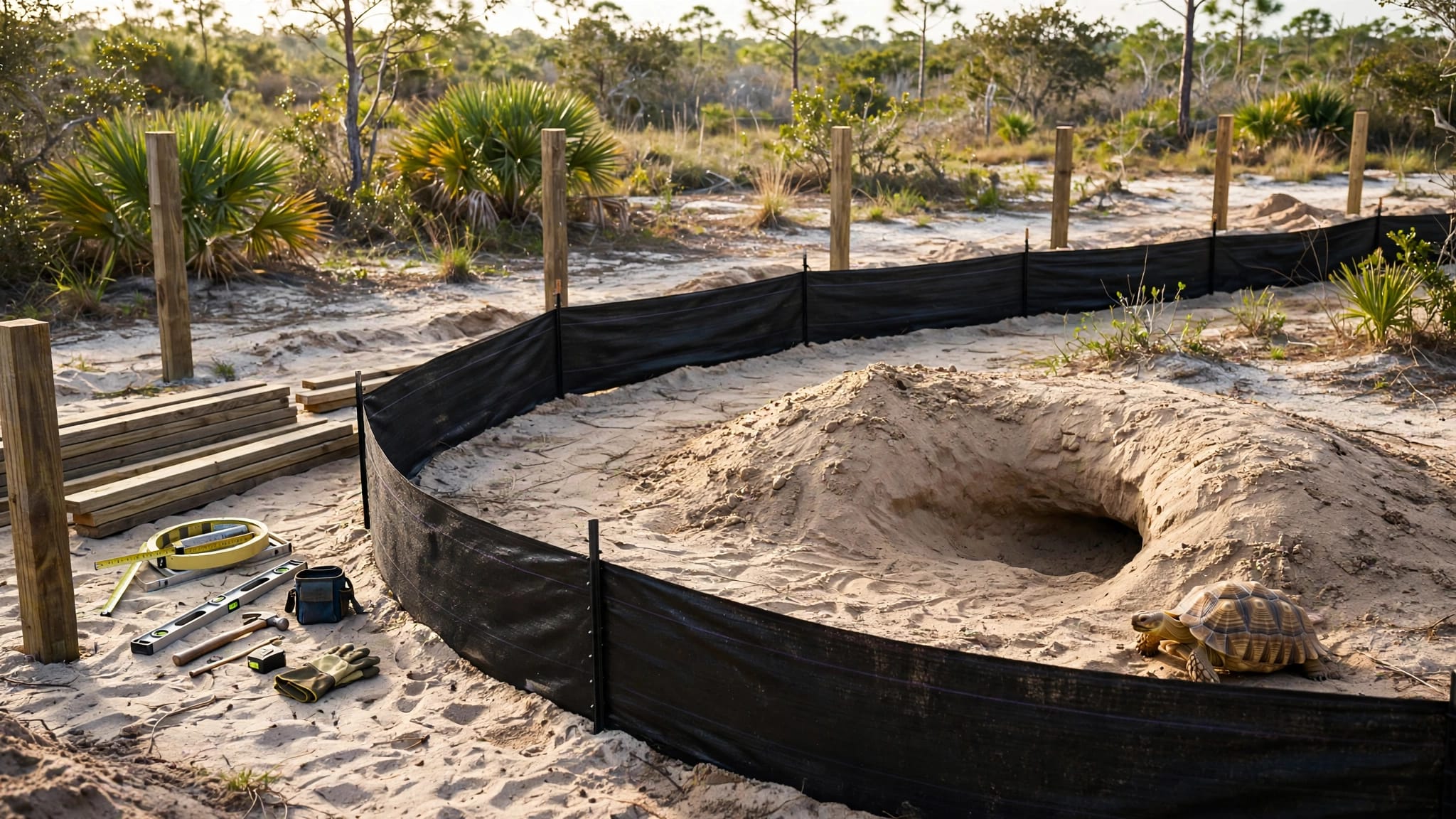
Start by marking the fence line, post centers, gate openings, property boundaries, and any required setbacks. Confirm the spacing against the selected fence system. Avoid placing a post where it will interfere with a drainage path, utility, downspout, or gate swing.
Use an asphalt saw to make clean, straight cuts around each post location or along the planned trench. A clean edge makes the final repair stronger and more attractive. Do not rely on a jackhammer alone to create the opening, because irregular edges can leave broken pavement that continues cracking.
Remove the asphalt and expose the underlying base or soil. The opening must be large enough to excavate a proper footing without undermining the surrounding pavement. Keep the removed material separate from clean base material so it doesn't get mixed into the repair.
Excavate and build the post footings
Dig through the base and into stable soil. The required depth and diameter depend on post size, fence height, soil, gate loads, and wind exposure. A common Cape Coral reference is at least 36 inches of total hole depth in sandy soil, while some six-foot privacy fence projects use deeper holes. Those figures are planning references, not universal requirements. Review the Cape Coral fence post depth guide and follow the approved design for the property.
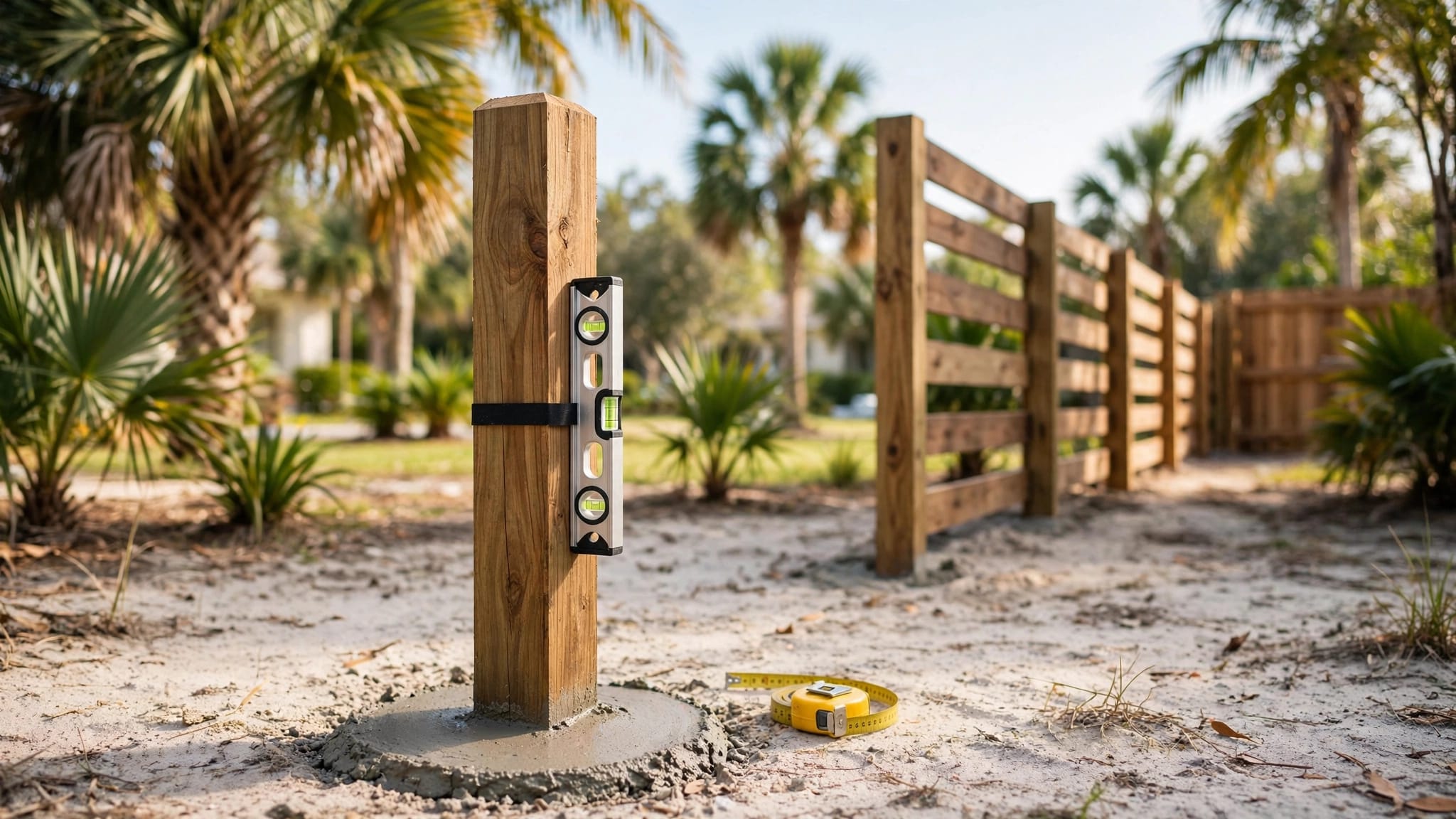
Remove loose sand and water from the hole as much as practical. If groundwater enters quickly, the installation may need a different method or a delay until conditions improve. Place the post plumb, brace it in two directions, and pour the specified concrete footing around it.
Gate posts usually need more support than line posts. Set them carefully because even a small error can cause a gate to drag, bind, or fail to latch. Keep concrete below the planned asphalt repair area, and allow the footing to gain the strength required by the concrete product and inspection schedule before loading the post.
Install panels, gates, and hardware
After the posts are aligned and secure, install rails, panels, pickets, mesh, or decorative sections according to the fence system. Check the top line as the run progresses. Small errors become obvious when a fence crosses a driveway.
Use corrosion-resistant screws, bolts, hinges, and latches. Keep wood components away from constant contact with wet pavement. For vinyl and composite systems, leave the movement clearance required by the manufacturer because direct sun can heat those materials significantly.
The Florida Building Code, 8th edition (2023), provides a baseline for fences no higher than six feet of 75 mph fastest-mile wind speed or 90 mph three-second gust. Solid privacy fences, taller fences, wide gates, and exposed canal-front lots may require additional wind-load review.
Account for Rain, Heat, Wind, and Salt Air
Protect drainage and plan around wet weather
Southwest Florida's summer rain can fill open post holes, soften the subgrade, and wash loose material into a swale. Schedule excavation during a dry period when possible. Cover materials, pump or remove standing water safely, and don't place concrete into a hole that has collapsed or filled with unstable soil.
The finished fence should not block a swale or redirect runoff onto the driveway. Maintain existing drainage paths and keep the repaired asphalt slightly consistent with surrounding grades. A low spot around a post can hold water against the concrete and pavement edge.
Reduce hurricane-related weak points
A tall solid fence catches more wind than an open aluminum or chain-link design. Long uninterrupted runs and large gates receive significant pressure during storms. Stronger gate posts, reliable hinges, secure latches, and properly supported corners help reduce movement.
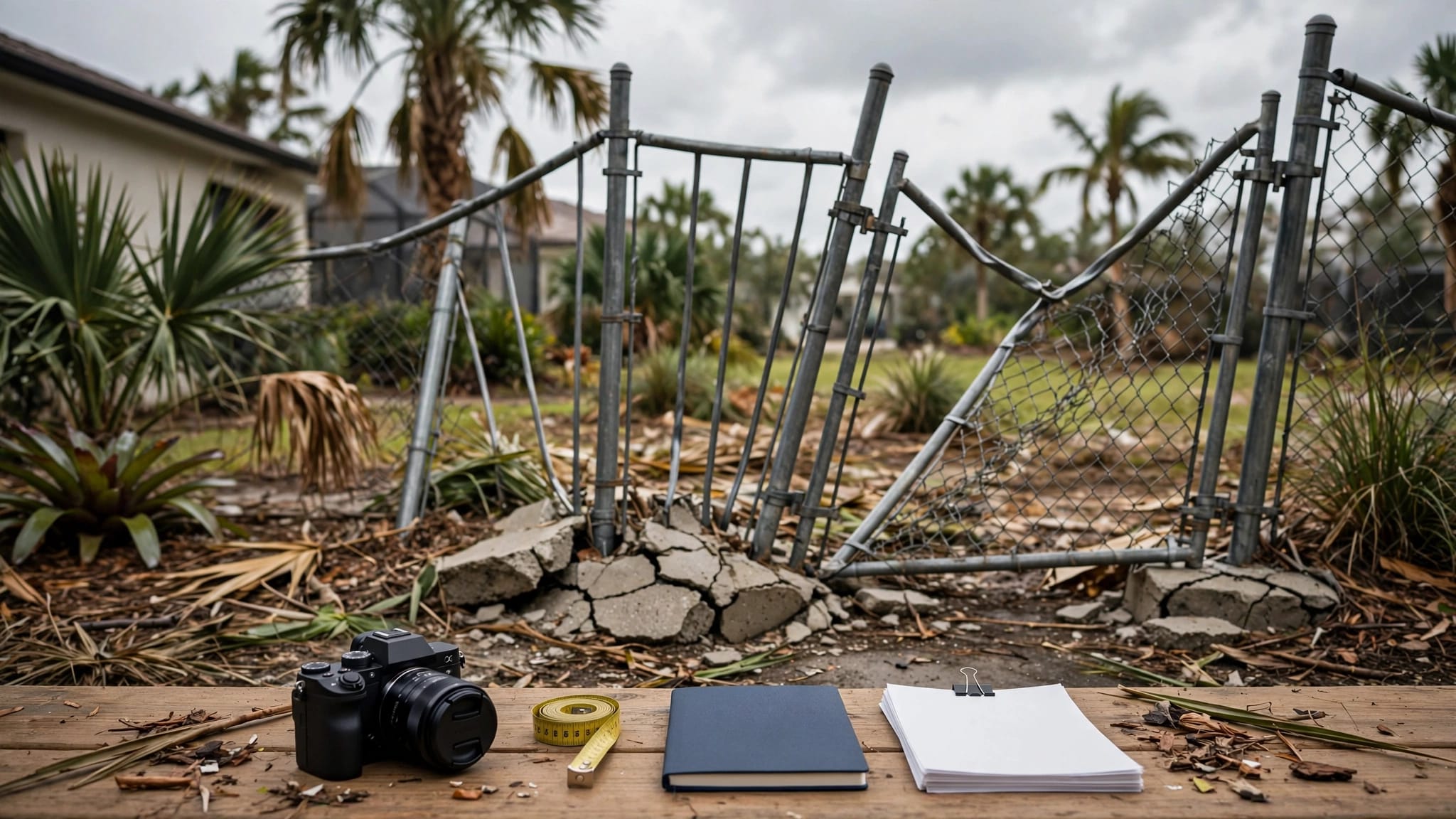
Inspect nearby trees and remove loose items before storms. A fence should not be modified with improvised braces or added privacy material unless the design can handle the extra wind load. After a storm, check for leaning posts, cracked footings, loose hardware, and shifting pavement before making a quick repair.
Salt air can corrode ordinary steel fasteners, hinges, and post hardware, especially near the Gulf or canals. Use suitable stainless steel, hot-dip galvanized, or other corrosion-resistant components based on the fence material and exposure.
Restore the Asphalt Around the Posts
Rebuild the base before patching
Once the posts and concrete are secure, remove loose debris from the cut. Replace any disturbed base material with approved aggregate and compact it in manageable lifts. Do not cover soft soil, voids, or wet loose sand with asphalt and expect the patch to remain level.
Leave enough room for a properly supported repair around the post. The patch should tie into sound pavement with clean edges. If the surrounding asphalt has crumbled or the cut undermined a larger area, widen the repair to reach stable material rather than creating a thin strip over broken pavement.
Apply and finish the asphalt repair
Use an asphalt repair method suited to the pavement, access, weather, and local requirements. The repair should be compacted and finished close to the existing grade without burying the post base or creating a lip that catches tires and water.
Do not rush the final surface while the post footing is still unstable. A fence contractor should also document the work before covering the base where an inspection or right-of-way approval applies. After completion, watch the area through several rain events. Settlement, cracking, or water pooling can reveal a problem below the patch.
Key Takeaways
- Asphalt must be removed so posts can reach stable soil and concrete footings.
- Mark utilities, property lines, easements, drainage paths, and gate openings before cutting.
- Check permits with the city or county, even when the fence crosses an existing driveway.
- Use stronger planning for gates, solid privacy panels, tall fences, and exposed lots.
- Restore the base before patching the asphalt, then inspect for settlement and drainage problems.
- Select hardware and fence materials that can handle Southwest Florida sun, rain, wind, and salt air.
FAQ
Can I install a fence post directly into asphalt?
No. Asphalt is a paving material, not a reliable structural footing. The pavement should be cut and removed so the post can be set in concrete below the asphalt and supported by suitable soil.
Do I need a permit to install a fence through my driveway?
A driveway does not automatically remove permit requirements. Lee County requires a residential fence or wall permit for installation or replacement. Other cities and counties may use different applications, and an HOA may have additional rules. Confirm the requirements before purchasing materials.
How deep should fence posts be in Southwest Florida?
There is no single depth for every property. Fence height, material, post size, soil, gate loads, drainage, and wind exposure all matter. Sandy Cape Coral installations often use at least 36 inches as a planning baseline, with deeper installations on some privacy fence projects. The approved design and site conditions should control the final depth.
Can I patch the asphalt myself after the fence is installed?
Small private-driveway repairs may be possible for an experienced homeowner, but poor base compaction often causes sinking and cracking. A contractor can cut clean edges, rebuild the base, protect the footing, and confirm whether local inspection or right-of-way approval applies.
Which fence material works best through asphalt?
The best choice depends on privacy, wind exposure, maintenance, gate size, and the condition of the property. Aluminum and chain link allow more wind through, while solid vinyl, wood, and composite panels place more pressure on posts. A local contractor can match the fence design and footing plan to the lot.
Conclusion
To install a fence through asphalt successfully, treat the pavement as a surface that must be opened, not as the foundation. The lasting result depends on utility locating, proper footings, careful post alignment, drainage protection, corrosion-resistant hardware, and a compacted asphalt repair.
Southwest Florida homeowners should also plan for saturated soil, intense heat, heavy rain, and hurricane winds. When the fence crosses a driveway, easement, or drainage area, a licensed and insured local contractor can coordinate the site plan, installation sequence, and final restoration before a small pavement cut becomes a larger repair.